

Donald Trump announced late on Tuesday that the US would “hold our attack” on Iran until a deal is made in an astonishing climbdown, after dismissing calls for a ceasefire extension and threatening to blitz civilian infrastructure.
The US president has insisted that he is under “no time pressure” to reach a peace agreement and will prioritise a “good deal for the American people”, but a significant gulf remains between both sides on key issues.
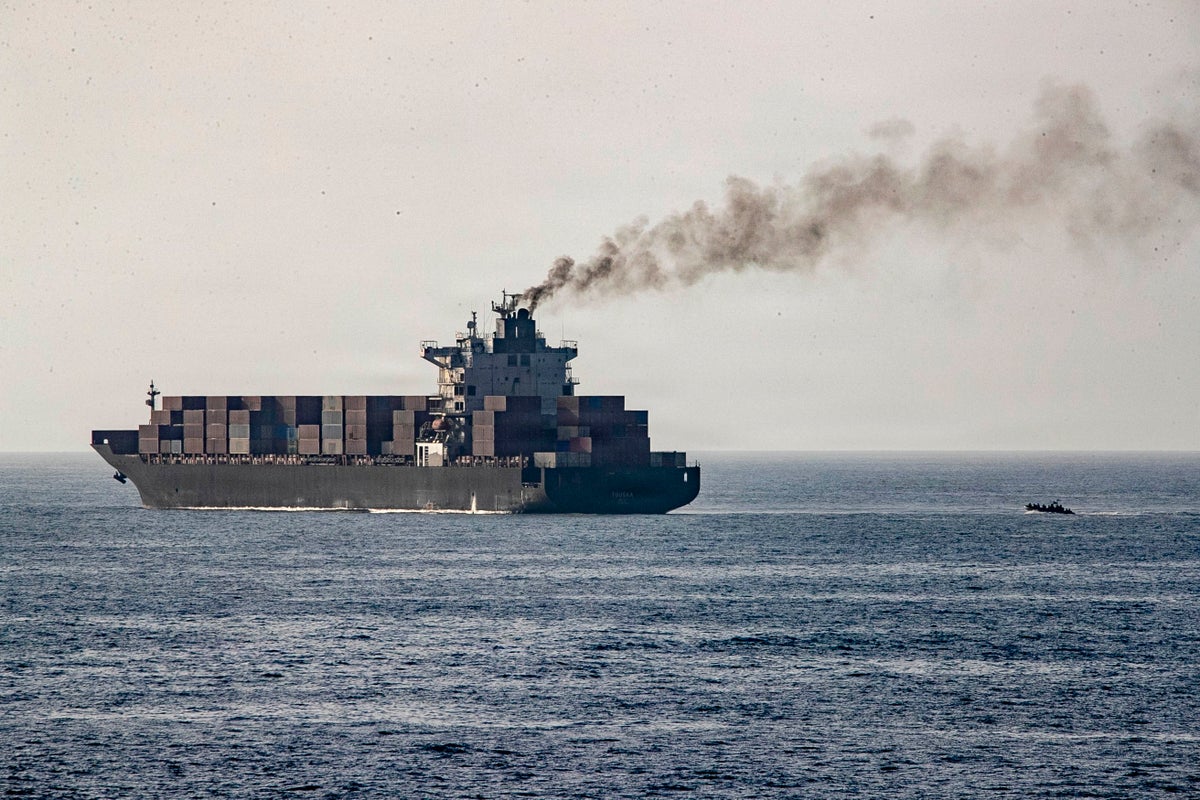
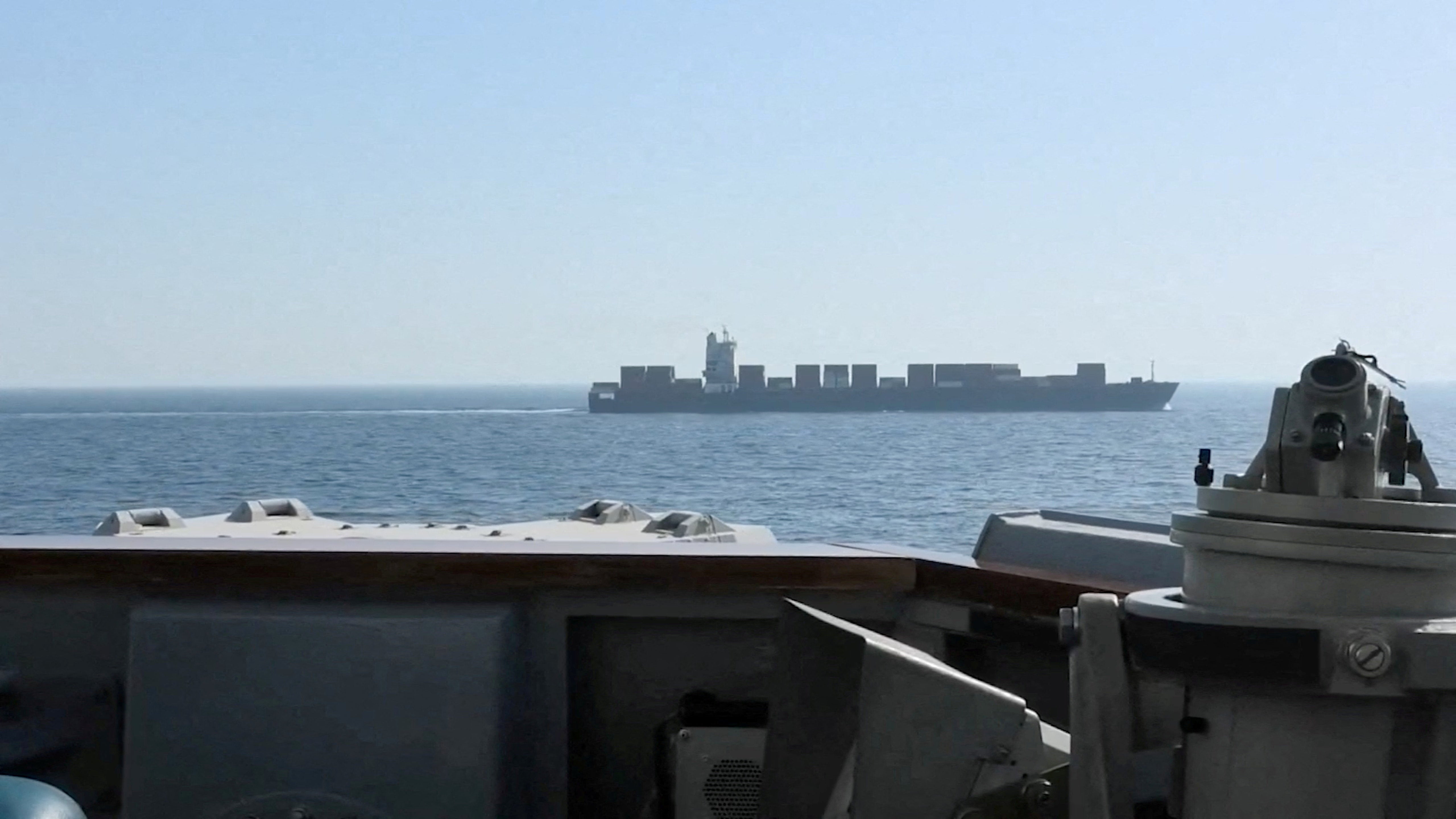
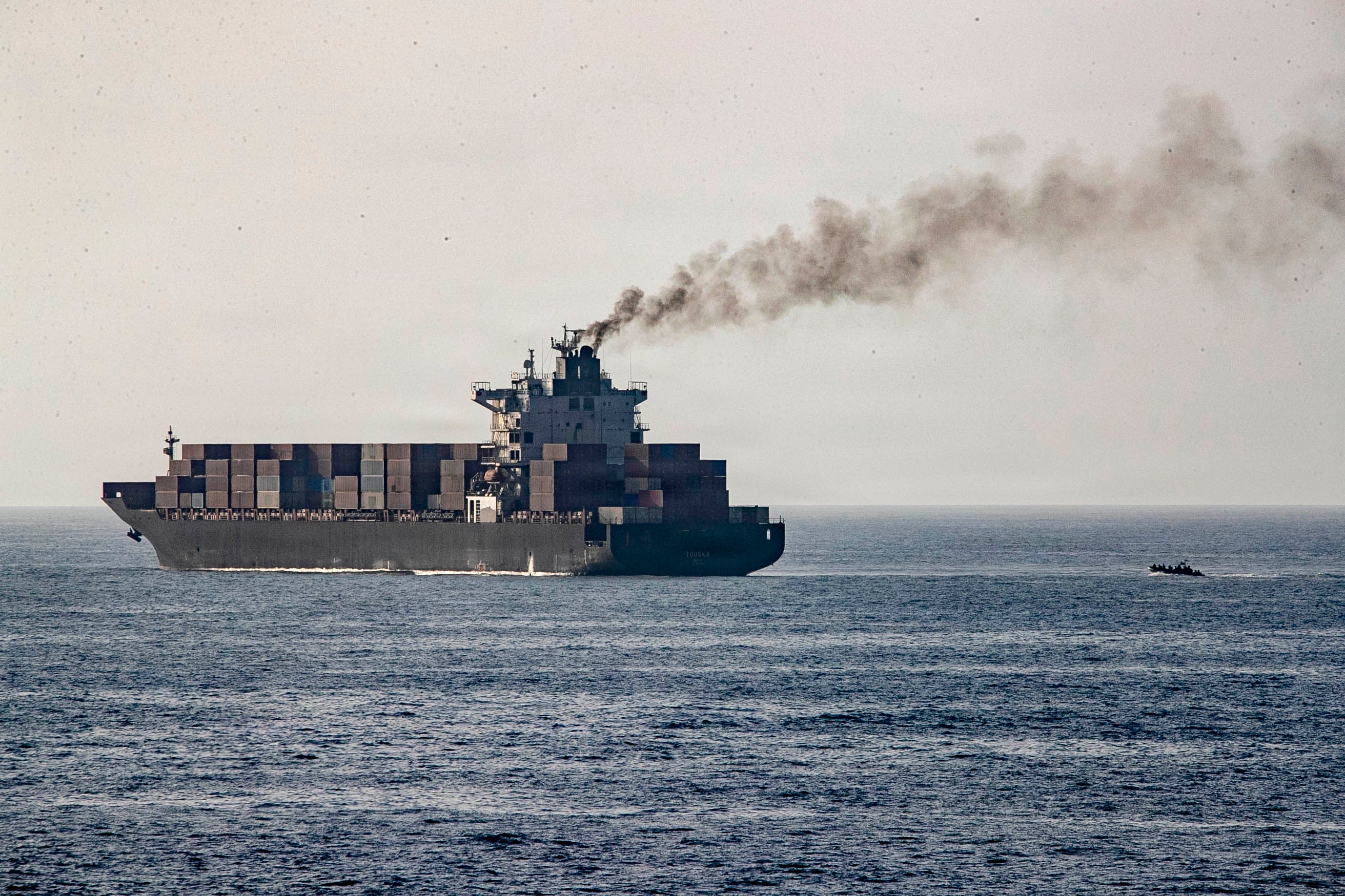
The American navy continues to blockade Iranian ships in the Strait of Hormuz, a painful countermeasure to Iran’s closure of the route that analysts assess to be costing Tehran as much as $435m per day.
Even so, experts say Iran has shown far more tolerance to this kind of pressure than outsiders would like to admit, and Trump will still be influenced by domestic political pressure over rising energy prices.
While Iran’s economy will no doubt be damaged by a protracted war, analysts say the status quo could also end up strengthening the authoritarian regime.
With the Pentagon now reportedly anticipating it will likely take six months to clear mines from the strait, The Independent looks at the cost of the war in limbo.
How will Trump’s ‘indefinite ceasefire’ affect Iran?
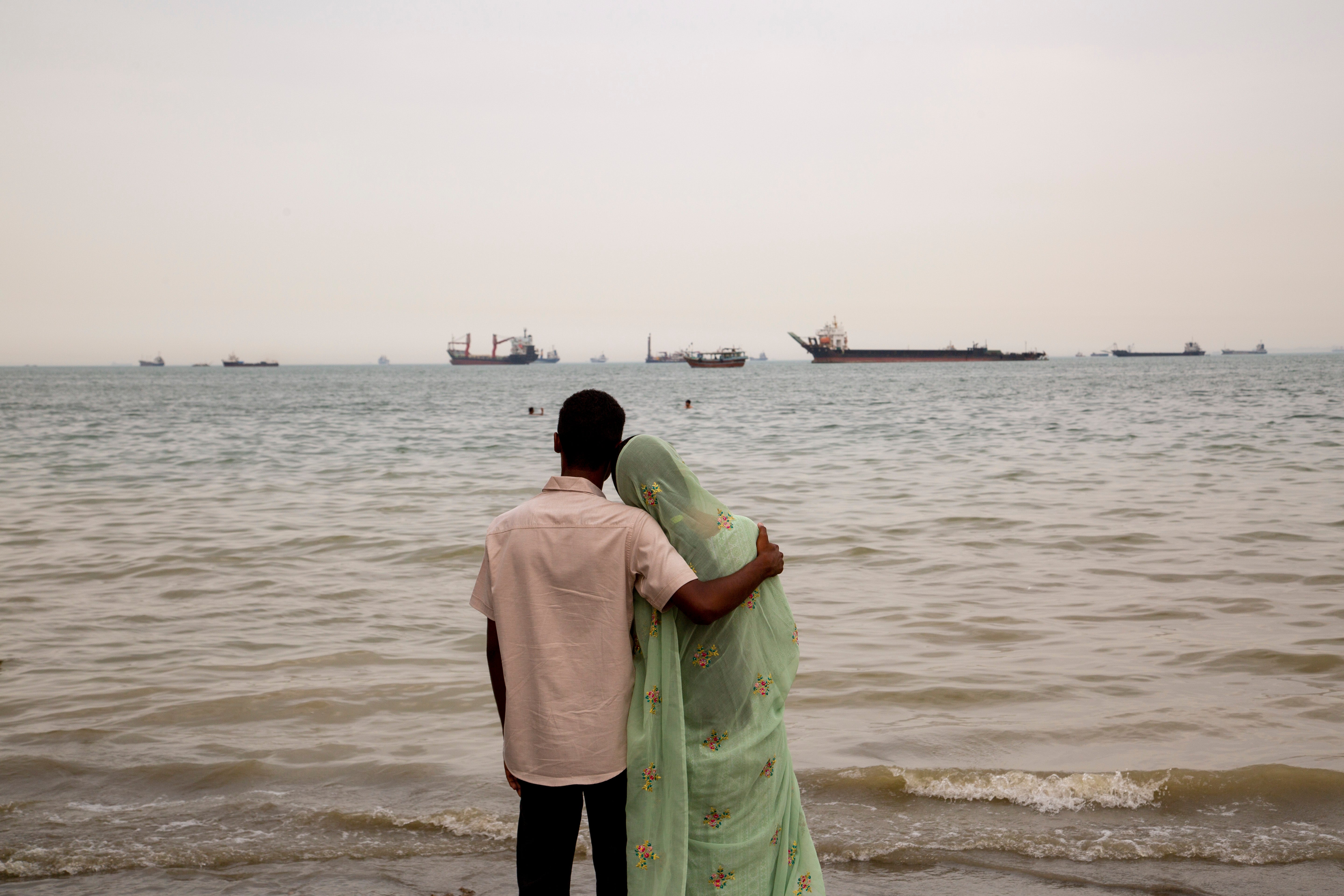
The Strait of Hormuz has proven a powerful lever of Iranian influence since the conflict erupted on 28 February. A fifth of global oil and liquefied natural gas (LNG) usually passes through the waterway. Its closure has drained global supplies, forcing up prices and creating wide support for a quick end to the war.
Mr Trump argues that the status quo is also unsustainable for Iran, which he says is “losing $500m a day” from the US blockade on its imports and exports.
Miad Maleki, senior fellow at the Foundation for Defence of Democracies (FDD), assessed that it could cost Iran $435m per day, as more than 90 per cent of its $109.7bn annual trade passes through the strait. Before the blockade took effect, Iran was generating around $139m in oil revenue alone every day.
The blockade also halts exports of some $54m in daily petrochemical exports and $79m in non-oil exports, the FDD estimates. It further impacts the $159m in daily imports to Iran, creating shortages of food and other essentials and driving up prices.
Longer term, Iran risks irreparable damage to its oil reserves if it is forced to close oil wells as storage fills up. Shutdowns can render oil inaccessible, inflicting billions in annual losses.
Andreas Krieg, a senior lecturer at the School of Security Studies at King’s College London, told The Independent that the status quo is “not sustainable in any normal commercial sense”. Even if both sides can use it as leverage in the short term, it remains economically “corrosive” longer term.
Iran “can tolerate this kind of pressure longer than most outsiders would like to admit”, Dr Krieg said. But Mr Trump is “partly right” that the country is “taking real material damage by constraining its own export environment, reinforcing its regional isolation and accelerating Gulf investment in alternatives to Hormuz”.
The paradox, he said, is that if the impasse lasts, the Iranian regime is likely to reconstitute itself faster than expected, even while weakening economically.
“The latest internal picture suggests that surviving this confrontation has already given the regime a renewed sense of legitimacy among its own base, and that the IRGC is becoming even more central to decision-making.
“Over time, a very long impasse would still erode Iran’s economy, increase domestic strain and make the state more brittle. But in the near to medium term, the IRGC can absolutely tolerate this kind of status quo because it reinforces the idea that only hard power, repression and strategic coercion preserve the system. In that sense, a prolonged Hormuz impasse weakens Iran as a normal economy, but may strengthen it as a security state.”
Can the world sustain the cost?
The closure of the Strait of Hormuz continues to be felt across the global economy.
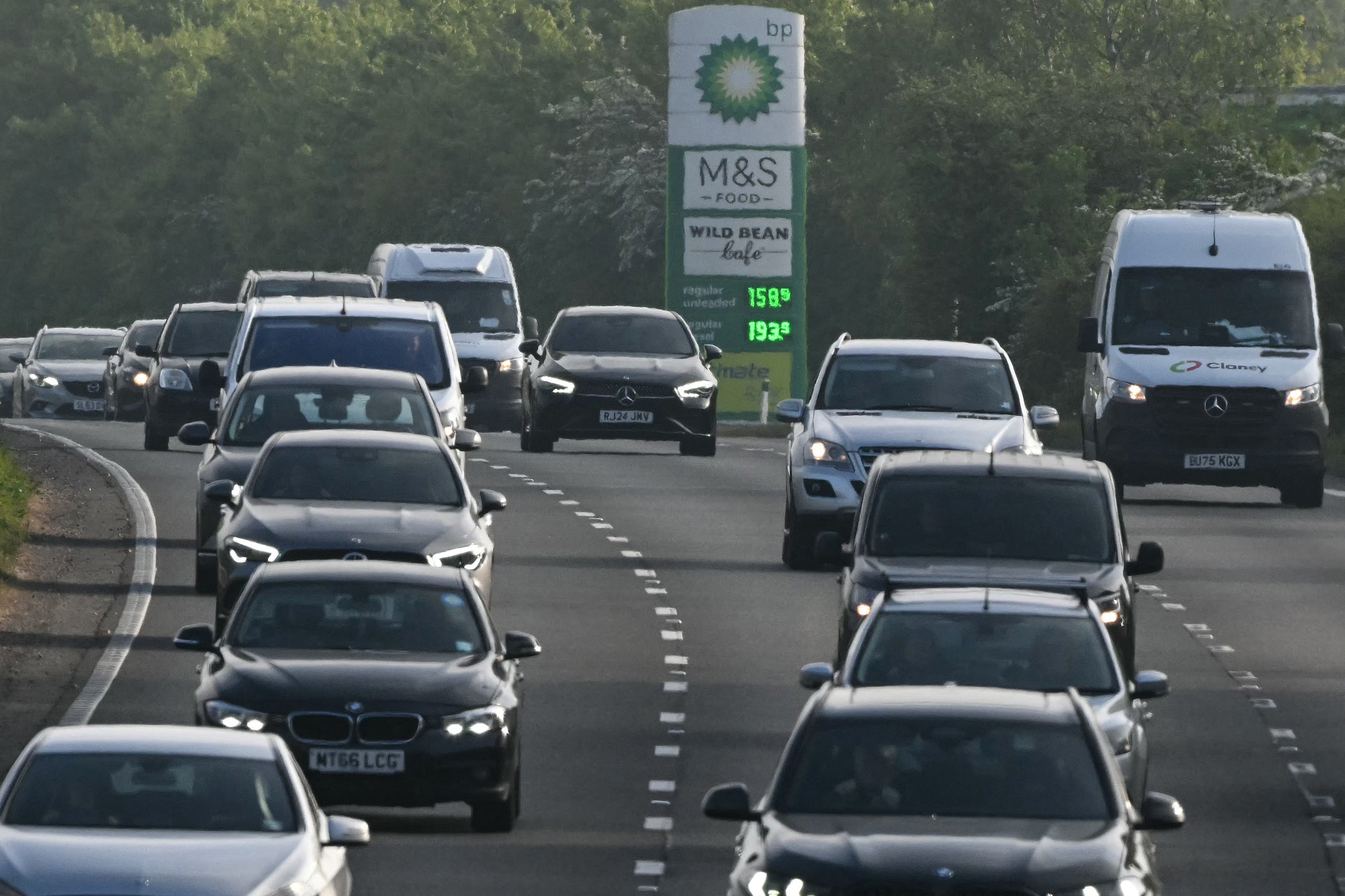
UK inflation rose to 3.3 per cent in the year to March, driven by higher fuel prices, according to the Office for National Statistics (ONS).
Dr Valentin Boboc, senior economist at the Institute of Economic Affairs think tank, told The Independent that “having successfully diversified its LNG portfolio away from the Gulf, the UK is more insulated from physical supply shocks than its EU counterparts”.
“Nevertheless, LNG imports remain the chief exposure, but moderate inflation, stable monetary policy and security of physical supply could point to the UK weathering this shock more aptly than EU.”
The EU energy commissioner assessed on Wednesday that the status quo is also costing the bloc $500m a day, warning that “very difficult months, or possibly even years” lie ahead.
In the US, inflated petrol prices are costing consumers an additional $300-$450m each day, according to Patrick De Haan, head of petroleum analysis at GasBuddy, which provides real-time petrol price updates.
He said on Tuesday that Americans have so far collectively spent around $17.6bn more on gasoline since the start of the conflict.
Dr Boboc said the costs for the US would be “mainly political”, with domestic pump prices a “critical liability” ahead of the November Midterm elections. Separately, Gulf allies may be growing restless over the lack of a long-term maritime security resolution, he said.
The Strait of Hormuz also facilitates huge movements of fertiliser, and its continued closure will affect world food supplies. The US imports around 13 per cent of its fertiliser from the Gulf; India imports 25 per cent of its fertiliser from the Gulf.
The UN said on Thursday that higher fuel and fertiliser prices from the crisis will push 30 million people back into poverty worldwide.
Martin Navias, the co-author of “Tanker Wars: The Assault on Merchant Shipping During the Iran-Iraq Crisis”, agreed that the pressure on the US today is primarily a political-economic issue, not a military one.
“There is no way that Iran should be able to keep the strait closed for a long period of time in the face of American power,” Dr Navias told The Independent.
The IRGC has developed its anti-shipping capabilities since the 1980s, but the US Navy could accompany ships down the Gulf to protect them through the Strait of Hormuz if the political will existed.
He added that it was “incomprehensible” that the US had ended up in this position at all, casting the closure of the Strait as a failure of planning and the war as “catastrophic from an American-Western point of view”.
“It’s not that those assets presented the Israelis or the Americans with any greater intelligence challenge … It’s just that they never dedicated their efforts to that.”
How will the world respond?
Britain and France are still trying to convene a multinational coalition to reopen the strait – but do not plan to intervene until a “sustainable ceasefire agreement” is made.
With the world left to wait for the US and Iran to agree to terms, countries that can bypass the strait may emerge as competitive alternatives in the short term, while affected states in the Gulf build the infrastructure to avoid such shocks in future.
At the start of April, the Financial Times reported that oil and industry executives in the Gulf were already considering major investment in new pipelines to avoid the strait altogether. Qatar, Bahrain and Kuwait are the most exposed to the blockades, with fewer meaningful ways to bypass the strait.
These alternative channels may cost billions and take years to complete, but would make energy-dependent states less susceptible to external events, especially important now Iran has learned that “it can still weaponise the strait after all”, Dr Krieg said.
But other, immaterial losses may also shape the world in the longer term.
“Washington looks less able to guarantee free navigation than it claims, and that feeds a wider perception across the Gulf that the US security umbrella is still indispensable but no longer fully reliable,” Dr Krieg said.
“I think that loss of confidence is one of the most important consequences of this whole episode. It pushes partners towards hedging, diversification and more autonomous planning.”