



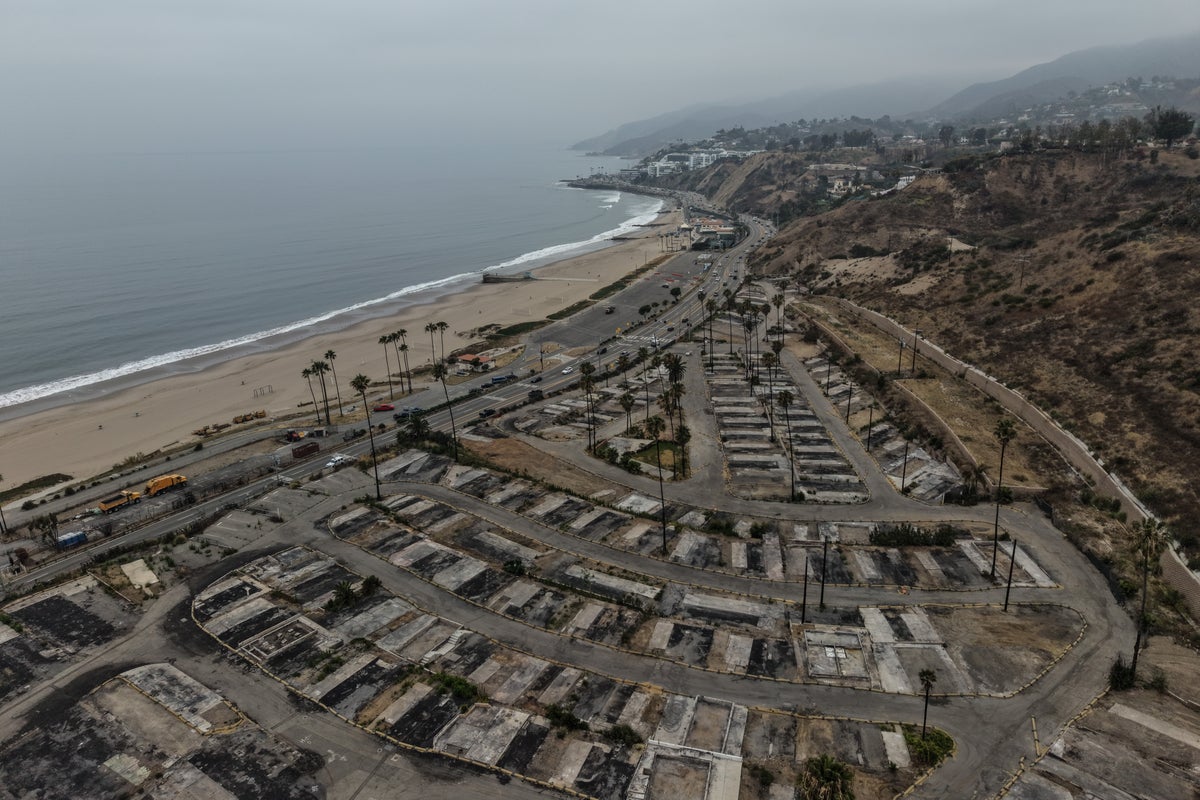
The man accused of igniting the wildfire that tore through Pacific Palisades and Malibu, killing 12 people and destroying thousands of homes, is set to stand trial this week as survivors continue struggling to rebuild their lives.
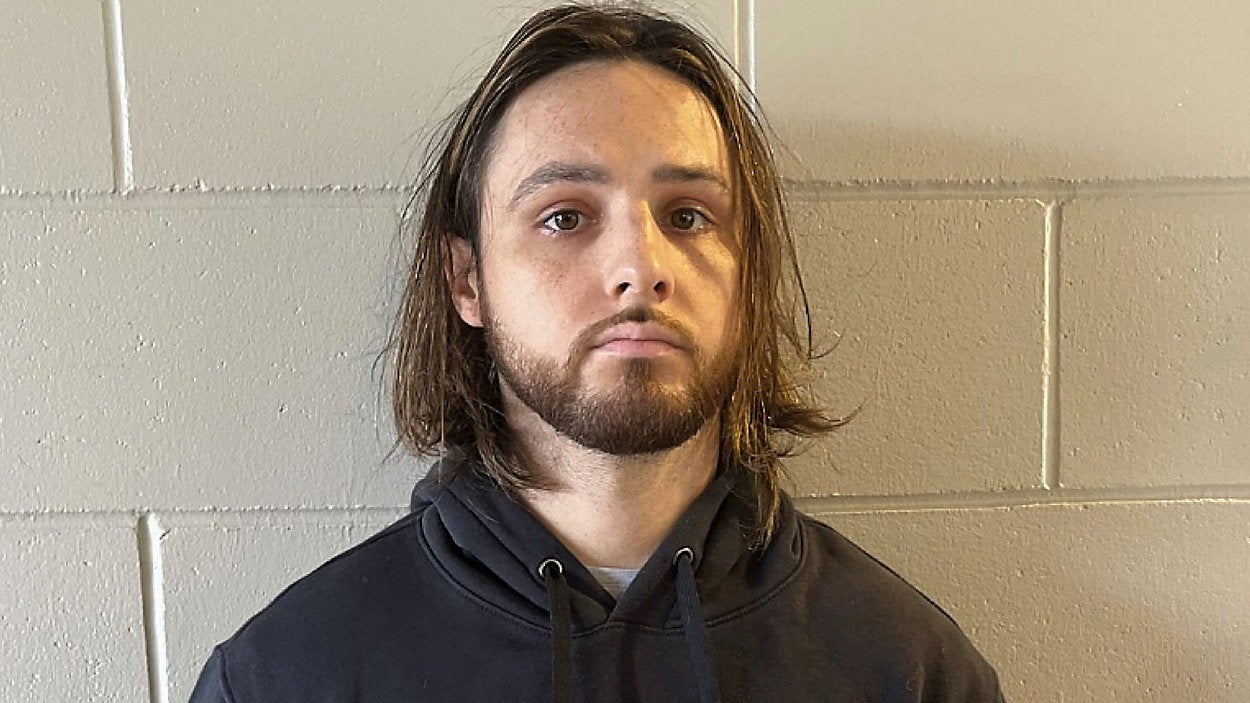
Jonathan Rinderknecht, 29, has pleaded not guilty to federal charges tied to the catastrophic Palisades Fire, one of the most destructive wildfires in California history.
Prosecutors allege that Rinderknecht started a fire on New Year’s Day 2025 that smoldered unnoticed beneath root systems before erupting into a deadly inferno six days later.
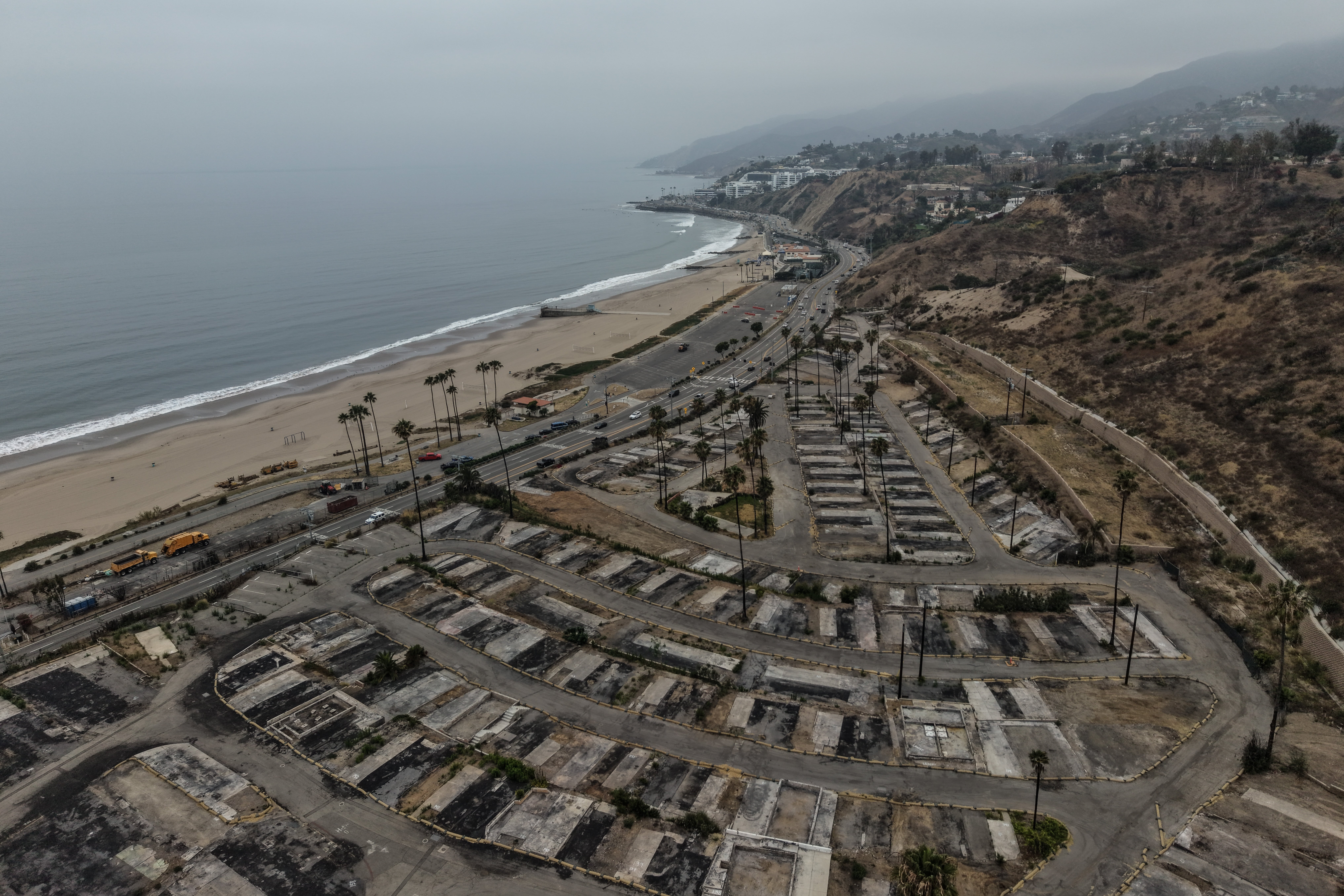
If convicted, Rinderknecht faces a minimum of five years in prison on charges that include malicious destruction by fire.
The trial begins against a backdrop of lingering grief and frustration across the Palisades, where many residents remain entangled in insurance disputes, rebuilding delays, and the emotional scars left by the disaster.
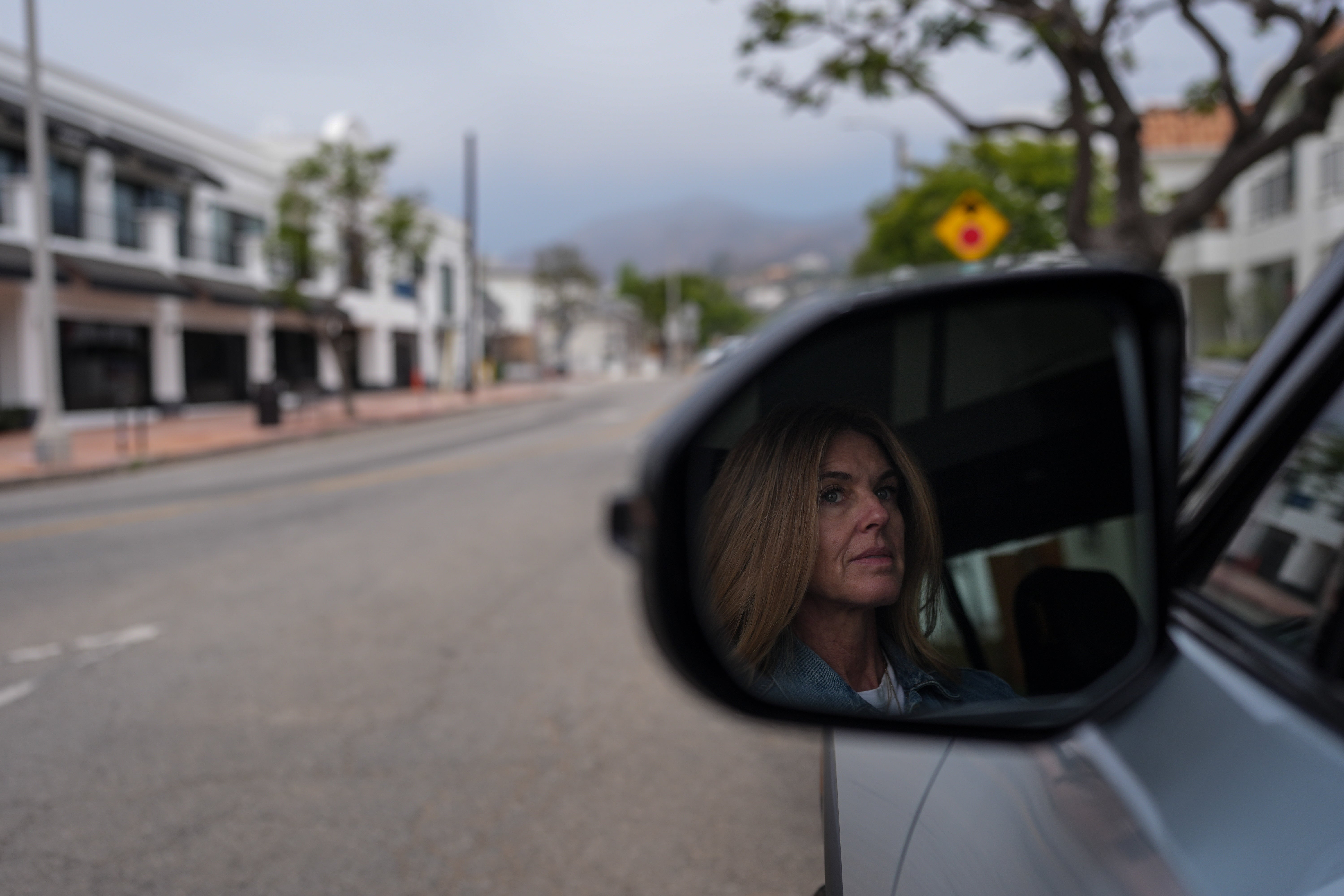
“It brings back all the suffering and chaos,” said Meghan Wald, whose home was one of the few left standing on her block. Though she now lives in Brentwood, she regularly returns to support businesses slowly reopening in the neighborhood she once called home.
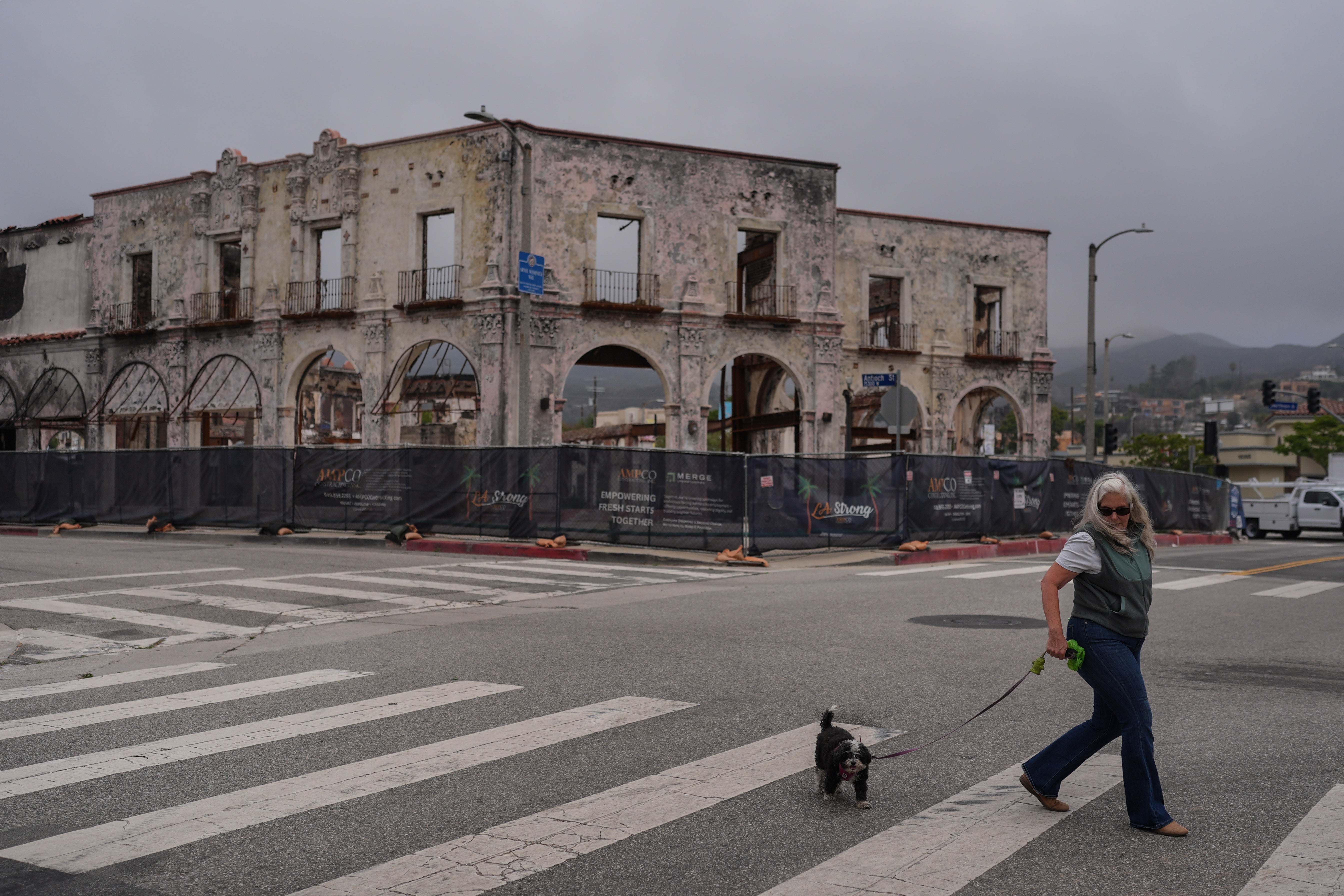
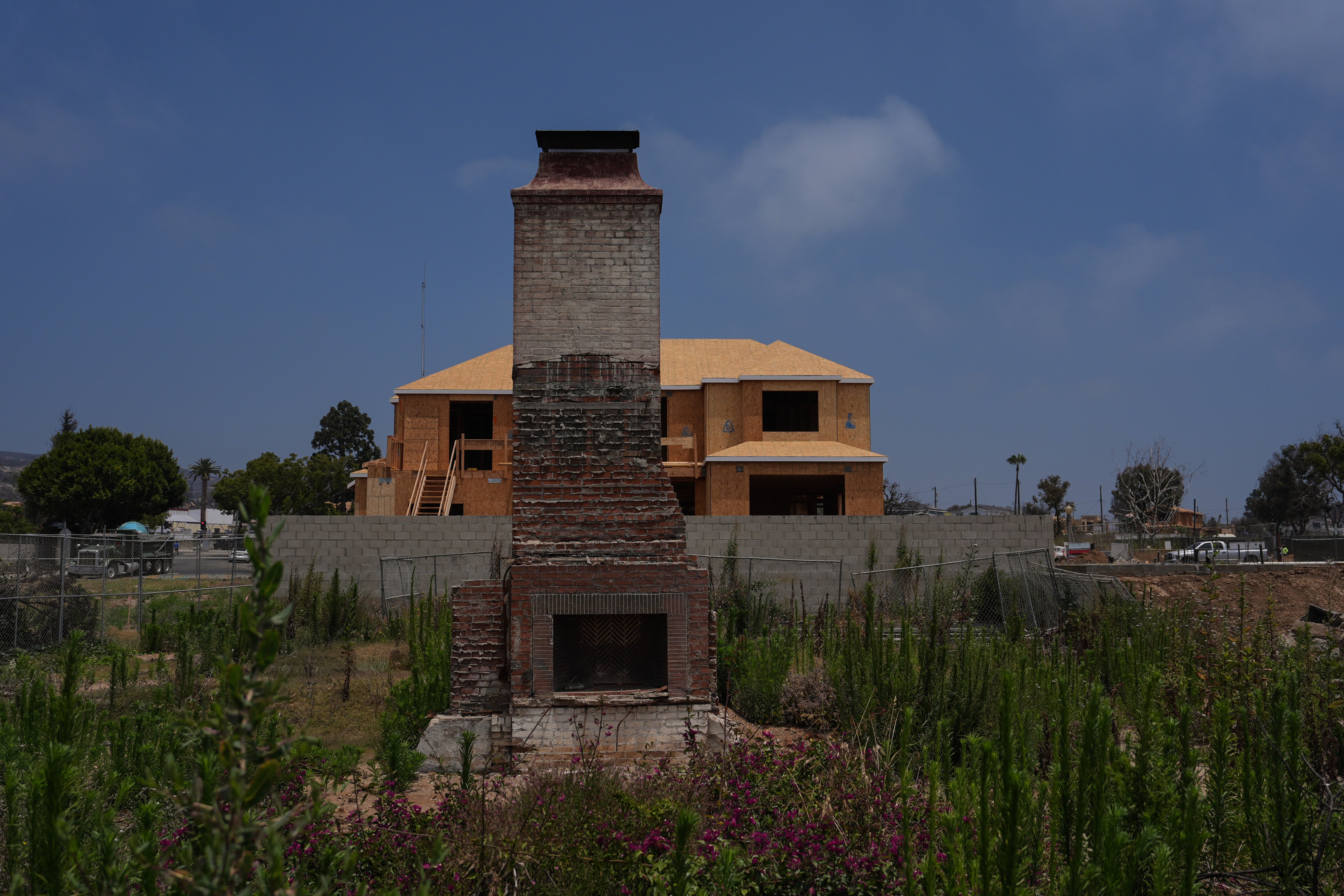
Signs of recovery are visible. Construction crews fill the streets, and blackened hillsides have turned green again. But empty lots and skeletal remains of homes still dominate much of the landscape.
Of more than 450 rebuilding projects underway, only 17 homes have been approved for occupancy.
For many residents, the trial reopens painful questions about how the tragedy unfolded.
Rinderknecht’s defense team argues he is being unfairly blamed for failures by authorities to fully extinguish an earlier fire.
His attorney, Steve Haney, has said his client is being used as a scapegoat for mistakes made after firefighters first responded to the area.
However, Judge Anne Hwang has ruled that jurors will not hear evidence alleging negligence by the Los Angeles Fire Department, determining that such arguments are not relevant to the criminal charges.
Federal prosecutors say cellphone location data places Rinderknecht near the area where the fire rapidly expanded.
Investigators also recovered a Bic barbecue lighter from his vehicle, which prosecutors say he admitted carrying on the trail that day.
According to court filings, prosecutors will argue that Rinderknecht was angry over personal setbacks, including a failed relationship and disrupted New Year’s Eve plans.
They also allege he vented his frustrations to Uber passengers before the fire began.
The defense plans to challenge the government’s evidence and argue that investigators lack direct proof linking Rinderknecht to the initial blaze.
Attorneys have also pointed to reports of fireworks being heard in the area around the time the fire started.
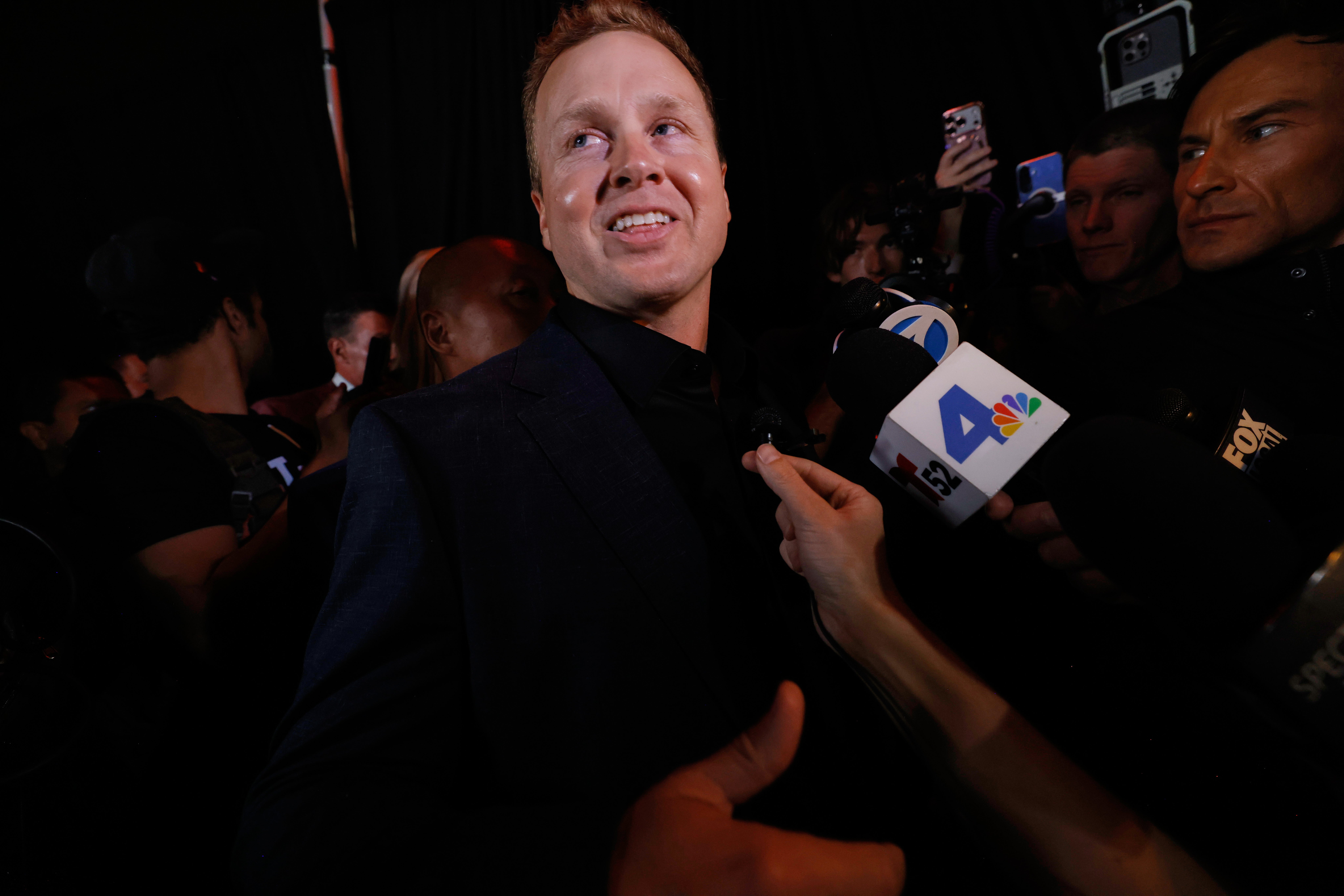
Jury selection is expected to take several days, with opening statements anticipated later this week. The trial is expected to last about two weeks.
Meanwhile, the political fallout from the fire continues to shape Los Angeles politics. The disaster has become a major issue in Mayor Karen Bass’s reelection campaign, with critics questioning the city’s response and recovery efforts.
For business owners like Lena Loh, who opened a skincare clinic just months before the fire, the trial offers little comfort.
“I don’t necessarily think putting him on trial is going to fix anything,” she said. “This is a city issue. The city needed to manage that small speck of fire better.”
As the courtroom battle begins, many survivors are still waiting for answers — and for a community forever changed by the flames to find a path forward.
