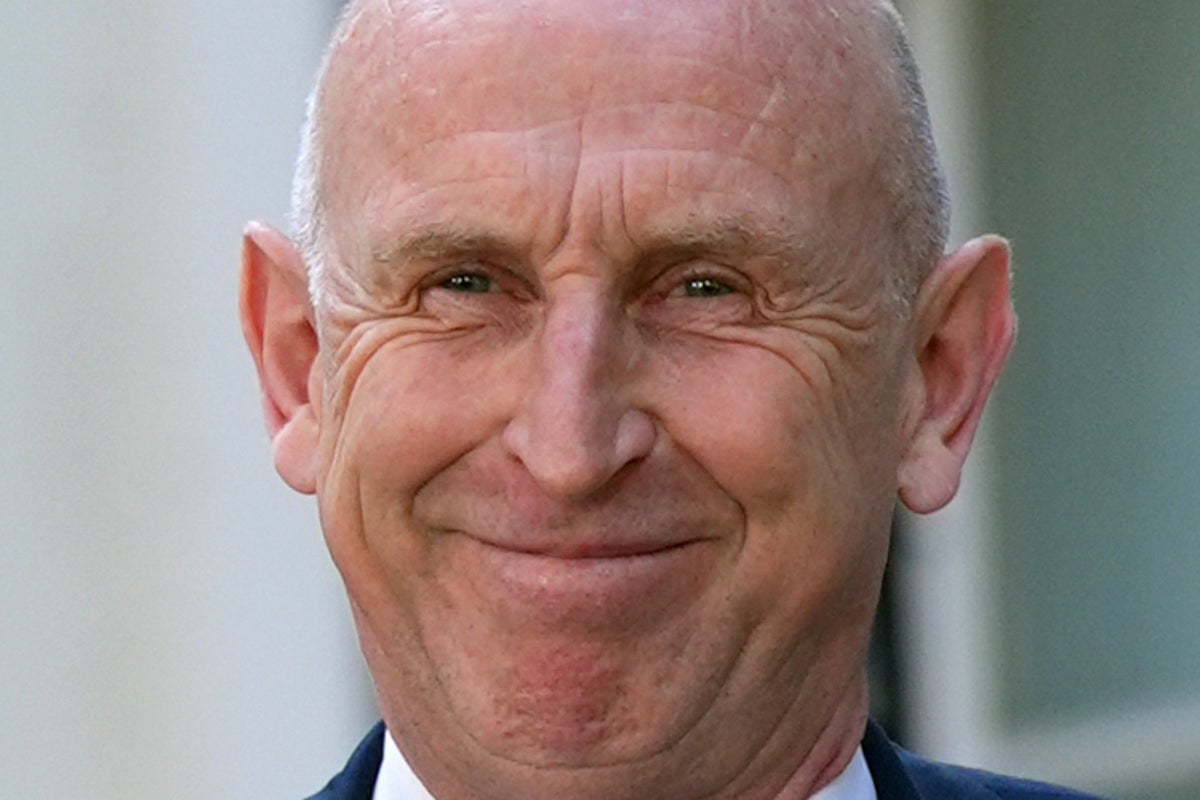



Veteran broadcaster and journalist Edward Stourton has passed away at the age of 68 after being diagnosed with prostate cancer, the BBC has announced.
His distinguished career spanned over four decades, notably including a decade as a familiar voice fronting BBC Radio 4’s flagship Today programme. Diagnosed with cancer in 2014, he bravely continued his work until very recently.
Jonathan Munro, interim chief executive of BBC News and Current Affairs, expressed his sorrow, stating it was “far too soon to lose Ed”.
Beyond his broadcasting, Mr Stourton was also an accomplished author, penning several books including 2013’s Cruel Crossing and his 2023 memoir, Confessions, where he first disclosed his cancer diagnosis from nearly a decade prior.

Prostate cancer is the most common form of cancer among men in the UK, affecting approximately one in eight men during their lifetime.
Sir Stephen Fry, Sir Rod Stewart, Joe Biden and Sir Ian McKellen have all gone public with their prostate cancer diagnoses in recent years.
While the condition is more likely to affect men over the age of 50, it can be diagnosed at a younger age.
From symptoms to treatment, here’s everything you need to know about prostate cancer.
What is prostate cancer?
Prostate cancer is a cancer that occurs in the prostate gland, a small gland located at the base of the bladder.
The main function of the prostate gland, a male reproductive organ, is to secrete prostate fluid. Prostate fluid mixes with sperm to create semen.
The prostate gland is about the size of a walnut, but enlarges as men age. It surrounds the first part of the urethra, the tube that carries urine and semen.
When prostate cancer develops, this usually occurs in the outer gland cells of the prostate, Cancer Research UK states. These cells are called acinar adenocarcinomas.
Cancer occurs when abnormal cells begin to divide and grow uncontrollably.
According to Cancer Research UK, the majority of cases of prostate cancer grow slowly and do not usually spread to other parts of the body. When it has spread, it becomes known as advanced prostate cancer.
What are the symptoms?
Symptoms of prostate cancer may include needing to urinate more frequently; having to rush to the toilet; straining to urinate; feeling as though your bladder has not fully emptied while going to the toilet; and blood in urine or semen, the NHS outlines.
The NHS adds that these symptoms may not necessarily be indicative of prostate cancer.
Older men may experience similar symptoms due to prostate enlargement, which is a non-cancerous condition.
Signs that prostate cancer has spread to other areas of the body may include back, hip or pelvis pain; erectile dysfunction; blood in urine or semen; and unexplained weight loss, Prostate Cancer UK states.
For more information about prostate cancer symptoms, visit the Prostate Cancer UK website here.
What are the causes?
While it is not known what causes prostate cancer, several factors may increase the risk of developing the condition.
These include being over the age of 50; whether you have a brother or father who developed prostate cancer before turning 60; being overweight; and following an unhealthy diet.
Those of African or African-Caribbean descent may also be at greater risk of being diagnosed with the condition.
How common is it?
Prostate cancer is the most common form of cancer among men in the UK and around 64,000 men across the UK are diagnosed with prostate cancer on an annual basis.
Approximately 35 per cent of new cases of prostate cancer every year are among men aged 75 and over.
Prostate cancer can affect anyone with a prostate gland, which can include men, transgender and non-binary people.
How can it be treated?
Some diagnosed with prostate cancer will not require any treatment at all, the NHS states.
A person’s treatment may depend on whether their prostate cancer is localised in the prostate gland or has spread to other parts of the body.
The NHS explains that a patient with cancer should be cared for by a team of specialists, called a multidisciplinary team. This team of medical professionals may include oncologists, radiographers and specialist nurses, among others.
The NHS adds that treatment for prostate cancer is undertaken to either cure the disease, or control symptoms so that they do not shorten a patient’s life expectancy.
Some older men who are diagnosed with prostate cancer may be advised to carry out “watchful waiting”, which is when they keep a close eye to see whether or not they develop any progressive cancer symptoms.
They may also be told to do “active surveillance”, which involves undergoing tests such as MRI scans and biopsies while avoiding other treatments deemed “unnecessary”.
Other treatments that patients diagnosed with prostate cancer may undergo include radical prostatectomy, which is the surgical removal of the prostate gland; radiotherapy; hormone therapy; and chemotherapy.
If a person’s prostate cancer has become too advanced, then it may not be able to be cured. However, treatments such as radiotherapy, hormone treatment and chemotherapy may slow down its progression.