Christmas in Australia is a great time to spend enjoying the outdoors, with plenty of good food and drink.
But such a combination contributes to this time of year being the peak season for kidney stones.
But what exactly are kidney stones? Why is this painful kidney condition more common at this time of year? And how can you reduce your risk?
What are kidney stones, actually?
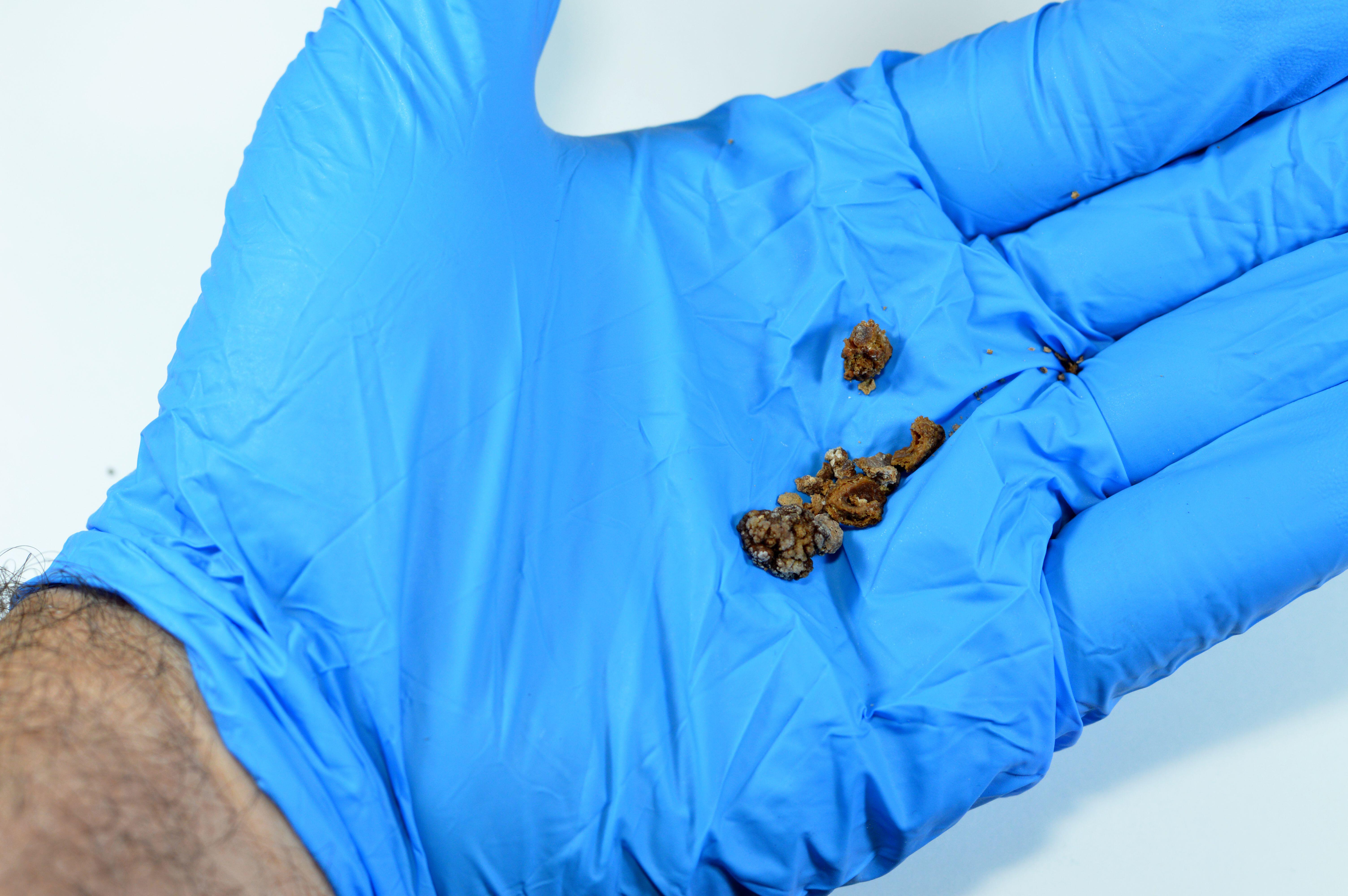
Kidney stones are hard crystals made from minerals – such as calcium and oxalate – in the urine. They form when the urine becomes too concentrated. This allows these minerals to stick together, forming stones.
Stones usually start the size of tiny grains of sand and cause no symptoms. When stones become large enough, however, they can migrate down the ureter (the narrow tube between the kidney and bladder). During this migration, they can block the flow of urine, causing severe pain.
Pain is from the middle of the back to the pelvis, and comes and goes as the stone makes its way down the ureter. There’s usually nausea, vomiting and blood in the urine at the same time.
In severe cases, kidney stones can block the flow of urine and trap bacteria, causing severe infection. This can cause permanent kidney damage.
About one in ten Australians will get a kidney stone at some point in their lives. This condition affects adults of all ages, with those aged 40–60 most at risk.
Now let’s see why kidney stones are more common at this time of year.
Phew, it’s hot …
Kidney stones are most common in the heat. A recent review showed the risk of kidney stones increases by 2.4% for every 1°C increase in average outdoor temperature.
Higher temperatures cause more sweating and dehydration. This concentrates your urine and allows minerals in your urine to form into stones.
People living in tropical areas with higher humidity, such as Far North Queensland, are more prone to kidney stones.
That’s because the humid air stops sweat from evaporating to fully cool the body. This leads to even more sweating and worsens dehydration, increasing your risk of kidney stones forming.
… and getting hotter

Climate change, with its higher temperatures and heatwaves, means kidney stones are likely to be even more common.
That’s partly because high-risk zones are expanding. Hot tropical climates closer to the equator have higher rates of kidney stones. But as global temperatures rise, these zones are expanding away from the equator to cooler regions, putting more people at risk.
With climate change, heatwaves are becoming more frequent and lasting longer. Along with this comes an increased risk of dehydration and kidney stones.
Those most at risk now and into the future include elderly people, outdoor workers and people without access to adequate cooling.
Food, drink and travel
Christmas is a risky time for kidney stones for other reasons. Festive eating and drinking, plus altered travel habits, mean this time of year has the ideal conditions for kidney stones to form.
Excess alcohol leads to dehydration, which we know increases the risk of kidney stones. Sugary soft drinks and foods high in salt, such as meat, chips and cheese, lead to more stone-promoting minerals to aggregate into stones.
Foods that contain high levels of oxalate, a naturally occurring chemical in certain plant foods, also increase the chance of a kidney stone if eaten regularly over a long period of time. Examples of foods high in oxalate include spinach, almonds and dark chocolate.
Long road trips and air travel can result in disrupted routines. Travel is a common cause of dehydration because people tend to drink less, access to toilets can be inconvenient, and hot destinations increase sweat losses. This leads to reduced urine volume that is more concentrated.
Ways to prevent kidney stones
The vast majority of kidney stones can be prevented. Here’s how you can significantly reduce your risk of kidney stones this holiday season.
1. Drink more water
Drinking enough water is the most important way to prevent kidney stones. You should aim for 2.5–3 litres of fluids a day, more on hot days or during exercise.
The best way to know if you are well hydrated is by looking at your pee. It should look pale or clearer, with no smell. Another good sign is not feeling thirsty.
The best fluid to drink is water. You can add a squeeze of lime or lemon. These contain citric acid, which prevents stones from forming.
Drink alcohol in moderation. Match one standard drink with a glass of water.
2. Don’t overeat
It might be tempting to overeat during the holiday season, but try to limit the types of foods we know increase your risk of kidney stones. You don’t have to avoid these salty and sugary foods entirely.
There are plenty of fresh fruit and vegetables in season this time of year, and are great sources of magnesium and fibre. These bind oxalate in the gut, preventing it from reaching the kidney. Fresh fruit and vegetables are also high in stone preventers, such as citric acid and potassium.
3. Avoid the heat
This will reduce fluid loss, lowering your risk of dehydration and kidney stones forming.
Stay out of the heat during the hotter times of the day, and seek shade or air conditioning. Take advantage of pools or the ocean to stay cool.