

The UK has a “once-in-a-decade opportunity” to transform the the country’s environmental and human rights impact around the world, aid campaigners have told The Independent.
As part of the UK’s Trade Strategy, which was announced last year, the government launched a review into responsible business conduct policy, with a focus on the global supply chains of businesses operating in the UK.
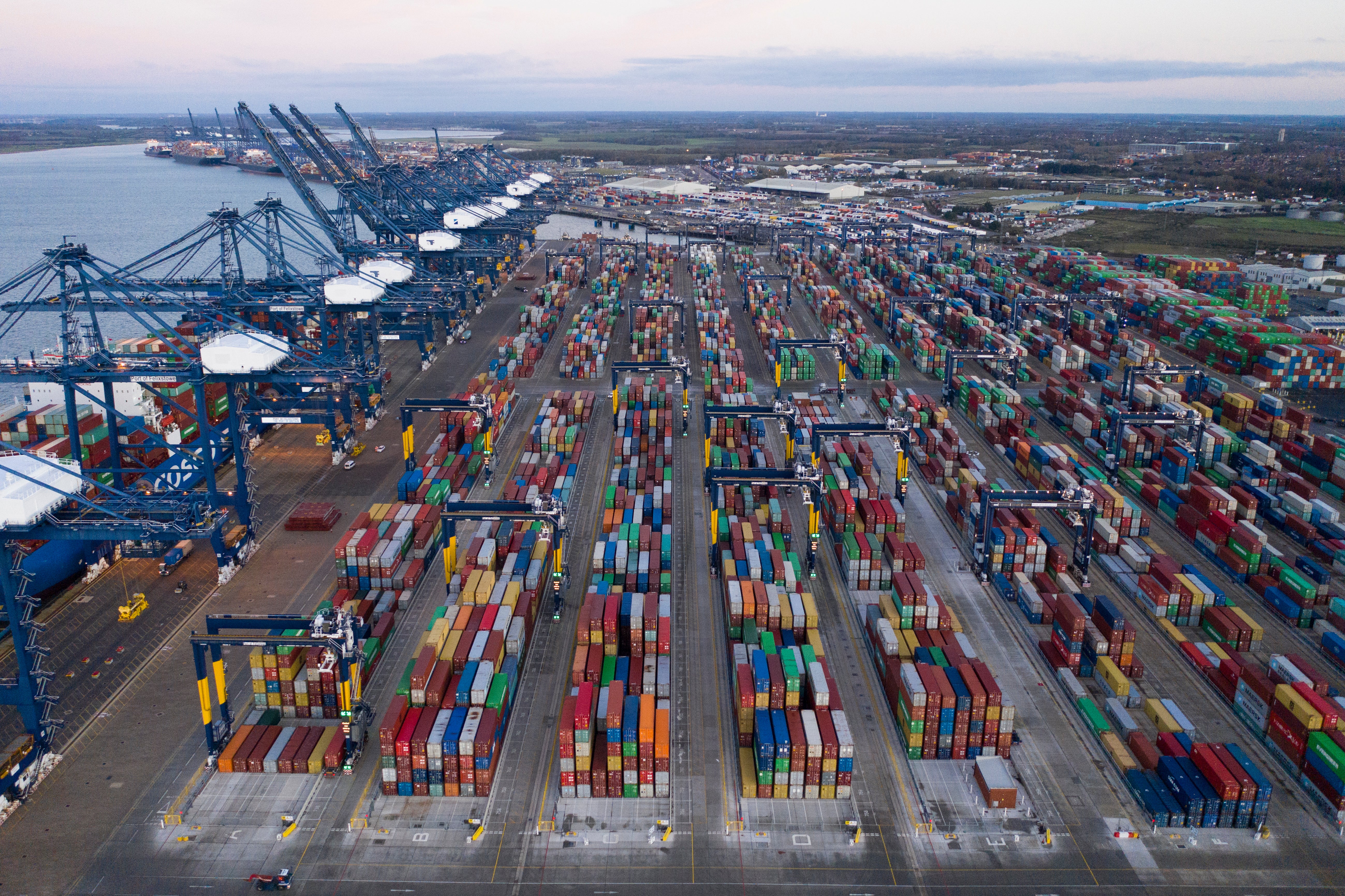
These supply chains are the arteries of the modern global economy, spanning continents and sectors, and often highly specialised and complex. Recent years have shown just how vulnerable they can be, with events such as the Covid-19 pandemic, Russia’s invasion of Ukraine, and Brexit all causing disruptions to food and energy prices.
But as well as posing risks to consumers in the UK, weak oversight of supply chains poses significant risks for the countries that supply UK businesses, including human rights concerns such as forced labour or child labour, as well as risks to the environment and the impacts of the climate crisis.
With government ministers publicly saying that Britain wishes to become an “investor” rather than a “donor” when it comes to overseas assistance in the era of foreign aid cuts by the UK and Donald Trump in the US, campaigners say reforming UK supply chain laws could ensure that overseas investment maximises benefits to people in developing countries.

Groups including the Fairtrade Foundation are calling for what they call a “mandatory human rights and environmental due diligence (HREDD) law”, which would see companies compelled to continually measure and address problems in their supply chain related to human rights and the environment.
Rather than the “tick-box exercise” that many existing schemes require, it would demand “proactive risk management” and “long‑term solutions” to protect human rights and help reduce the impact of the climate crisis, according to Fairtrade’s senior policy manager Sophia Ostler.
“This is a significant moment: It’s really a once-in-a-decade opportunity to address environmental and human rights problems in our supply chains, with a government that really might do something about it,” she tells The Independent. “It’s about making trade pay enough for workers in developing countries have enough to afford a good quality of life.”
This campaign has been building for years – from a civil society open letter dating from 2019, a further letter from 167 businesses from 2024, several landmark reports including one looking into forced labour in UK supply chains, and a parliamentary Westminster Hall Debate on Fairtrade at the end of last year.
“With the reductions in official development assistance by the UK and globally, and the ongoing climate emergency, we should be viewing ethical trade including through mandatory Human Rights and Environmental Due Diligence (HREDD) as a cost-effective way to put our principles into practice,” Martin Rhodes, the Labour MP and chair of the All-Party Parliamentary Group on Fairtrade, tells The Independent.
“Principles such as poverty reduction, gender equality and environmental sustainability can all be advanced through strong due diligence laws, and by growing our trade with others that share the same high standards.”
Current legislation influencing supply chains is piecemeal and incomprehensive, according to Fairtrade’s Ostler, being based largely on parts of the Modern Slavery Act and the Environment Act. A new HREDD law could level the playing field for all large companies and ensure that high standards on climate and human rights that the UK seeks to meet domestically would also be met overseas.
“We are calling for a holistic approach and understanding of what the issues are and how they’re all interconnected,” says Ostler, who adds that the specific HREDD standards should align with the OECD Guidelines for Multinational Enterprises, which the UK has already signed up to.
“Human rights and environmental protections are interlinked, whether in how pollution impacts health and livelihoods, or how forced labour can take place in mining, which causes environmental harm,” Ostler continues. “New legislation should take a big-picture view that reflects that.”
Supply chain scandals
Without a mandatory due diligence law currently in place, there is a lack of clear data on just how many companies are effectively monitoring and responding to supply chain risks in the UK. The data we do have suggests that it will not be many, however, with just 34 per cent of clothing and apparel companies, those that extract things from the earth, are implementing clear responsibilities and training on human rights in one 2023 assessment, and global food and drinks companies scoring an average of just 15/100 in a 2026 assessment of company efforts to tackle forced labour in their supply chains.
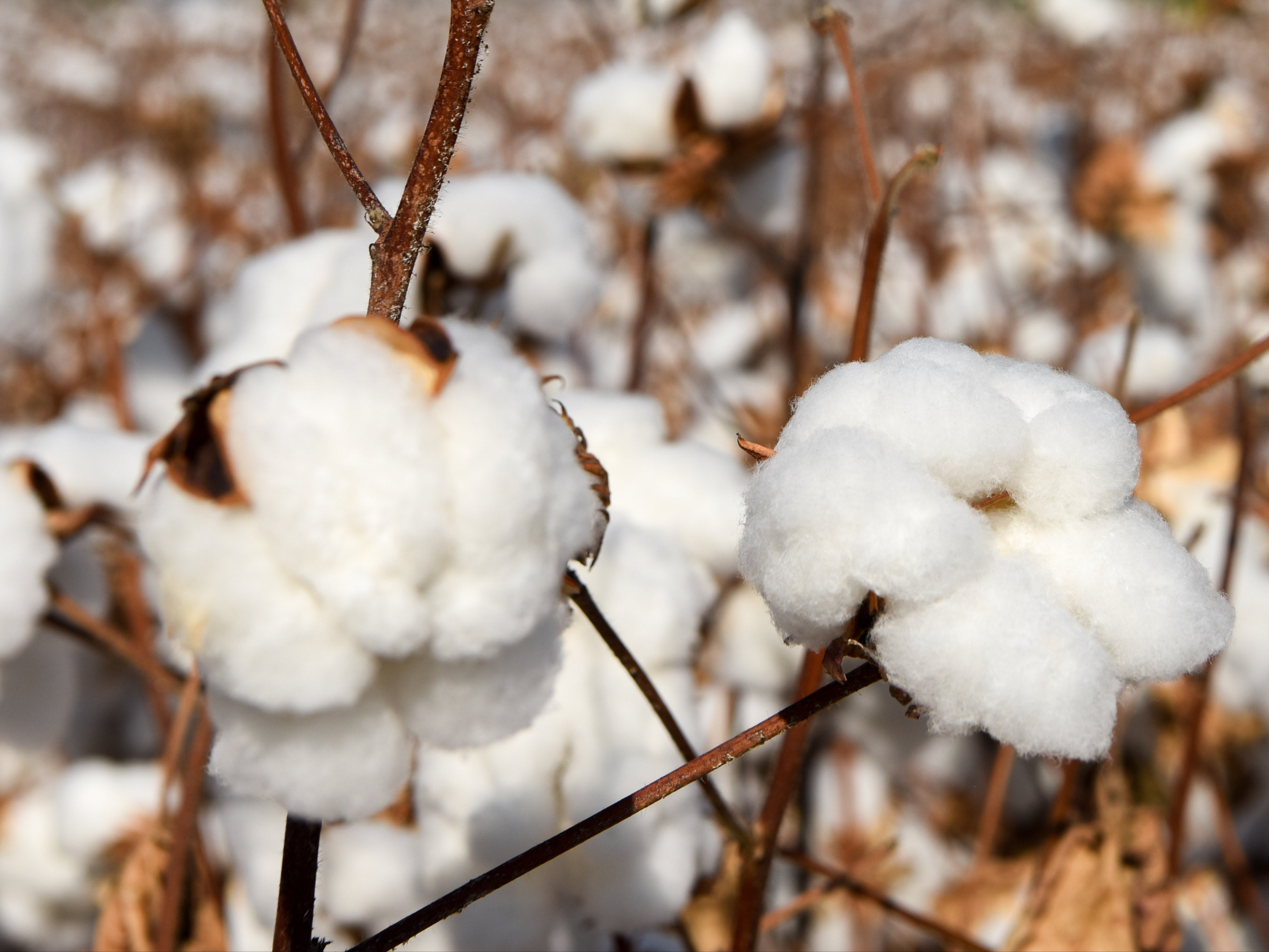
Evidence of weak supply chain due diligence can be found in the scandals that regularly crop up around imports consumed in the UK, whether that be solar panels and cotton cloth linked to allegations of slavery among the Uyghur minority in China, critical minerals extracted using child labour in the mines of the Democratic Republic of Congo, or animals fed with soy that is linked to the destruction of the Amazon Rainforest.
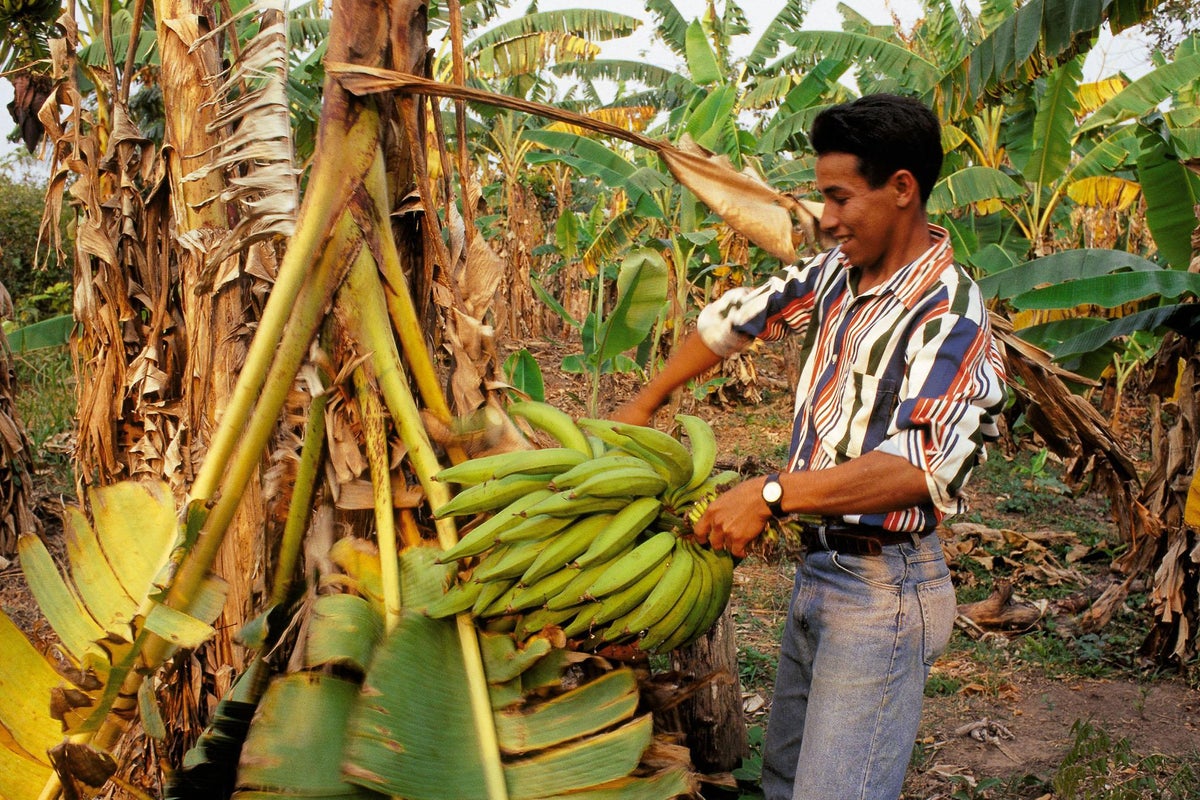
When it comes to building resilience to the climate crisis in our supply chains – something that government advisors the Climate Change Committee has repeatedly warned is being overlooked – The Independent has seen first hand how the climate crisis is devastating the small-scale farms that produce around one-third of the food that the world eats, including a big chunk of the tea, coffee, cacao, and tropical fruits that we eat in the UK.
Last year, we saw how smallholder tea farmers in Kenya – which is a country that provides around half of UK tea – are increasingly being buffeted by climate-driven extreme weather, in the form of droughts and dramatic hail storms that farmers had not previously encountered in the country’s highlands.
In the shadow of the Cop30 climate conference last year in Belem in Brazil, we also met a cacao farmer whose crop had been devastated by recent climate extremes, who spoke of how more climate adaptation finance could help her. In Ethiopia, meanwhile, we met pastoral communities who had for the first time settled down to farm in one place due to the severity of the climate extremes that had been facing.
Supply chain legislation ‘good for business’
Those arguing for comprehensive HREDD reform are keen to stress that shoring up supply chains is not only good for workers in the Global South, but will also bring big benefits to the companies themselves.
“HREDD legislation would be good for business because it will shore up supply chains against climate risks, and also help companies avoid future scandals related to their suppliers,” says Fairtrade’s Ostler.
Maria Cronin, a partner at London-based law firm Peters and Peters specialising in business crime, tells The Independent that a “robust” new framework on human‑rights and environmental due‑diligence would give UK companies a “coherent, global approach that would provide greater clarity, consistency, and legal certainty”.
“A mandatory due‑diligence regime would help level the playing field and provide companies with a defensible evidential basis for the actions they take to identify, prevent, and address supply‑chain risks,” she says.
Andrew Wallis, CEO of anti-slavery NGO Unseen, has also pointed out that as long as some companies are able to integrate slavery into their supply chain, then there is a risk that law-abiding UK companies will become uncompetitive.
“The UK currently imports approximately £20 billion worth of goods annually that carry significant risk of forced labour in their production,” he recently wrote. “Without enforceable standards, responsible UK businesses are systematically undercut by competitors willing to tolerate – or wilfully ignore – exploitation in their supply chains.”
While a large number of businesses and civil society groups are lobbying for ambitious HREDD regulation, there are also a large number of companies who are pushing for a weak outcome given the complexities and costs that it will bring to companies, according to Ostler. However, she disagrees with the view that HREDD would bring badly-timed, heavy costs for consumers during a cost of living crisis.
“Big companies can definitely afford to make the changes. They might need to change some of their purchasing strategies, and profit margins might change temporarily – but Global South communities should fundamentally not be seen as of secondary importance to a big multinational looking for business growth,” she says.
Equivalent legislation from the EU – which is somewhat ahead on the UK on shoring up supply chains – has also been shown to have only extremely marginal impacts on consumer costs, with the EU Deforestation Regulation only increasing company costs by 0.1 per cent according to one study, while the EU Corporate Sustainability Due Diligence Directive (CSDDD) is expected to have average compliance costs at approximately 0.13 per cent of companies’ annual shareholder payouts, the European Commission has found.
CSDDD – which is very similar to the HREDD legislation Fairtrade is calling for – is also only being targeted at companies with more than 5,000 employees, ensuring that smaller companies are not bogged down with red tape that they do not have the capacity to easily handle. The fact that the EU is ahead on supply chain due also increases the urgency of the need for the UK to reform its own framework, adds Ostler, so that it does not becoming a “dumping ground” for products that are no longer welcome in the EU.
Fairtrade and other civil society groups are pushing for comprehensive new legislation, but a number of other outcomes are possible, says Ostler, including a much less ambitious strengthening of existing policies. For now, it’s an anxious wait until late March, which is when the government has said its review should be complete.
In response to this article, a UK government spokesperson acknowledged that the review was continuing to take place as part of the Trade Strategy, and said that it is “committed to rooting out human rights abuses, forced labour and exploitative environmental practices from UK supply chains and we expect businesses to do everything in their power to prevent these too.”
This article was produced as part of The Independent’s Rethinking Global Aid project