


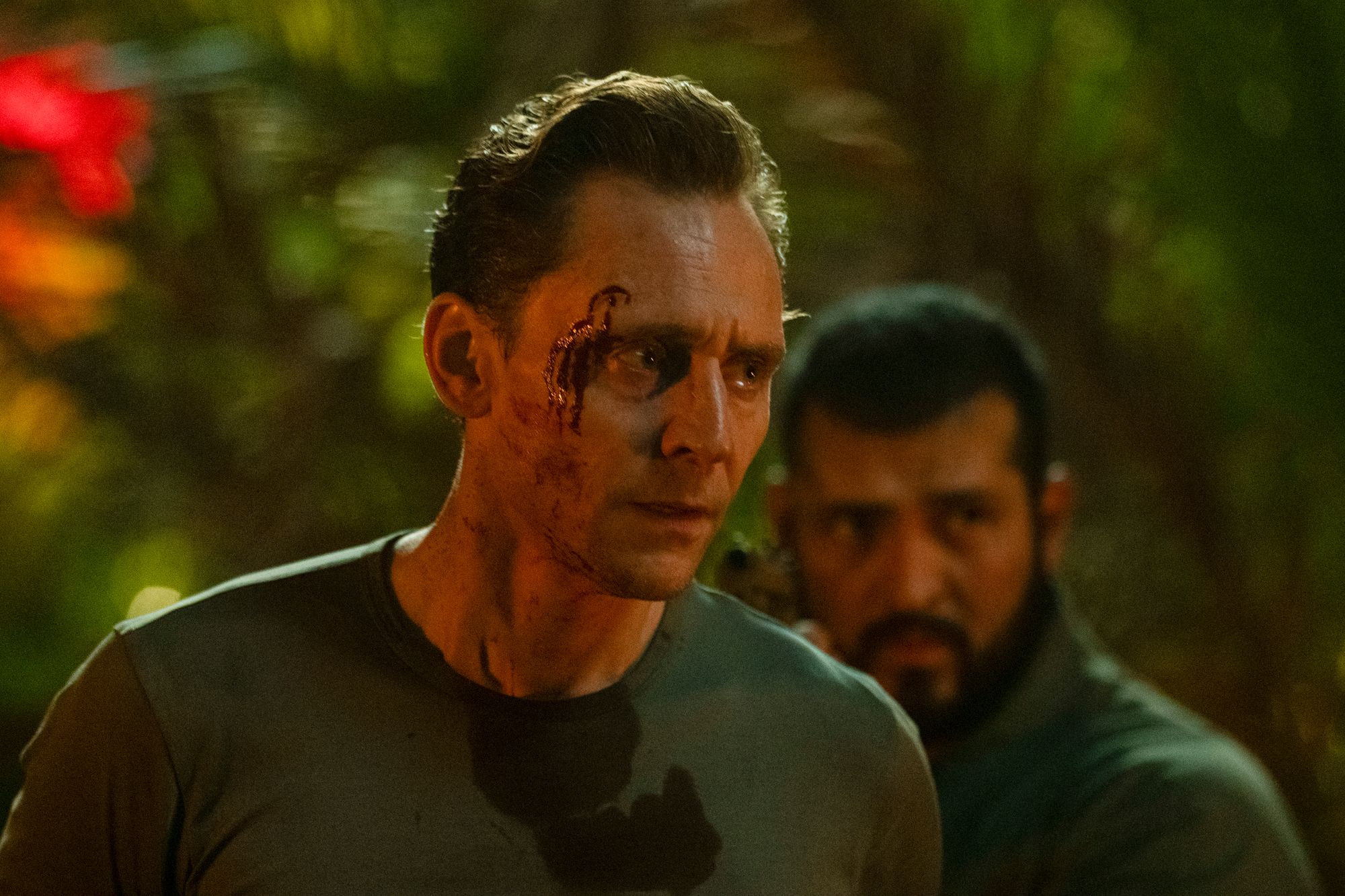
Has there been a more devastating TV finale? Not in recent memory, that’s for sure. The Night Manager’s second season grew in confidence and ambition with each episode, culminating in a Shakespearean finale that saved its most savage work for last. In six tragic minutes, it bumped off two, maybe three major characters like they were names on a ledger. Angela Burr – Olivia Colman’s dogged intelligence operative – gunned down at her home in France, her young daughter close by. Teddy Dos Santos – the illegitimate son (played by Diego Calva) we’d spent six episodes learning to love – executed by his own father with a bullet to the head. And Jonathan Pine, Tom Hiddleston’s haunted operative who’d been the fulcrum around which much of the BBC drama revolved, left bleeding out in the dirt while his enemies closed in. Richard Roper – the worst man in the world – got his freedom back. The bad guy won. Bleakly, bumptiously.
This was appointment viewing that refused to play it safe. No last-minute reversals, no heroic resurrections, no comforting restoration of moral order. “Those big decisions come quite early,” David Farr, the series’ screenwriter, tells me, all but admitting that he started with the ending first. “And in a weird way, you hook everything off that. I’ve got to earn that.” He certainly earned it. Moving away from John le Carré’s source material – upon which series one had been based – these six episodes may have stretched credulity at times but found a real frisson in the performances and the sheer daring of the story.
The good news, then, is that Farr is already writing series three, and promises it will arrive “somewhat quicker” than series two, which followed a nine-year gap. “There’s an exciting urgency behind what we’re doing now,” he explains, though he’s careful to add they won’t hurry too much. Some shows, desperate to capitalise on success, rush the next season into production, and the quality suffers, he suggests. Farr sees it as a “balancing act” between momentum and maintaining the highest standards.
All of which, of course, raises a big question: is Pine dead? After all, it wasn’t looking too promising for him. “I think we can say it’s ambiguous,” says Farr, laughing. Georgi Banks-Davies, the series two director, chimes in: “You can never trust The Night Manager,” she says with a knowing smile. And in an age when original IP is increasingly rare – when studios cling to established franchises like life rafts – the notion that they’d kill off their carefully nurtured Bond cultivar feels wholly implausible, unless Hiddleston is suddenly gripped by a calling to save indie theatre instead.
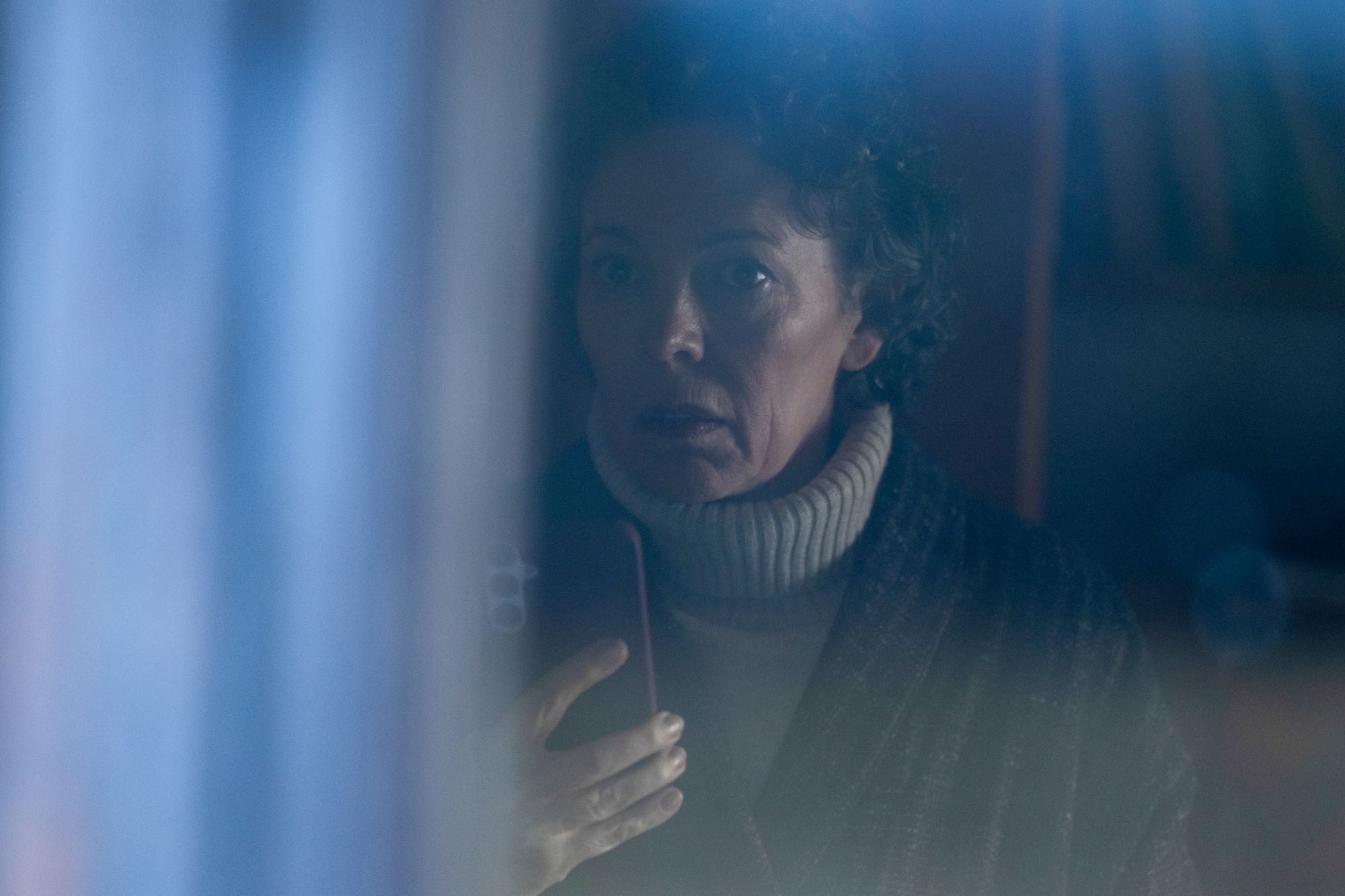
If Pine’s future is up in the air, there’s no doubting the fact that Angela Burr, the indefatigable thorn in Roper’s side, is no more. Burr may have had less to do this time round, pushed to the margins while Pine did the heavy lifting, but her death was still a seismic shock. “Olivia will always take the most creative, radical, bold choice as an actor,” Banks-Davies tells me. “She’ll always back that choice. But of course, it’s bittersweet, because she’s such a fundamental character in the show.”
Banks-Davies describes the cast as a family – “incredible people who’ve stuck together to tell this story”. So the loss of Colman is palpable. “It’s heartbreaking,” says Banks-Davies. “But I wouldn’t be surprised in season three if she just came for a coffee, because that’s what it’s like with us. The reason the relationships sing on screen is because they care about each other off it.”
Early in the season, Burr made a bad call in a Syrian refugee camp: she discovered Roper was alive but kept it from Pine, “overprotecting him”, as Banks-Davies describes it. Pine, unsurprisingly, tore into her for it at an airport, and from that moment the dynamic shifted. The last two episodes became her race towards redemption – even if it cost her everything. Banks-Davies sees it as a hero’s ending: “She faces the bull. She’s the bullfighter who will never run away, even when suddenly the bull’s holding an Uzi. She’ll be like, ‘Come on then. I know I can’t win this fight, but I’m still going to look you in the eye.’”
While Colman’s departure will leave a significant hole in the cast, Hugh Laurie is certainly going nowhere. His Roper is a masterclass in entitled menace, all drawling bonhomie concealing something rotten beneath. A diabolical arms dealer, he delivers threats about dismemberment with the same casual elegance he might display when discussing the wine list. It’s a performance of restraint: the charm never slips even as the cruelty intensifies. It’s not exactly a coincidence that, just as it was revealed that Roper was still alive and well, the series found its lustre.
Even by his standards, though, Roper wandered into dark territory this season. Banks-Davies describes him slowly descending into madness in his isolation. “He’s been through a really traumatic, horrendous experience,” she says. “He’s lost the things that gave him comfort and gave him status. Doesn’t have a beautiful home in Majorca. All of his belongings have gone. He lost his wife. He’s lost his son Danny. He’s in this prison in the middle of Colombia.” Roper, she suggests, is now a showman without an audience.

Watch Apple TV+ free for 7 day
New subscribers only. £9.99/mo. after free trial. Plan auto-renews until cancelled.
Try for free
ADVERTISEMENT. If you sign up to this service we will earn commission. This revenue helps to fund journalism across The Independent.
Watch Apple TV+ free for 7 day
New subscribers only. £9.99/mo. after free trial. Plan auto-renews until cancelled.
Try for free
ADVERTISEMENT. If you sign up to this service we will earn commission. This revenue helps to fund journalism across The Independent.
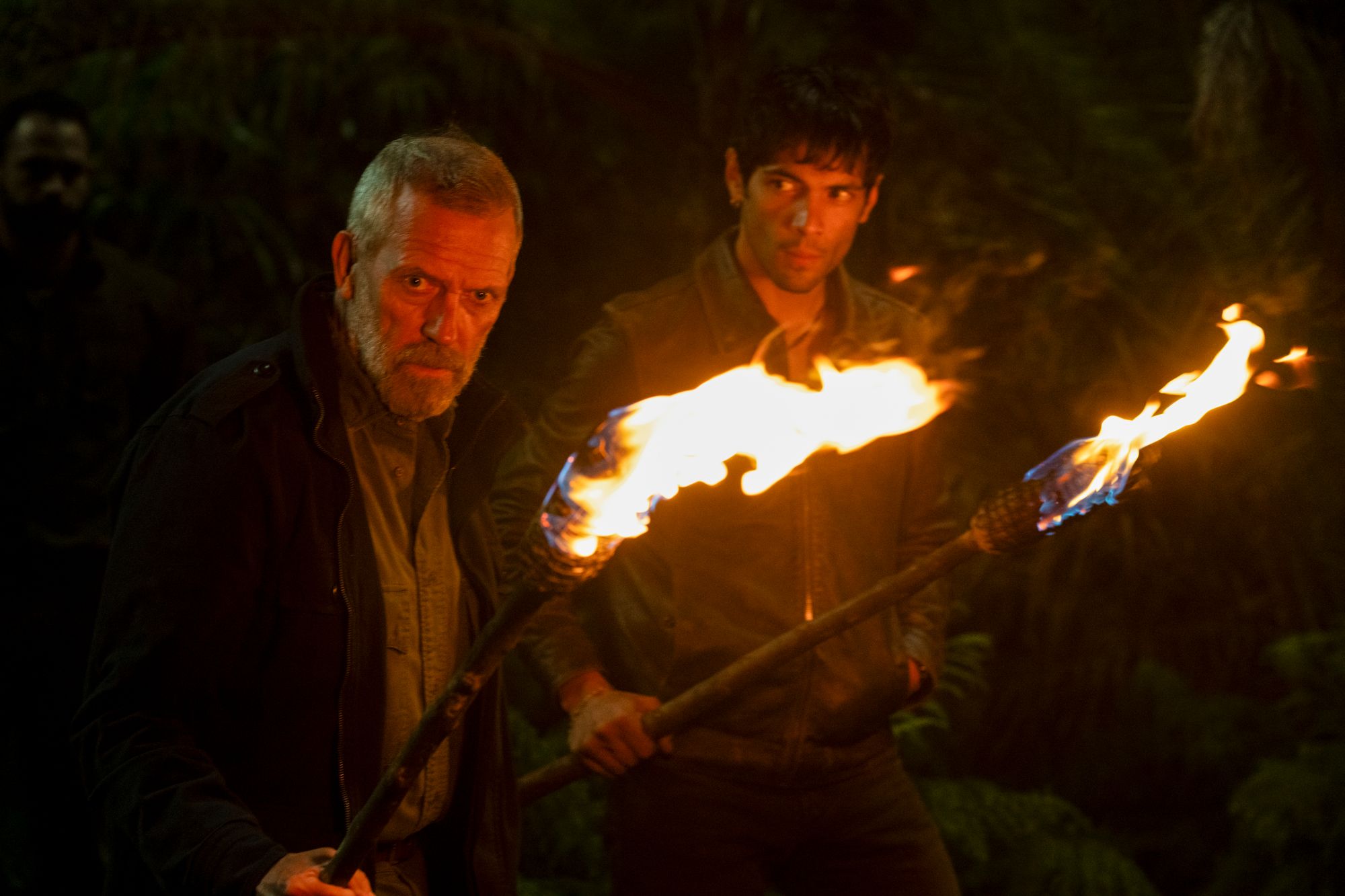
He’s on the ropes, though he’d never admit it. He needs those footholds back, that crowd, that sense of control. “That’s why you get a more desperate man who’s taking desperate measures. Ultimately, he will get his hands dirty.”
Yet what Laurie does, Farr observes, is maintain that deceptive surface. “He still manages, in a very English way, to skate on the surface and yet you know what’s going on. Even in all the things Georgi said – in another performance you’d see all that churning away – but somehow he does this thing which is just so economic and elegant.” You don’t get the desperation quickly, which means that when Roper commits terrible acts, it still shocks, he says. “Because the person who’s singing Gilbert and Sullivan or sipping a cocktail should not be able to do these things.”
On Laurie, “there’s no other actor that could play Richard Roper,” adds Banks-Davies. “He is so intelligent, so witty, so charming, so charismatic, and it makes the character someone you want to sit down next to at the party. You want to sit with the worst man in the world. That is so dangerous.”
I mention episode five’s restaurant encounter between Pine and Roper, which has unmistakeable shades of Al Pacino and Robert De Niro’s restaurant confrontation in Heat. It’s a scene that Hiddleston once recreated, impressions and all, on Graham Norton’s couch in front of fellow guest De Niro. The sequence is a homage, certainly, says Farr. Banks-Davies nods enthusiastically. “They like each other and they need each other,” she says. “What is the bad guy without the good guy? What good is a hero without an enemy? There’s such a wryness in both of them. There’s such a kind of hidden gun under the table, a half-smile. Who’s going to shoot first? Well, maybe let’s not, because I’d quite like to do this again.”
Of all season two’s myriad strands, woven together deftly by Farr and Banks-Davies, it’s the trajectory of Teddy that carries the most poignancy. Indeed, in their doomed love, Pine and Teddy provide the emotional ballast. Farr knew from the beginning that this time it would be about “the other son”. Not Danny, Roper’s golden boy from the first series, played by Noah Jupe. “Roper had gone to Colombia in the Nineties, which of course makes total sense at that time as a gun runner,” Farr explains. “And he fathers a kid with someone he falls in love with, or doesn’t fall in love with, and this boy has been brought up with these extraordinary fantasies of a strange English father and a possibility… and then he has lived this terrible life of terrible things he’s done. And I just knew that this was going to end in a tragedy.”
Calva, who earned a Golden Globe nomination for his breakthrough turn in Damien Chazelle’s Babylon, delivers a remarkable performance here, slowly scraping away that chic veneer to reveal such vulnerability. His Teddy is a hazel-eyed study in longing and belonging, a lost boy desperate for his father’s love but finding it elsewhere. Their chemistry was apparent from the first video audition. “I literally just sort of stood up and pushed my chair back and was applauding,” Banks-Davies recalls. “It was electric, even on Zoom.” Farr jumps in: “Diego got it so much, didn’t he? Every line, he just knew what was behind it. He just understood everything, where he came from. He’s very smart. And then he puts all his smartness away in a box and just acts in the moment, which is amazing.”
It’s a testament to Calva’s work that we root for a character whose crimes are laid out in brutal detail from the first episode, says Banks-Davies. “The cleverness of the performances and the writing is that you almost forget that by the end, because you’re in love with the boy.” Which makes what happens to him in the finale all the more gut-wrenching.
It’s their relationship, she notes, that unlocks what the series is actually exploring. “Pine and Teddy in another story, in another lifetime, can be together. They are the same. They’ve been through the same traumas. They’ve lost the same parents. It’s this idea that we’re forced apart, and what’s pushing us apart when we should recognise our shared humanity.
“I feel like it’s not about what makes us different,” she adds. “It’s about what brings us together.”