

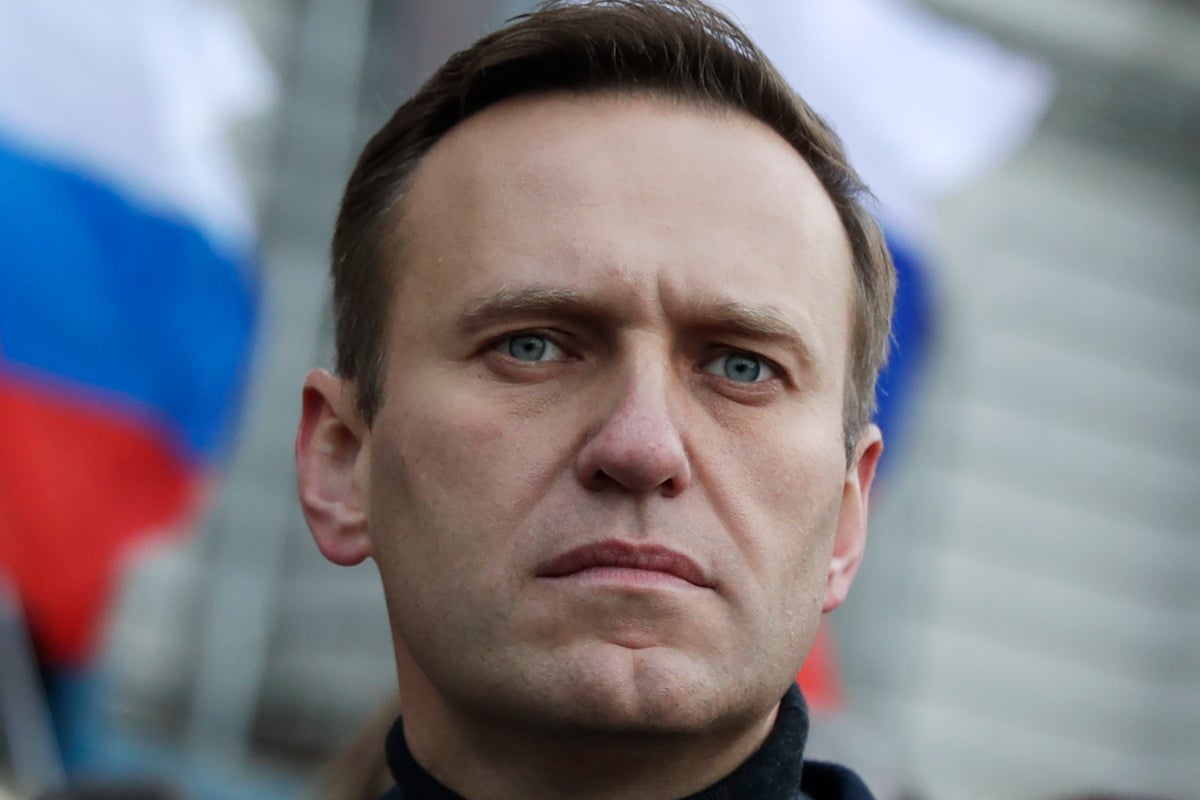
The late Kremlin critic Alexei Navalny was poisoned with a lethal toxin during his detention in a harsh Arctic penal colony two years ago, the UK and its European allies have concluded.
Analysis of samples conclusively confirmed the presence of Epibatidine, a toxin found in poison dart frogs in South America and not naturally found in Russia, according to a joint statement issued on Saturday.
Speaking at the Munich Security Conference over the weekend, British foreign secretary Yvette Cooper said all the available evidence pointed to Moscow, which insists it had no role in the opposition leader’s sudden demise in February 2024.
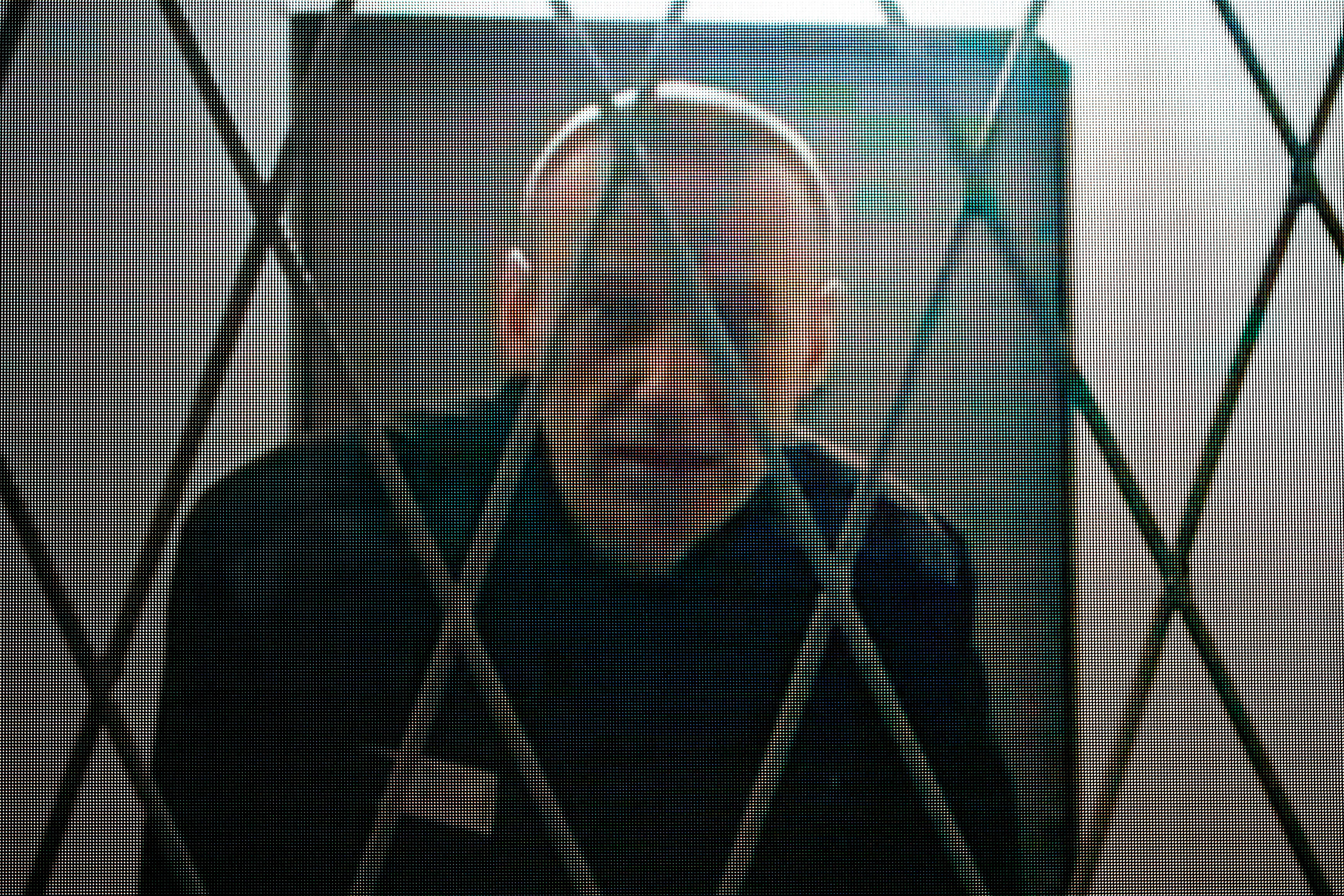
Navalny’s allies have long held Vladimir Putin responsible, scrutinising the secretive investigation in the days after his death and his previous poisoning with the nerve agent Novichok in 2020.
The 47 year-old was just one in a long line of Kremlin critics who have been jailed, silenced and met brutal ends over the years.
Assassination attempts against rivals have become common throughout Putin’s 25-year grip on power, ranging from unexplained plane crashes to mysterious falls from windows.
Below, we look at some of the high-profile deaths and mysterious incidents involving those who have defied the Russian leader over the years.
Alexander Litvinenko: Former KGB agent poisoned with radiation
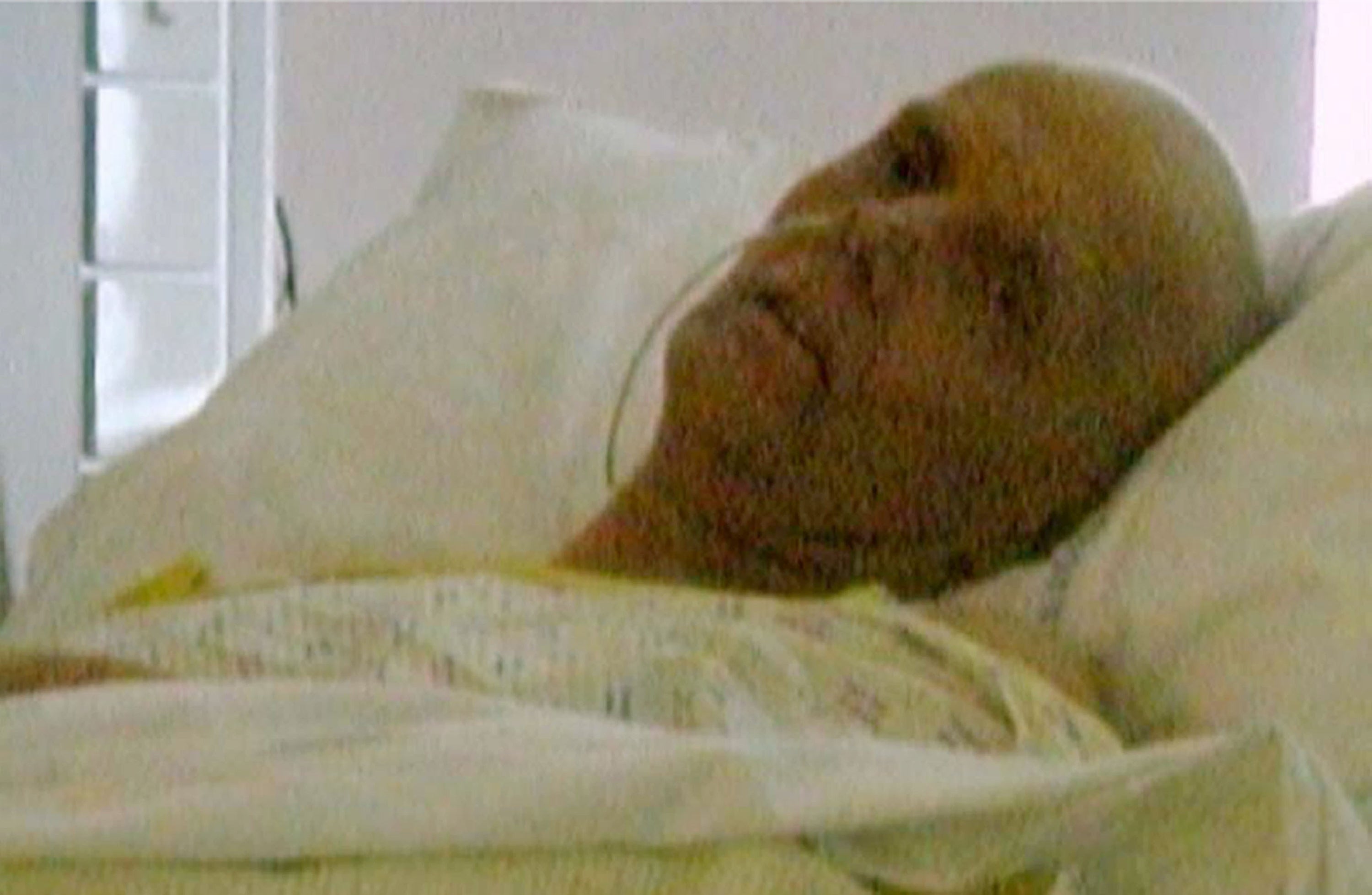
In 2006, Russian defector Alexander Litvinenko became violently ill in London after drinking tea laced with radioactive isotope polonium-210. Within weeks, he was dead.
Litvinenko – a former agent of the KGB and its successor – had attracted Putin’s ire after leaving Russia in 2000 and resettling in Britain to write.
Shortly before his death, he had been investigating the shooting of a Russian journalist and alleged links between the intelligence service and organised crime.
A British inquiry later found that Russian agents had killed Litvinenko. In 2021, the European Court of Human Rights ruled Russia was responsible for the murder by radiation poisoning. The Kremlin rejected the ruling as “groundless”.
“You may succeed in silencing one man but the howl of protest from around the world, Mr. Putin, will reverberate in your ears for the rest of your life,” he said, among his final words before his death that November.
Yevgeny Prigozhin: Killed in plane crash after leading mutiny
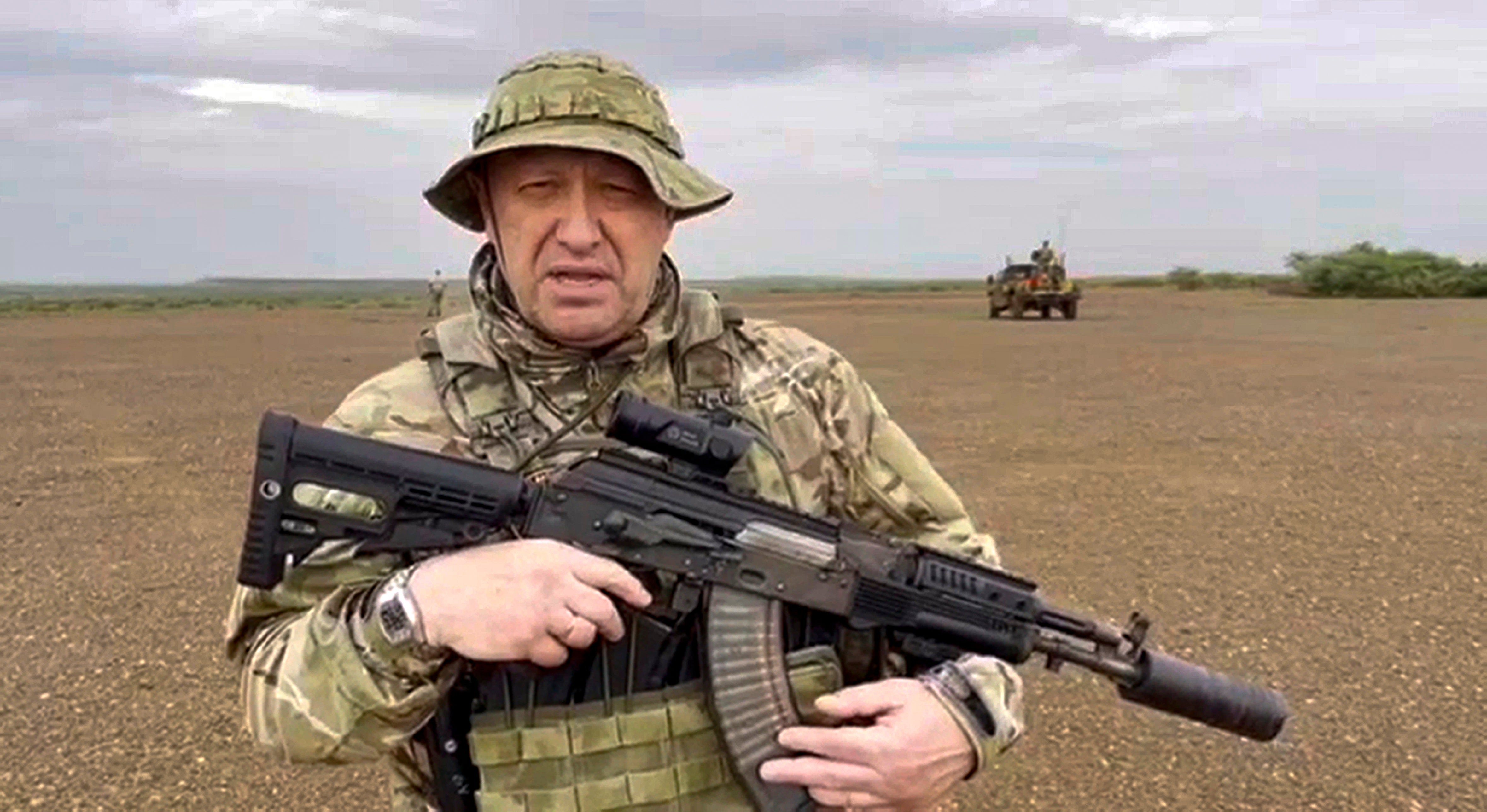
Yevgeny Prigozhin had an astonishing rise from Putin’s personal chef to head of the notorious Wagner Group private military company in Ukraine before dying suddenly after attempting an insurrection in 2023.
Prigozhin had been outspoken in his criticism of Russia’s defence ministry as his mercenary forces were hurled at frontline positions for Moscow’s gain.
The split culminated in a dramatic rebellion in June 2023, in which Wagner troops turned against Russian positions in a so-called “march for justice” against the government.
The mutiny promptly came to an end 125 miles south of Moscow, and Prigozhin arranged a deal with Belarus to retreat into exile. But exactly two months after the rebellion, Prighozin and nine other people were killed when a business jet crashed north of Moscow.
The Kremlin denied any involvement in the downing of the aircraft and claimed hand grenades could have been let off by drunk passengers.
Sergei Skripal: Ex-Russian agent poisoned in Salisbury after working for Britain
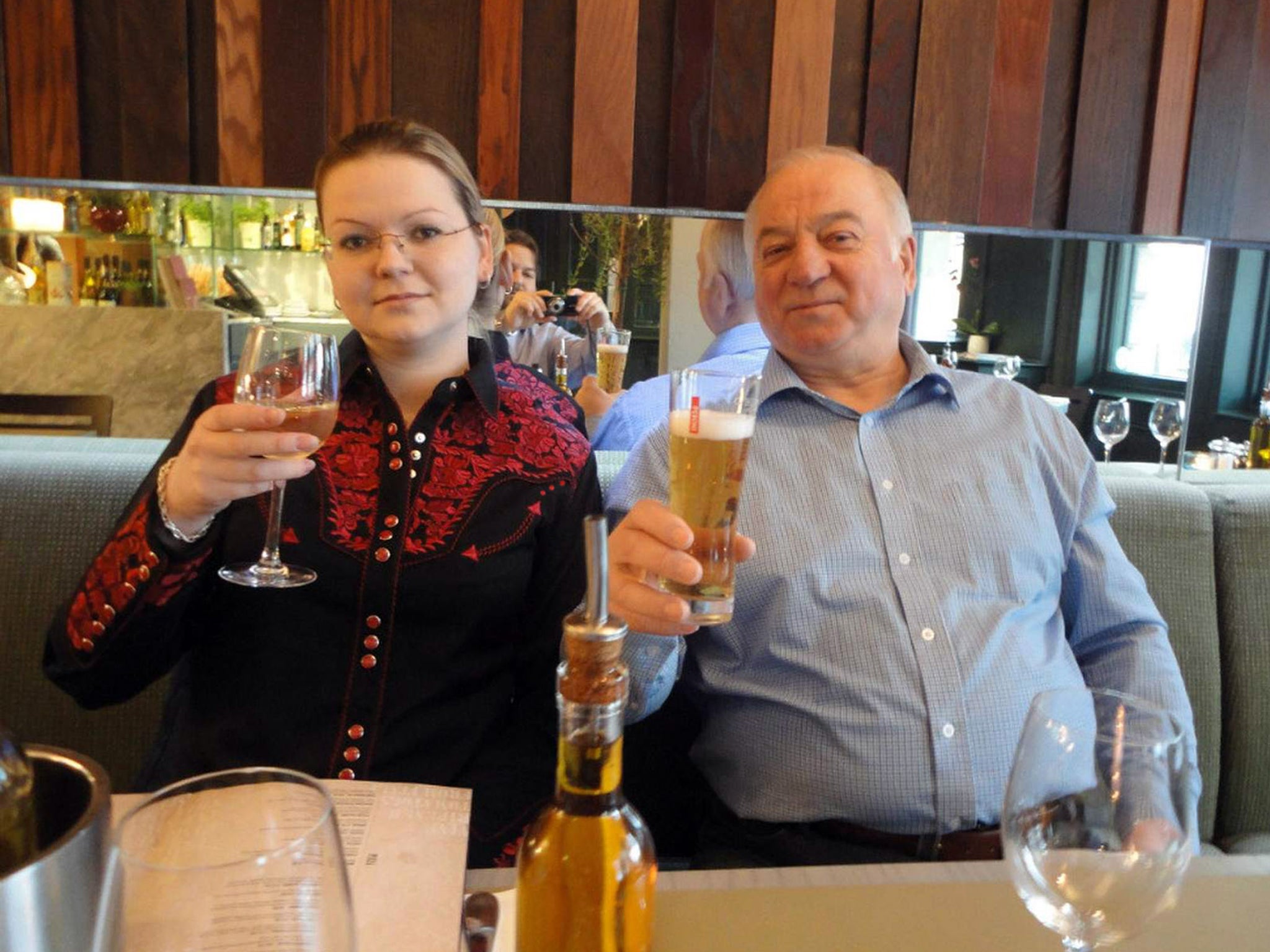
Once a high-ranking Russian spy, Sergei Skripal was poisoned in Salisbury in 2018 after working for Britain.
Skripal and his daughter Yulia fell ill and spent weeks in critical condition after being poisoned with Novichok on British soil, according to the authorities. The pair ultimately survived the attack.
The Kremlin denied that Russia was in any way involved in the poisoning, describing British accusations that an attack had been approved by senior Russian officials as “unacceptable”.
However, researchers identified two alleged Russian military intelligence agents who were accused of carrying out the attempted assassination.
The pair subsequently appeared on Russian TV in an awkward interview in which they claimed to have been visiting Salisbury Cathedral.
Ravil Maganov: Fell from window after criticising Ukraine war
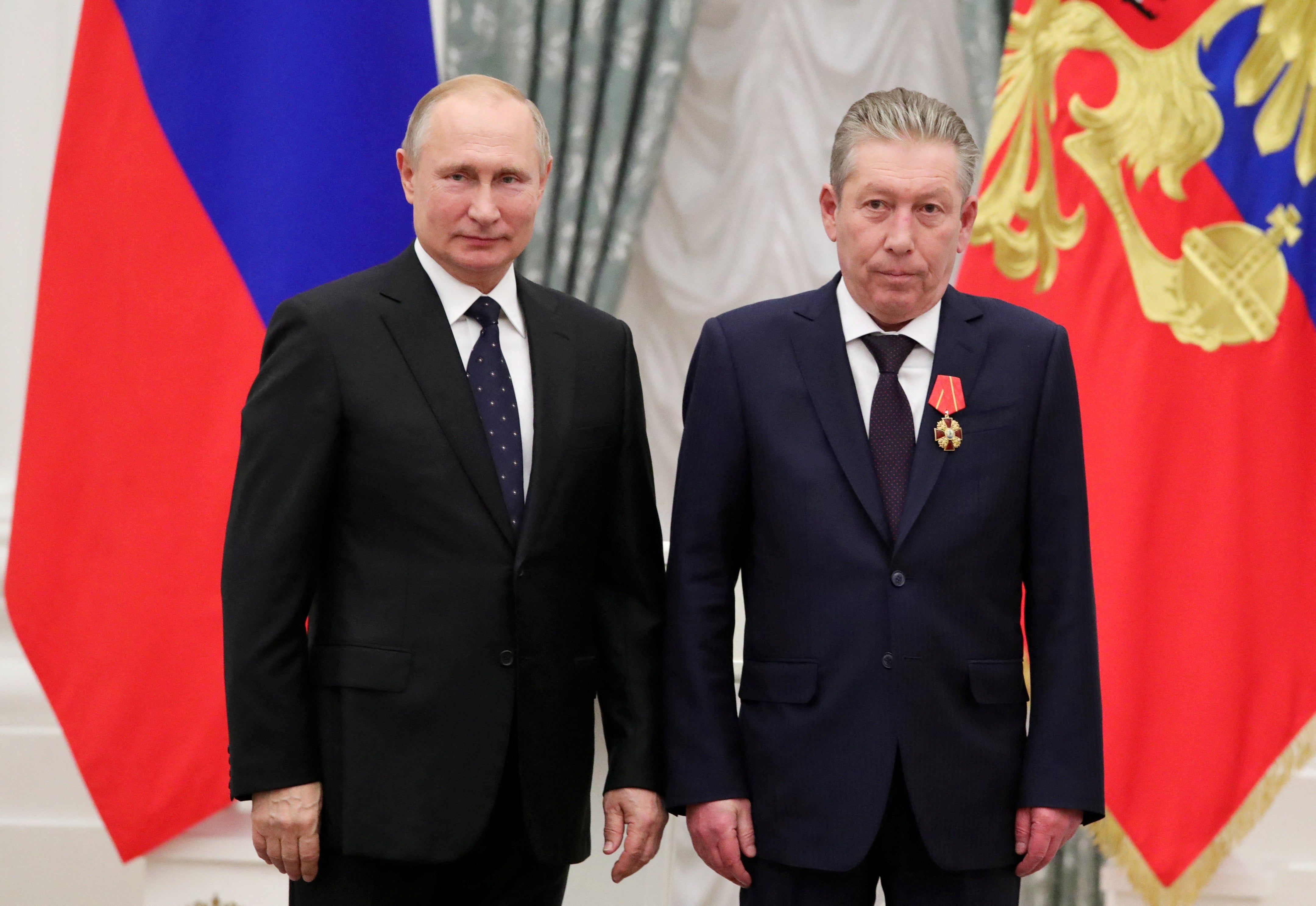
Ravil Maganov, the chairman of the board of Russia’s second largest oil producer Lukoil, met his end six months after he openly criticised the war in Ukraine.
In a statement in March 2022, the board called for the “soonest termination of the armed conflict” and expressed “sincere empathy for all victims”.
It added: “We strongly support a lasting ceasefire and a settlement of problems through serious negotiations and diplomacy.”
In September that year, 67-year-old, Maganov died after apparently falling from a sixth-floor window at the Central Clinical Hospital in Moscow.
Russian state news agency Tass claimed his death was a suicide.
Boris Nemtsov: Former governor shot dead on a bridge in front of his girlfriend
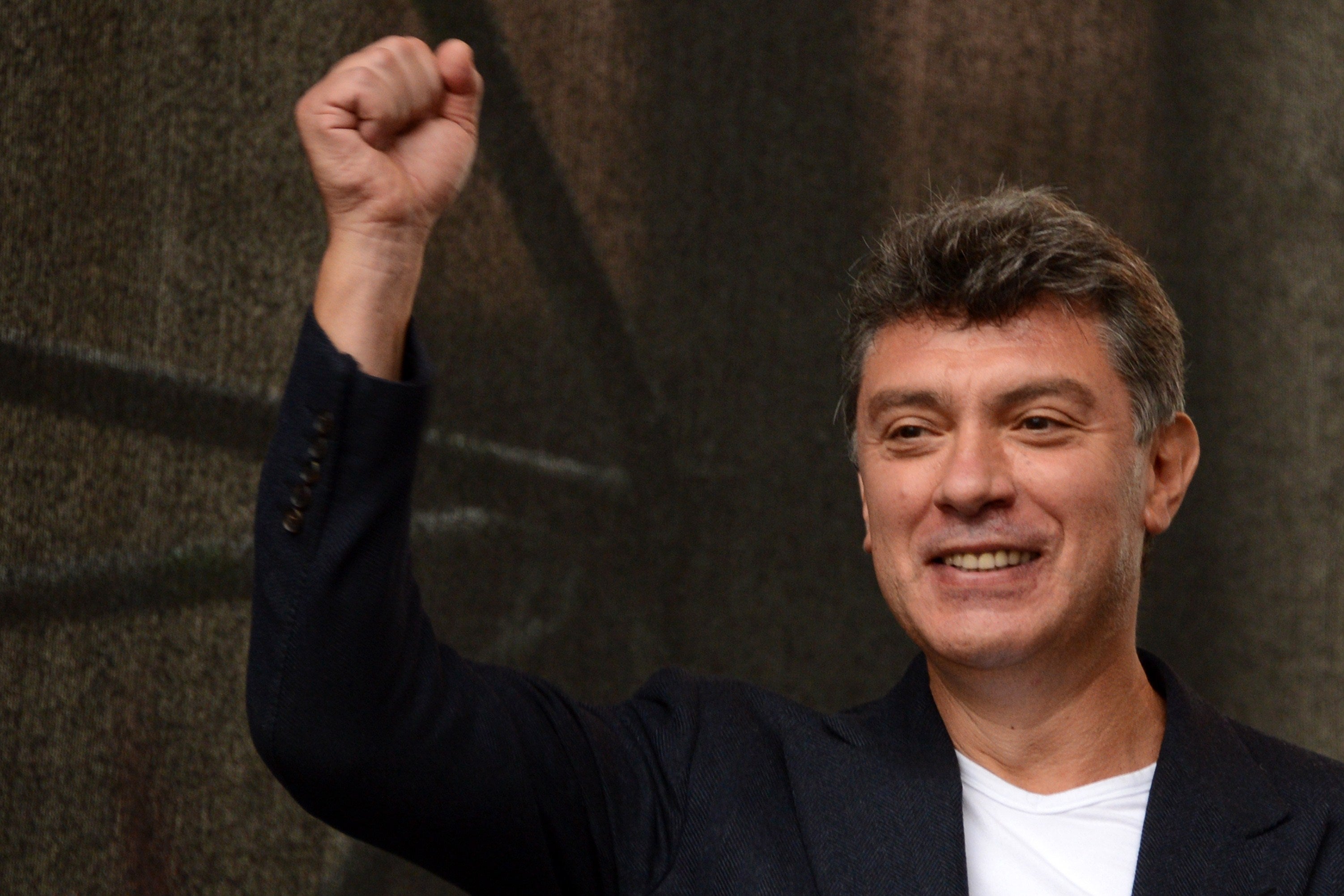
The former governor of Nizhny Novgorod Oblast and deputy prime minister under Russia’s first President Boris Yeltsin was gunned down on 27 February 2015.
He was shot four times in the back on a bridge close to the Kremlin in Moscow beside his Ukrainian partner Anna Durytska.
Only hours before, Nemtsov had spoken publicly against Russia’s war in Ukraine. It had then been a year since Russia’s annexation of Crimea. When he was killed, he was helping to set up a rally against the Russian military incursion.
Five men from the Russian region of Chechnya were convicted over his killing. His allies said it was an attempt to shift the blame from the government.
Anna Politkovskaya: Journalist killed at home on Putin’s birthday
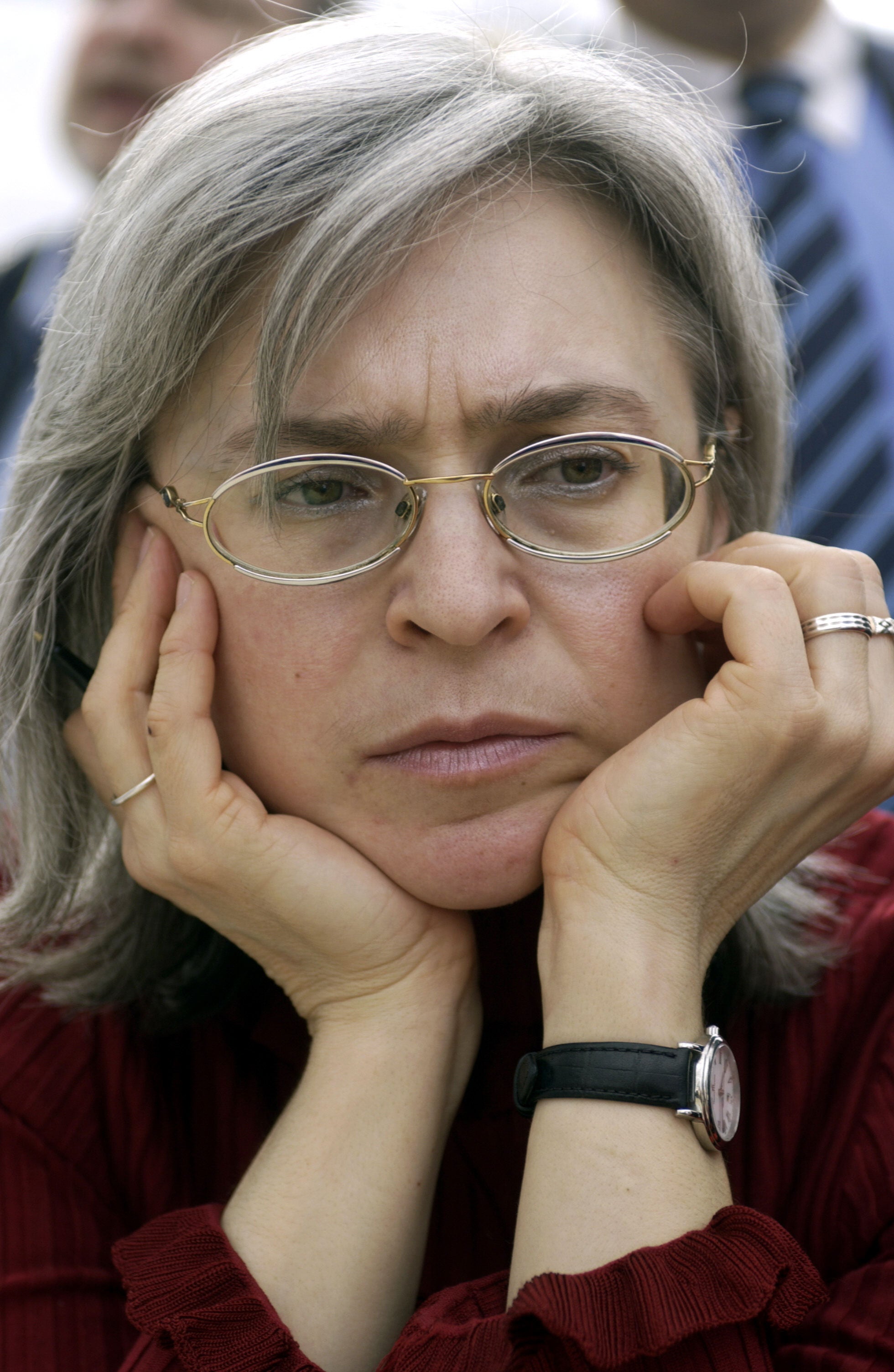
The New York City-born Russian journalist and human rights activist Anna Politkovskaya was killed in the elevator of her apartment building on 7 October 2006 – Putin’s birthday – at the age of 48.
She had gained widespread acclaim for her reporting on the Second Chechen War, which lasted between 1999 and 2005.
The killing garnered international attention and it wasn’t until June 2014 that five men were sentenced for the killing, but it remains unclear who ordered the murder.
Putin said after her death that her reporting work was “extremely insignificant for political life in Russia” and that her murder led to “far greater injuries and damage than her publications”.
Sergei Magnitsky: Whistleblower died in prison days before release
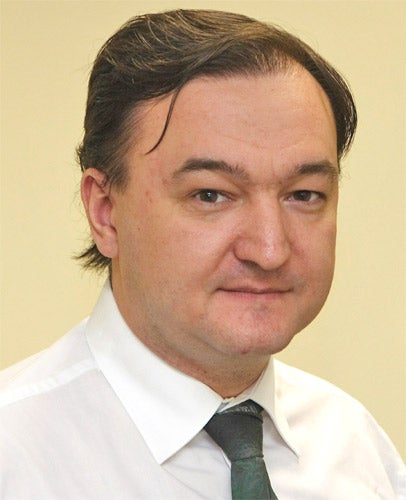
Sergei Magnitsky, a Russian tax adviser who exposed corruption, was detained without a trial and died in prison just seven days before he was set to be released under the law that suspects can be only be held for a year behind bars without trial.
At the age of 37, he died after 358 days in prison, where he was denied medical care and he was later found to have been assaulted shortly before dying.
He revealed corruption and misconduct by government officials during his work for a client – Hermitage Capital Management. He was arrested in 2008 and died on 16 November 2009.
His death led to investigations into theft, fraud, and violations of human rights. The tax adviser alleged that large sums of money were stolen from the state by officials.
American-born British financier Bill Browder, the co-founder of Hermitage, was expelled from Russia in 2005.
After Magnitsky’s death, he successfully lobbied for a number of governments to pass the Magnitsky Act, which punishes Russian human rights violators. President Barack Obama signed the US version into law in 2012.
Boris Berezovsky: Oligarch found dead after evading Russian probe
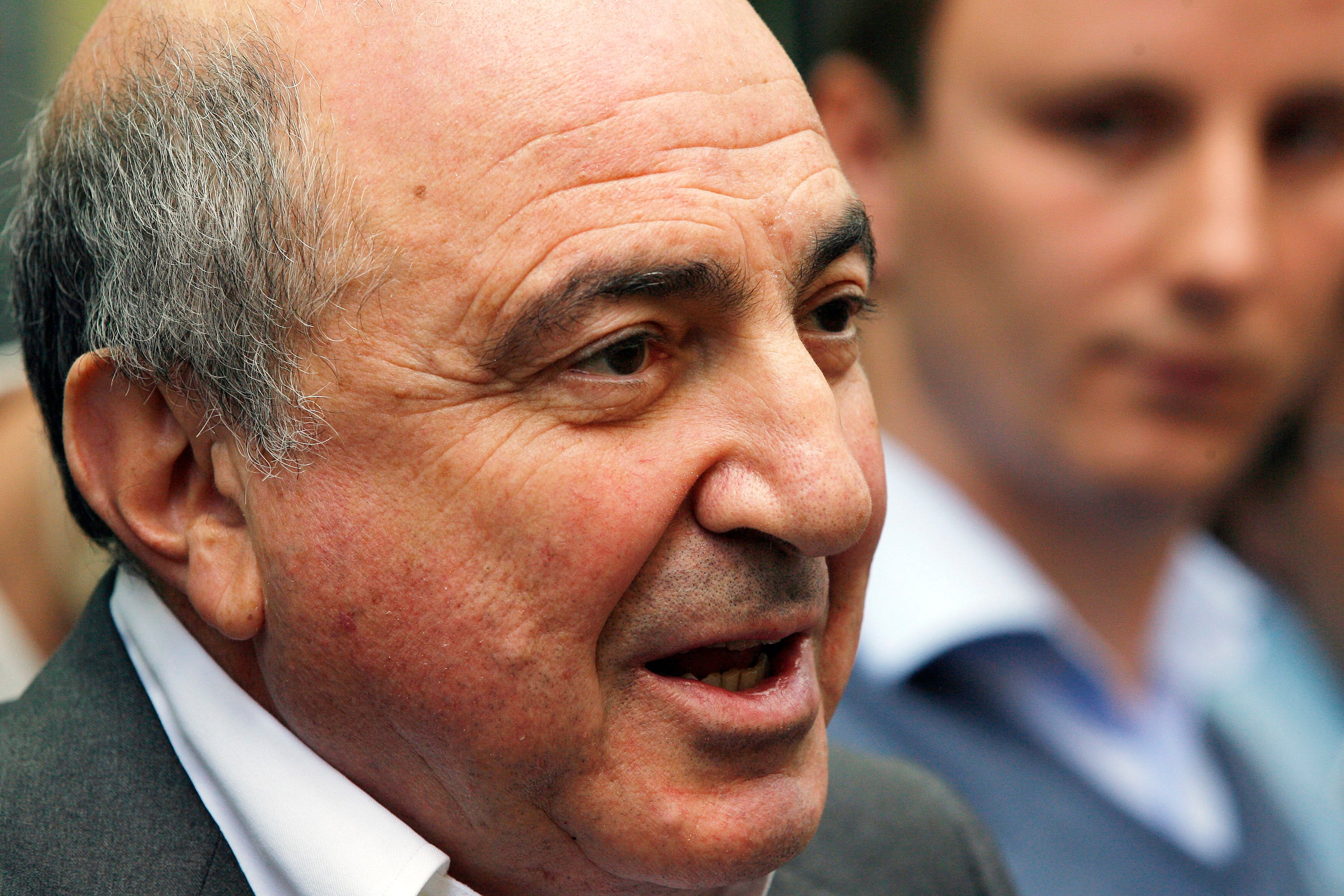
Businessman, oligarch and government official turned Putin-critic Boris Berezovsky was found dead in the UK on 23 March, 2013.
While his death was initially deemed to have been a suicide by hanging as there was no evidence of a violent struggle, a coroner subsequently recorded an open verdict.
Berezovsky – a friend of Litvinenko – became a very wealthy man when he gained control of Channel One, the main Russian TV channel. In 1997 he was estimated to be worth $3bn.
He had help fund the Russian political party Unity to get Putin elected and was elected to the State Duma himself in 1999 as a loyalist. But he became a Putin critic after the 2000 election and ended up leaving Russia for the UK.
In 2003 he was arrested by British police on Russian charges which alleged large scale fraud. But he managed to fight off an extradition request and was granted political asylum.
He was subsequently convicted by the Russian courts in absentia for alleged embezzlement of £4.3m from the airline Aeroflot. He said of the proceedings: “This was not a trial but pure farce.”