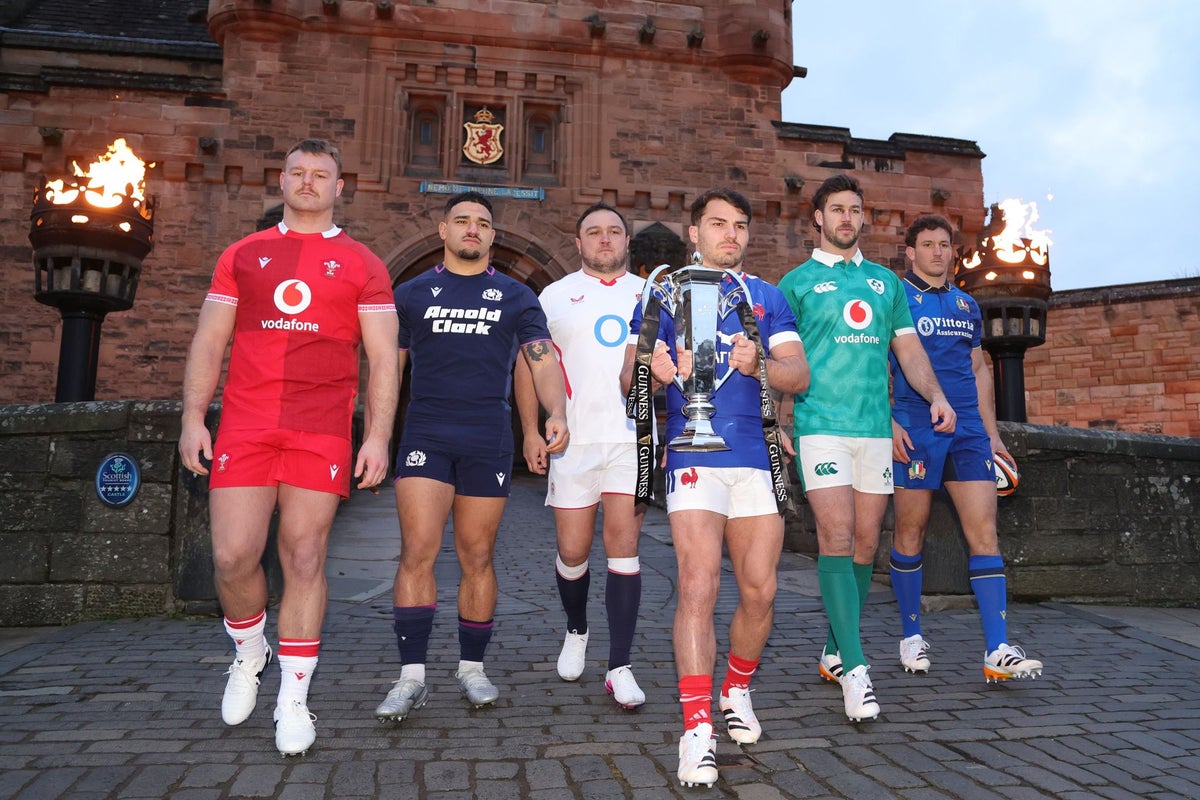
To Paris, to set the table for rugby union’s immoveable feast. 2026 is a year of change for the men’s international game with the introduction of the new Nations Championship and “Rugby’s Greatest Rivalry” series reshaping a long-established calendar, but the Six Nations’ place of permanence in the schedule remains. It is 26 years now since Italy’s arrival marked the last significant alteration to an annual championship quite unlike any other; in these times of tinkering to all but a select few sporting properties, that calls for radical overhauls have rather fallen silent speak to this tournament’s evergreen quality.
Springing perennially out of the gloom, another fine crop of contenders poke their heads out of the winter flowerbed. This is a campaign bookended by Paris rendezvous primed to be pivotal in the overall reckoning, defending champions France opening against Ireland and closing against England – while Scotland, Italy and Wales will have their say, either could be a potential grand slam decider. “We know the last seven Six Nations Championships have gone down to the last round of fixtures,” said Steve Borthwick, the England head coach. “We want England fans flooding across the Channel to Paris to come and watch the team in a massive encounter on the final round with the opportunity to achieve what we want.”
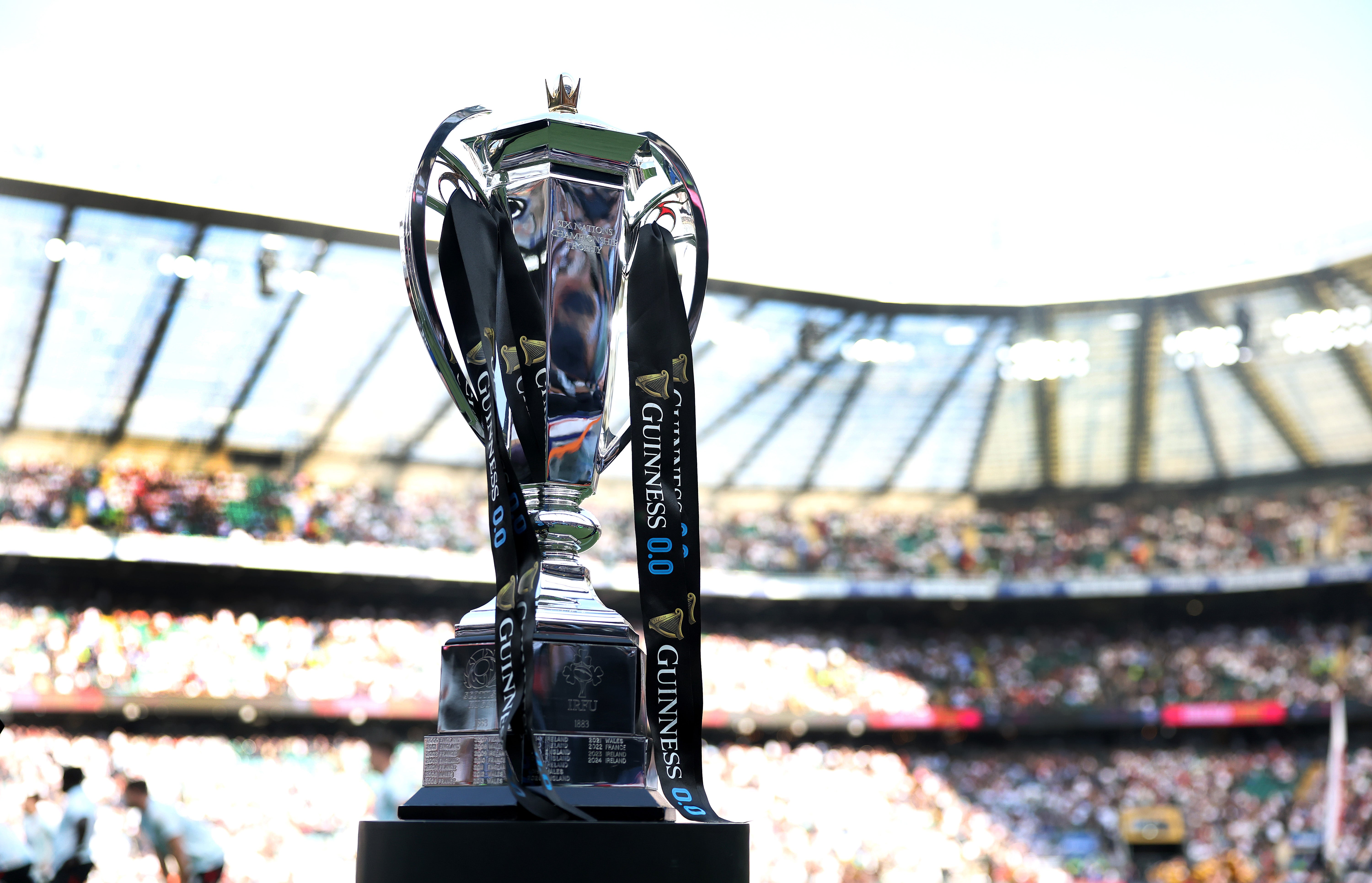
While the competition is a constant, there is a sense of slight uncertainty in some camps about one minor alteration which could have an out-sized impact on this campaign. It may have passed all but the most ardent of Six Nations followers by, but the duration of the tournament is reduced slightly from seven weekends to six with the removal of the first so-called fallow week. The bearings could be significant; while it will lend this edition far greater flow with an opening block of three rounds followed by a two-week finale, opportunity to rest and recharge – or shift strategy, as England managed in York in 2024 – will be limited.
The assumed wisdom is that this will suit sides who have more successfully developed depth. For the home unions, a British and Irish Lions summer was useful in that regard, although history shows that it is often France who benefit most in the year that follows the quadrennial tour. Excepting 2014 and 2018, when French contendership seemed distant, Les Bleus have triumphed in each and every edition to follow a Lions trip in the professional age, including four grand slams.

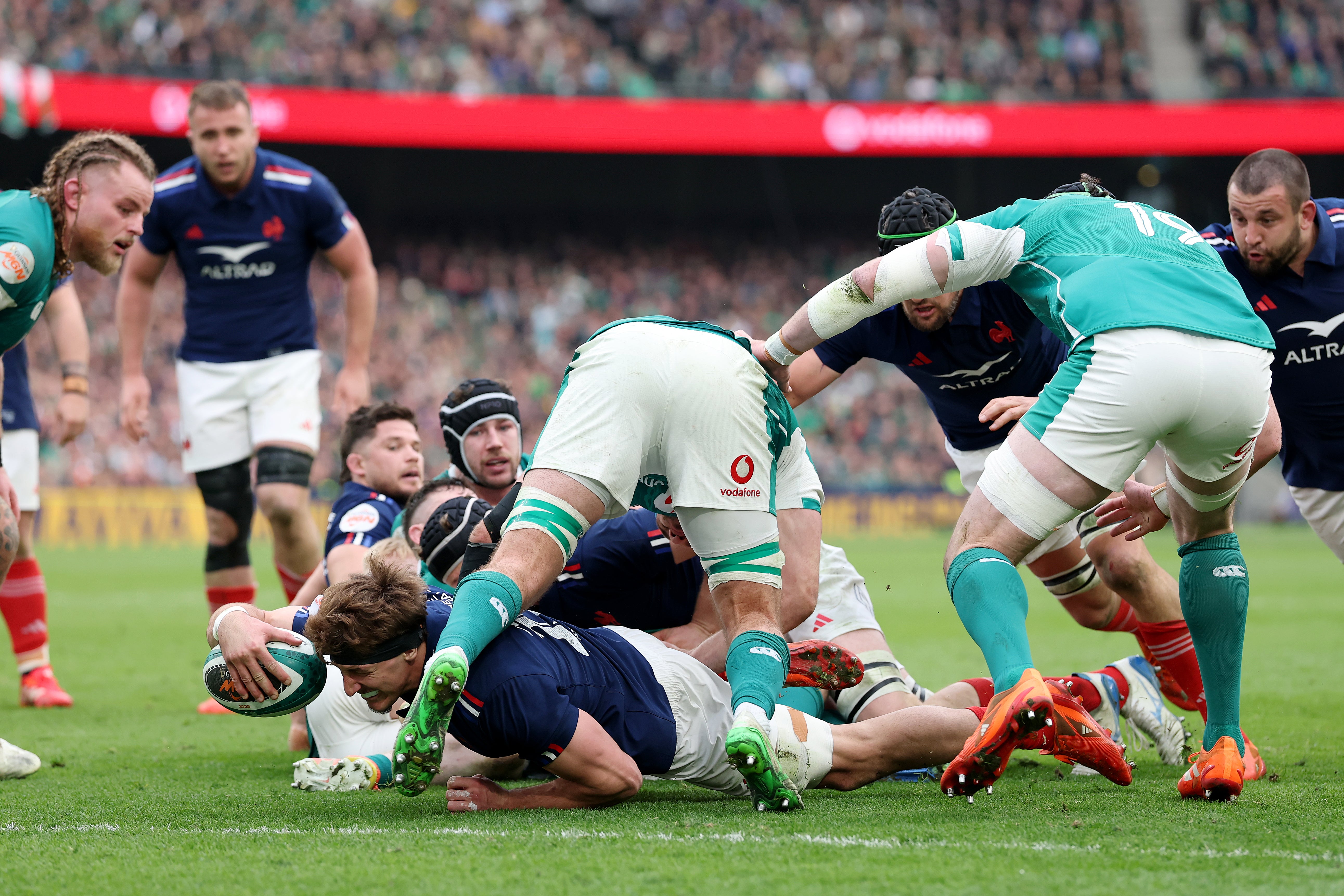
What chances of the trend continuing? Good, one would have to say. Not only do Fabien Galthie’s side welcome Ireland and England to their Saint-Denis discotheque, but the competitiveness and ruthlessness sometimes lacking in French performances has been underlined by a squad cull of senior figures. A Galthie gamble that might backfire? Perhaps, but any group that can say thanks but no thanks to Damian Penaud and Gregory Alldritt particularly is not lacking in talent, especially when led by a returning Antoine Dupont.
Injury luck may feel of real importance to all nations, and Ireland have already felt its unwelcome bite. It may provide opportunity for a necessary regeneration of a group, and a necessary look beyond the Leinster conveyor belt with Ulster on the up, but a side that has shone amid adversity before may have to do so again. There are some who feel Andy Farrell’s methods have perhaps been hit by the next phase of rugby’s tactical evolution; anyone to have spent any time with the code-hopper will know that a shrewd schemer will surely have an idea or two up his sleeve.
Those shifts in the doctrine of Test rugby appear to have been best adapted to by an English side undoubtedly on the up. One can scoff at a series of successes that has so far come without a truly signature away scalp but a run of 11 consecutive victories leaves a group of growing confidence strutting into a Six Nations where they promise much. The weight of expectation appears to rest more easily on their shoulders than on those of some England sides of the past – but pitfall traps lie at every step, not least in Edinburgh in round two, a place of unhappy memories of the recent past for Borthwick and his side.
It still feels like the Scots are the likeliest to straddle the gap between contenders and pretenders, although even their most patient of supporters are frustrated at a tendency to be more latter than former. Glasgow’s success in the United Rugby Championship and Champions Cup may be both a blessing and a curse for Gregor Townsend, underlining the quality of both cattle and coaching across the country.
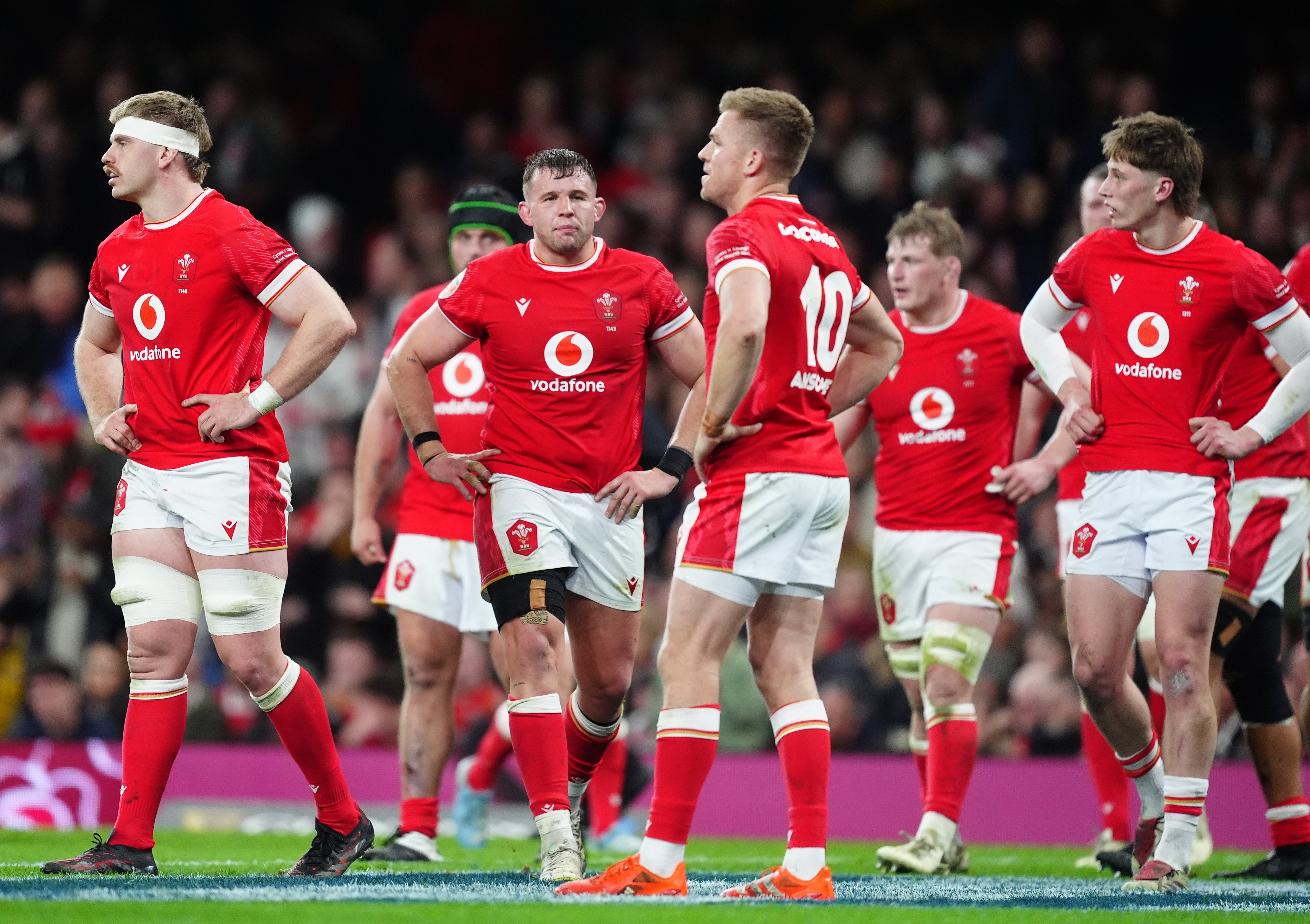
The portions may be more meagre for Italy and Wales, perhaps again scrapping over cutlery. The Azzurri’s upward curve may be checked somewhat by a squad shorn of a few injury absentees, while Welsh rugby again appears mired in a mess of its own making amid yet more off-field uncertainty. One can hardly recall a time where a trip to Cardiff failed to stir the soul – we are almost at that juncture.
Still, there is not a nation in this tournament that has not known peaks and troughs; there is a cultivated sense of kinship and camaraderie. For the Six Nations has always been a tournament as much about friends as foes, familial links across the generations.
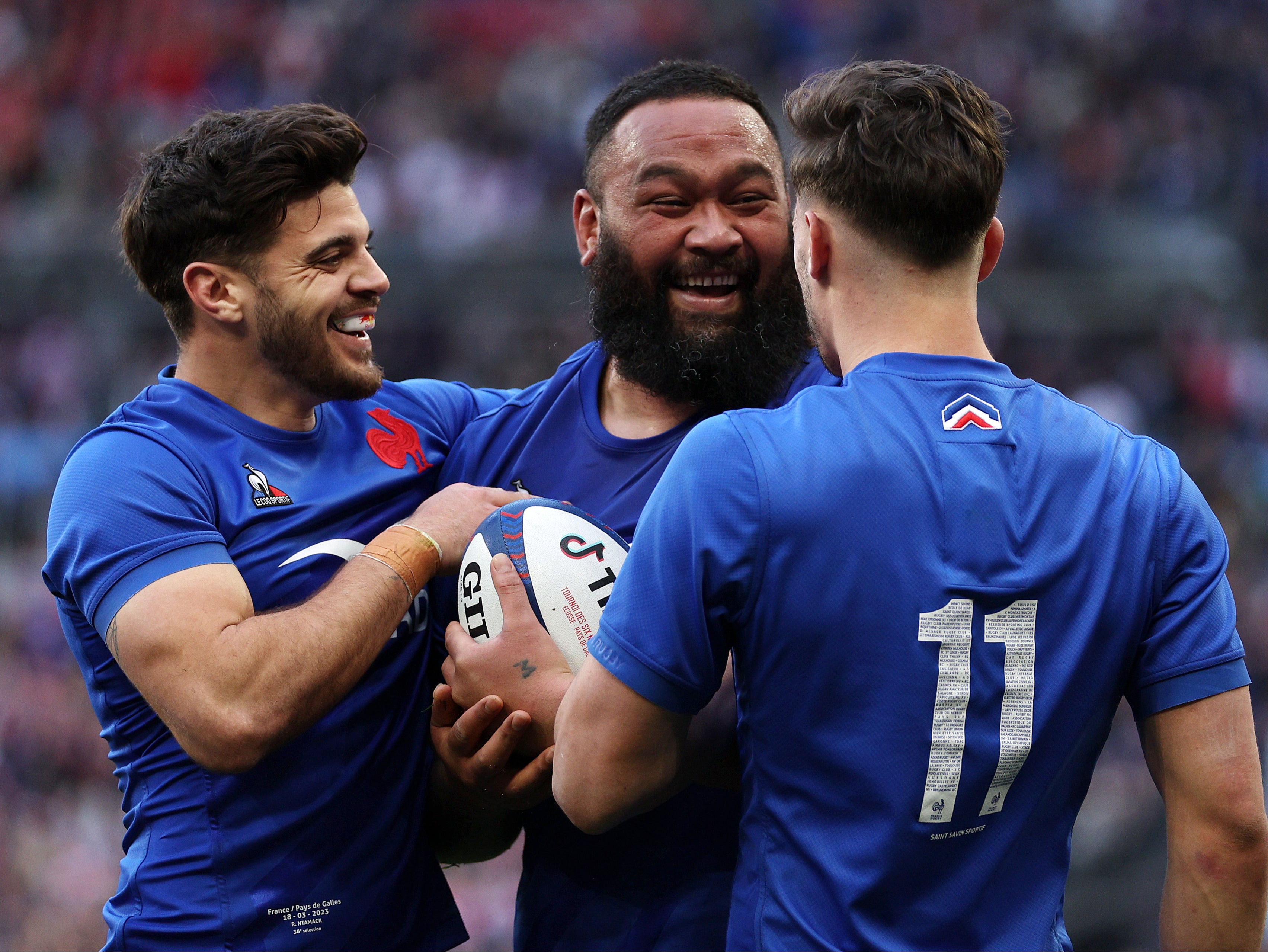
On that front, a final thought to France prop Uini Atonio, recovering in hospital after a heart attack cut his career short. A larger-than-life character with a sideline in Shakespeare, the New Zealand-born tighthead became beloved in La Rochelle, broad of shoulders as well as smile.
“The image of Uini that we have is of someone who never gave up,” France coach Galthie said of an absent friend ahead of the opener. “He was someone who showed the way through his behaviour, always with a smile and talent.” A message for us all as we say bon appetit again.