
If the actual Premier League table has a pleasing look for Manchester United, a variant of it is still more striking. Take a start date of 13 January and it shows them top, with 16 points from six games; two more than Chelsea, six better than Liverpool and eight better than Aston Villa, their nearest neighbours in the overall standings. Arsenal and Manchester City have both beaten in that time, which is because they lost to United.
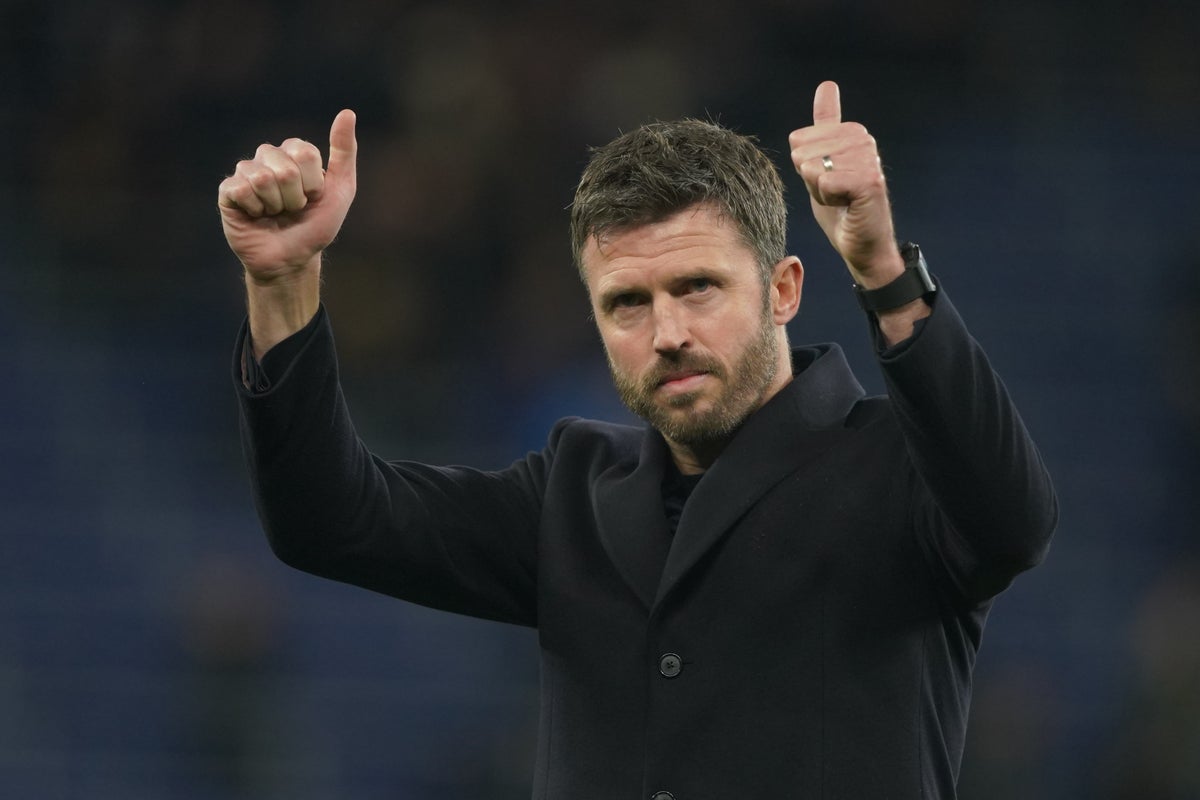
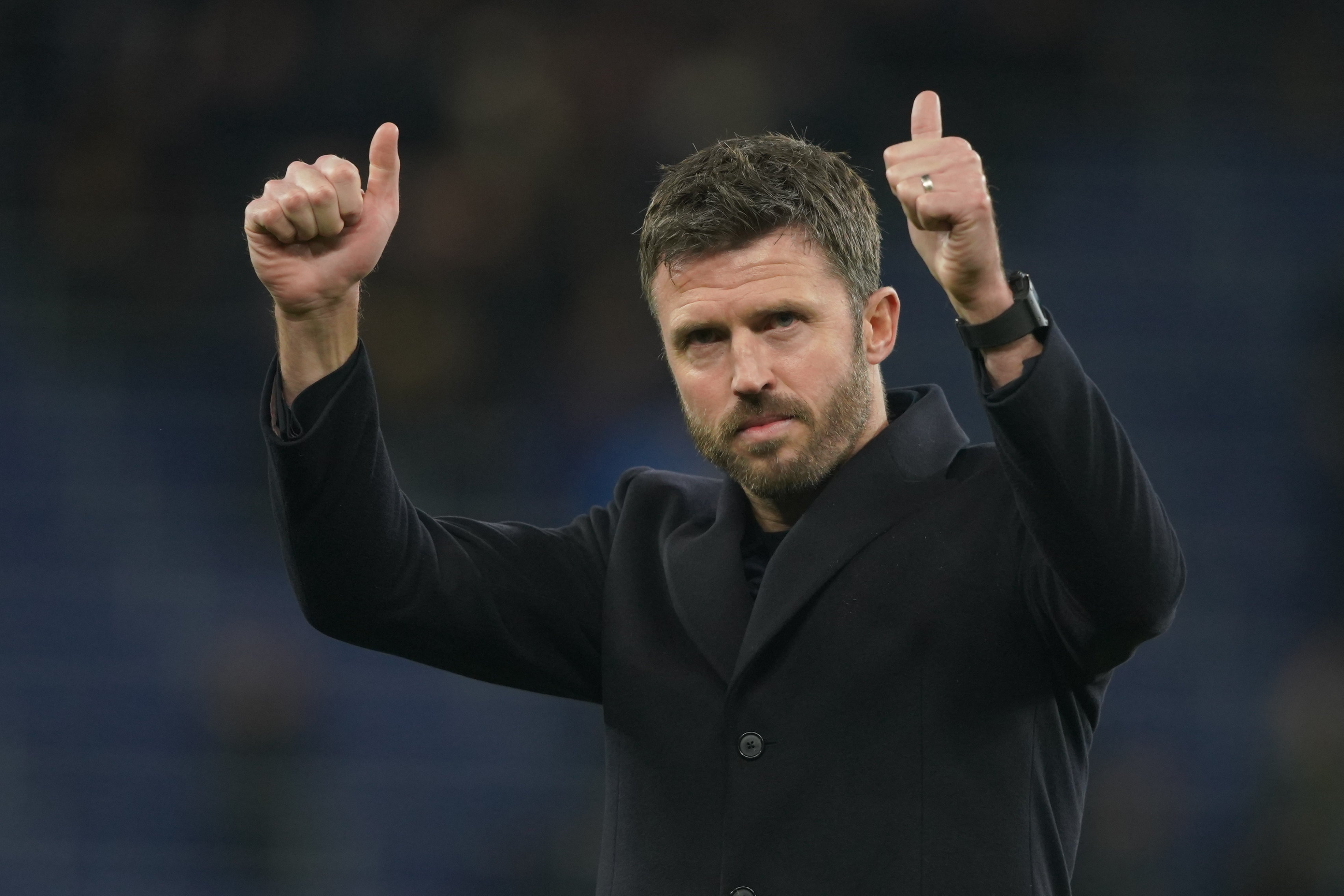
The start date is not arbitrary. It was when Michael Carrick took the reins, seemingly for five months. And yet, with each week, it seems likelier he will retain them for rather longer. Carrick’s CV did not qualify him to manage United when he was sacked by Middlesbrough last summer. Yet the Solskjaer principle seems in operation: when a caretaker does so well he becomes the logical appointment.
When a hard-fought victory at Everton was secured on Monday, the odds shifted in one respect. According to the Opta predictor, United now have a 72 per cent chance of a top-five finish this season. Which, as Ruben Amorim spent much of his last 10 weeks in charge squandering the chance to go fifth, marks a reversal. Officially, United’s aim for the season was European qualification. Unofficially, it was probably to reach the premier continental competition. Amorim seemed to be wasting the opportunity granted in a year when nine other clubs were exhausted by European commitments. Carrick is not.
Should United do it, his first two results may be the most significant, the wins over City and Arsenal almost representing six bonus points and remedying some of the damage Amorim did in easier fixtures. But Carrick has consolidated United’s position since.
His innate ability to downplay everything has meant his ambitions have been largely concealed, though he has called managing United the “ultimate” and said he felt it was his home. But if his chances have been elevated by managerial excellence, a field of rivals may be thinning out. Thomas Tuchel has signed his new deal with England. Oliver Glasner’s star is waning as his drawn-out departure from Crystal Palace becomes more fractious.
It is circumstantial evidence but, as Ole Gunnar Solskjaer proved, it can help to be the man in possession; especially, perhaps, when the powerbrokers got their last appointment horribly wrong when they imported an outsider, in Amorim. Carrick can look the anti-Amorim, the insider, the safe pair of hands.
It can often benefit an interim to be the opposite of his dismissed predecessor, but Carrick really is. He has a light touch. His public utterances are understated, whereas Amorim’s could be explosive. He plays a back four, not the Portuguese’s back three. As Benjamin Sesko’s impact from the bench shows, he is getting more from the summer signings, even though they joined on Amorim’s watch. Making the United hierarchy look good in their recruitment scarcely hinders Carrick’s chances.
There was a sense of wasted potential under Amorim: for all United’s failings, the squad was never as poor as a 15th-place finish suggested. For now, too, they look a group with a spirit and a strategy.
Carrick’s has been a common-sense revolution, aided by clever tweaks and astute substitutions. There was a clarity of thought from the off, settling on a starting 11 that prospered straight away. It has only been altered by two injuries, Matheus Cunha coming in for Patrick Dorgu and, at Everton, Leny Yoro for Lisandro Martinez. That common sense could be revolutionary is, of course, an indictment of Amorim.
.jpeg)
The praise from the United players for the interim is instructive, though. Sesko, who isn’t even starting, called the coaching staff “unbelievable”, and they look a fine blend, perhaps a contrast to Amorim’s clique; Bruno Fernandes claimed he told Carrick in his previous spell in charge that he could be a great manager.
The notion that knowing the club is an advantage has been mocked, and rightly so, when it has been trotted out lazily by a host of other former United players. So far, however, Carrick has looked at ease in familiar surroundings and brought an understanding of the players, whether those such as Fernandes and Harry Maguire he has coached before, or those who arrived in his absence, like Dorgu.
The caretaker caveats remain: the job will be very different in the long term, when he has to call upon more than 13 possible starters, when Casemiro and perhaps Maguire will be gone, when European games congest the fixture list, when there are questions if he can shape a side for seasons to come and sign well. For now, though, the sense of calm he brings may suit a club who have been frazzled by a feeling of constant crisis. And so, too, the results.
By way of comparison, Amorim’s best return in any six-game spell was 11 points. Carrick’s sweet 16 mean United probably do not need to be outstanding in the run-in to book a return to the Champions League. And that, in turn, could lead to him managing in it.