


There was a time when the scourge of drugs – both soft and hard – was a regular feature of the daily news, along with calls from groups on one or other side of the argument for, if not legalisation, then de-criminalisation, or much harsher penalties for trafficking.
More recently, however, aside from some annual breast-beating over figures showing Scotland as the European “capital” of drug deaths – and it retained that dubious accolade last year, despite a fall in fatalities – the threat has generally commanded far less prominence than it once did.
In the light of today’s Independent investigation, which reveals cocaine of extremely high purity is now circulating on Britain’s streets and destroying countless lives, it is high time that the dangers of drug use returns to the political and media agenda.
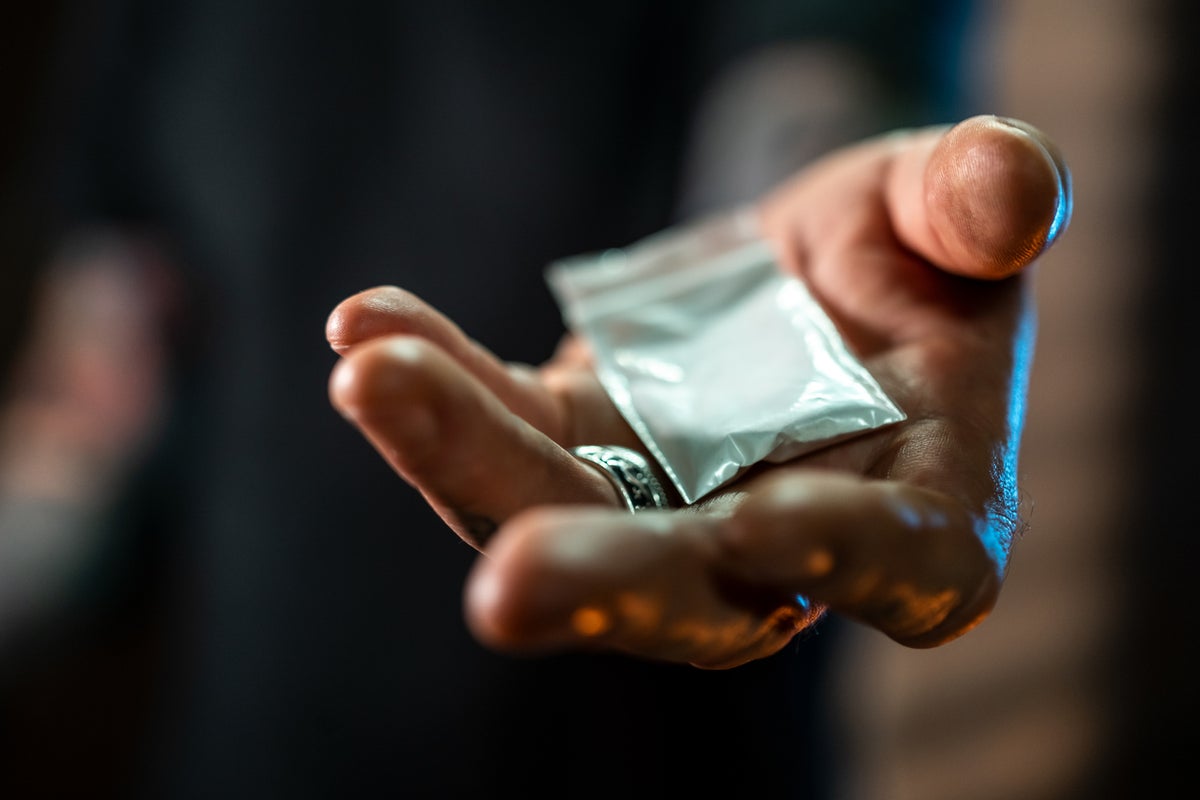
The number of deaths attributed to cocaine have increased for 13 years straight, to reach 1,279 in 2024. According to the OECD, the UK had the highest cocaine consumer rate in Europe in 2023, with waste water analysis for England showing consumption up by a quarter in the past five years.
Hospital admissions for cocaine and crack cocaine use have trebled over the past decade, with a part of the explanation being a sharp, and largely unpublicised, rise in the purity of the drug and an effective fall in the price, both in absolute terms and comparatively in relation to other party indulgences, such as alcohol.
The raw figures are one thing. But they cloak both a sordid reality and a rising number of personal tragedies for which cocaine is responsible. The sordid reality is that cocaine has become ever more popular as a recreational drug, with evidence of widespread use not just at music festivals, but at events such as the Cheltenham Festival, which is where The Independent conducted its undercover investigation. There have also been reports of cocaine traces being found in toilets in the Houses of Parliament, with claims that it was not ususual for MPs to snort cocaine from their desks.
As for the tragedies, the devastation is all too clear from the account of Stacey Jordan who lost her 24 year old sister, Lucy, to a cardiac arrest caused by cocaine. But so are some of the measures that need to be taken. One is de-normalising and de-glamorising the use specifically of cocaine, and ending its association with a desirable lifestyle. At present, she says, “people are detaching talking about it, using it, from the damage it causes,” and that needs to stop. She also calls for far more publicity, contrasting the lack of information about the risks of cocaine use, for instance, with the widespread awareness among young women of the risks of Botox treatment.
A rare flicker of political awareness came in 2021, when the then Conservative government earmarked more than £500m for a 10-year strategy to improve drug and alcohol treatment services. Whether as a result of the frequent changes in government or a shift to other priorities, however, that seems to have been a short-lived exception, with real-terms spending in this area now falling. The Home Office, for its part, says that it has been stepping up border security, and it is true that there have been some successful and high-profile raids. So long as production in South America remains at record levels and transit in Europe is relatively easy, law enforcement will be fighting a battle that is nigh-impossible to win without a reduction in demand from users.
And, of this, regrettably, there is no sign, which is why the advice of those such as Stacey Jordan and Mike Trace, the UK’s former deputy drug tsar, now head of the drug and alcohol support service, The Forward Trust, needs to be acted on without delay. This includes a great deal more education and publicity about the harm of cocaine and regular checks on the strength of the drugs that are circulating on the illicit market so that warnings can be issued on the life and death risks.
Above all, though, the reality of illicit drugs and their harms needs to be brought back into public view, and a conversation restarted that should never have stopped.