
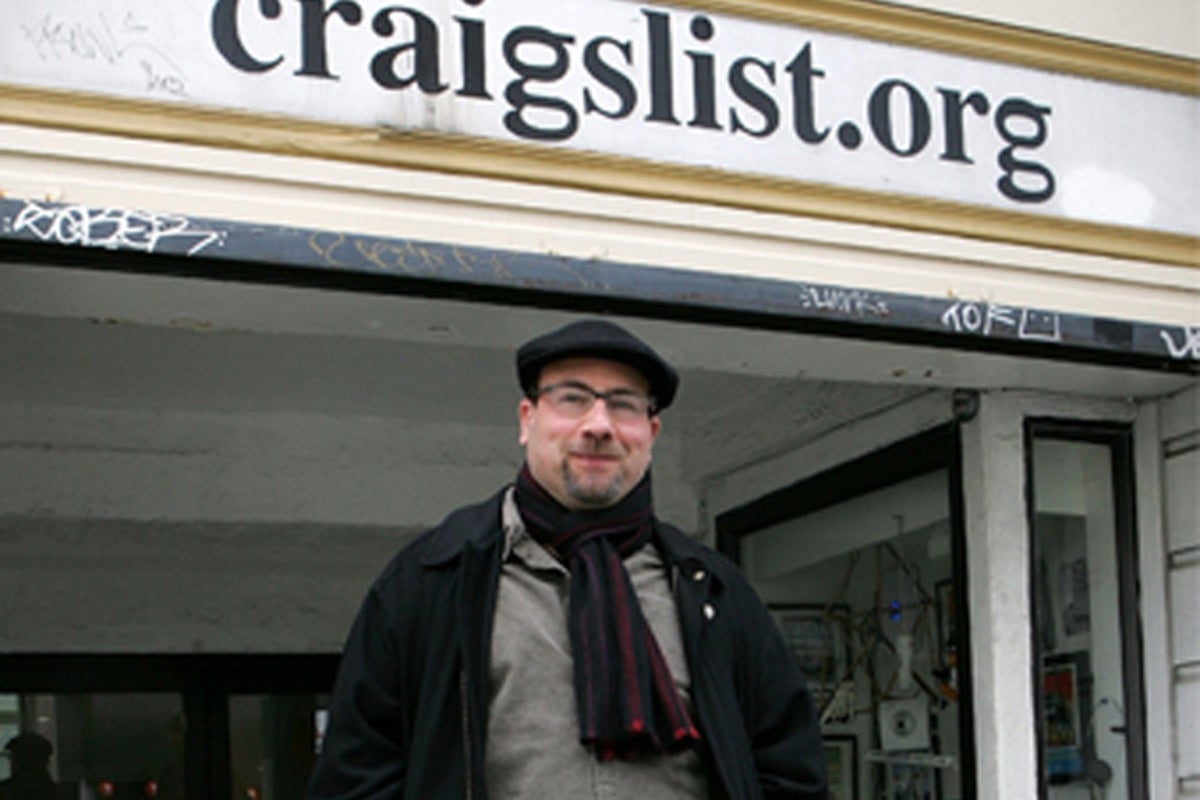
Craig Newmark, multimillionaire founder of Craigslist, has long had trouble keeping his mouth shut – leading to some “influential mistakes”, he readily admits.
But he doesn’t consider it a lapse in judgement that he’s given away half a billion dollars to charity since founding the classified ads site 30 years ago – nor voicing his hope that others with vast fortunes will take a similar tack.
There has been a shift away from philanthropy toward hard-edged individualism and ostentatious displays of wealth in America in recent years, even in the highest office. President Donald Trump has increased his net worth from $4.3 billion to $7.3 billion during his second term, plans to spend $600 million on the White House ballroom and is gilding the capital at every turn.
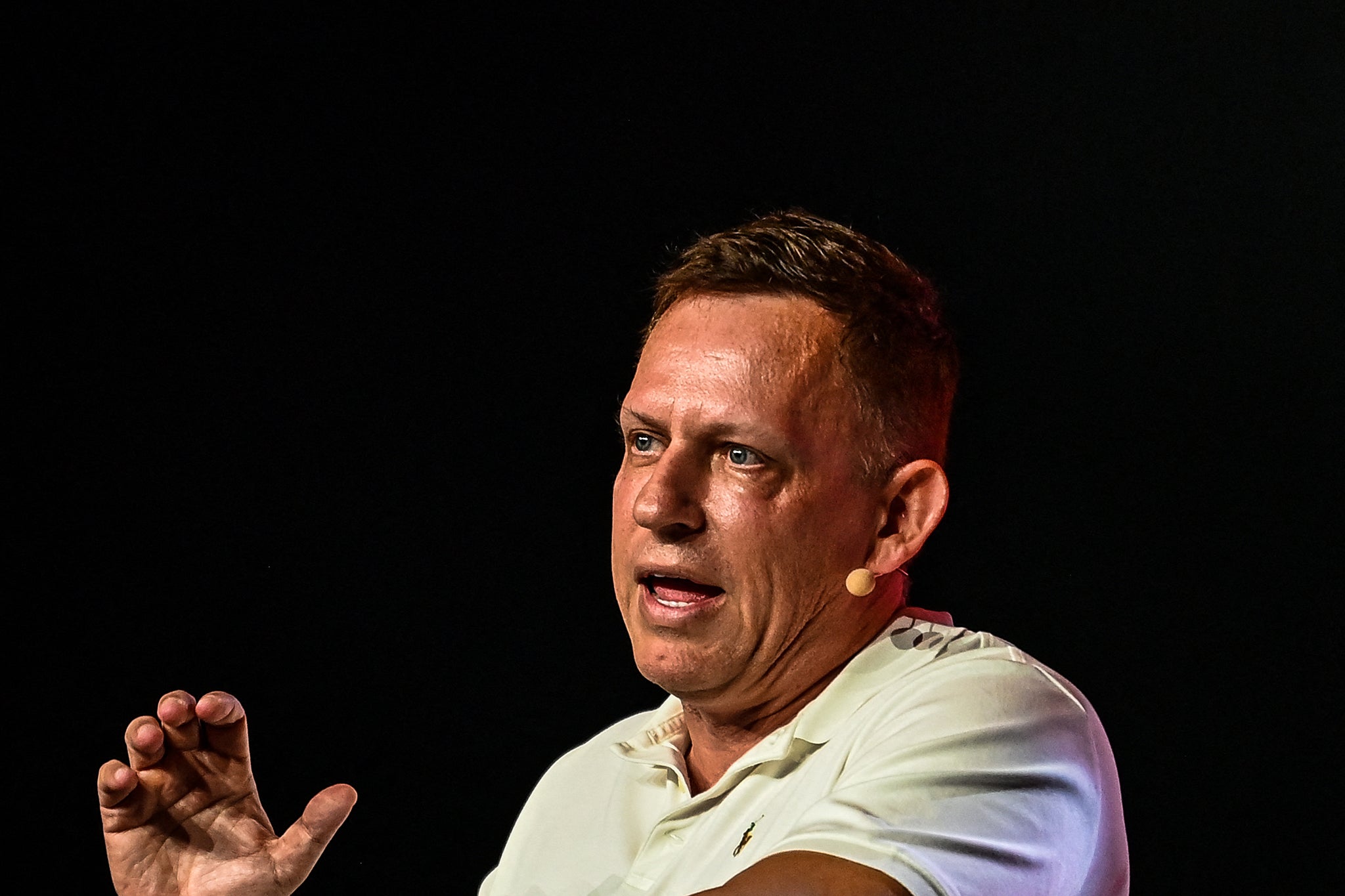
Billionaire venture capitalist Peter Thiel told The New York Times earlier this year that he had been encouraging wealthy peers to undo commitments to The Giving Pledge, a longstanding philanthropic campaign that encourages the ultra-rich to give away vast sums during their lifetime to causes of their choosing. Thiel claimed contributions would go to “left-wing” nonprofits, according to an audio transcript provided to Reuters, and dubbed it an “Epstein-adjacent fake Boomer club.”
Newmark signed The Giving Pledge last year and recently wrote aNew York Times op-ed on how he was dumbfounded by Thiel and some other billionaires’ positions.
“When I started Craigslist in the mid-1990s, I never thought I’d become rich. But I did. A lot of people in tech around that time also got lucky. Millions – even billions – were made simply by being in the right place at the right time,” he wrote. “That’s too much money for anyone to have, so I’m giving most of it away to people and causes that need it. It makes no sense to me that others with this kind of money would criticize anyone doing this.”
Newmark, 74, told The Independent that he doesn’t judge other wealthy people who don’t want to give their money away but nevertheless finds their decisions hard to fathom.
“Everyone has to make their own moral decisions,” he said. “There are some highly visible, super-rich people who’ve made their own decisions, and it’s their right to make those decisions. I just don’t really understand.”
His own financial decisions are rooted in a classroom at the Jewish Community Center in Morristown, New Jersey. It’s there that six-year-old Newmark attended the Sunday school of Holocaust survivors Rafael and Rachel Levin in the late Fifties, and never forgot the lesson that kindness was more important than riches.
“They told me that I should treat people like I want to be treated,” he said. “I should know when enough is enough. And they told me I should be my brother’s keeper or my sister’s keeper. And that made sense to me.”
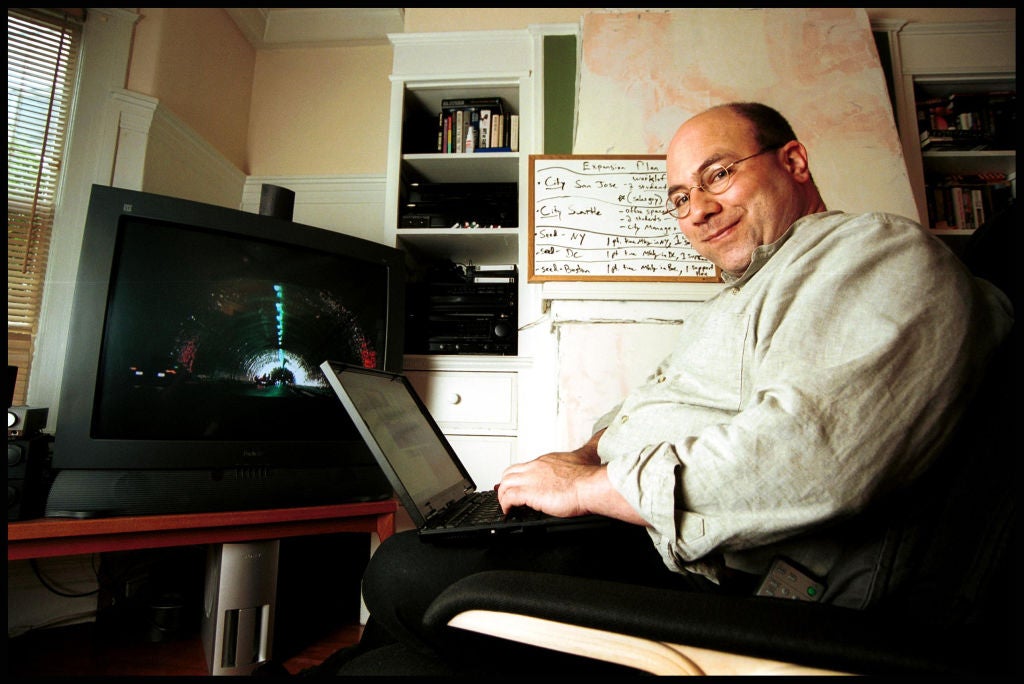
The sentiment remained with him early in his career when he was a software engineer at Bank of America and Charles Schwab, and even after he launched his unexpectedly popular classifieds site Craigslist in 1996.
The site started as a weekly email detailing upcoming events that Newmark would send to friends while living in San Francisco. Over time, the email transformed into a classifieds site with listings for everything from cars and free couches to jobs and events.
In 1999, Craigslist took off and Newmark realized he had to turn it into a “real” company. But he didn’t know how to manage the growing site with a team mainly made up of volunteers, and he needed paid staff, such as programmers and customer service. Newmark had a choice – get cozy with venture capitalists and bankers for funding, change the business model and get rich, or do it his way.
“The VCs and bankers I met at industry events said they wanted to throw huge amounts of money at me – billions,” he said. “But I’d have to do the usual Silicon Valley thing and they would then monetize the site thoroughly, and it would become a very different place.”
Rather than succumb to a model that likely would have charged people for listings, Newmark chose to charge businesses for their posts but kept Craigslist free for the average user.
Craigslist grew into an amazing success story, loved for its simple design and quirky listings, and remains among the top-500 most visited websites in the world. More than 100 million users visited Craiglist in April, according to web analytics firm Semrush.
While Newmark said he was never a billionaire, his wealth could have bought a fleet of luxury vehicles, superyacht and homes on each continent. But aside from an occasional lavish meal, he says the trappings of extreme wealth held little pull for him. He doesn’t own a car and takes public transportation in New York City.
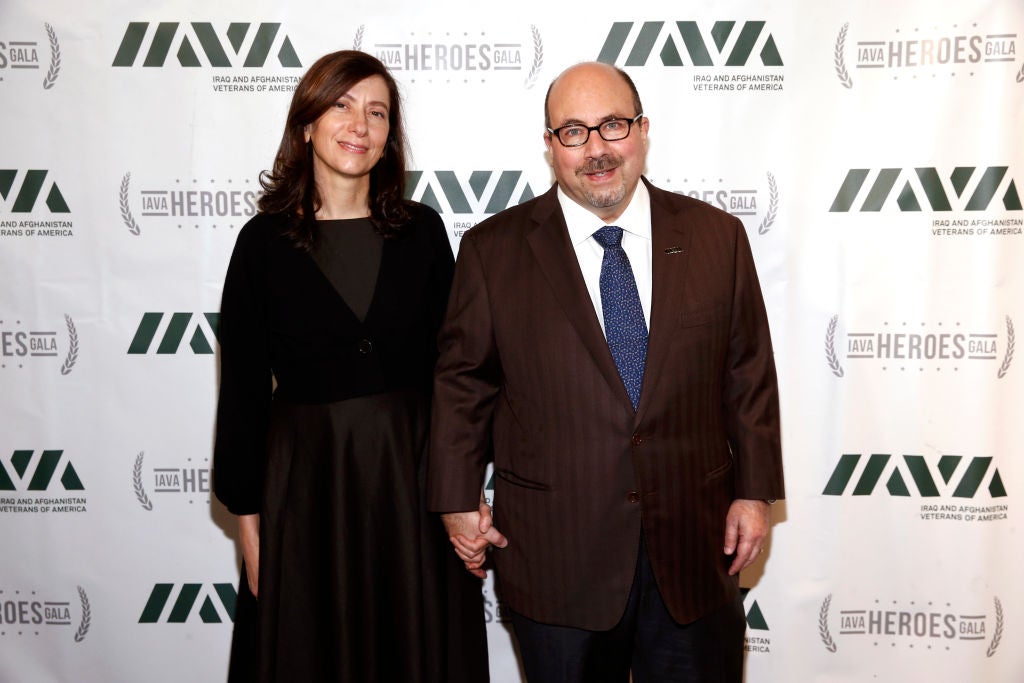
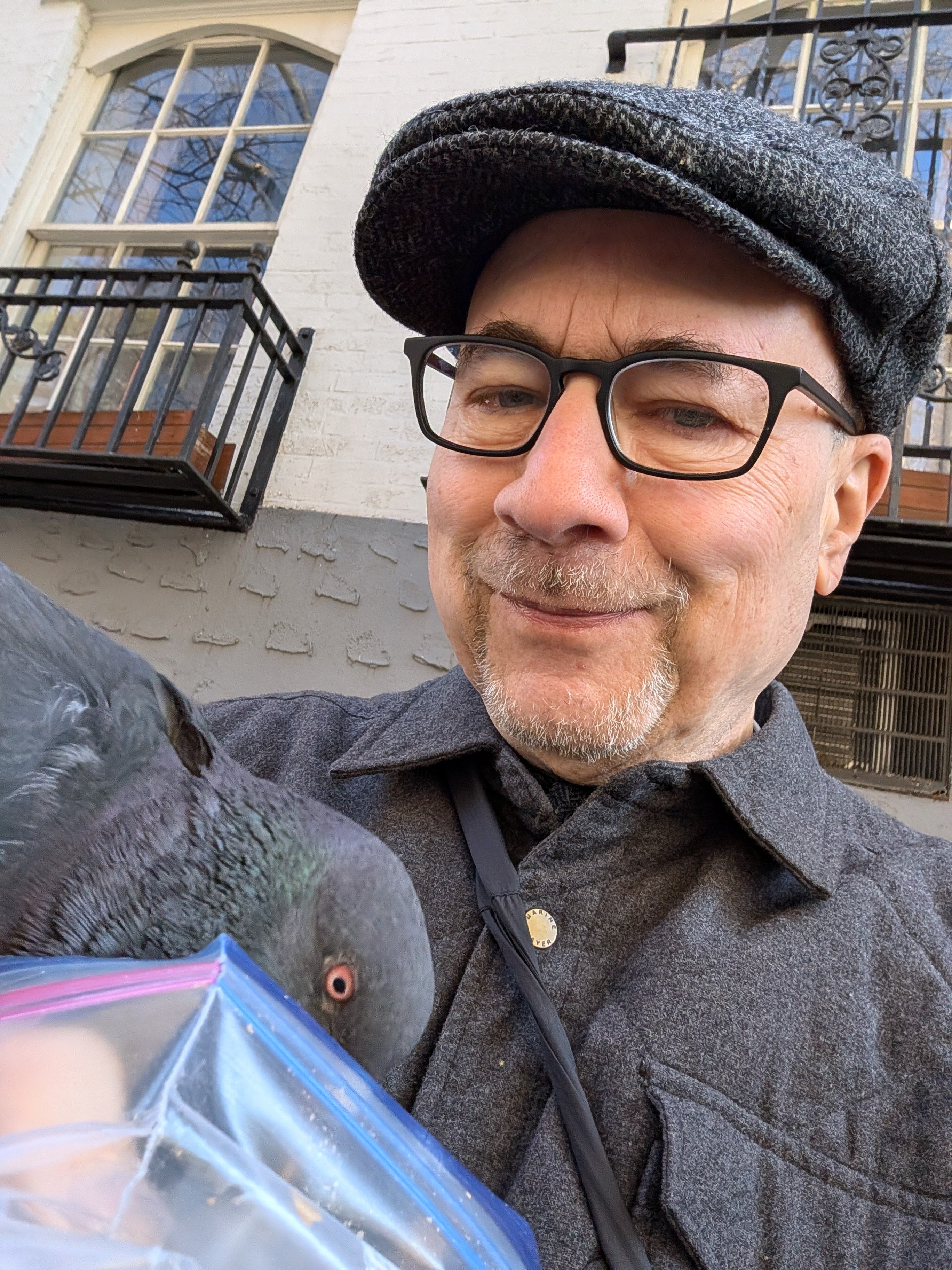
His typical day consists of work meetings, coffee with friends, feeding a pair of neighborhood pigeons he’s named Mr. and Mrs. Hatbird, reading science fiction and watching TV at night with his wife of 14 years, Eileen, who runs an apartment co-op in New York City.
“I realized I [didn’t] have to make much money to be happy,” Newmark said. “As a nerd, I was oblivious to the social cues people use to indicate what they’re about. had no interest in prestige or status items. Even now, I’m not comfortable with prestige or status.”
In 2015, he started Craig Newmark Philanthropies. Through the organization, Newmark donates to causes in areas that interest him, such as cybersecurity, journalism, military families and veterans, and even pigeon rescue.
His work with organizations like Blue Star Families, which helps military families find support and build relationships wherever they’re stationed, is a way to honor his dad, who served in the Army in Second World War and died from cancer when Newmark was 13.

Newmark also joined The Giving Pledge, started by Microsoft billionaire Warren Buffet and Bill and Melinda Gates in 1996, to encourage the world’s richest people to give away at least half of their fortunes during their lifetime. Members of the pledge include OpenAI founder Sam Altman and husband Oliver Mulherin, philanthropist MacKenzie Scott, and LinkedIn co-founder Reid Hoffman and wife Michelle Yee.
At first, Newmark couldn’t sign the pledge because he wasn’t a billionaire, he said, but the initiative subsequently expanded its membership and he joined in 2025. He described it as a surreal moment, because he never set out to be rich, but he was standing up for “regular people who want to share,” he said.
“The Giving Pledge matched my values,” Newmark said. “I could make a statement putting my money where my mouth is, and that would be a good thing.“
Altruistic as the initiative may seem, it’s received a fair amount of criticism over the past few years. Coinbase cofounder Brian Armstrong took the unprecedented step of withdrawing his pledge, according to Forbes, while Oracle cofounder Larry Ellison had amended his pledge to include for-profit work.
Thiel, in particular, has openly discouraged people from signing the pledge and has pushed participants to leave it, according to The New York Times. Thiel claimed in audio transcripts provided to Reuters in March that he told Elon Musk, the world’s richest man, not to sign the pledge because his contributions would go to “left-wing” nonprofits of Bill Gates’ choosing.
Thiel’s claim contradicts the The Pledge’s policies, which state that donors choose where the money goes and “they pursue their philanthropy independently.”
Newmark expressed concern about the backlash in a opinion piece for The Times a few weeks later.
“It’s bizarre to me that the pledge has now come under attack by some tech billionaires who say we’re giving our money away foolishly, or complain that the money is going to left-wing nonprofits. I don’t understand the critics’ logic, but politics and that sort of criticism have never really made much sense to me,” he wrote.
The piece touched a nerve with people across social media. “Always grateful for your moral clarity, as ever,” LinkedIn user Anil Dash wrote in response to Newmark’s op-ed. “There’s something profound in just telling the truth and reminding people that doing the right thing, the good thing, can be *obvious*.”
Newmark says he wasn’t aware of the piece’s impact as he “has no idea how much influence I have.”
He added: “Friends tell me that I have more than I know. But for me to see and realize the effect requires the social skills that I lack.”
His philanthropy has been at the end of a long road, he said. Looking back on his pre-Craigslist days, he said he could be a “real jerk” at work.
“I would … correct people in front of other people when there is no point in doing so,” he said. “And that’s stupid. But I didn’t know it until years after.”
Newmark says he started to change during his years at Charles Schwab and when he handled customer service queries in his early days at Craigslist.
“Doing customer service at Craigslist – really intense, committed customer service – helped me understand that, yeah, I needed to listen to people better,” he said. “I needed to treat them like I wanted to be treated.”
He admitted that he still doesn’t care for small talk, comparing himself to Jackson Lamb, a fictional MI5 intelligence officer in the Slow Horses novels and TV series known for his distaste of surface-level conversation.
And he’s taking his message of giving back on the road. In May, he participated in award-winning journalist Tina Brown’s Truth Tellers Summit, an event that pushes back on the lies and misinformation that threaten public trust. He often makes appearances as a conference speaker and guest on podcasts.
“All I know is to move forward,” Newmark said. “I mean, I am an old guy. Limited time. I have to figure out how to best use my resources, meaning time left plus money.”