




Cancer patients who frequently consume ultra-processed foods (UPFs) could face a significantly increased risk of dying from their disease, new research indicates.
A study conducted by Italian researchers found that individuals with the highest intake of these foods were almost 60 per cent more likely to die earlier than those who consumed the least.
UPFs have previously been linked to a range of poor health outcomes, including an increased risk of obesity, heart disease, various cancers, and premature death.
Common examples include ice cream, processed meats, crisps, mass-produced bread, certain breakfast cereals, biscuits, many ready meals, and fizzy drinks.
These products typically contain high levels of saturated fat, salt, sugar, and various additives.
Experts suggest this composition often displaces more nutritious foods from people’s diets.
UPFs frequently incorporate preservatives, emulsifiers, and artificial colours and flavours – ingredients not commonly used in home cooking.
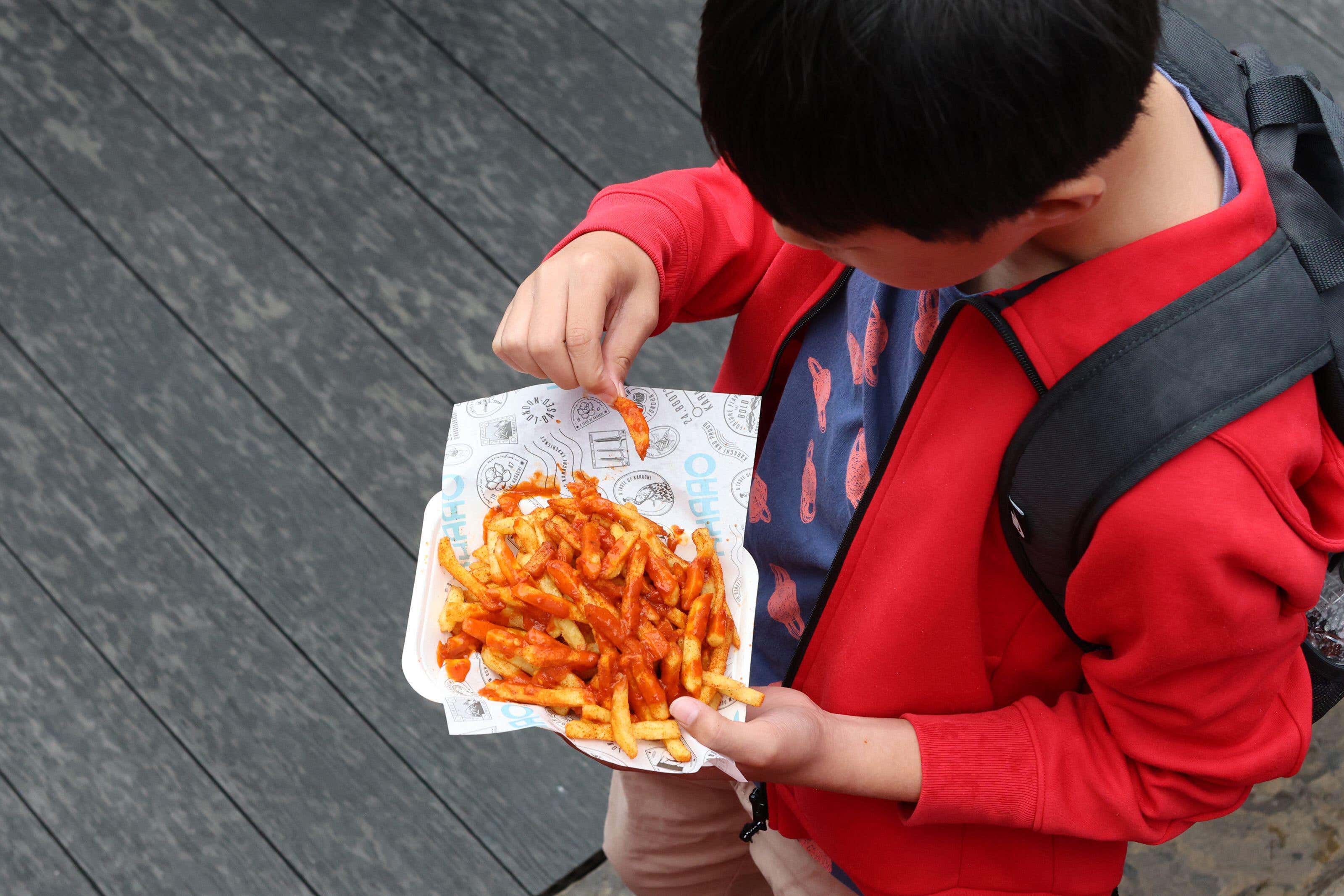
They also tend to include additives and ingredients that are not used when people cook from scratch, such as preservatives, emulsifiers and artificial colours and flavours.
The new study was published in Cancer Epidemiology, Biomarkers & Prevention, a journal of the American Association for Cancer Research.
Researchers followed 24,325 people from 2005 to 2022 who were 35 or older at the start of the study and living in the southern Italian region of Molise.
Within this group, 802 cancer survivors (476 women and 326 men) had filled in detailed questionnaires on their diet at the start of the study.
Experts then calculated UPF food and drink intake by the weight consumed each day, and they also looked at the calories.
People were then divided into three groups based on the weight ratio of how much UPFs they had, with researchers also taking factors such as smoking, body mass index, exercise, medical history, cancer type, and overall diet quality into account.
The study found that during an average follow-up of 14.6 years, there were 281 deaths among the 802 cancer survivors.
Those in the highest third of UPF intake had a 48 per cent higher rate of death from any cause and a 59 per cent higher rate of death from cancer compared with those in the lowest third.
A higher calorie ratio of UPFs showed similar results for cancer death, but not other causes.
Dr Marialaura Bonaccio, from the department of epidemiology and prevention, IRCCS Neuromed in Italy, said: “The substances involved in the industrial processing of foods can interfere with metabolic processes, disrupt gut microbiota, and promote inflammation.
“As a result, even when an ultra-processed food has a similar calorie content and nutritional composition on paper compared to a minimally processed or ‘natural’ food, it could still have a more harmful effect on the body.”
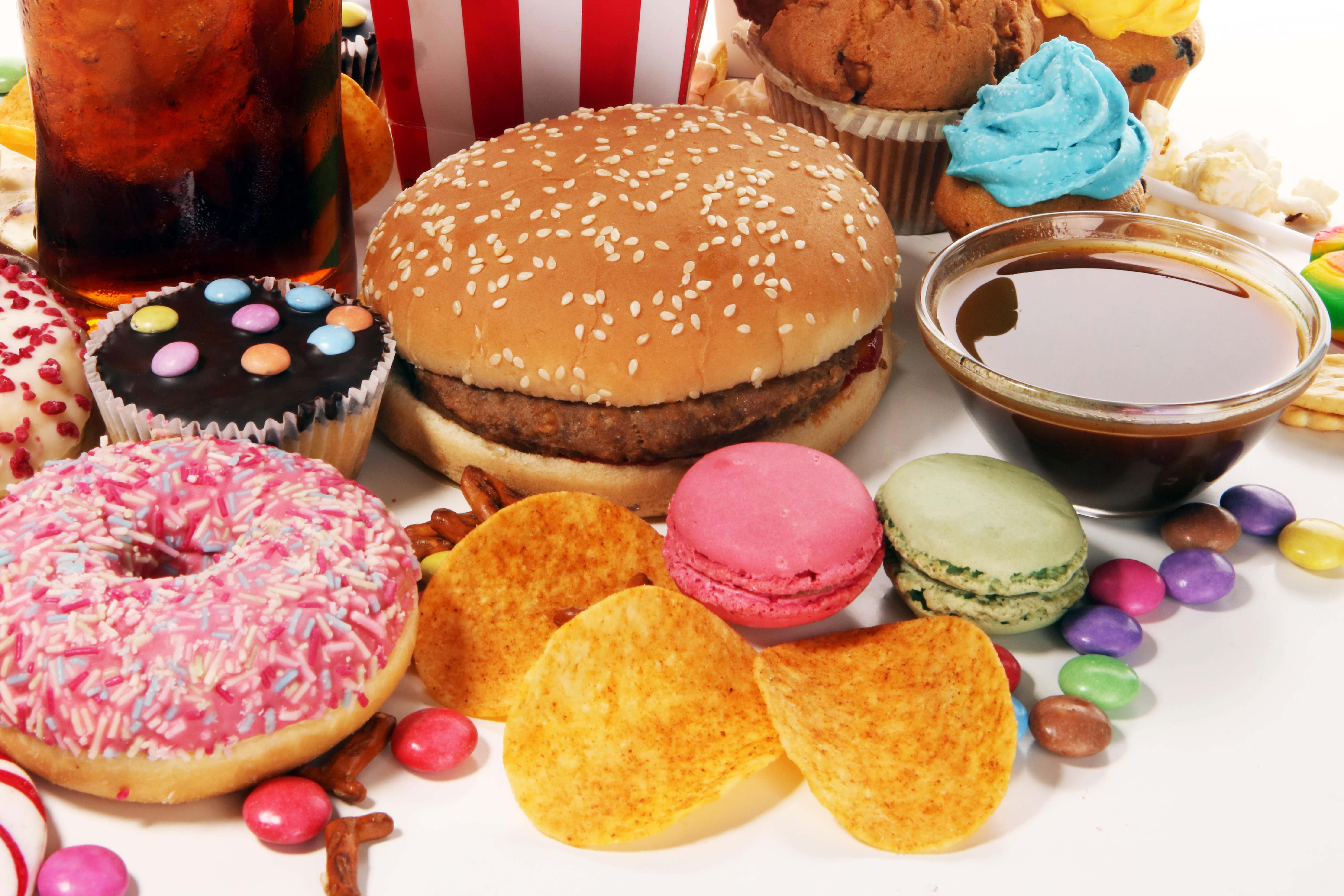
Dr Bonaccio and colleagues also looked at the ways the body may be affected by processing in UPFs, including examining inflammatory, metabolic and cardiovascular biomarkers in people in the study.
She said: “These results suggest that increased inflammation and elevated resting heart rate may partially explain the link between higher consumption of ultra-processed foods and increased mortality, and help to clarify how food processing itself could contribute to worse outcomes among cancer survivors.”
The team also examined data for seven specific groups of UPFs such as sugar-sweetened beverages, artificial sweeteners, and spirits; processed meat and salty snacks and savoury foods.
Some food groups were linked to higher mortality, while others showed no clear pattern.
Dr Bonaccio said therefore that working out the differences in UPFs can be challenging, but added: “The main message for the public is that overall consumption of ultra-processed foods matters far more than any individual item.
“Focusing on the diet as a whole and reducing ultra-processed foods overall and shifting consumption toward fresh, minimally processed, home-cooked foods is the most meaningful and beneficial approach for health.
“A practical way to do this is by checking labels: Foods with more than five ingredients, or even only one food additive, are likely to be ultra-processed.”

.jpg?trim=0,0,0,0&width=1200&height=800&crop=1200:800 "International DJ Chloe Caillet hit by falling bricks while checking phone outside London cafe handed huge court payout – UK Times")