

More than 20 million flowers are set to be purchased this week as Britons rush to buy bouquets for Mother’s Day. It’s one of the biggest days of the year for a huge, cross-border industry, which is worth an estimated $30bn (£22.5bn) globally.
A significant amount of the UK’s flowers, including 60 per cent of our roses, come from Kenya. A new poll by Kantar and the Fairtrade Foundation finds that 96 per cent of UK adults were unaware that most Mother’s Day flowers come from East Africa.
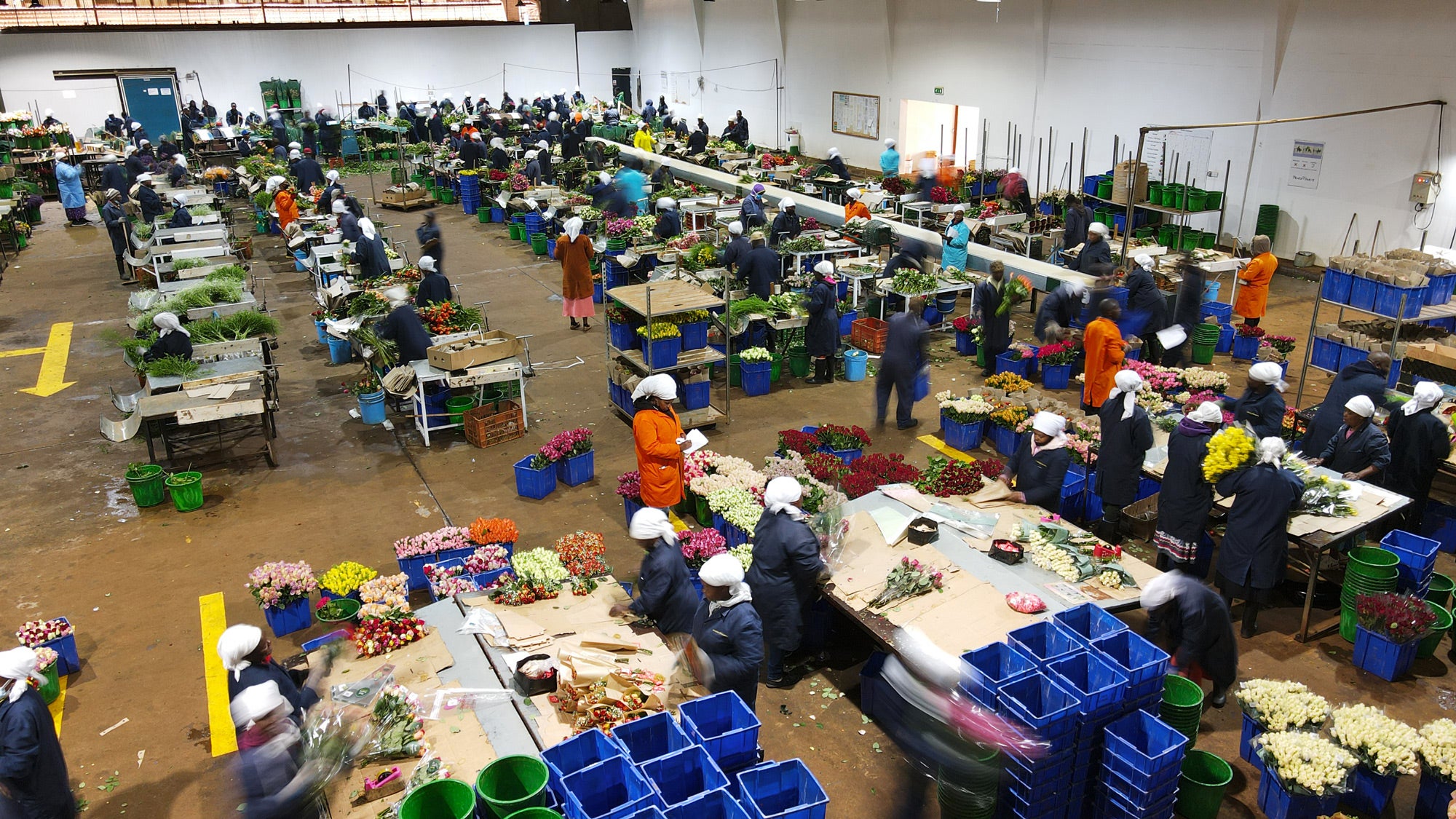
The Kenyan flower industry is rife with labour concerns, with many workers facing long hours or potential exposure to harmful chemicals – all while earning an average of less than £2 per day.
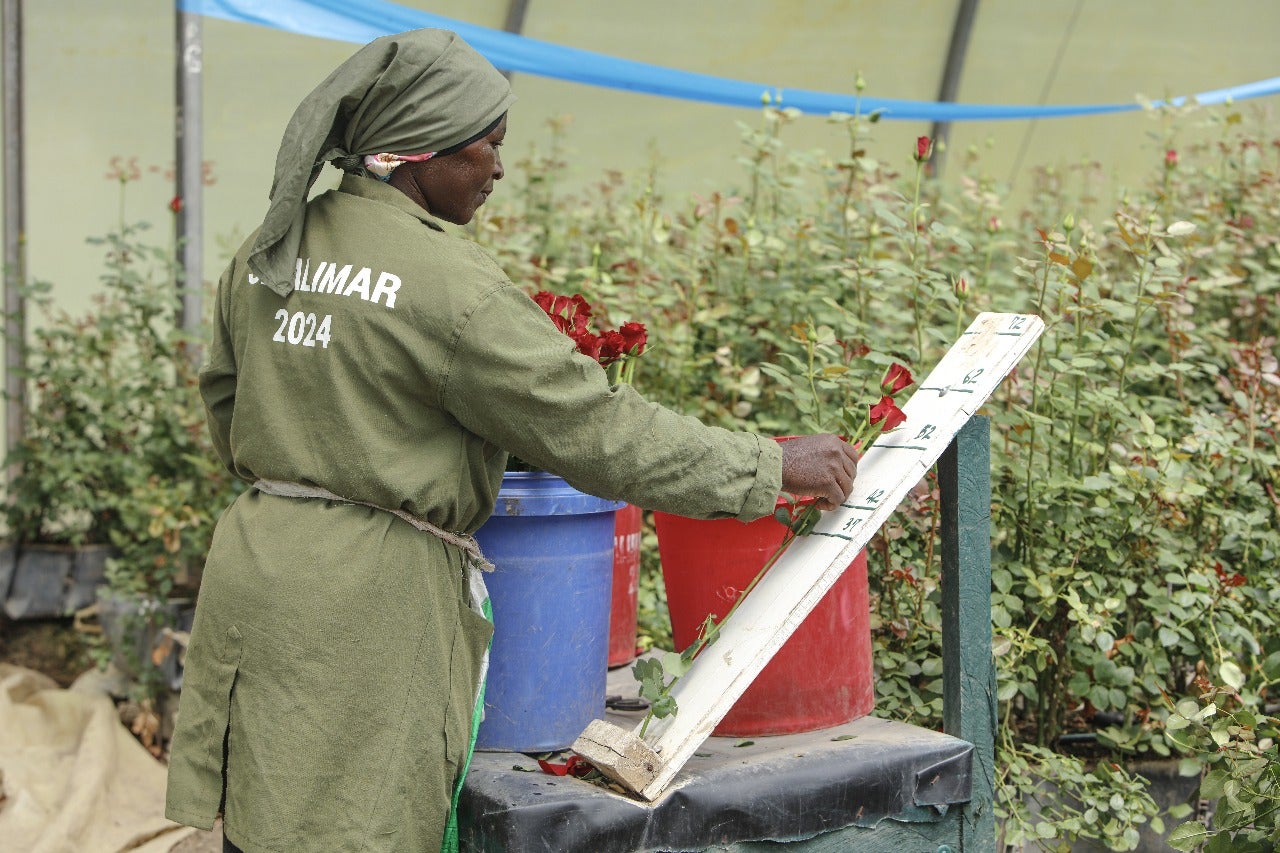
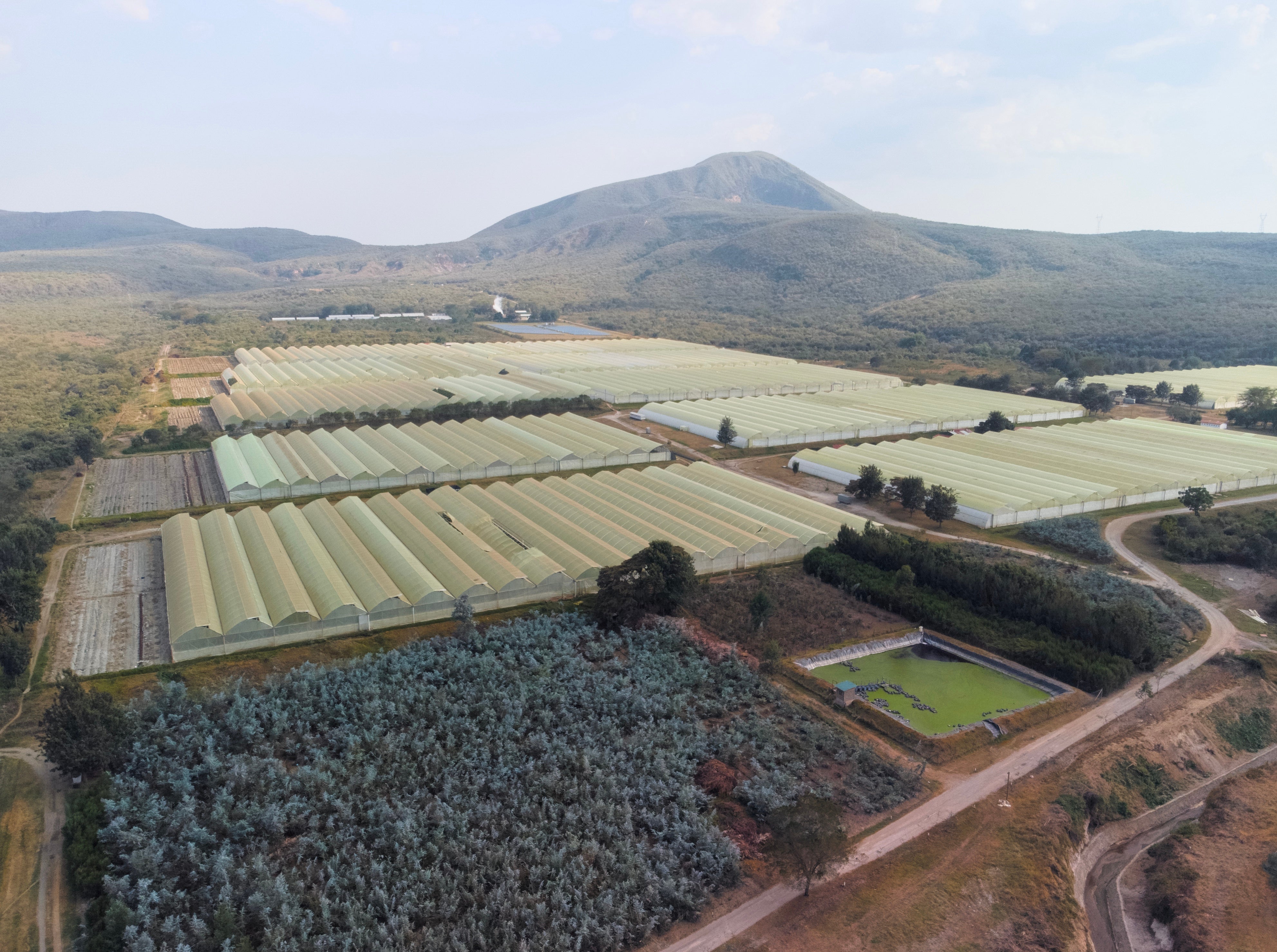
“On most flower farms, people are suffering, and they have no way to speak out or complain. It’s like a dictatorship,” says Rebecca Amoth, a flower worker, who spoke to The Independent over the phone. The mother-of-four works at Shalimar Flowers Farm in Naivasha, the city in the Great Rift Valley where most of the Kenyan flower industry is based.
Conditions on her farm, she says, have improved significantly since it became Fairtrade-certified in 2010, but she recounts how things are for many flower workers in the country.
They will typically work 12-hours or more a day, six days per week, she says. There is also the issue of chemical insecticides that farm managers spray on crops, which have the potential to cause health problems.
“When they don’t tell us the time that they put sprays and chemicals on the flowers, we are not able to assess whether we should be working or not,” she says. “People develop rashes and itches on the body. Some have to go to hospital.”
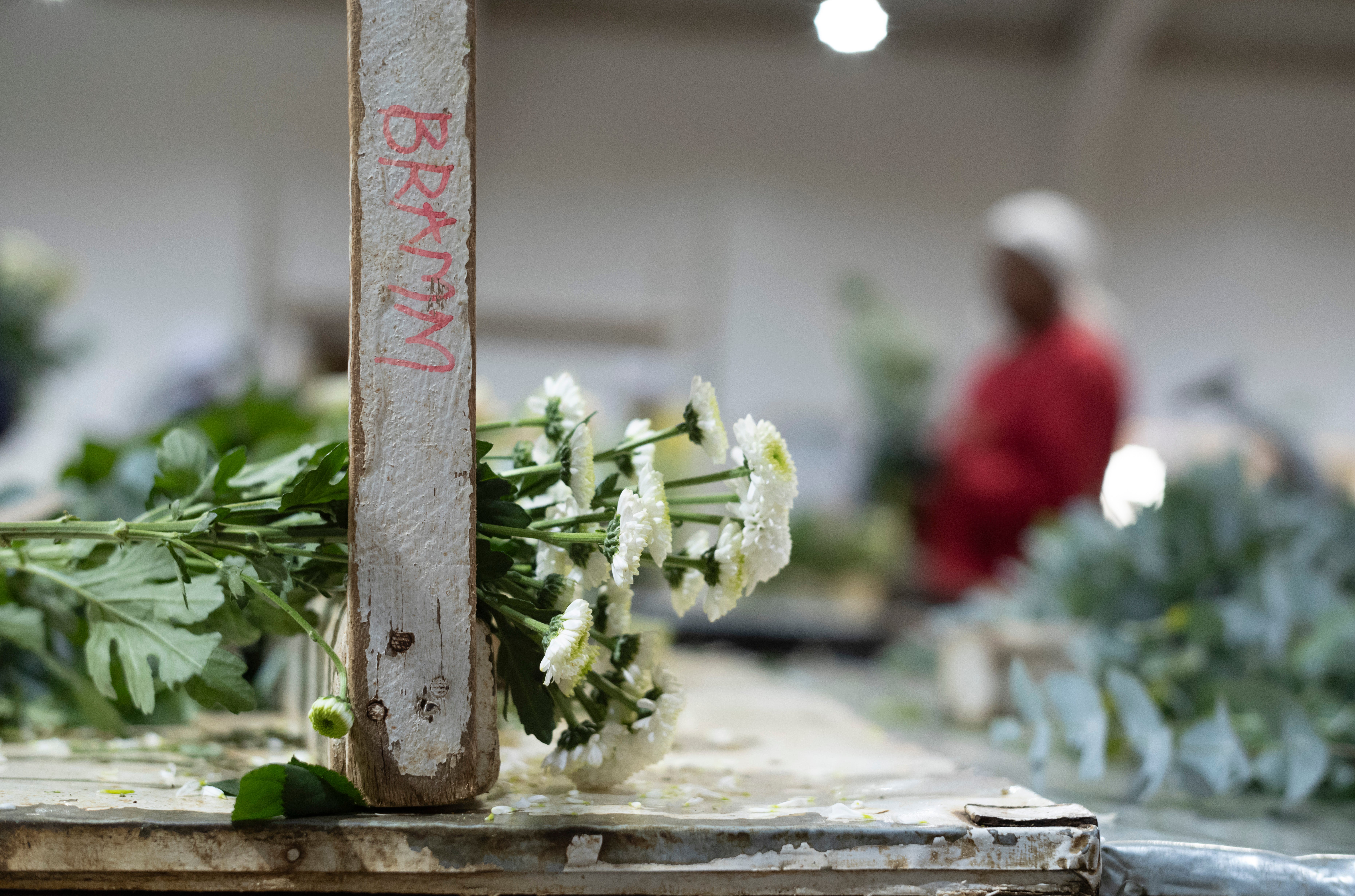
People also become sick from having to work such long hours, often without a lunch break. “You are so tired, so you become sick, and you then cannot take care of your children,” says Rebecca. “Many develop mental health problems, or turn to alcohol.”
Maternity leave on most farms is also typically just a few days, while Rebecca’s farm used to only provide her with a single room for her family of four. All of this means that for many years Rebecca “did not want to have children”, she says.
A large number of children in the area are also not in school, Rebecca adds. With around 70 per cent of workers on Kenyan farms women, sexual harassment is also a widely-reported problem.
The poor conditions faced by so many thousands of workers in the flower industry are emblematic of the weak supply change oversight that we have in the UK – and they reflect the need to introduce a new law mandating due diligence of global supply chains, say campaigners.
The Independent has previously reported how, in an era of reduced overseas aid budgets, reforming UK supply chain laws could ensure that overseas investment maximises benefits to people in developing countries.
Ensuring that UK companies have a better handle of their supply chains would also allow them to more effectively shore themselves up against climate risks: A concern set to become ever more apparent as rising temperatures make a significant contribution to the rising prices seen at supermarkets.
The government is currently reviewing whether to introduce a mandatory Human Rights and Due Diligence (HREDD) law as part of its trade strategy, which could see companies obligated to fully report and respond to environmental and human rights risks in their supply chains.
Evidence of what might be able to be achieved if an HREDD law was introduced can be seen in the Kenyan flower farms that are Fairtrade-certified. While HREDD would not bring exactly the same conditions as Fairtrade, the Fairtrade farms nonetheless show what mandating greater oversight of worker conditions could look like.
“We’ve all seen how global conflicts and poor harvests have disrupted trade and left supermarket shelves empty,” Marie Rumsby, director of advocacy at the Fairtrade Foundation, tells The Independent.
“We are urging businesses to invest the people behind our favourite products: through fairer pay, long‑term partnerships, and meaningful support to adapt in the face of problems, including the accelerating impacts of climate change,” she adds.
Shalimar Flowers farm, where Rebecca works, has been Fairtrade-certified since 2010. The difference that the resulting improvements in working standards and pay made has been transformational, she says.
“Life here used to be terrible. But now, people are very happy. It is the best place to work, and the women are proud to work here,” she says.
.jpg)
The fact that the farm now sells to Fairtrade flower-selling retailers – which in the UK includes, Aldi, Asda, Co-op and Lidl – means that the farm overseers now write on a board every day when they are spraying the flowers, so that workers like Rebecca know to avoid going into the greenhouse at that time.
The farm now offers up to seven months of maternity support, as well as subsidised childcare for young children. The children of workers at the farm are now nearly all going to school, Rebecca adds.
Rebecca has also been able to access additional training programmes, including in IT and tailoring, to allow her to subsidise her income. These days, she typically finishes work at 3pm, before heading to her home, which now has two rooms, and working at her sewing machine for a couple of hours.
“I always used to think that I would do this for just a few years before moving on,” she says. “But now I think that it is only if I retire, that I will leave.”
Most workers at flower farms in Kenya continue to work in dire conditions in non-Fairtrade-certified farms, however.
For Fairtrade’s Marie Rumsby, the key way the UK can help solve this – beyond buying more Fairtrade flowers – is the introduction of a mandatory HREDD supply chain law.
“We should all know or be able to find out where the products we buy come from and who has made or grown them,” says Rumsby. “Transparency in supply chains is the foundation for a fair and sustainable global economy.””
This article has been produced as part of The Independent’s Rethinking Global Aid project