


The war in the Middle East that has effectively closed the Strait of Hormuz is making Russian oil more valuable to two of the largest energy markets in the world – India and China.
Oil prices have been soaring and stock markets tumbling globally, with analysts warning that prices could test $100 a barrel if the disruption extends beyond a few weeks.
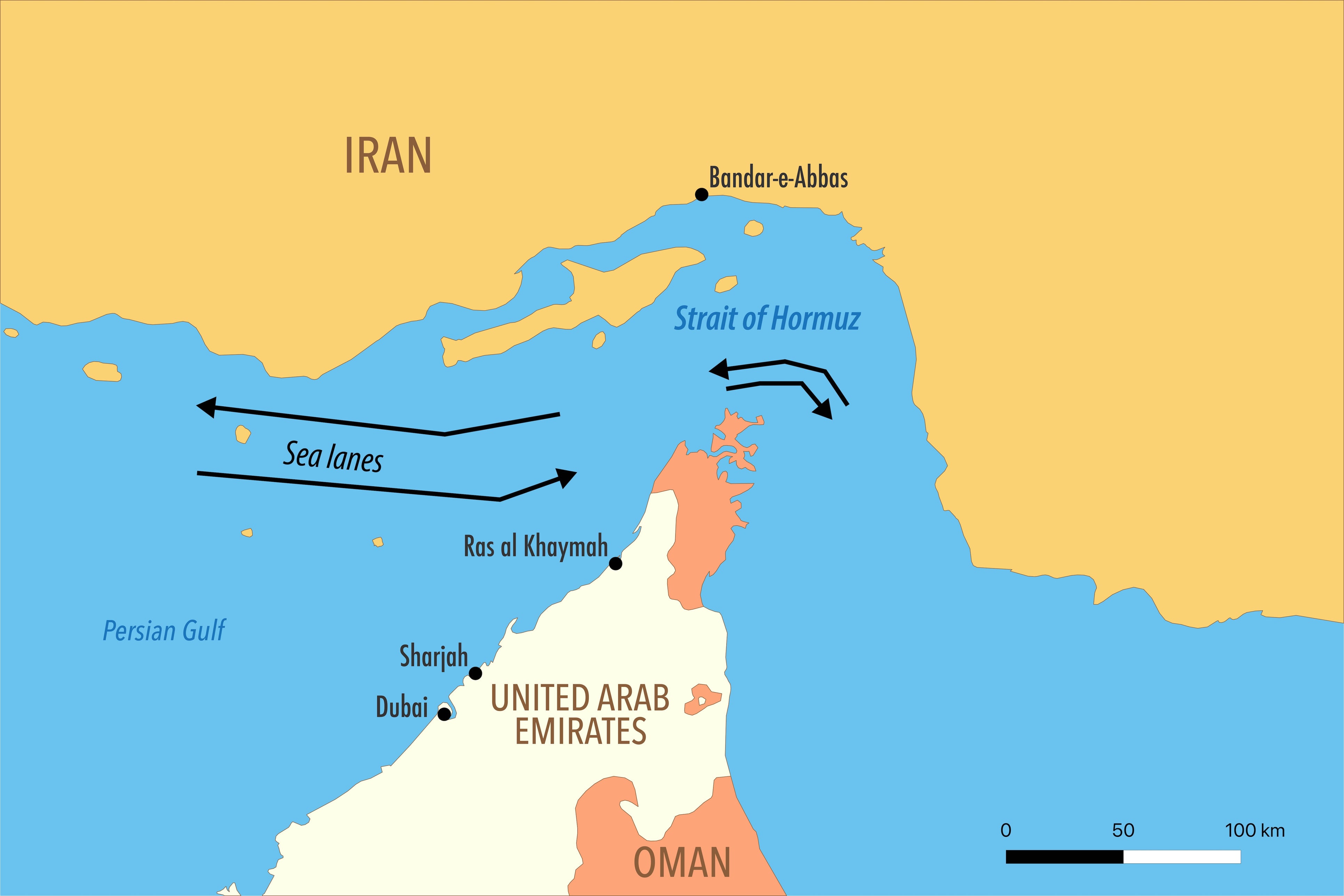
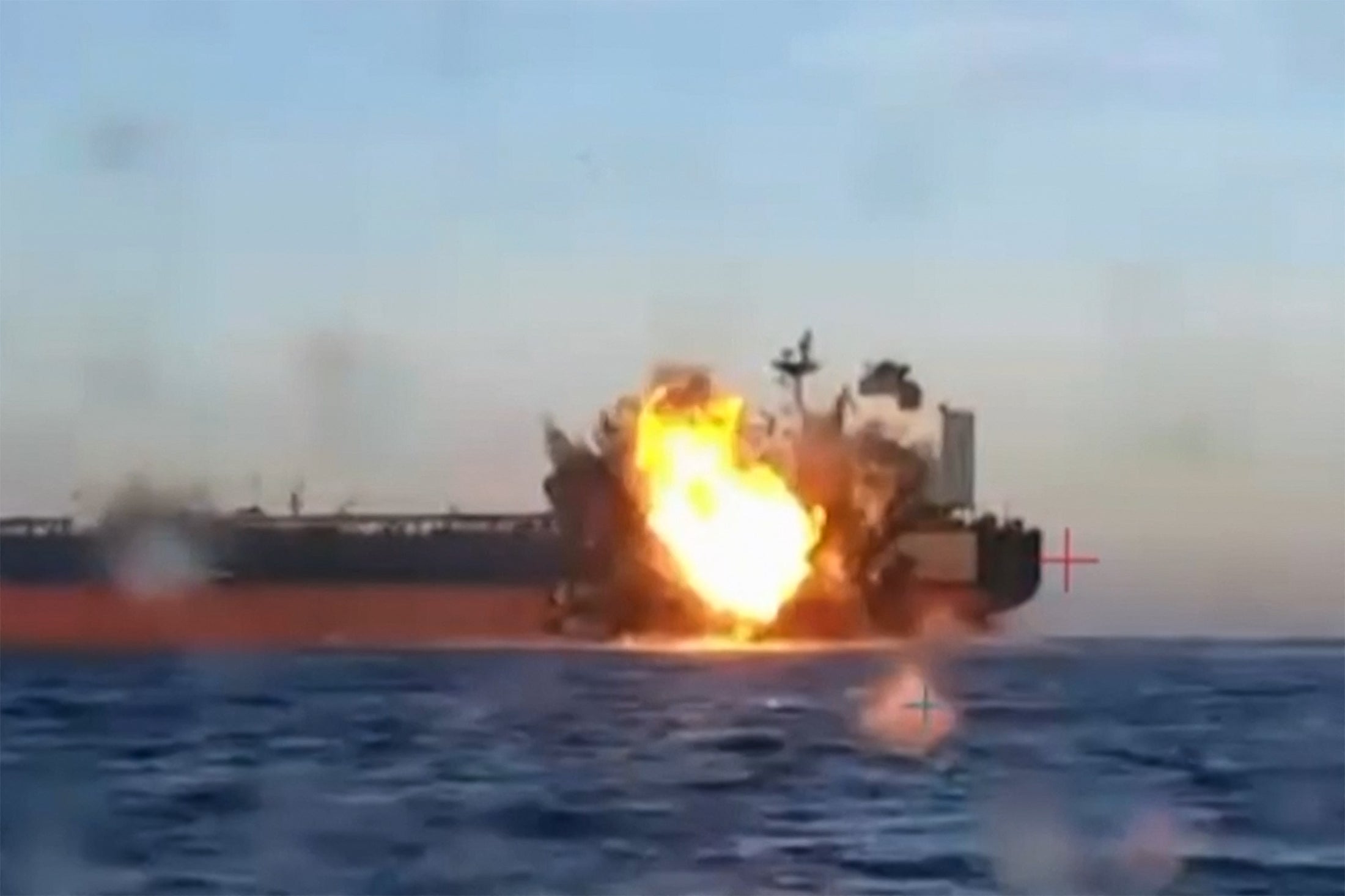
The strait – through which a fifth of global oil and liquefied gas supplies pass– remains effectively closed to most operators after Iranian forces threatened to set fire to ships passing through.
As global oil becomes scarcer and more expensive, few countries stand to feel the pressure more acutely than India and China — two of the world’s largest energy importers, both heavily dependent on Gulf supplies.
“If we see a prolonged war, with the Strait out of use for an extended period,” said Ajay Parmar, director of energy and refining at ICIS. “It would mean all countries globally competing for every incremental barrel of oil possible.”
Analysts say the clearest beneficiary of that scramble is Russia — a long-time supplier to both countries, and one that Washington had been pushing India to move away from.
With Gulf supplies now blocked, Russian crude is readily available: by tanker to Indian refiners, and by pipeline to China, and both are already increasing their purchases.
“The main effect,” said Lauri Myllyvirta, co-founder and lead analyst at CREA, “is that Russia will make more money and China and India will pay more for their oil, like all importers.”
India relies on imports for more than 88 per cent of its oil needs, and nearly half of its crude comes from Gulf states whose exports pass through the Strait.
The government has reassured that it holds 74 days’ worth of reserves, but reports indicate it could be as low as 25 days.
In recent months, Indian refiners had been trimming Russian purchases under US pressure, part of broader negotiations around a trade deal after heavy tariffs imposed by Donald Trump.
By January, Russian crude accounted for less than 20 per cent of India’s imports, the lowest in nearly four years, while Saudi imports rose to their highest in almost six years.
Now that the Strait is closed, analysts say the direction is clear.
“Both countries are likely to consider increasing purchases of Russian oil in the event of prolonged disruption,” said Ricardo Evangelista, senior analyst at ActivTrades.
But Alicia García-Herrero, chief economist for Asia-Pacific at Natixis, said while Russian imports will go up for China, for India – still bound by its interim agreement with Washington – major changes could be more challenging.
Government sources signalled India is scouting for alternative supplies within a 10 to 15-day window. Meanwhile, Russia is already standing ready to supply.
Deputy prime minister Alexander Novak told state-run TV that Moscow was “getting signals of renewed interest from India” in purchasing additional volumes of its crude, adding that it “remains convinced” the trade is beneficial to both countries.
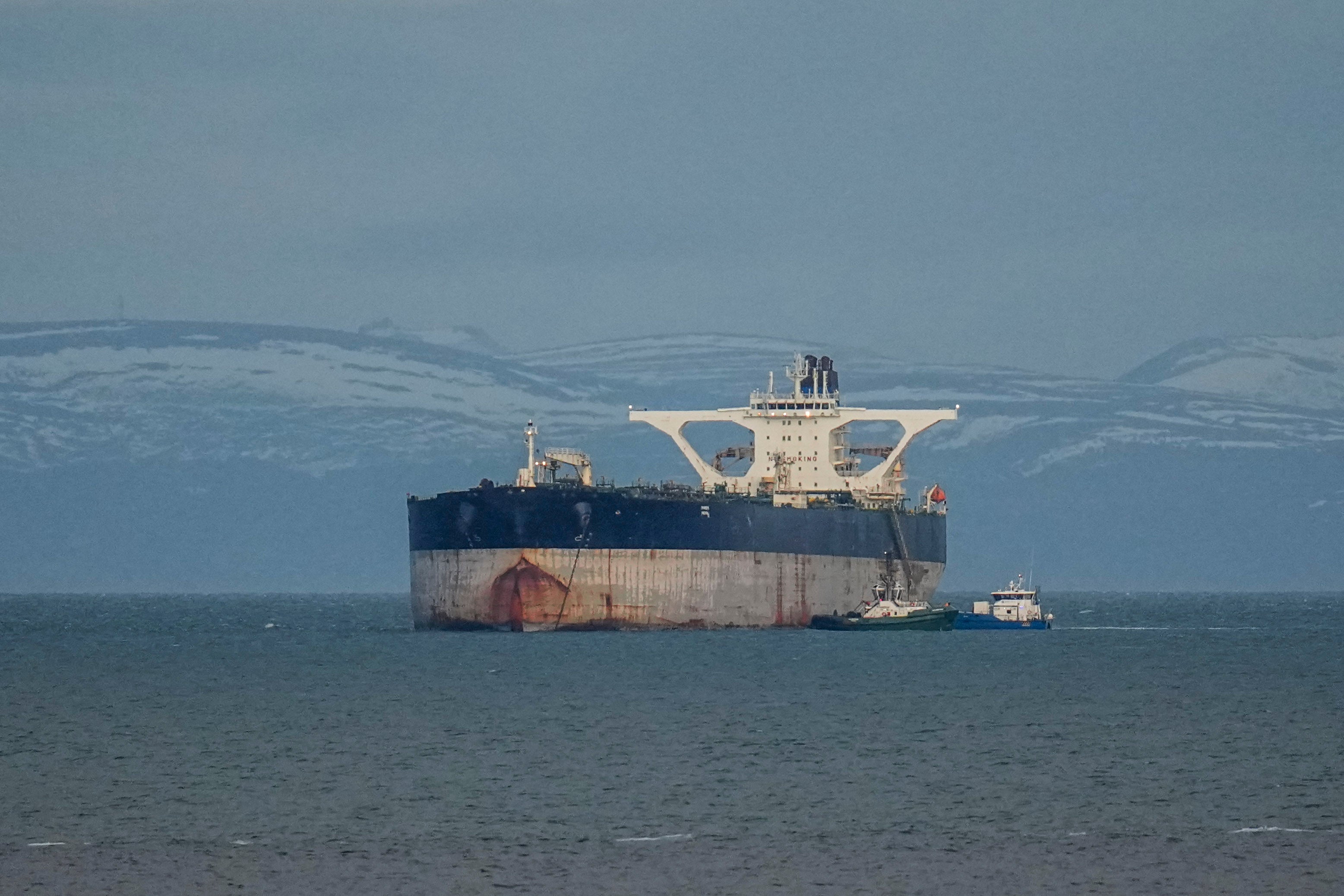
On Thursday, the diversions were already underway – at least three tankers carrying around 2.1 million barrels of Russian Urals crude are heading to Indian ports this week.
One, the Suezmax Odune, has already arrived at Paradip on India’s east coast; another is heading to Vadinar on the west coast; a third that had been signalling Singapore has turned north in the Arabian Sea and is now on course for India, according to vessel-tracking data cited by Bloomberg.
All three ships are under EU and UK sanctions.
China’s position is different but the direction is the same. Beijing had not pledged to reduce Russian purchases the way India had, but its national oil companies had been moderating their intake. Parmar said that restraint is unlikely to last.
“While independent refiners still purchase reasonable volumes of Russian oil, China has stopped its national oil companies from purchasing Russian oil in recent months. This policy may change if the war continues for an extended period.”
Data from Vortexa showed Russian crude deliveries to China rose by around 370,000 barrels per day in February compared to January – roughly matching the volume Beijing had been receiving from Venezuela before shipments were cut off.

China has faced challenges in accessing its two major suppliers this year, both due to Washington. Iranian exports have under strain, although not completely stopped like in the case of India, since the US-Israel attack.
Venezuelan crude, which flowed almost entirely to Beijing under Nicolas Maduro as US sanctions locked out most other buyers, has also been cut off following January’s regime change.
Trump declared in January that he had struck “the concept of a deal” for India to buy Venezuelan oil instead, replacing its Russian oil needs, but production has collapsed to just over 1 million barrels a day, infrastructure would need billions to restore, and the distance might also be a decisive factor for Delhi.
Analysts say this is where Russia’s position becomes particularly beneficial. Much of Moscow’s oil has spent months sitting on sanctioned tankers that Western ports and insurers refuse to handle, making it readily available for Indian refiners.
China, meanwhile, receives Russian crude directly via pipeline, making its access even more secure.
Chris Wright, principal analyst at CarbonBridge, said Russian crude floating storage of around 58 million barrels “would be significantly cheaper than what is looking like increasing oil markets going beyond $80 per barrel,” adding that “any oil or gas producer not reliant on the Strait of Hormuz will now be incredibly important to global oil and gas supplies.”
Russia is not the only one to benefit, analysts said Brazil, Argentina, Australia, Malaysia, and the US, with its significant excess production, all stand to gain from higher prices and tighter global supply.
But none are as strategically placed as Moscow to serve India and China, which together consume roughly 22-23 million barrels a day – a fifth of global demand.
While analysts remain certain over long-term gains for Russia, it has not been able to capitalise on the oil rally immediately due to its own challenges.
Ukrainian drone attacks have left the Sheskharis oil terminal at Novorossiysk, slated to load around 500,000 barrels per day, shut since Monday, while severe icy conditions have reduced loading capacity at its Baltic ports. In the far east, however, exports from Kozmino port are near record highs.
For India, the political cost of turning back to Moscow remains the only complication, and even that is shrinking.
“In the current circumstances, I feel the US will not say anything,” said Vibhuti Garg, director for South Asia at IEEFA, noting that Washington is in a weak position to punish India for seeking alternatives to a route it helped close.
The White House did not immediately respond to questions on how it would view India resuming Russian oil purchases. Meanwhile, the US and France are moving to ease some pressure.
Trump has announced political risk insurance for ships transiting the Gulf and France has dispatched the Charles de Gaulle aircraft carrier to the Mediterranean.
But with the Strait still closed, neither measure changes the basic calculus for India and China: the quickest route back to energy security still runs through Moscow.