

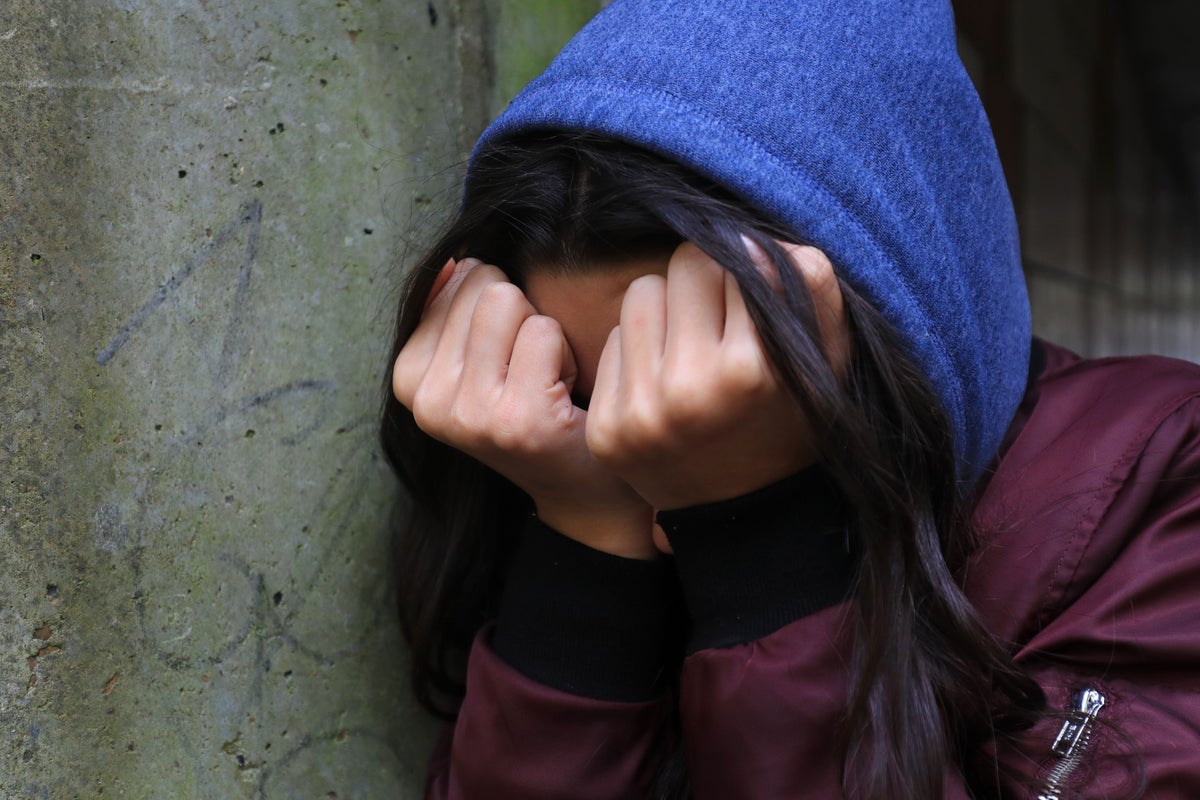
Georgina* was still a child when she revealed she had already been in a series of abusive relationships with men connected to county lines activity.
She had been raised in an abusive household, where instability and fear were part of everyday life. By the time she was a teenager, she was struggling with her mental health, fractured attachments and harmful coping mechanisms, including regular cannabis use and self-harm.
The loss of a parent, as well as a difficult relationship with a step-parent, intensified her feelings of resentment and neglect, deepening her sense of emotional disconnection.
She was 17 when she was eventually coerced into travelling with her partner without realising the true purpose of the journey – to transport drugs across the country.
In recent years, charities have warned that young girls are increasingly being targeted by county lines grooming gangs, a term used to describe organised criminal groups who use children and vulnerable adults to carry out illegal activity on their behalf.
Known as the “boyfriend model”, social workers and charities are continuing to see older male criminals target younger girls, often approaching through social media, which is regarded as the “primary grooming tool” for criminal gangs.
Perpetrators often begin with compliments, physical gifts such as clothes or money, sending loving emojis and even offering beauty treatments such as Botox fillers.
Victims are then often persuaded to move from platforms such as Snapchat or TikTok to encrypted messaging apps.
Asked if more teenage girls and women are being coerced into county lines, one charity source said: “The short answer is absolutely yes. In some ways, it has worsened in the past 12 months.
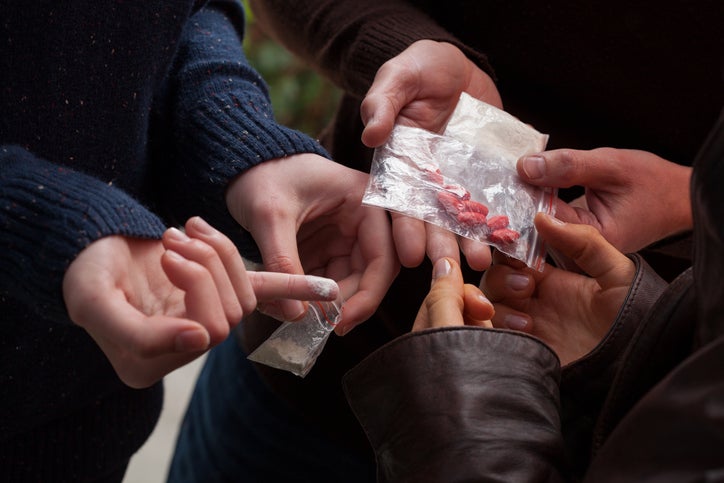
“While the methods of recruitment were sophisticated before, in 2026, it has added another layer, and we are seeing girls increasingly being coerced and abused because they are less likely to be stopped and searched, less likely to be suspected of criminal involvement, and more easily controlled through psychological and sexual coercion.”
During the Home Office’s County Lines intensification week in June last year, a national police operation targeting criminal gangs and safeguarding victims, 50 per cent of the people who received safeguarding support were female, of which 45 per cent were still girls.
“One thing that the public and society need to be aware of is that 20 years ago, we were talking about girls from poverty or living in deprivation,” Jade Hibbert, a regional manager at St Giles Trust, said.
“In 2026, that is absolutely not the case. Any child or young person, no matter their sex or background, could be deemed at risk of sexual or criminal exploitation due to their mobile phones.”
In Georgina’s case, her abuser started to send varying amounts of money after connecting online, which was later identified as a “form of control rather than a gift”.
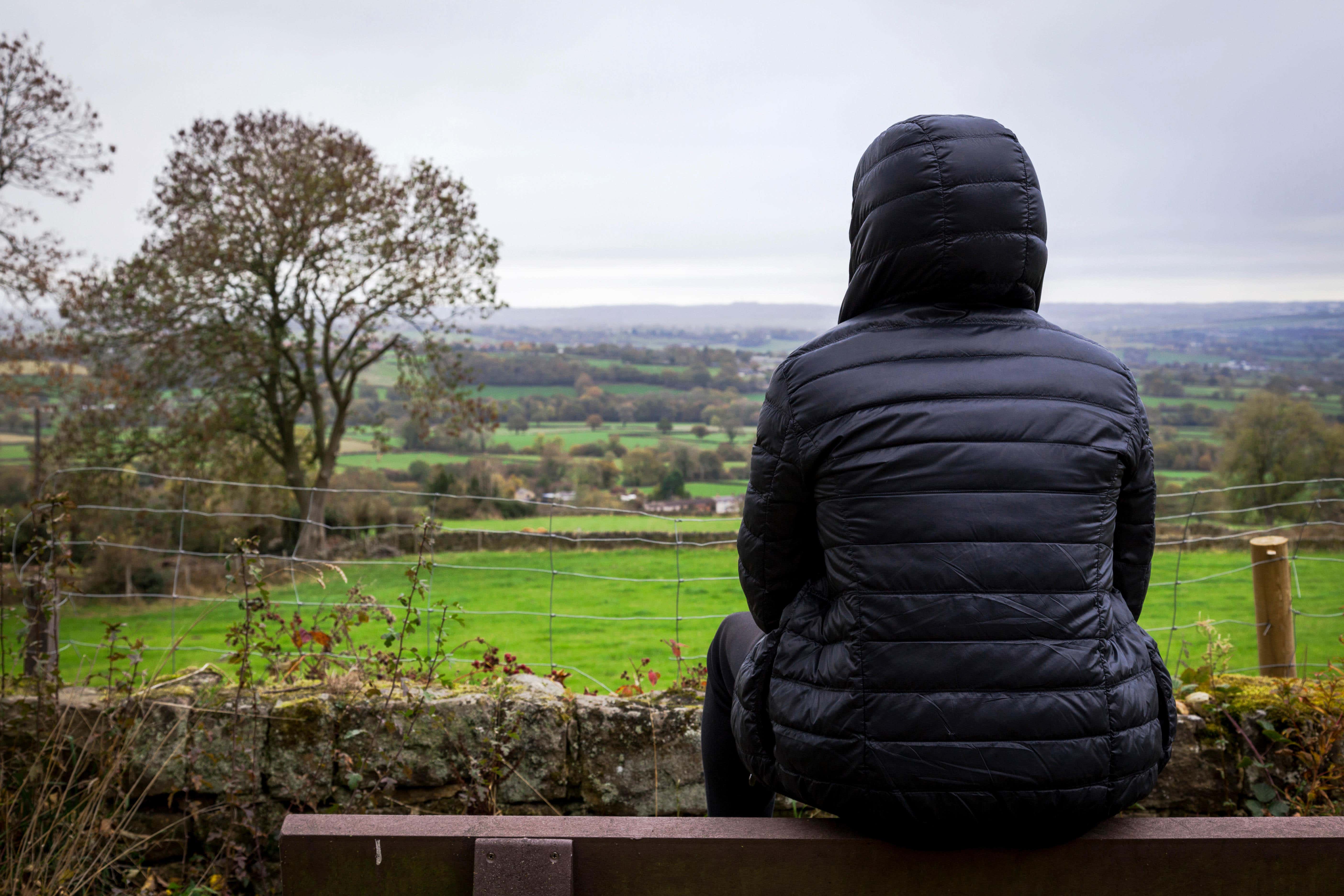
After being referred to the prevention charity Catch 22, she managed to break free from the cycle of abuse and break contact, and has now been able to forge a life free from exploitation.
A Freedom of Information request last August found that children as young as 13 had been arrested by the Metropolitan Police for dealing Class A drugs such as crack cocaine, while two girls were among three teenagers jailed for murder in January after attacking a homeless man near King’s Cross station.
Jaidee Bingham, aged 16 at the time of the assault, Eymaiyah Lee Bradshaw-McKoy, then aged 16, and Mia Campos-Jorge, then aged 17, fatally beat Anthony Marks with a gin bottle in what was described as a “vicious county lines retribution attack”.
In 2025, 22 per cent of the children supported by Catch 22’s county lines rescue service identified as female, with the charity witnessing an increasing number of referrals of young women and girls in recent years.
At least a quarter of the young victims of violence and exploitation that are supported by their Redthread services in A&E are girls and young women. However, the charity warns that the numbers are likely to be much higher given that many victims slip under the radar.
Johnny Bolderson, their senior service manager, said that a recent audit of all their cases involving women and girls revealed that the biggest pattern emerging was the lack of National Referral Mechanisms (NRM) in place. NRMs help identify victims of modern slavery and criminal exploitation, and act as a “bulletproof protection” to prevent them from being convicted or charged, as well as providing them with legal support.
“If you had 200 males under 18, probably over half of them would have an NRM,” he said. “For women and girls, of the 160 we work with, only six of them had an NRM. They’re not being identified correctly as victims of criminal exploitation.”
Their youngest male referral was a seven-year-old boy, while they have received several referrals for 12-year-old girls who are at risk of both sexual and criminal exploitation.
“It’s a bit of everything that they’re being asked to transport, mainly drugs and money. We are seeing some girls holding weapons for their boyfriends,” he said.
Early intervention, however, can be deemed a “postcode lottery”, dependent on the quality of social care services, schools and local police forces.
Another issue is the relationship victims have with police officers, given that they have often been told not to trust the authorities and are reluctant to admit they are being abused.
Essex Police have recently launched the pilot project Under The Radar, aimed at supporting girls and women aged 11-24, who are at risk of criminal and sexual exploitation.
It has been launched in response to growing concerns that girls are increasingly involved in serious youth violence and remain unseen by traditional safeguarding processes.
“Look at Oliver Twist, criminal exploitation is not new,” Ms Hibbert said. “Oliver Twist was being coerced, controlled, given a sense of belonging, a fake sense of purpose, clothes on his back, and he was groomed to be a pickpocket. Our children are being manipulated to carry out violence and carry drugs and weapons. The model is the same.
“Punishing exploited, abused children while organised crime group adults remain in the shadows, that is not justice. It is a failure of safeguarding children.”
*Georgina’s name has been changed to protect her identity