


For decades, mountaineers from across the world have risked their lives to climb Mount Everest. Many succeed in reaching the summit and navigating the dangerous journey down. But a surprisingly high number do not, and their bodies remain scattered across the slopes of the world’s tallest mountain.
As India plans to launch a daring mission to retrieve the body of one such climber who died on the mountain 30 years ago, experts warned that the process to bring back the dead from Everest is as arduous as the climb to summit itself.
Though modern equipment and experienced guides mean Everest expeditions these days have a high success rate, the mountain has claimed hundreds of lives since it was first summited in 1953 – and continues to do so to this day.
According to the Himalayan Database, a website that chronicles ascents in Nepal’s Himalayas, at least 344 people had died on Everest up to the start of the 2026 climbing season.
Billi Bierling, the site’s director, says 232 deaths have occurred on the Nepal side of the mountain and the remainder on the Tibet side, adding that the figures are not considered to be exhaustive.
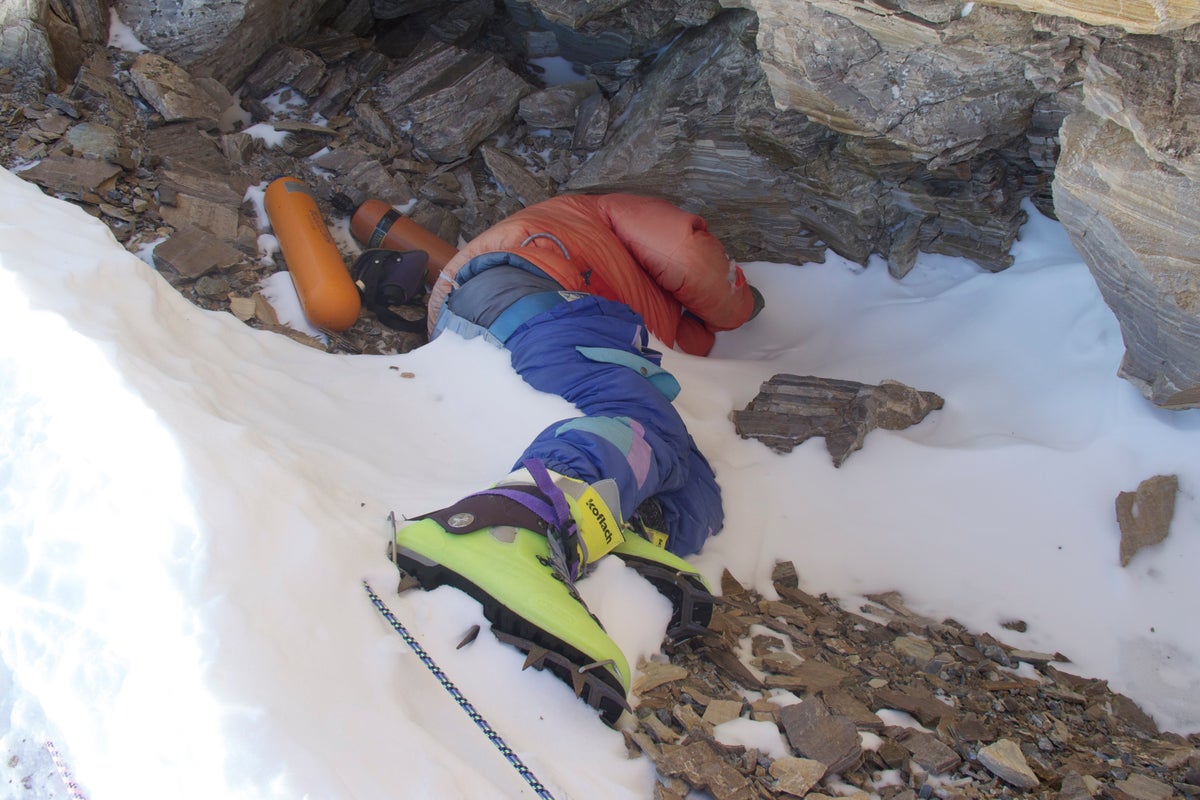
Who is ‘Green Boots’?
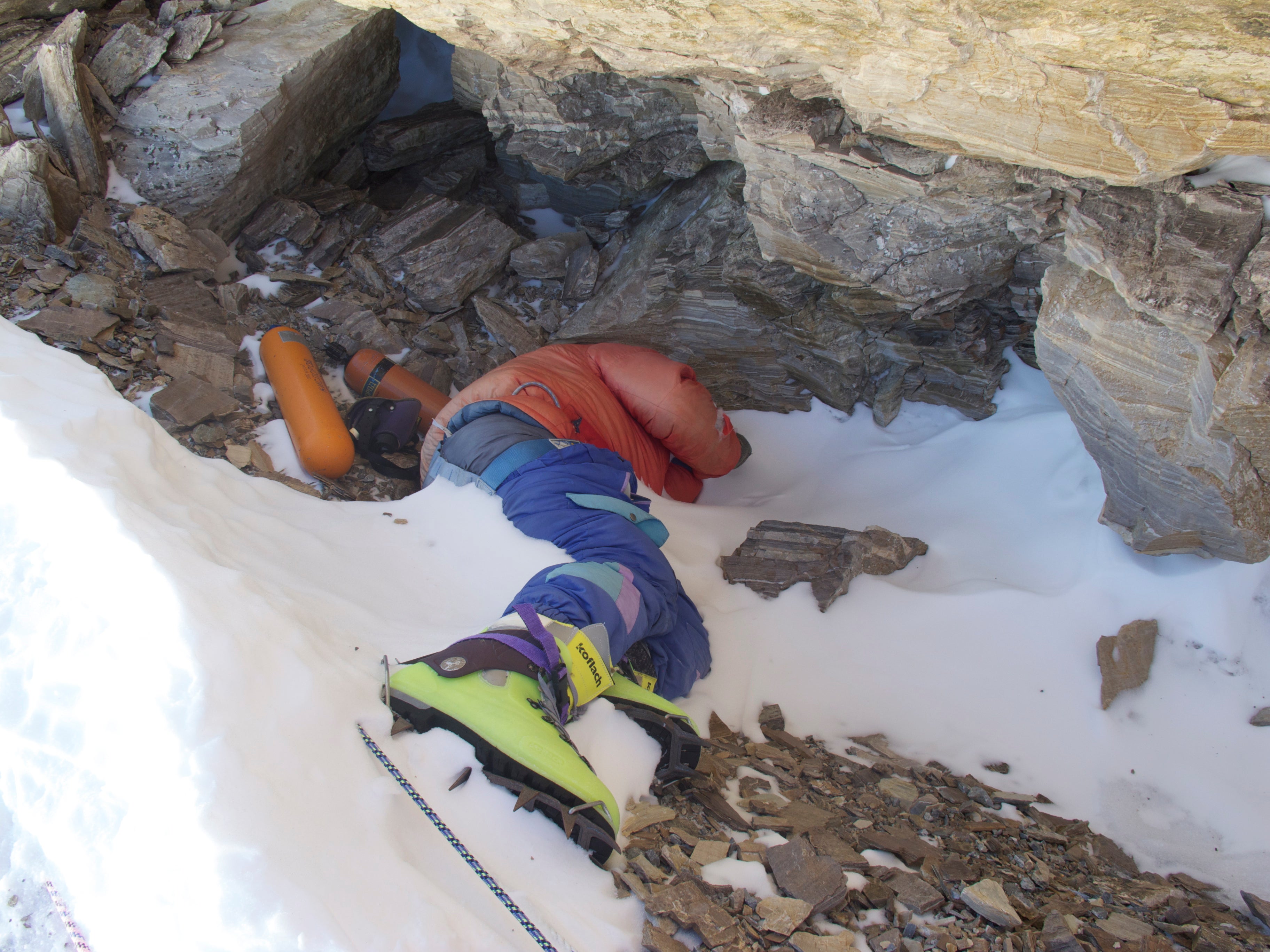
Bierling says she has always felt conflicted about the way “Green Boots”, the body of an unidentified climber that India says it wants to bring home, has become a grim fixture of the Everest landscape. He derives his name from his distinctive green shoes, visible to other climbers who have to pass him on their way to the summit.
She tells The Independent: “For years there’s a gentleman up there who died, and he’s been referred to as Green Boots, and I always wondered, how do his parents feel? He’s become a referral point, you know, a landmark on Everest.”
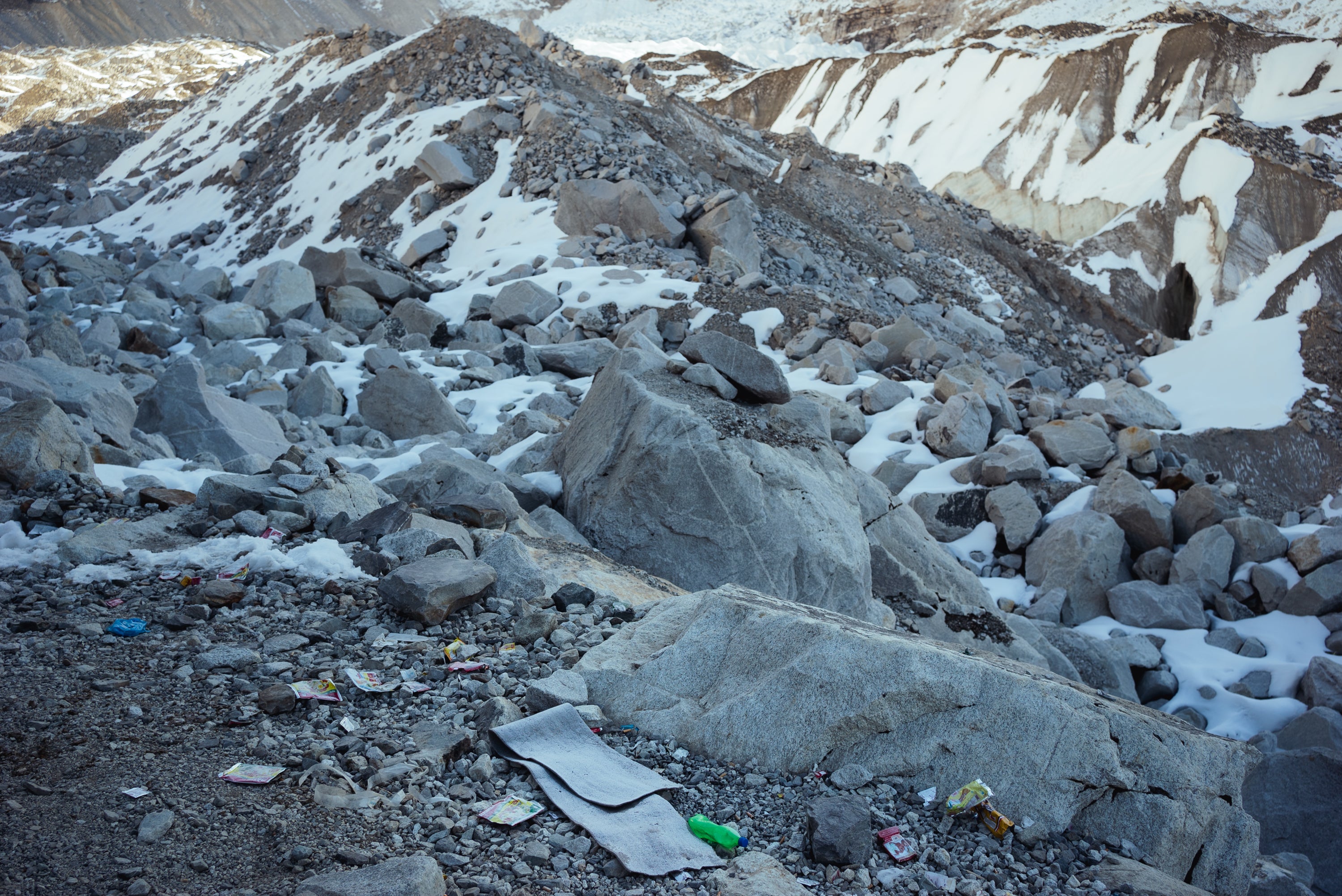
The real identity of “Green Boots” has long been a debate among the researchers. Three Indian mountaineers – Dorje Morup, Tsewang Paljor and another named Tsewang Samanla – were part of a six-member Indian expedition in 1996. After the weather worsened near the summit, half the group turned back while the other three continued. All three who tried to push on to the top died.
India’s paramilitary Indo-Tibetan Border Police (ITBP), which will conduct the mission to retrieve the body, says it believes the remains to be those of Morup, but many mountaineers think it is actually Paljor. The ITBP says its belief is based on the outcomes of an earlier assessment, but told The Independent that reports this had involved DNA testing were not accurate.
While the remains of all three of those who died in the 1996 expedition are still on the mountain, Green Boots rose to prominence because of his close proximity to one of the main trekking routes, with some climbers describing having to physically step over his body. In 2014, the Chinese authorities moved the body some distance off the trail. Climbers have since said that his body is still visible off the northeast route.
Everest’s other best-known fallen climbers
Green Boots is far from the first fallen climber to become part of Everest lore, though its the most prominent example of a body whose identity remains a mystery.
Among the mountain’s best-known bodies are American climber Francys Arsentiev, who was known as “Sleeping Beauty”, and whose remains lay near the northeast ridge for years before being moved from the main route.
The remains of British mountaineer George Mallory were only discovered in 1999, 75 years after he disappeared on Everest during a 1924 expedition. They were identified by a name tag, and though some of his personal items were retrieved, the decision was made to leave the body on the mountain.
Why is it so hard to bring back bodies from Everest?
Most of the bodies of those who die on Everest remain there because retrieval missions are both dangerous and expensive. Experts say that such operations can be more difficult than rescuing a living climber.
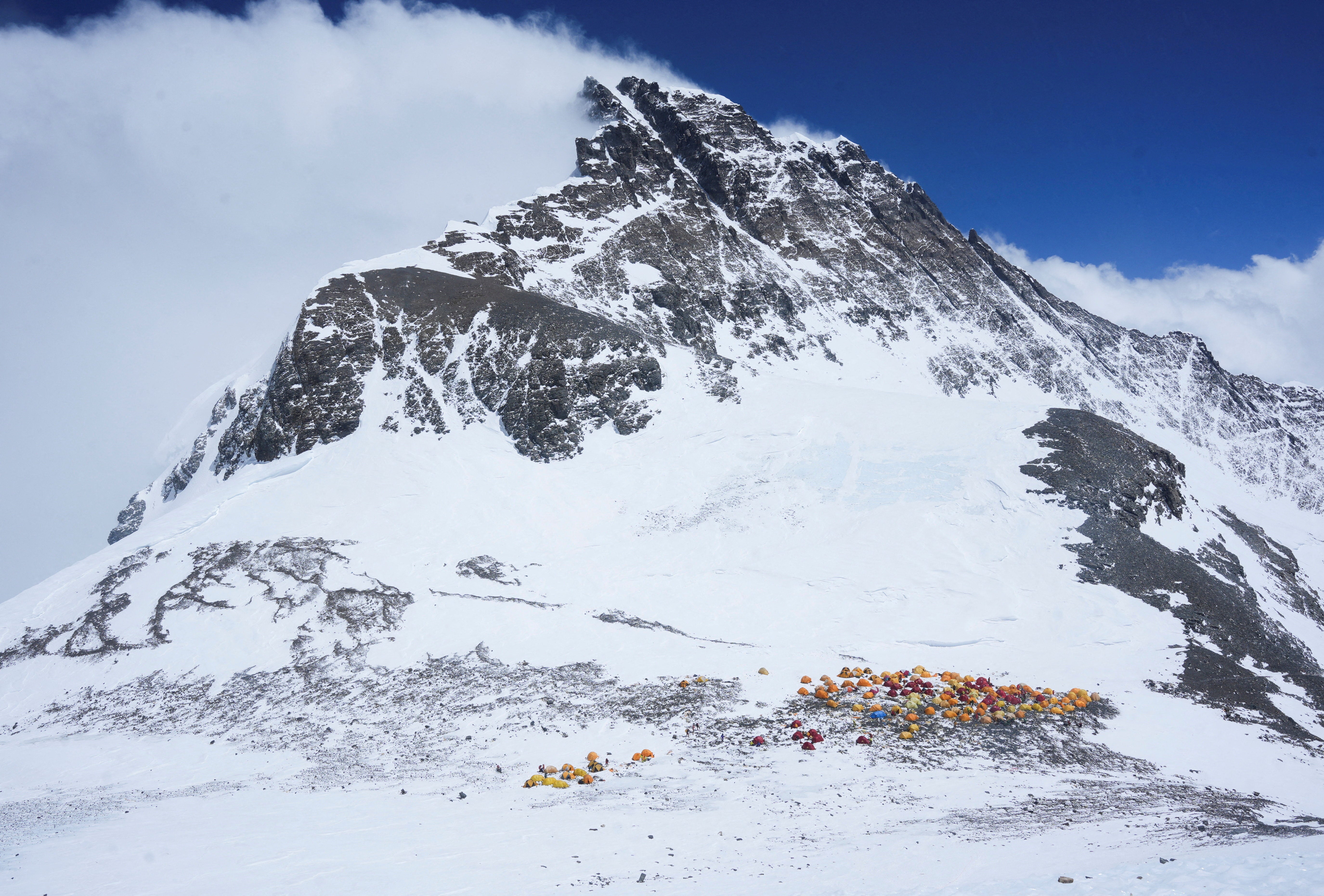
Many of the dead lie in the mountain’s “death zone” above 8,000m, where oxygen levels are so low that even basic movement becomes exhausting. Most bodies remain hidden under years’ worth of snow and ice.
Alan Arnette, a veteran Everest chronicler, tells The Independent that a recovery could require “a team of a minimum of six to eight, maybe even 10 people” and that it can be “logistically very complicated”.
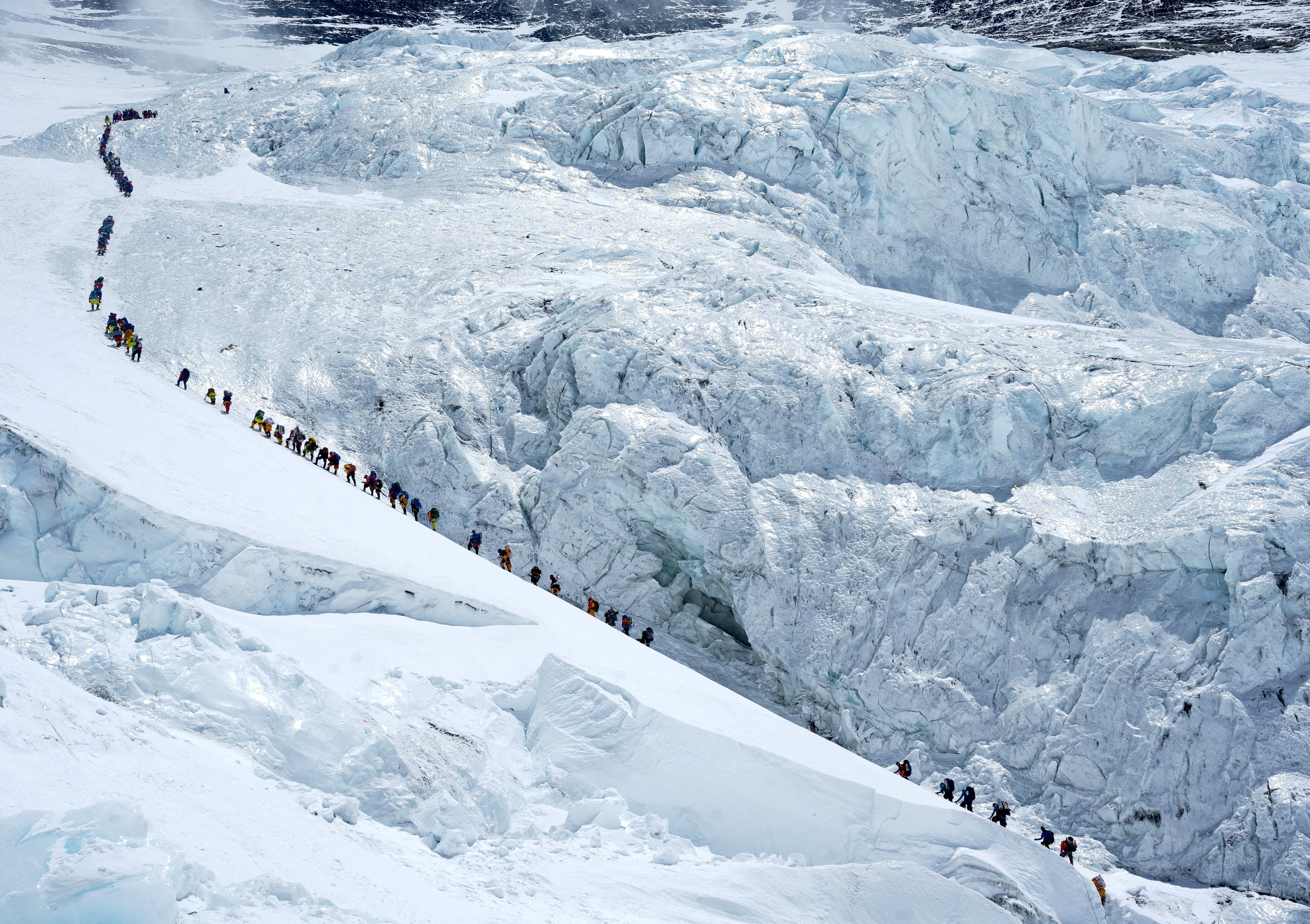
He says that rescuers must negotiate steep, technical sections of the route while carrying a body, all while operating in an environment that severely limits human performance.
Why the retrieval of Green Boots could be even more complicated
India’s ITBP has issued a tender seeking an experienced high-altitude recovery team for the project to bring back Green Boots’ remains. The mission would likely require coordination with the Chinese authorities to move the body from Tibet to Nepal and then back to India, and the operation is expected to take place between June and September.
Green Boots presents an unusually difficult recovery challenge because he is believed to be located high on Everest’s north side, near the route between the First and Second Steps – two rocky outcrops that are used as landmarks – and firmly within the “death zone”.
Bierling says that, after 30 years, Green Boots’ body will be “frozen to the mountain”.
Arnette also argues that Green Boots is probably “covered in snow”, and most likely rocks too. “They are going to have to use ice axes to separate his frozen body from the frozen mountainside,” he says. “It’s going to be very, very gruesome.”
The operation would then require rescuers to carry the remains through some of the most technical sections of the northeast route. Arnette describes the Second Step as a 30-metre-high rock face fitted with a ladder that climbers must ascend while wearing crampons, heavy gloves and oxygen equipment.
He says: “You’re encompassed in all of this extra clothing and technical climbing gear, which makes it difficult to see and difficult for footwork.”
At the Second Step, he says, climbers must first scramble up a near-vertical rock section before ascending the aluminium ladder fixed to the mountain. “In order to get to the base of the ladder, you’ve got to climb on another vertical rocky outcropping, then climb this ladder while wearing these spikes, crampons, and you’ve got heavy gloves on, so it’s just very awkward.
“It’s not easy because you’re at that altitude and you have all this extra gear on you.”
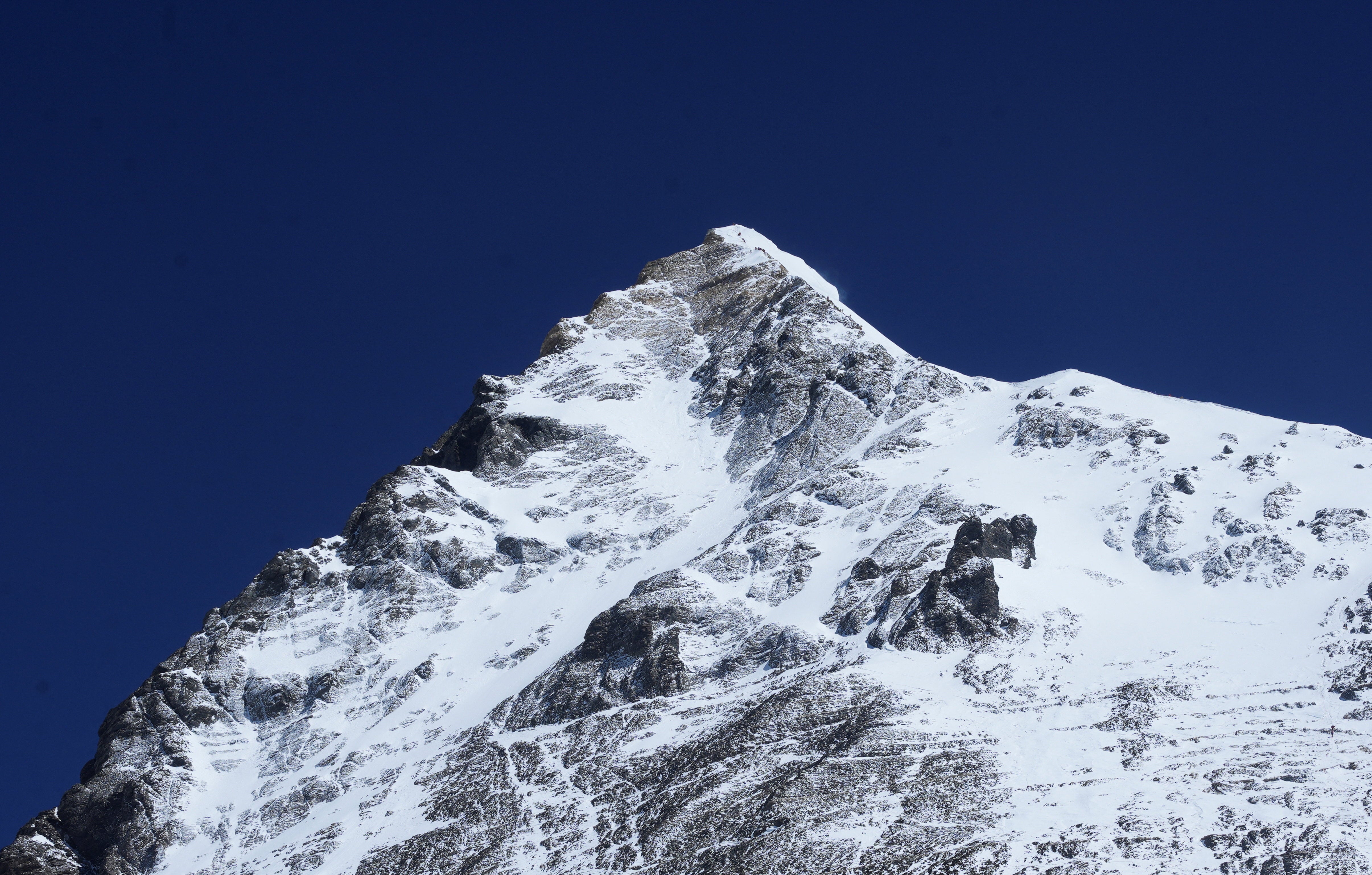
Then, there is the China angle and the matter of permissions. The recovery agency that ITBP is seeking will have to navigate multiple levels of bureaucracy, which might not be easy.
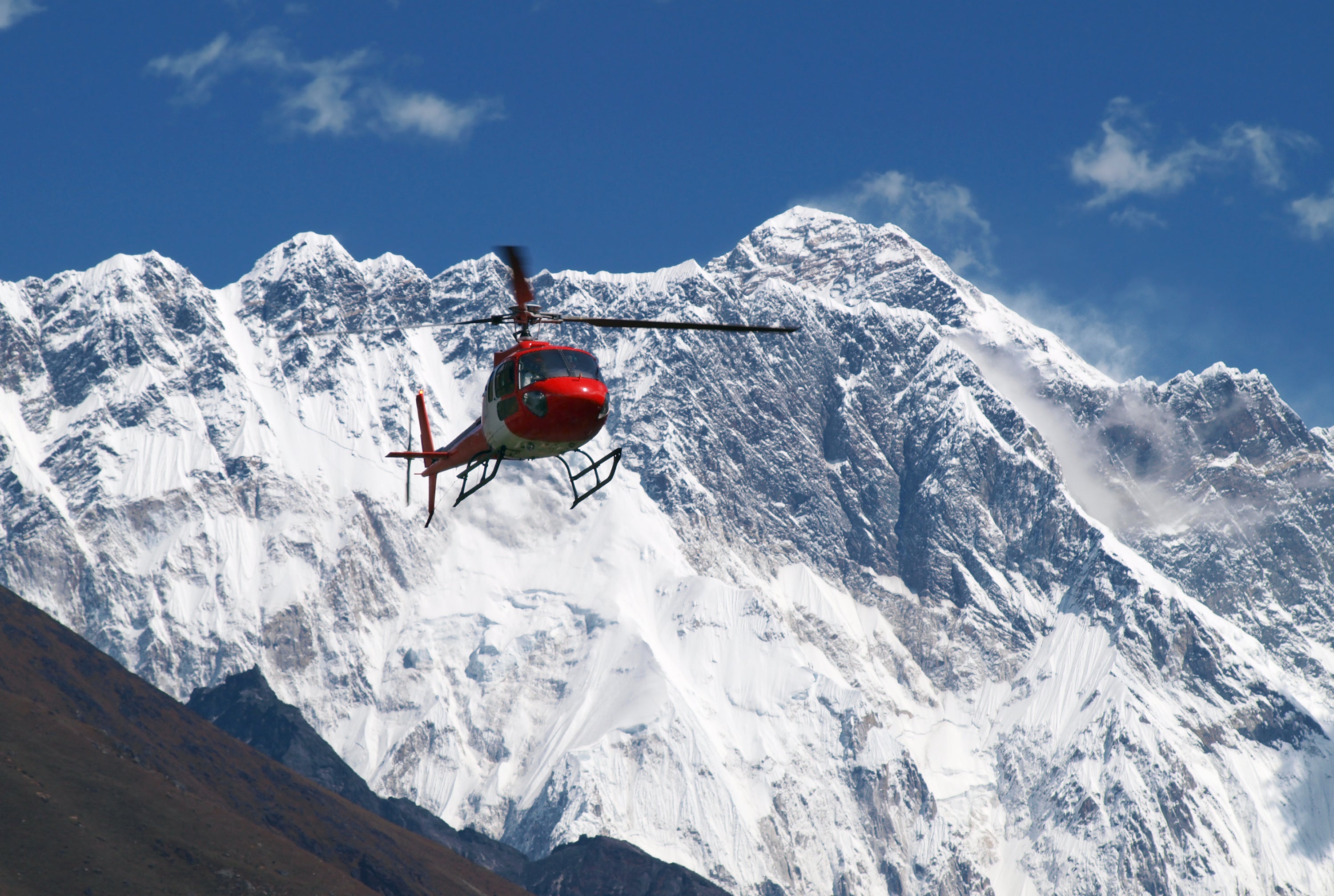
Transport is another challenge. Bierling tells The Independent: “You can’t really fly helicopters as freely as you can fly them in Nepal. In Nepal, it would cost a lot of money, and it would need permission to fly a helicopter, but in Tibet it’s not even allowed.
“And then of course they couldn’t fly in between the First and the Second Step; it’s quite high, you know. It would be challenging.”
An ethical and religious dilemma
Beyond the logistics of the retrieval, experts believe that it could also be against the beliefs of Buddhism, the majority religion in Tibet.
Arnette tells The Independent that many of the climbers likely to be involved in the operation would be Tibetan workers, many of whom follow Buddhism.
Since the retrieval would involve separating his body with ice axes from the frozen landscape, “it goes against the Buddhist beliefs to desecrate a body,” Arnette says. He says it might clash with the beliefs of the workers and the goal of ITBP to give Green Boots a dignified recovery.
The Independent has reached out to ITBP for comment.
A costly mission
The operation to recover his body would require a large support team, oxygen supplies, ropes and other equipment, and Arnette believes the estimated cost could be anything between $100,000 and $150,000.
Previous efforts to recover bodies from Everest have sometimes faced opposition from families and local communities.
In 2010, a plan to remove bodies from the mountain’s south side was abandoned after relatives asked that the climbers remain where they had died, in accordance with their wishes. The same year, a proposal to scatter Sir Edmund Hillary’s ashes on the summit was blocked by Nepalese authorities and Buddhist religious leaders, who argued that Everest is a sacred mountain and should not be used for publicity or symbolic gestures.
Green Boots is believed to be above 8,500 metres – the so-called “death zone” where oxygen levels are roughly a third of those available at sea level, and because of that the human body begins to die.
Bierling says: “The world is very different up there. It’s inexplicable. I’ve climbed six 8000m (peaks), and I think it’s something you have to experience yourself, but, of course, your body weakens significantly more without supplemental oxygen.”
She says: “At 8,000 metres… your body is just wasting away, because we shouldn’t be up there; we’re not made to be up there.”