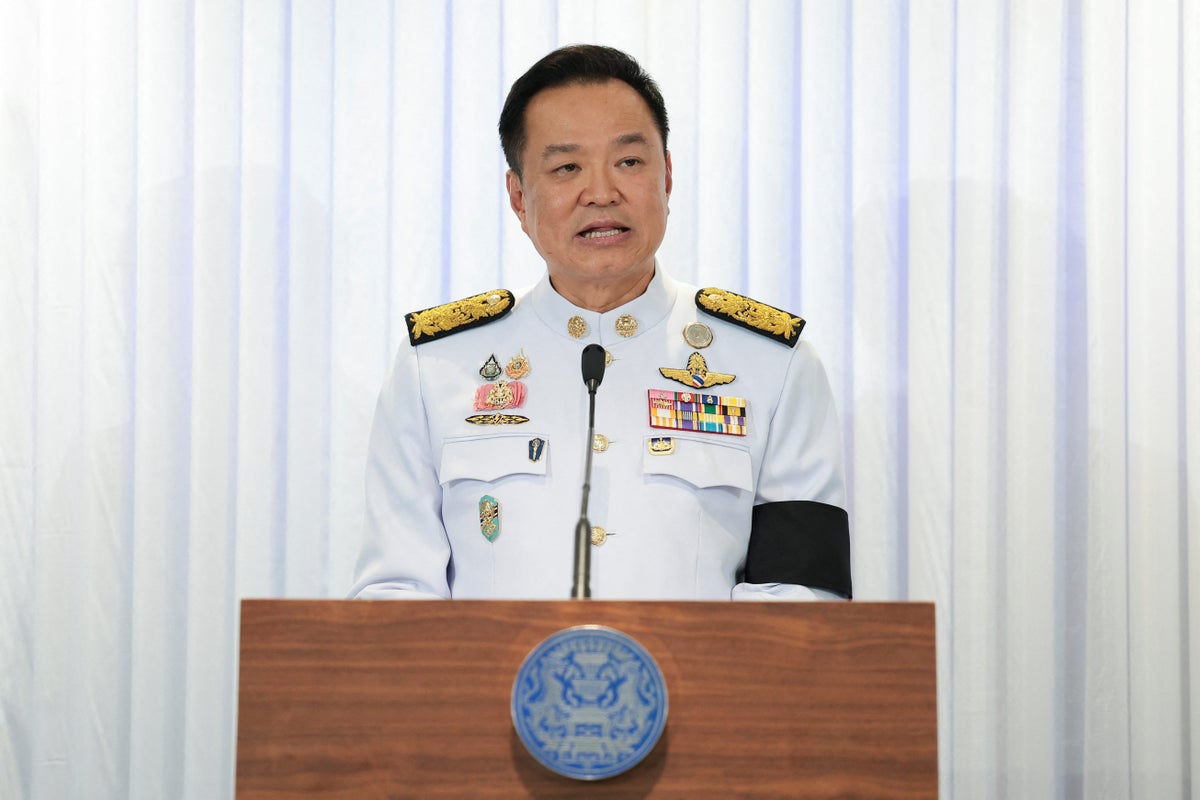
Thailand has made a deal with Iran to allow the country’s oil vessels to safely pass through the Strait of Hormuz, Thai prime minister Anutin Charnvirakul said on Saturday.
Iran has restricted the flow of cargo ships through the Strait since the US and Israel began military operations against Tehran in late February.
The Strait is a major lifeline allowing naval transport of crude oil and natural gas from the Middle East to other parts of the world, especially Asia.
Since the start of the war in Iran, commodities shipping through the Strait has plunged 95 per cent, according to some estimates.
This includes over 80 per cent of the crude oil and liquified natural gas (LNG) passing through the Strait of Hormuz, which heads to Asia.
South-east Asia is currently suffering from fuel supply difficulties, with long wait lines at petrol stations becoming increasingly frequent in countries like Thailand.
So far, nearly a dozen commercial vessels carrying goods have been attacked in the Gulf, the Strait of Hormuz or the Gulf of Oman this month, according to the British naval maritime security agency UKMTO.
This includes a Thai bulk carrier travelling in the Strait of Hormuz, three of whose crew are also missing.
Hundreds of vessels and 20,000 seafarers have been stranded inside the Gulf since the beginning of the war.
Tehran has clearly stated that it has closed the Strait to the US, Israel, and countries militarily aligned with them.
“Aggressor parties – namely, the US and the Israeli regime – as well as other participants in the aggression, do not qualify for innocent or non-hostile passage,” Iran said in a circular earlier this week.
Tehran said on Friday that it would grant safe passage through the Strait for “friendly nations”, including China, Russia, India, Iraq, and Pakistan, amid rising regional tensions.
Now, Thailand has also reached a favourable deal with Tehran.
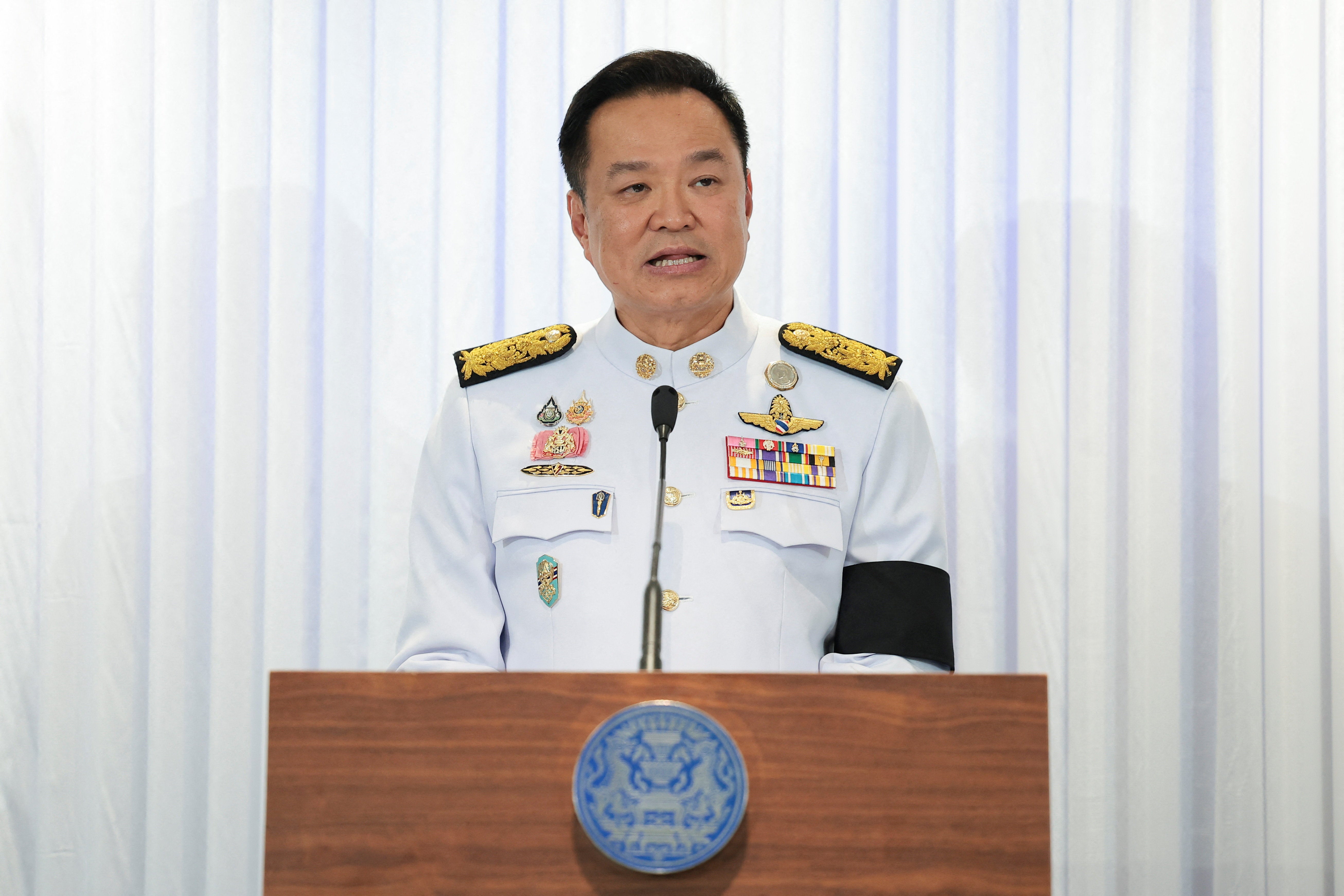
“An agreement has been reached to allow Thai oil tankers to transit safely through the Strait of Hormuz,” Mr Charnvirakul said at a press conference.
The Thai prime minister added that the development would alleviate concerns over fuel imports.
On Friday, Mr Charnvirakul apologised to the public over fuel price volatility, admitting that his newly formed government had misjudged the situation in the Middle East.
He urged the public not to panic, saying domestic fuel supplies remained sufficient.
Now, with the latest agreement in place, the Thai prime minister said “there is greater confidence that disruptions like those seen in early March will not recur,” adding that his government would “continue to adapt to evolving situations”.