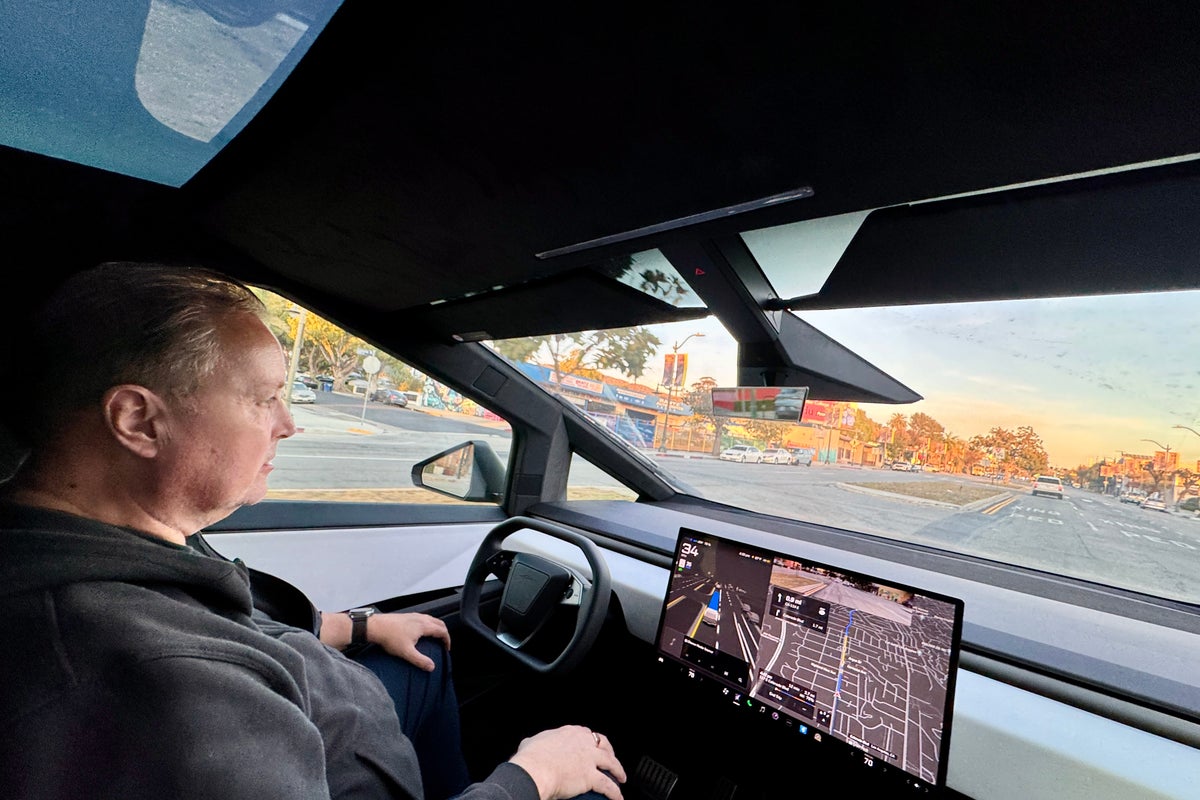
The odds of hailing a driverless ride in Las Vegas could soon skyrocket.
Tesla is seeking permission to launch a massive fleet of up to 5,000 robotaxis in the valley, one of the company’s largest autonomous vehicle proposals yet.
According to filings submitted to Nevada regulators, Tesla has applied for an Autonomous Vehicle Network Company permit that would allow the electric vehicle maker to operate a large-scale robotaxi fleet throughout Clark County, Las Vegas, Harry Reid International Airport and Henderson Executive Airport and surrounding communities. The application requests approval to operate up to 5,000 robotaxis during the first 12 months of operation.
Having another self-driving vehicle company on local roads could give consumers more options and a better sense of how various autonomous technologies perform, Shashi Nambisan, director of UNLV’s Transportation Research Center, said.
“I welcome the possibility that we will have Tesla or other autonomous vehicle operators in the valley,” Nambisan said. “It just opens up a lot of avenues for the users here, whether they be locals or visitors,” he told 8 News Now.
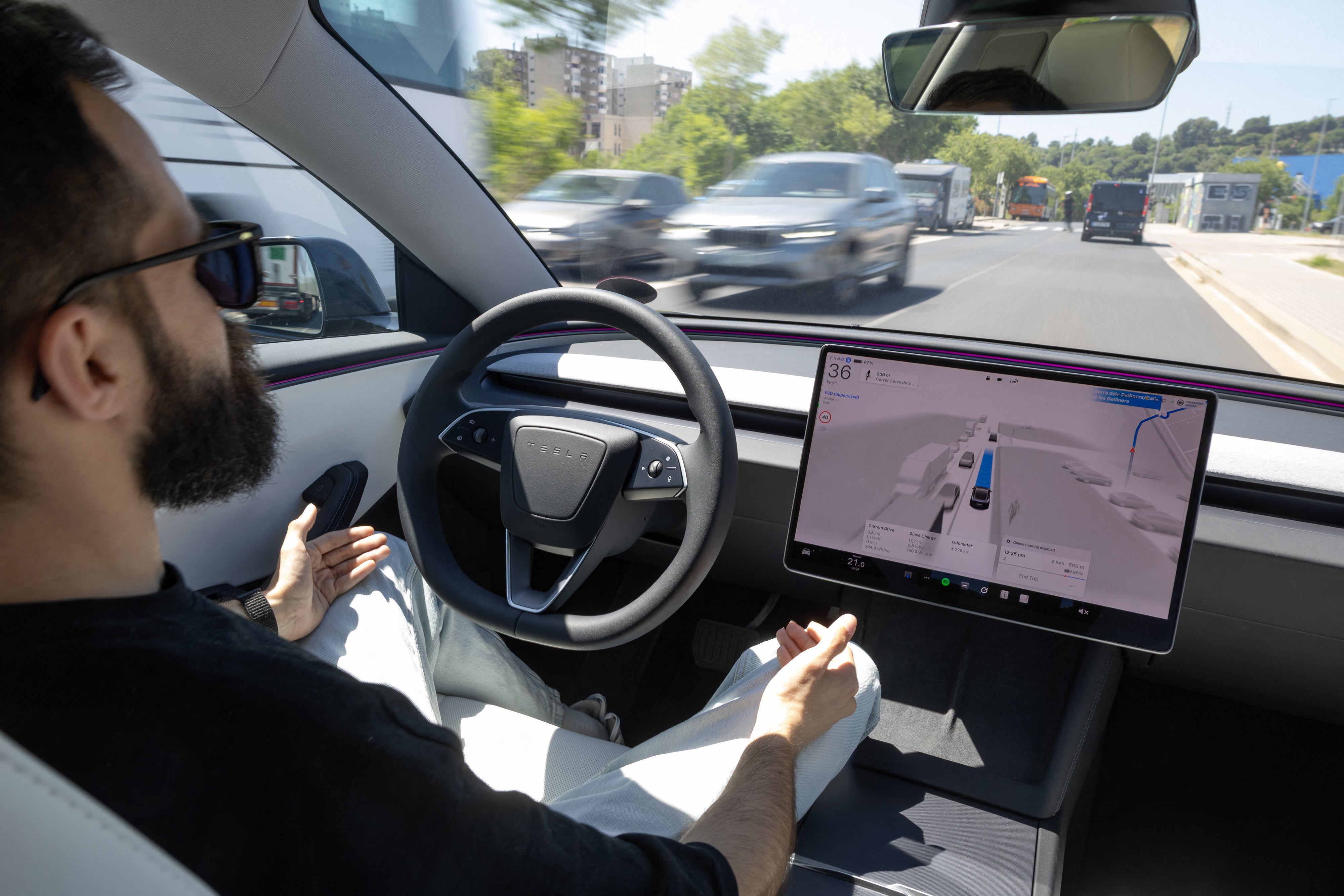
Unlike most other autonomous vehicles, which use sensors like LIDAR, Teslas use camera-based systems for self-driving.
“Tesla, as a company, has shown that with their full self-driving, FSD technology, which they market quite actively, that it has been overall proven to be fairly reliable,” Nambisan said. “So I don’t have any specific concerns.”
Before Tesla can begin carrying paying passengers, however, the company must secure all required regulatory approvals from Nevada transportation authorities. The application process is expected to include reviews of safety procedures, operational plans, and compliance with state autonomous vehicle regulations.
How visible Tesla’s proposed robotaxi fleet becomes in the Vegas area will largely depend on where the vehicles are permitted to operate, Nambisa said.
“We have 2.3 million residents approximately here, and about 2 million vehicles. So, 5,000 vehicles over 2 million vehicles is a very small number,” Nambisan said.
The Sin City push comes as Tesla ramps up its robotaxi rollout in Texas. Self-driving Teslas are already transporting passengers in Austin without safety drivers, and the company has begun expanding the service to Dallas and Houston.
Still, Tesla’s robotaxi rollout has not moved quite as fast as CEO Elon Musk once suggested it might.
In July 2025, following the launch of the small pilot program in Austin, he said robotaxis could reach “half the population of the U.S. by the end of the year” and scale at a “hyper-exponential rate,” according to Reuters. But by April, Musk had dialed back expectations, telling investors the company was now aiming for operations in “a dozen or so states” by year’s end and emphasizing a more “cautious approach” focused on safety.