.jpg?width=1200&height=800&crop=1200:800 "Cheese products recalled ‘under protest’ as FDA investigates E coli outbreak – UK Times")

Some of the UK’s most popular takeaway dishes contain more salt than their menus indicate.
That’s according to food scientists from the University of Reading who tested the salt levels of 39 takeaway meals from 23 chains and independent outlets across the town.
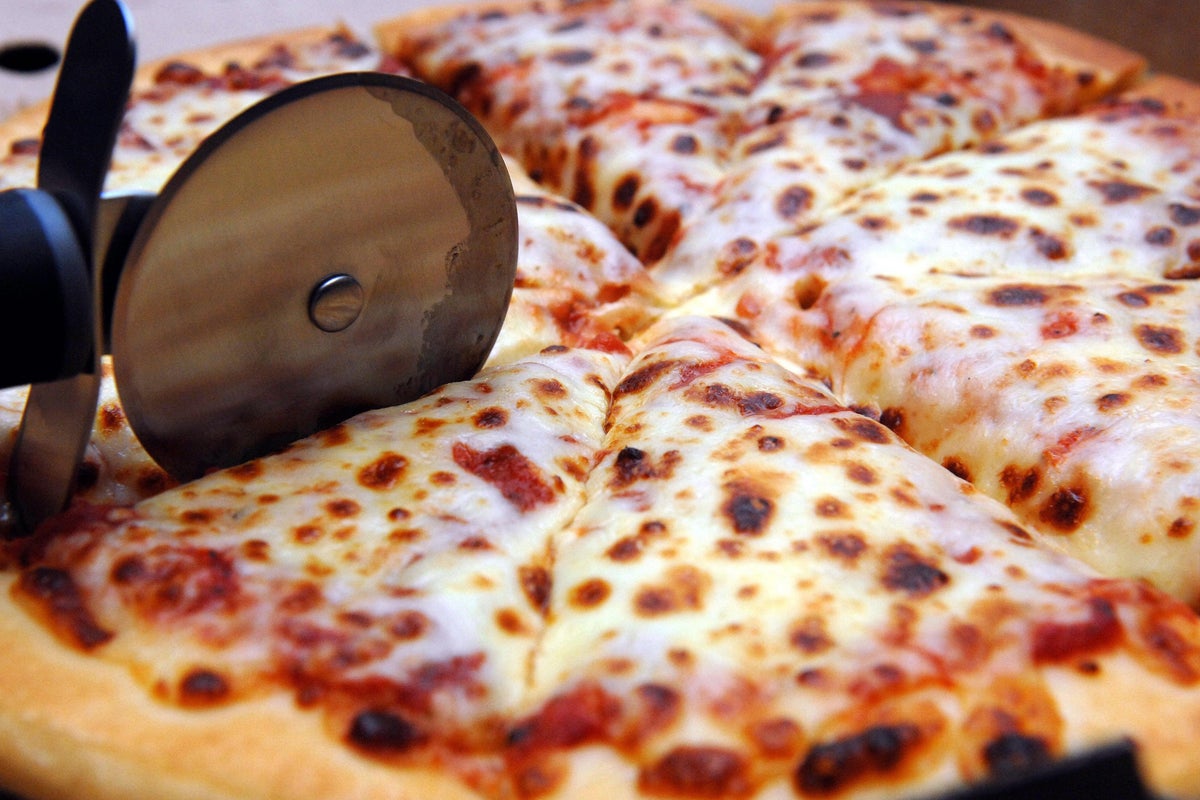
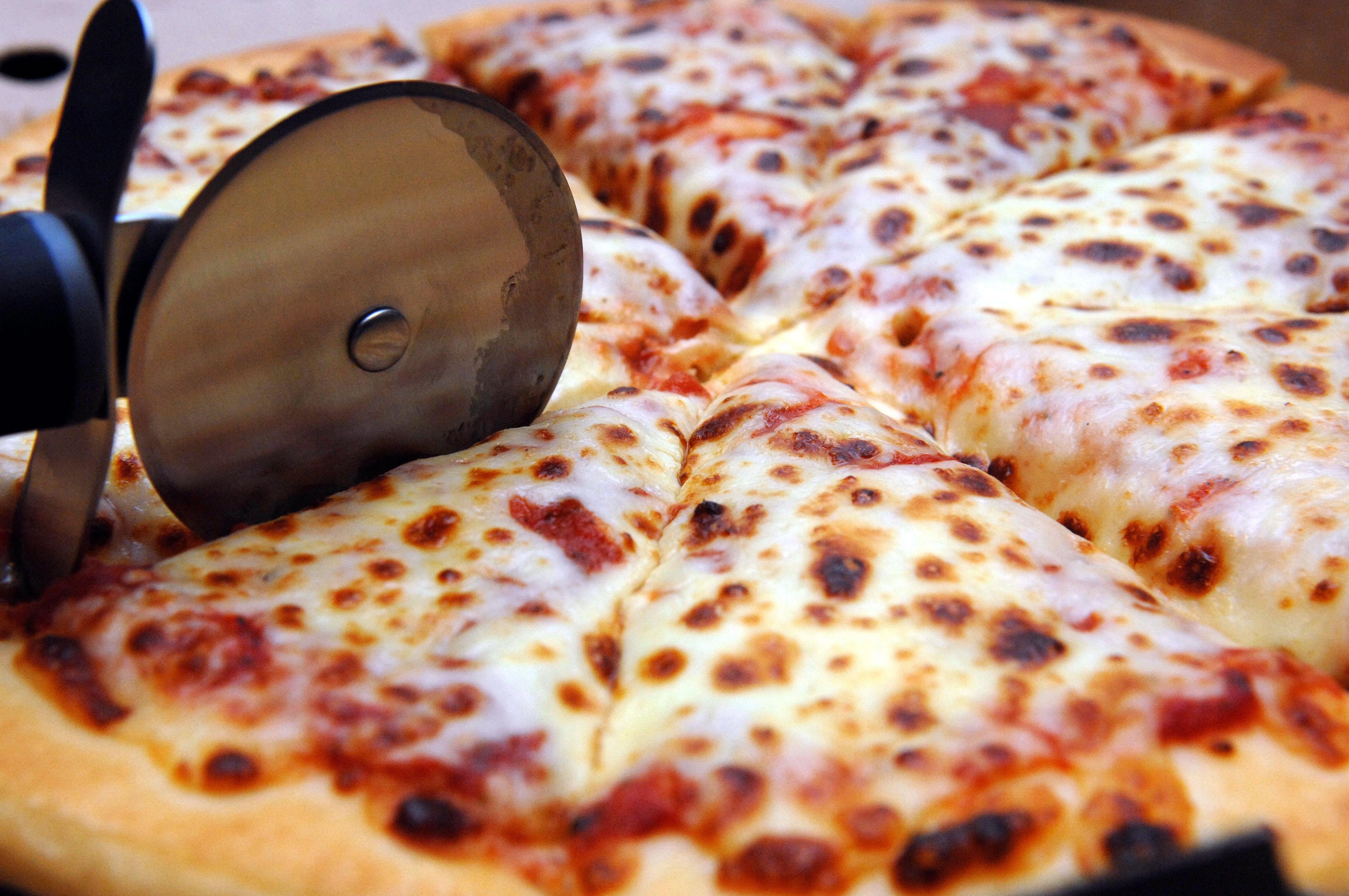
Almost half of the food tested exceeded the declared salt levels with curries, pasta and pizza dishes often failing to match what their menus claim, making it hard for consumers to keep track of their salt intake.
“Salt content is incredibly variable and the labels don’t necessarily tell you how much is in there – it’s not even the upper level,” Professor Gunter Kuhnle, who led the study from the University of Reading told the Independent.
He stressed that the public needs to be aware that menu labels are only rough guidelines at best and not accurate measures.
While not all restaurants provided salt levels on their menus, some meals from independent restaurants contained more than 10g of salt in a single portion. The UK daily recommended salt intake for an adult is 6g.
Meat pizzas had the highest salt concentration at 1.6g per 100g. Pasta dishes contained the most salt per serving, averaging 7.2g, which is more than a full day’s recommended intake in a single meal. One pasta dish contained as much as 11.2g of salt. Curry dishes showed the greatest variation, with salt levels ranging from 2.3g to 9.4g per dish.
Surprisingly, traditional fish and chip shop meals contained relatively low levels of salt, as it is only added after cooking and on request. Chips from these outlets had the lowest salt levels at just 0.2g per serving, compared to chips from other fast food eateries which averaged 1g per serving.
The study published in the journal PLOS One, highlighted the inaccuracies of food menu labelling and raised the question whether calories, fat and sugar levels are also not correctly labelled.
Professor Kuhnle said: “It is very difficult for restaurants to provide accurate values without measuring each meal. Variations in preparation methods, ingredients used and portion sizes mean food labels are often guess work. It’s virtually impossible to know exactly how much salt is being added to your dinner.”
He explained that even at large chains where the food is standardised, there are still variations. This could be as simple as one burger contains more sauce than another.
“If you buy a sandwich and it says 343 kilocalories, it’s obviously not exactly 343, it’s sort of somewhere around it. But there is this really funny idea that this is very accurate and actually it isn’t,” Professor Kuhnle said as an example.
“I think if you’re dieting, you count the calories to get to 2500, and then you realise probably the sandwich could be anywhere between 200 and 300 calories. You actually don’t know,” he added.
He suggested food labels should not show an absolute amount but a range so consumers can understand if the food is low or high in salt.
While food companies have been reducing salt levels in shop-bought foods in recent years, food sold in high street takeaways can still be very high in salt.
The World Health Organization estimates that excess salt intake contributes to 1.8 million deaths worldwide each year. A diet high in salt can raise blood pressure and increase the risk of heart attacks and strokes.
Sonia Pombo, head of impact and research at Action on Salt & Sugar, said: “This study is a stark reminder that you can’t ‘choose healthier’ if the information in front of you is unreliable.
“Salt levels in takeaway meals are clearly all over the place, and when menu labels don’t match what’s actually in the food, it risks misleading people and undermining public health efforts to cut salt intake.”