



Mobile NHS scanning units, strategically placed in supermarket car parks, sports stadiums, and high streets across England, have detected lung cancer in over 10,000 individuals, new figures reveal.
Crucially, more than three-quarters of these cases were identified at early stages one and two, significantly boosting treatment success rates, NHS England confirmed.
This vital initiative forms part of the NHS Lung Cancer Screening Programme, which began in 2019, specifically targeting areas most affected by the disease. Early detection is paramount, with officials stating that patients diagnosed in the initial stages are 13 times more likely to survive for five years compared to those whose cancer is found later.
Professor Peter Johnson, NHS England’s national clinical director for cancer, said: “Lung cancer checks and scans save lives, so it’s fantastic the NHS has now diagnosed over 10,000 people – the majority at an early stage, when treatment is most effective. The Lung Cancer Screening Programme has been designed around where people already are, bringing scanners into their local communities to make it easier for people to get checked.”

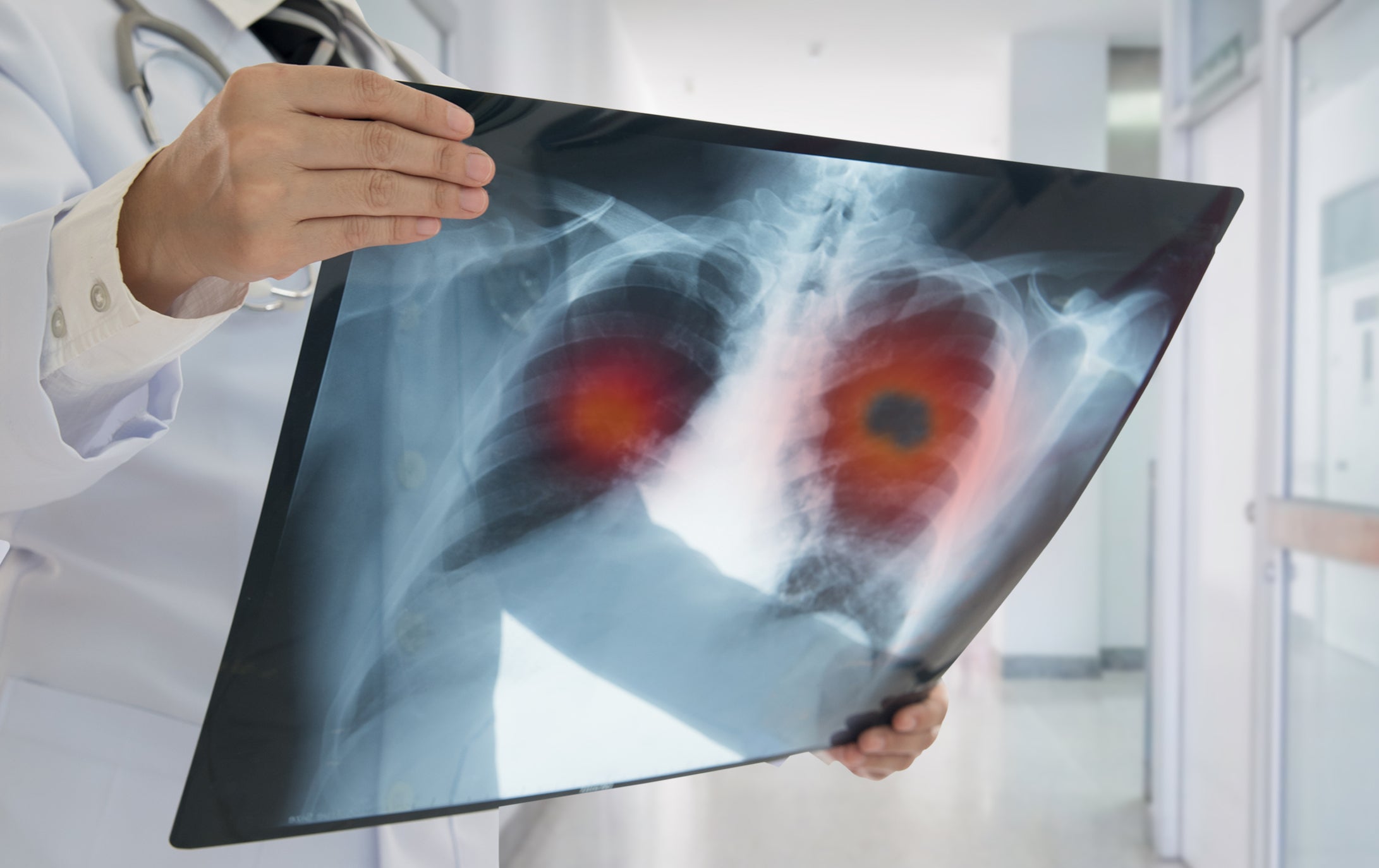
Ken Roberts, 74, from Bolton, exemplifies the programme’s success. Despite having no symptoms, Mr Roberts attended a mobile unit at Morrisons, leading to a stage one lung cancer diagnosis and successful surgery.
The grandfather of five, a manufacturing company director, said: “I went because it was so convenient… Now I just feel really lucky that I went for that lung health check as I so nearly didn’t go. And I’m telling everyone to go for theirs when they get the invite.”
With 50,200 new lung cancer cases diagnosed annually in the UK – 140 every day – the programme’s nationwide expansion is eagerly anticipated. A full national rollout by 2030 aims to invite six million people in England for checks, potentially diagnosing 50,000 additional cancer cases.
Health Secretary James Murray said: “Catching cancer early is a powerful way to save lives and ensure people live better with cancer, and this programme shows what the NHS can achieve when we take healthcare to people, rather than waiting for them to come to us. I urge anyone who receives an invitation to take it up – it could be the most important thing you do this year.”