A senior Labour MP has led a political backlash against the state visit of Nigeria’s president Bola Tinubu amid growing concerns about human rights abuses in the African country.
Fabian Hamilton, who chairs the All-Party Parliamentary Group on Human Rights, has written to Sir Keir Starmer warning that he has a “moral responsibility” to raise concerns about democracy and human rights with President Tinubu.
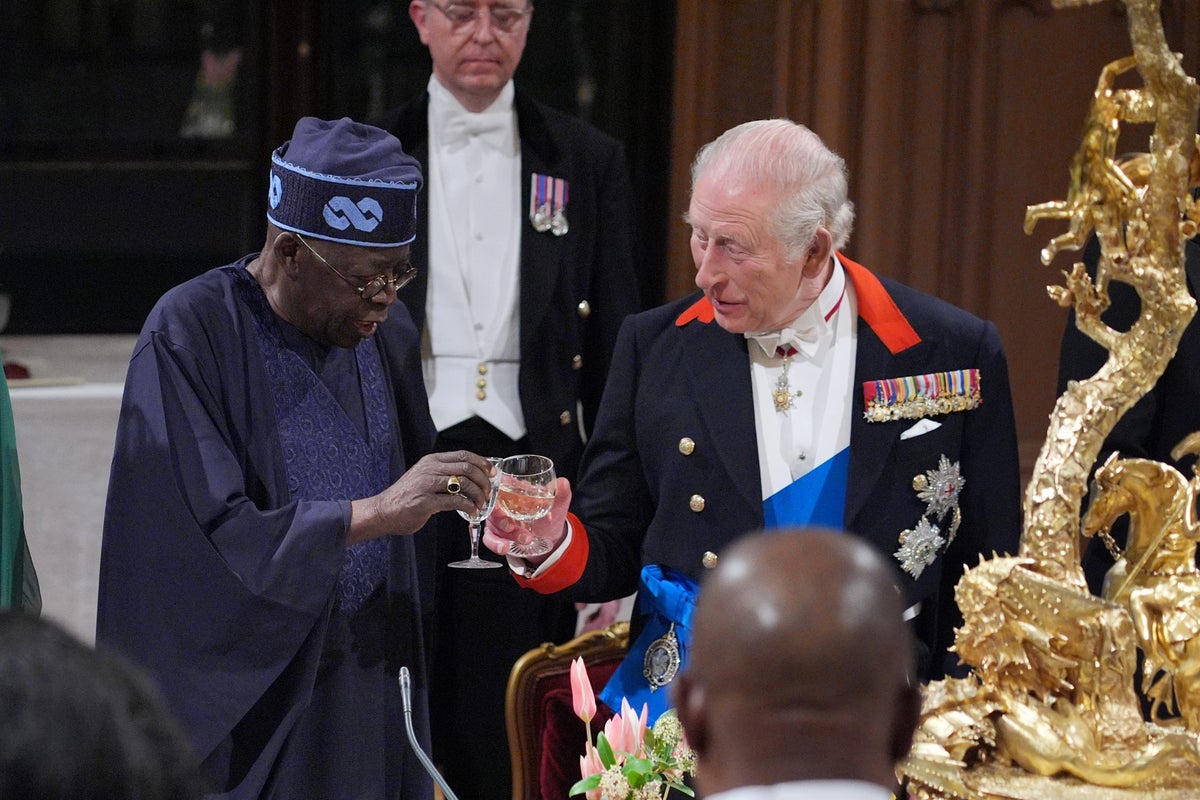
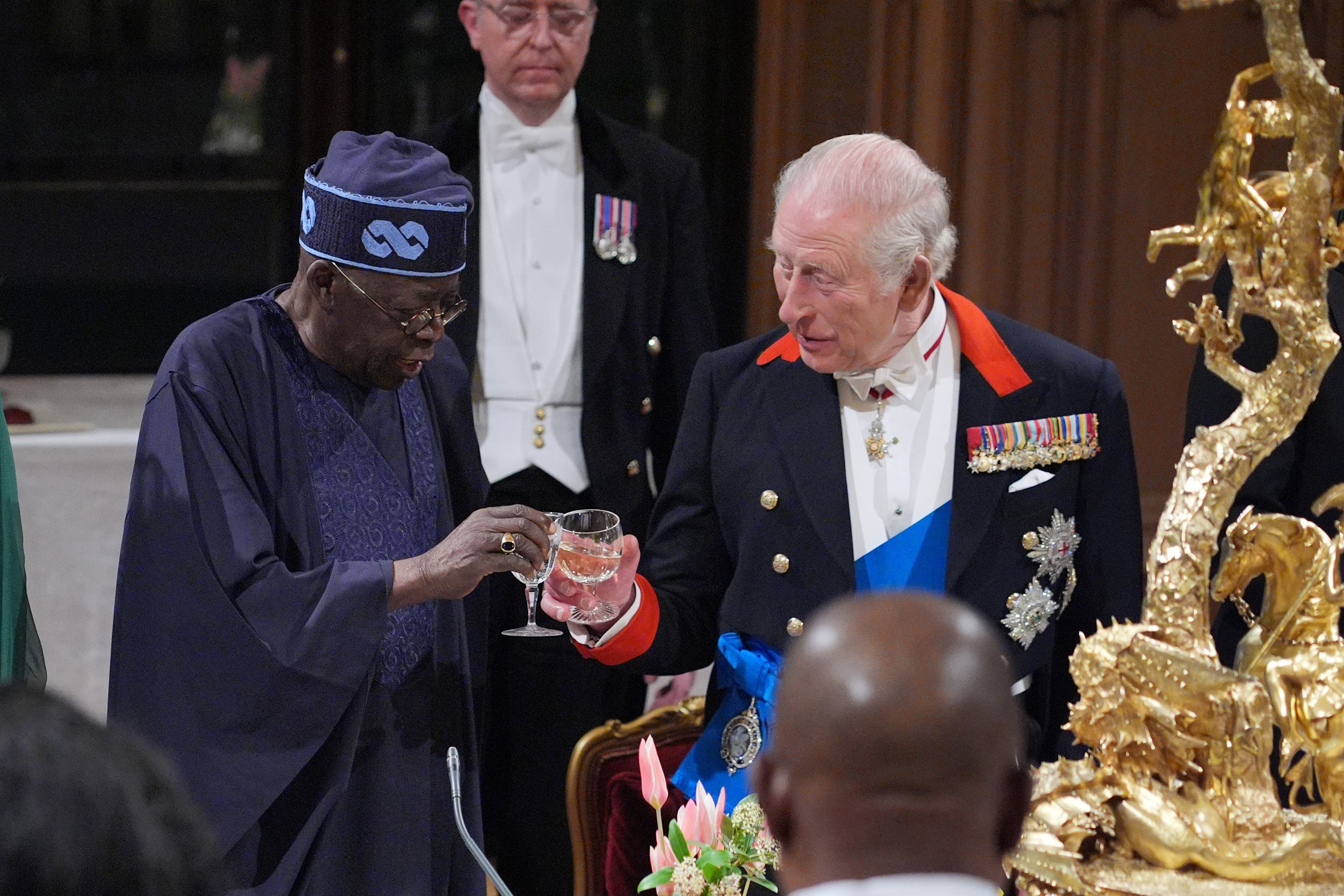
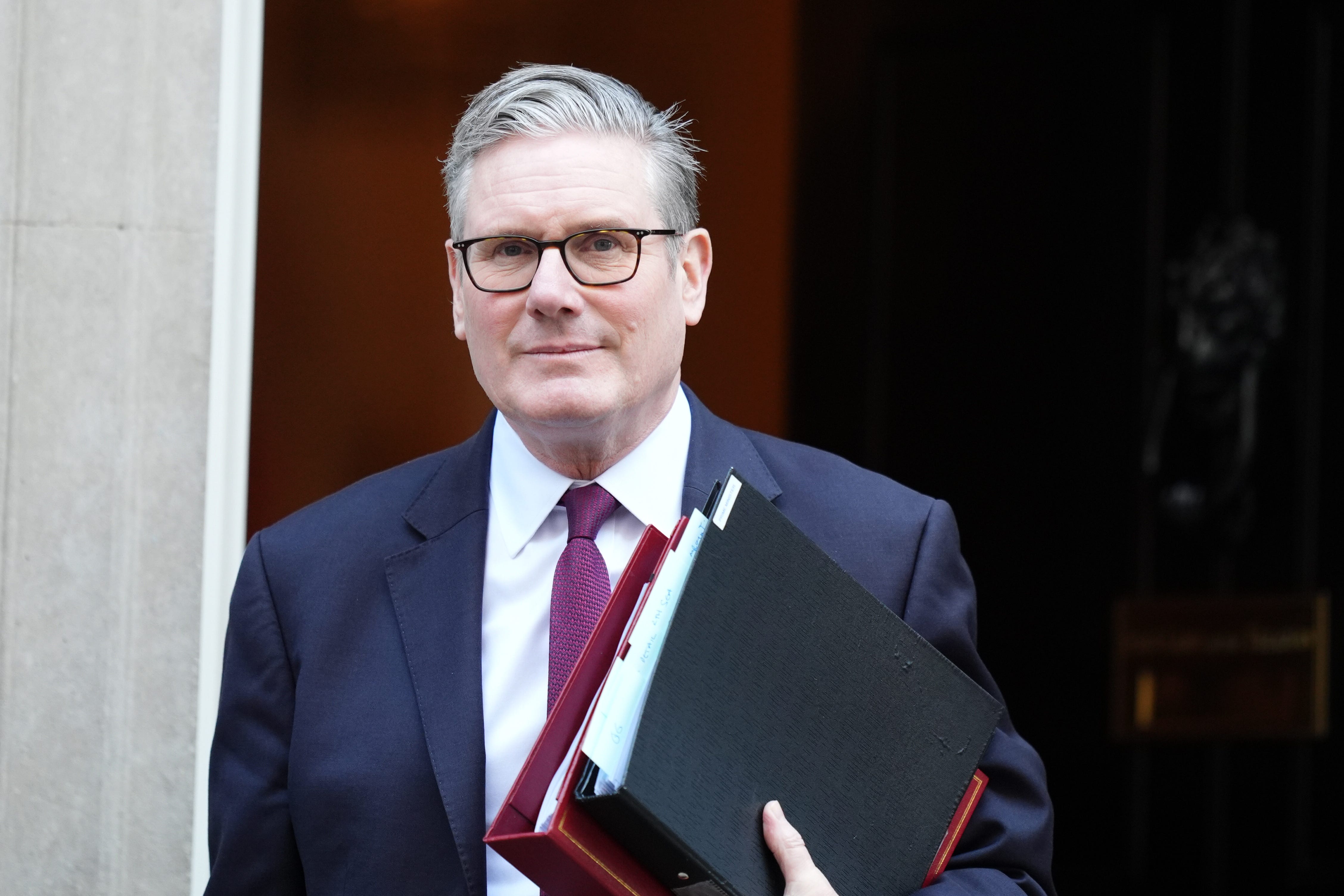
The Nigerian leader, whose state visit started on Wednesday, was set to meet the prime minister in Downing Street after being welcomed by King Charles at Windsor Castle where the monarch hosted a state banquet.
It is the first state visit by a Nigerian president in 37 years and comes at a time of continued upheaval in the oil rich African country of 230 million people.
Mr Hamilton and other MPs on the human rights APPG have expressed their fears over “increasing” concern that Nigeria risks a period of “democratic backsliding.”
The letter calls on the government to outline what representations it will make during the state visit over human rights protections, judicial independence and democracy.
Mr Hamilton wrote that “precisely because of the strength and importance” of the UK’s relationship with Nigeria, the visit provides “a timely opportunity” to raise concerns directly with President Tinubu.
“At such a moment, Britain has a moral responsibility to do everything it can to support and encourage Nigeria’s democratic integrity, including raising these issues directly with President Tinubu during his visit.”
The APPG highlights concerns relating to the independence of the judiciary, the space available for political opposition and civil society in the country and the broader environment in which democratic participation takes place.
The letter also pointed to “reports of violence affecting religious communities” and “wider threats to freedom of religion or belief,” describing the protection of these freedoms as “essential components of a stable and democratic society.”
Concerns are also raised about Nigeria’s Electoral Act, including provisions that would allow a return to manual transmission of votes if electronic systems fail, which critics warn could affect transparency.
Looking ahead to Nigeria’s next presidential election in 2027, Mr Hamilton wrote: “The coming year will be a defining test of the country’s democratic resilience.”
He stressed that it is “vital” that elections are “free, fair and credible,” and that voters, political parties, civil society and the media are able to participate “without intimidation or interference.”
At the state banquet in President Tinubu’s honour on Wednesday night, King Charles said Britain was “blessed” that many people of Nigerian heritage are “at the heart of British life through excelling at the highest levels of business, technology, academia, law, science, sport, literature and the arts, and public service”.
He said he had met “so many of these quiet heroes in our schools, businesses, National Health Service and universities”.
“From Afrobeats filling our concert halls and Nollywood captivating our screens, to stars competing in our Premier League and adjudicating our highest courts, so much of Britain’s culture is, in truth, profoundly enriched by Nigeria,” he said.
The menu for the occasion included quail egg tartlet, fillet of turbot, lobster mousse wrapped in spinach and iced blackcurrant souffle.
A mocktail called Crimson Bloom was also served. It used West African beverage Zobo and other ingredients.
President Tinubu, who was there with first lady Oluremi Tinubu, told guests at the banquet that the occasion underlined that his country had “arrived” and was “transforming at a remarkable pace”.
A Buckingham Palace spokesperson said of the state visit: “There was genuine warmth and mutual respect from the King and the president.
“As demonstrated from their two speeches, there exists a strong friendship and wealth of opportunity between our two nations.
“With the complexity of geopolitical issues across the world, it underscores the importance of standing close and proud with our Commonwealth partners.”