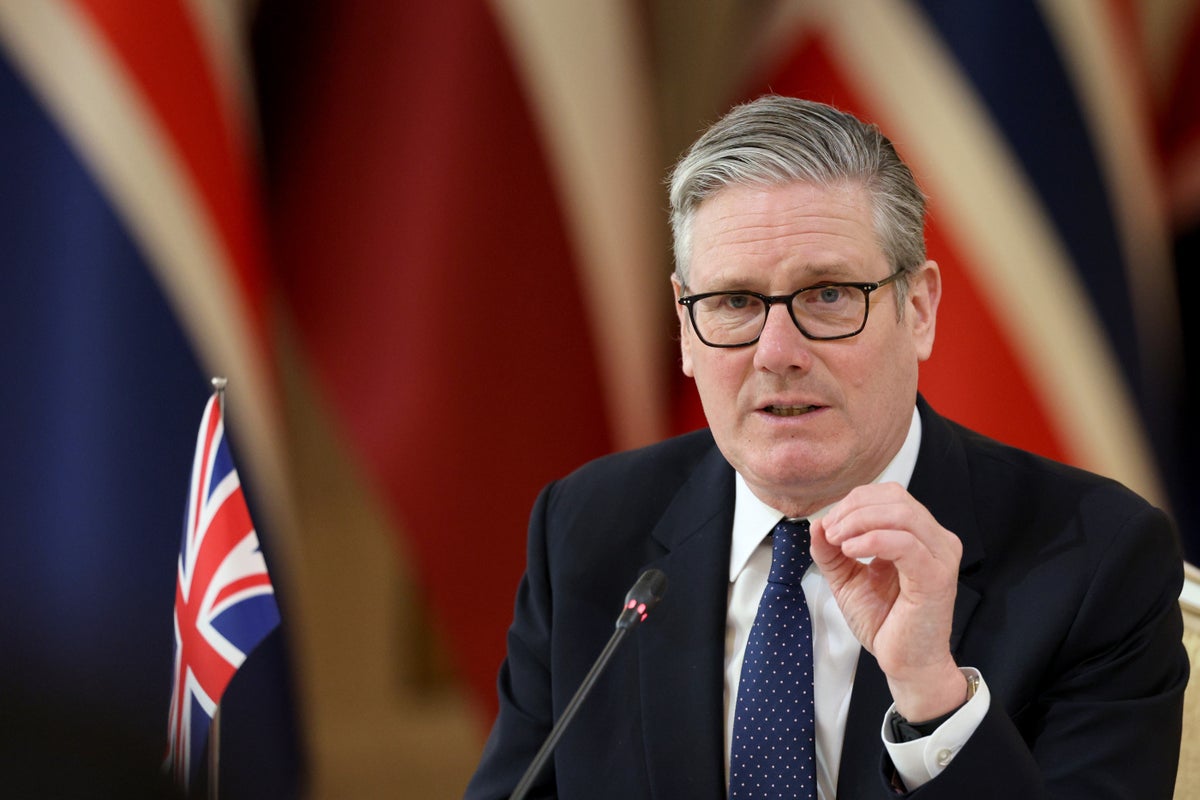
Sir Keir Starmer is set to meet business leaders in Downing Street on Monday as the government seeks to tackle the impacts of the conflict in the Middle East on British households.
Iran’s blockade of the Strait of Hormuz has left ships unable to pass through the key oil route in recent weeks, sending crude prices soaring and threatening economic stability across the globe.
The prime minister will hear directly from businesses to assess the damage to the UK’s economy as he convenes senior figures from the energy, shipping and financial services industries.
Downing Street said the prime minister will discuss how the government and the private sector could work together to mitigate the fallout from the war.
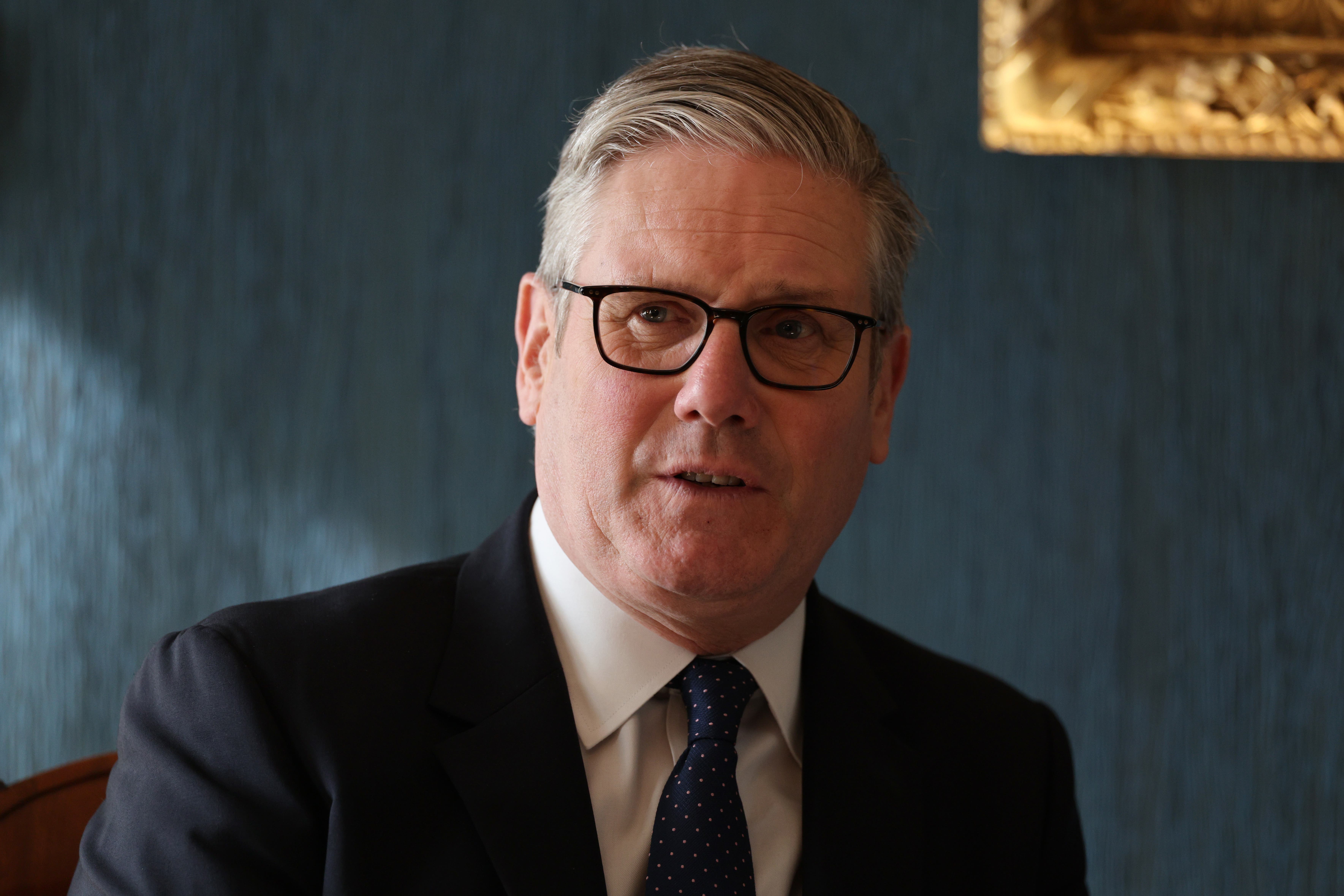
The meeting will also hear an update on the situation in the region from Major General Richard Cantrill, the UK’s maritime operations commander.
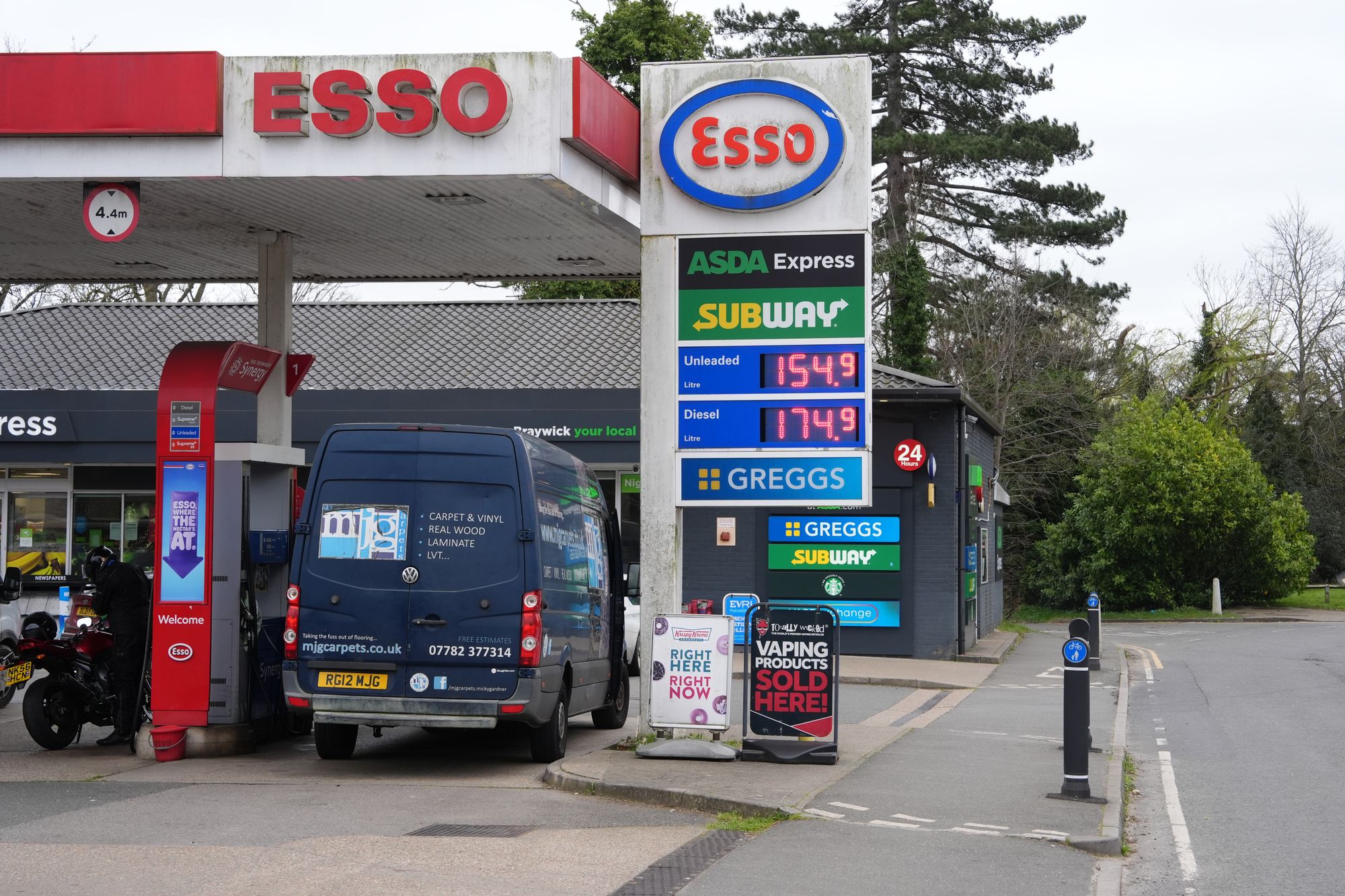
Petrol prices have already risen sharply, while disruption to the global oil supply has seen some developing countries impose restrictions on fuel usage and sparked concern shortages could spread to the UK.
Ministers have sought to downplay the possibility of fuel shortages, with education secretary Bridget Phillipson saying on Sunday that drivers should fill up their cars as normal.
However, pressure has been growing for the government to reverse a rise in fuel duty in September, with Ms Phillipson telling broadcasters ministers will “take a view closer to the time”.
She told Sky News: “The chancellor is absolutely committed to making sure that right throughout this conflict that we see, we have right at the forefront of our minds the impact that this is having on the British people.
“She will continue to keep under review the measures that are needed.”
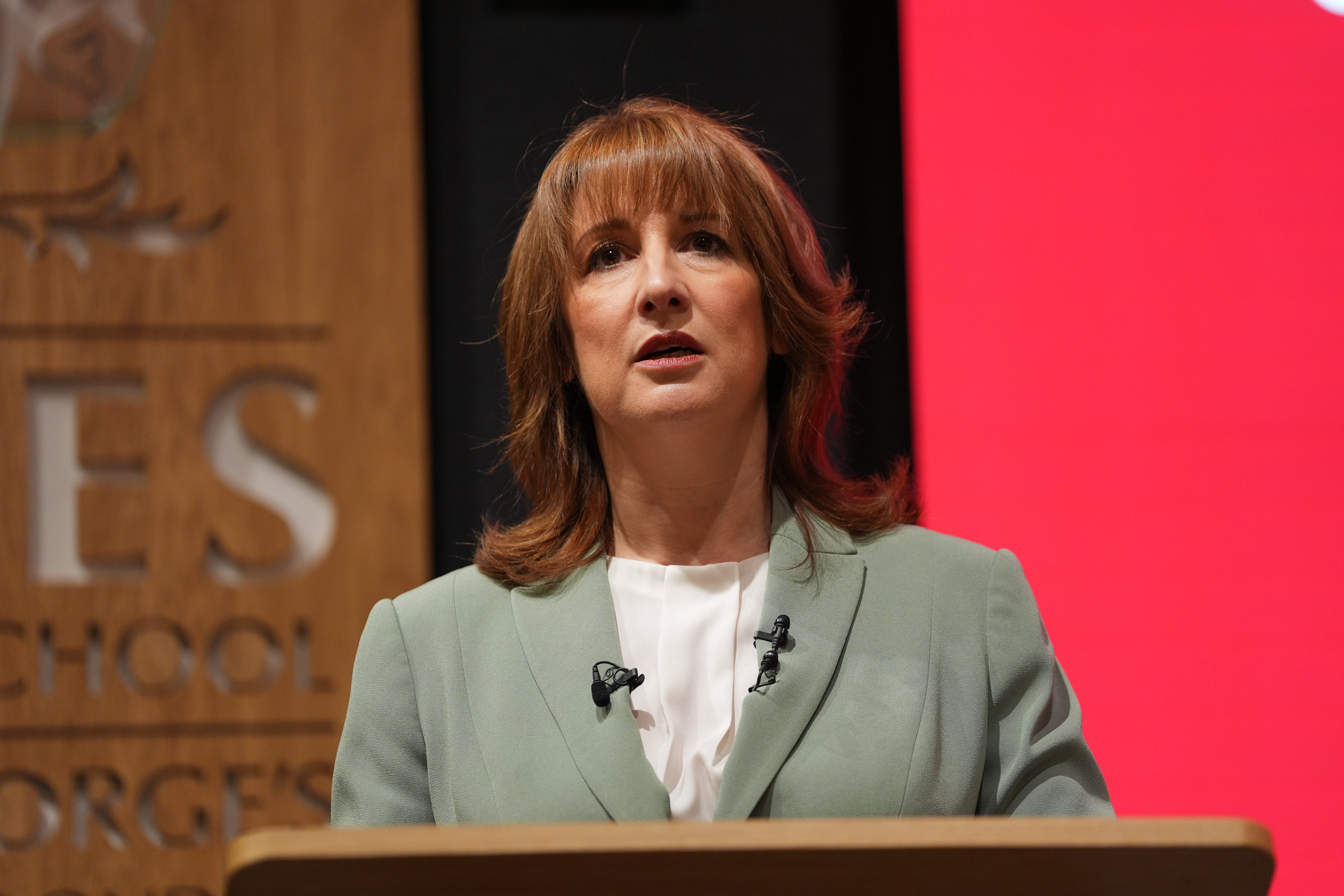
Monday is also expected to see chancellor Rachel Reeves urge her G7 counterparts to accelerate the transition from fossil fuels in a virtual meeting with finance and energy ministers and central bank governors.
Amid the ongoing war in Iran, she will argue this is the only way to get off the “rollercoaster” of international oil and gas markets and cut bills for good.
She is also expected to caution against resorting to protectionism as a response to disrupted supply chains and stress the importance of the G7 working together to maintain pressure on Russia, which is set to benefit from the higher oil price.
Earlier in March, Donald Trump raised concerns after he eased US sanctions on Russian oil in a bid to reduce pressure on global markets.
In contrast, the Conservative Party leader has pushed for Britain to capitalise on its own oil and gas reserves in an effort to shield UK households from the threat of rising energy costs.
Kemi Badenoch will launch her “Get Britain Drilling” campaign on Monday, as she calls for Britain to maximise the use of its resources by drilling in the North Sea.
The Conservatives have also called for a cut in VAT on domestic energy bills and the scrapping of green taxes on power generation, saying these measures will cut bills by £200.