

Keir Starmer will be accused of committing “a crime against humanity” in a legal challenge against his controversial deal to cede the Chagos Islands to Mauritius.
The UK prime minister, who made a career out of being a human rights lawyer, is set to have the tables turned on him in court by indigenous Chagossians in an increasingly fraught legal and diplomatic nightmare over his plan to hand over the sovereignty of the Indian Ocean islands.
The court action, set to be heard this month, claims that forcing the Chagossian people to leave their indigenous homeland could be considered an act of “genocide”.
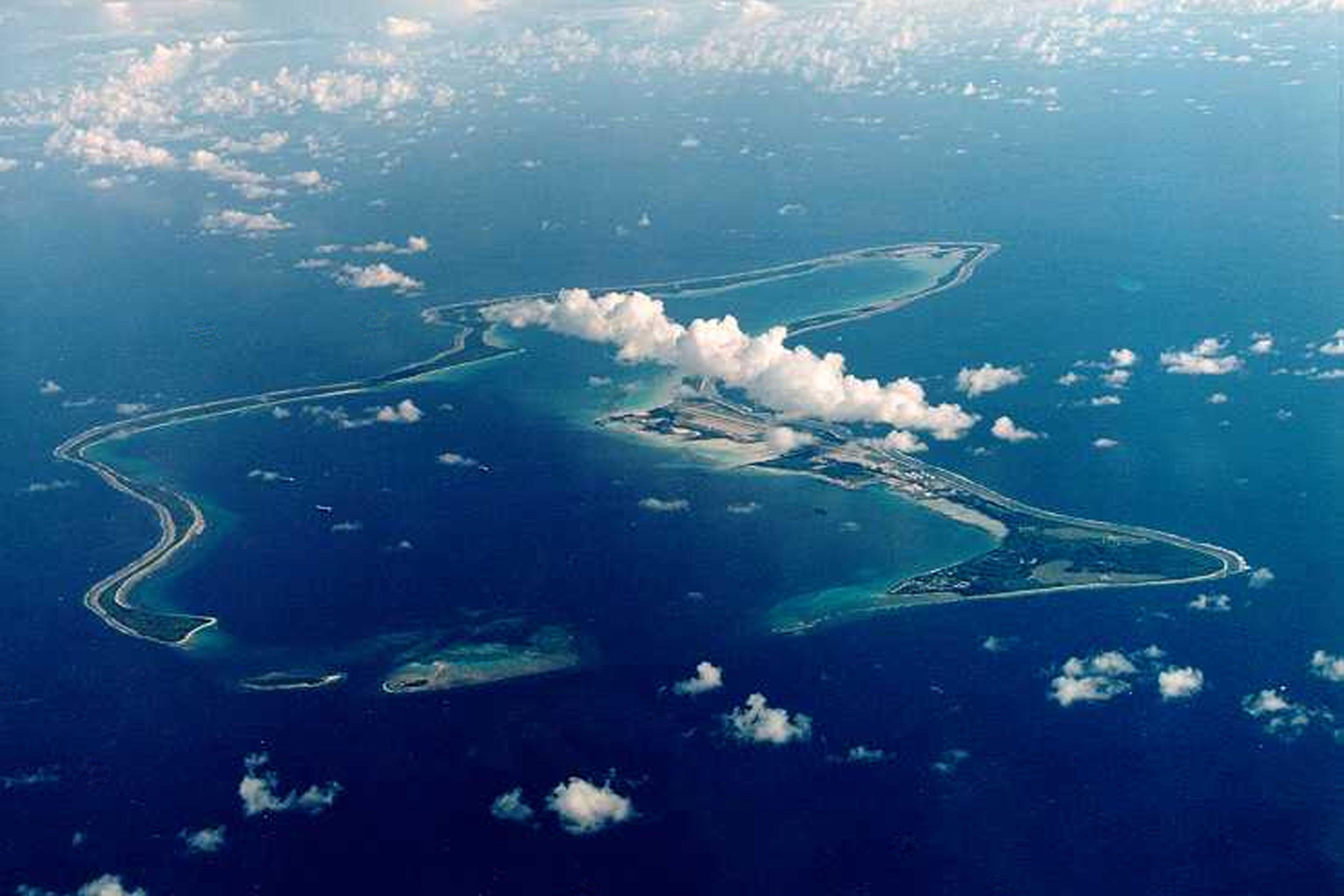
It comes as the president of the Maldives, Mohamed Muizzu, has also said he intends to legally challenge the treaty dispute over the Mauritius claim to be the real owners of the islands, which are home to the UK-US crucial Diego Garcia airbase.
Previously, Sir Keir had insisted that he had “no choice” but to hand over the islands to Mauritius because of an International Court of Justice ruling, but critics have noted that the UK has an opt-out on International Court of Justice (ICJ) rulings regarding the Commonwealth and its territories.
The opt-out also applies to other aspects of international law, including the International Law of the Sea, which the government is relying on to justify the Mauritius deal.
And with Donald Trump in effect vetoing the treaty Sir Keir signed with Mauritius, the plan to hand over the islands, along with £35bn of British taxpayer money to lease the airbase back, has been put on hold.
The US president is believed to be concerned about the security of the airbase, with intelligence in the US and UK that Mauritius is negotiating with China to allow it to have a presence on the islands, rendering Diego Garcia useless.
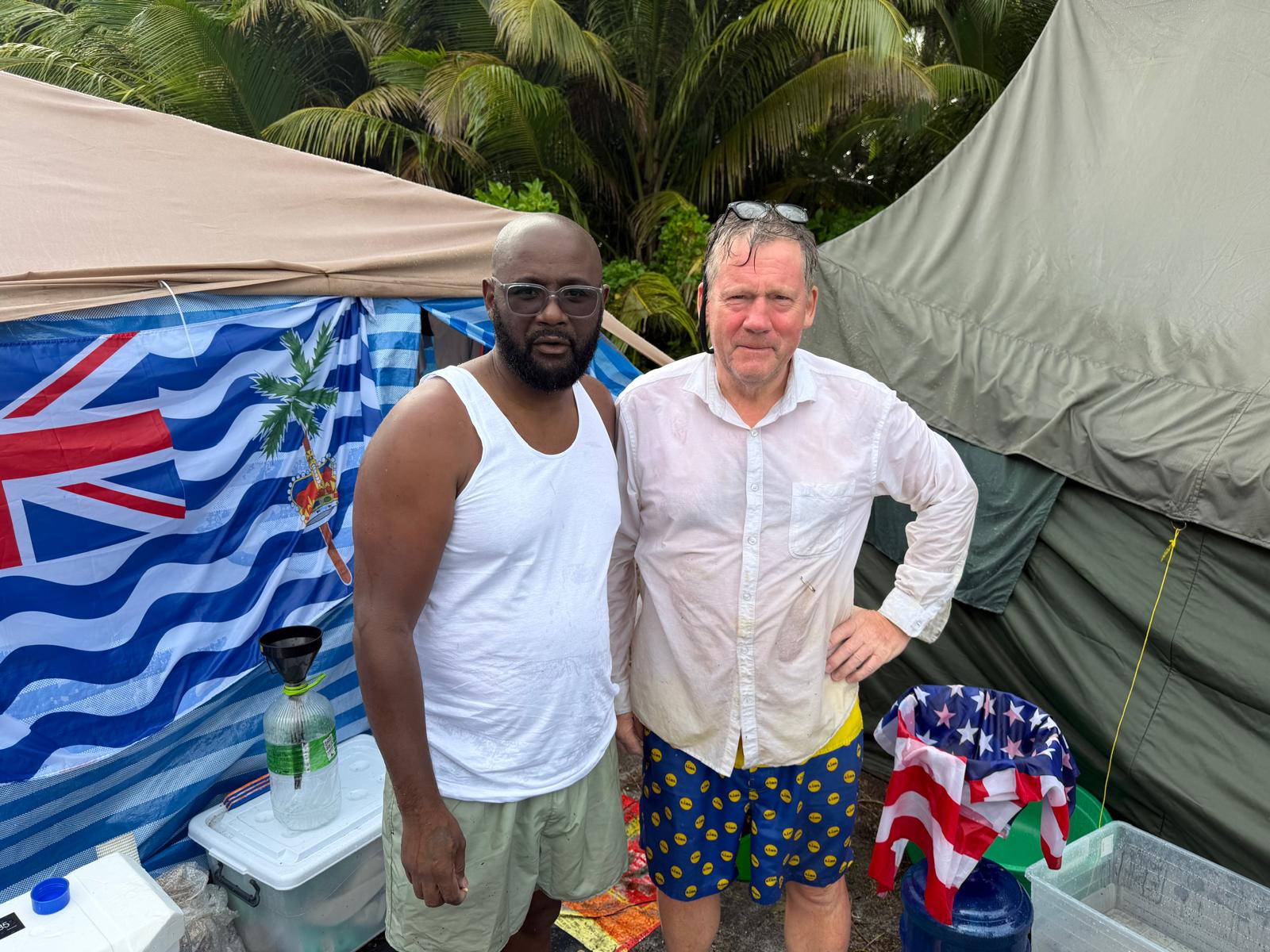
But in the meantime, Sir Keir’s government is facing a day in court on 13 March over its attempts to evict four Chagossians – led by the first minister of the government in exile, Misley Mandarin – who returned to the island in February, including one who was born there.
Currently, an injunction is in place preventing the removal of the four, who arrived with former MP Adam Holloway, who is also an ex-army officer.
However, the judge will also hear the case for a legal challenge to the Chagos deal with Mauritius, based on the rights of the Chagossians to resettle there instead and run the islands as a British protectorate.
James Tumbridge, the lawyer acting on behalf of the four Chagossians, has argued in papers submitted to the judge that removing the islanders for what amounts to a second time from their indigenous home is “a crime against humanity”.
In the submission, he has referred to a communication submitted to the International Criminal Court (ICC) prosecutor setting out the background and submitting that the “crime against humanity of deportation” was being committed by the continued exclusion of the Chagossian people from their homeland.
Swiss-based lawyer Elodie Tranchez submitted the claim to the ICC and the UN Committee for Elimination of Racial Discrimination, noting: “It is an offence against the law of England and Wales for a person to commit genocide, a crime against humanity or a war crime.”
One of the definitions of “genocide” is to deny indigenous people access to their homeland.

Mr Tumbridge noted: “The Chagos Islanders have been in exile since being forcibly removed from the Chagos Islands by the British authorities from the mid-1960s until 1973. That unlawful act (and crime against humanity) was committed after the islands had been severed from the administrative Colony of Mauritius before Mauritius was granted independence in March 1968.”
He will argue that the UK’s claim that the islanders could not return because of security reasons ended last year when they made the deal with Mauritius.
The submission states: “In the past that forced removal has been sought to be justified and maintained, on the grounds of national security. This is important to recognise because there has been a fundamental shift to acceptance that settlement of the outer islands is not incompatible with the military base on Diego Garcia (and indeed it has, rightly, not been relied upon in these proceedings as a reason for the decisions taken).
It notes that the “policy change [comes about] should the islands be ceded to Mauritius, re-settlement [of the islands] is provided for in that arrangement.”
Meanwhile, the Maldives is set to issue its own legal challenge and is assessing “all lawful avenues available” to halt the transfer.
A spokesman for the Maldives foreign ministry told The Telegraph: “The Government of the Republic of Maldives remains committed to protecting and advancing the sovereign rights and maritime interests of the Maldivians in accordance with international law.
“At present, the Maldives has not formally instituted proceedings at the International Court of Justice (ICJ) against any state concerning sovereignty over the Chagos Archipelago. We are exploring our options now. We are doing a comprehensive legal review and consultations with international legal experts and relevant domestic authorities are ongoing.”
An Foreign Office (FCDO) spokesperson said: “We do not comment on ongoing legal proceedings.
“As we have stated previously there is no right for anyone, regardless of their citizenship or heritage, to enter the islands without a valid permit or exemption. That is why the vessel has been asked to remove all those unlawfully on the territory.
“The UK Government recognises the importance of the islands to Chagossians, and we have made clear our regret for the manner in which they were removed from the islands in the past. However, this stunt puts lives at risk and does not help anyone.”
They will argue that the outer islands are currently not safe for habitation and the UK/ Mauritius agreement, which protects the base on Diego Garcia, is the only viable and safe route to resettlement for Chagossians.