-(1).jpeg?trim=0,0,0,1110&width=1200&height=800&crop=1200:800 "New budget train service to connect London and Scotland via West Coast Main Line for under £30 – UK Times")

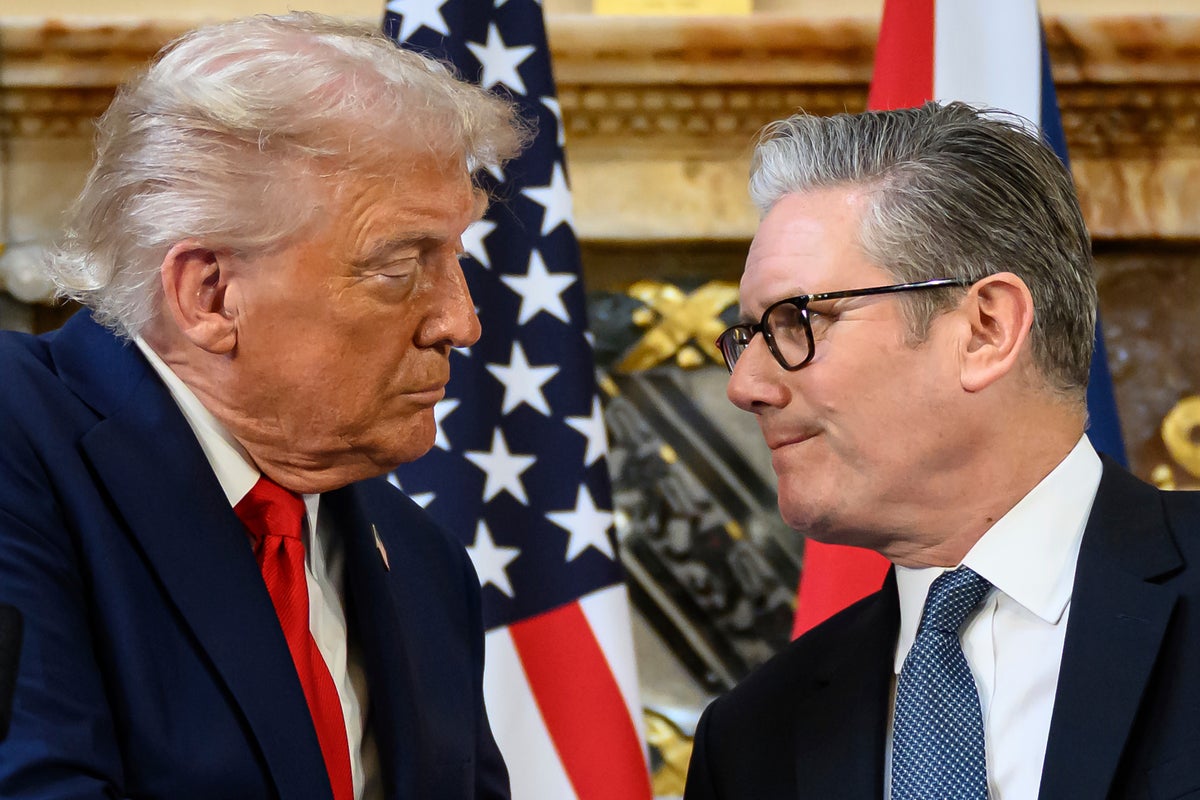
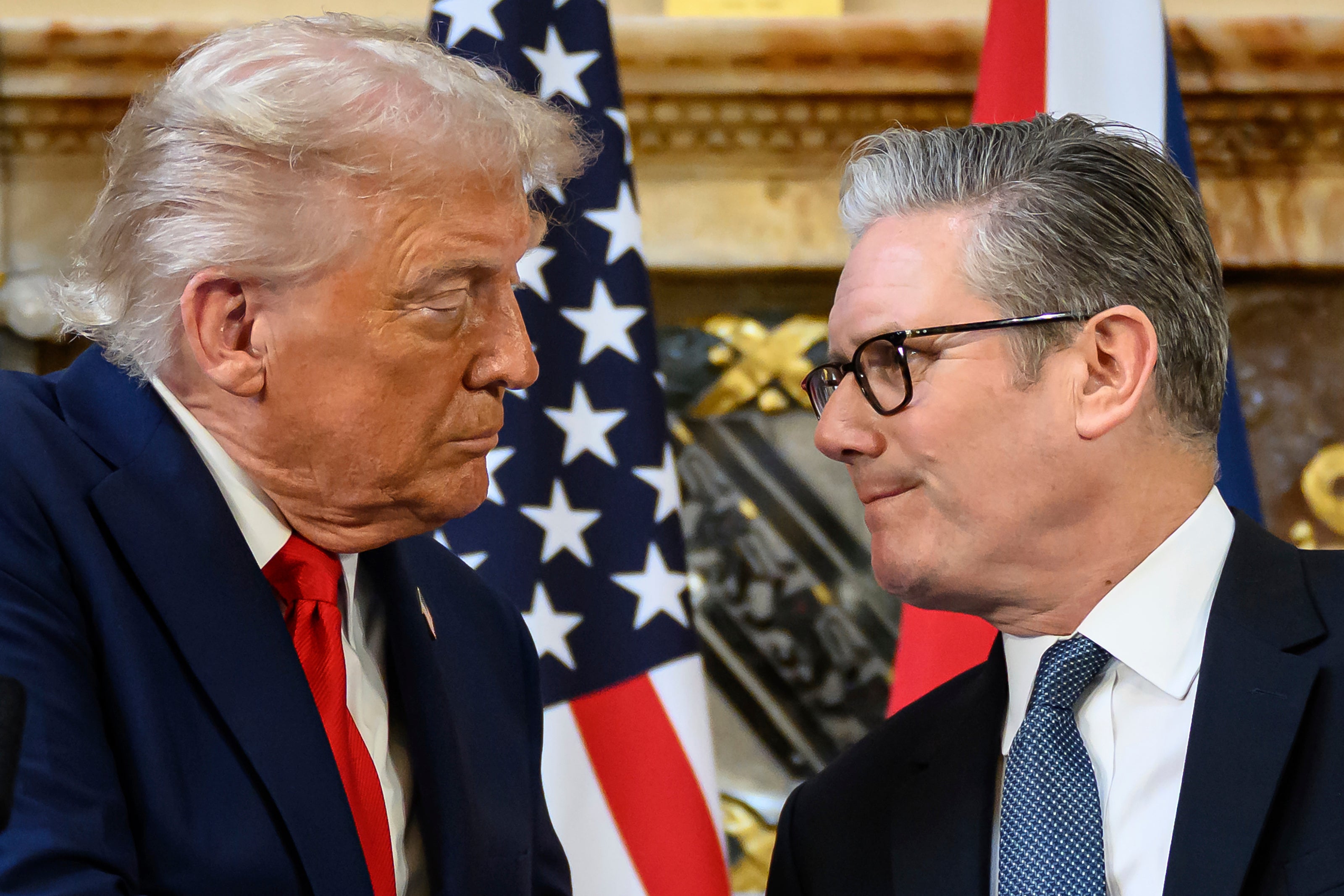
The UK will not follow the US in easing sanctions on Russia amid soaring oil prices, a government minister has said, as Sir Keir Starmer risks being at odds with Donald Trump once again.
The US has announced it is temporarily allowing countries to buy Russian oil “currently stranded at sea”, despite the country’s ongoing war in Ukraine.
The move has sparked fears that Vladimir Putin could use the outbreak of war in Iran and the easing of sanctions as an opportunity to boost Russia’s wartime economy, with foreign secretary Yvette Cooper accusing Russia and Iran of attempting to “hijack the global economy”.
Concerns that instability in the Middle East could hit the cost of living around the world after Brent crude, the global benchmark for oil prices, jumped to more than $100 (£74) a barrel on Monday for the first time since 2022.
But UK energy minister Michael Shanks said the UK would not change its position on Russian sanctions despite the move from the US.
“The UK has been really clear that our sanctions on Russia stay in place,” he told Sky News.
“And look, this is a moment where I suspect in the Kremlin they are looking at this as an opportunity to fix some of their ailing economy. That is a great shame, because we have to do everything that we possibly can to make sure that we are bringing all pressure to bear on Russia so that we can win this war in Ukraine.”
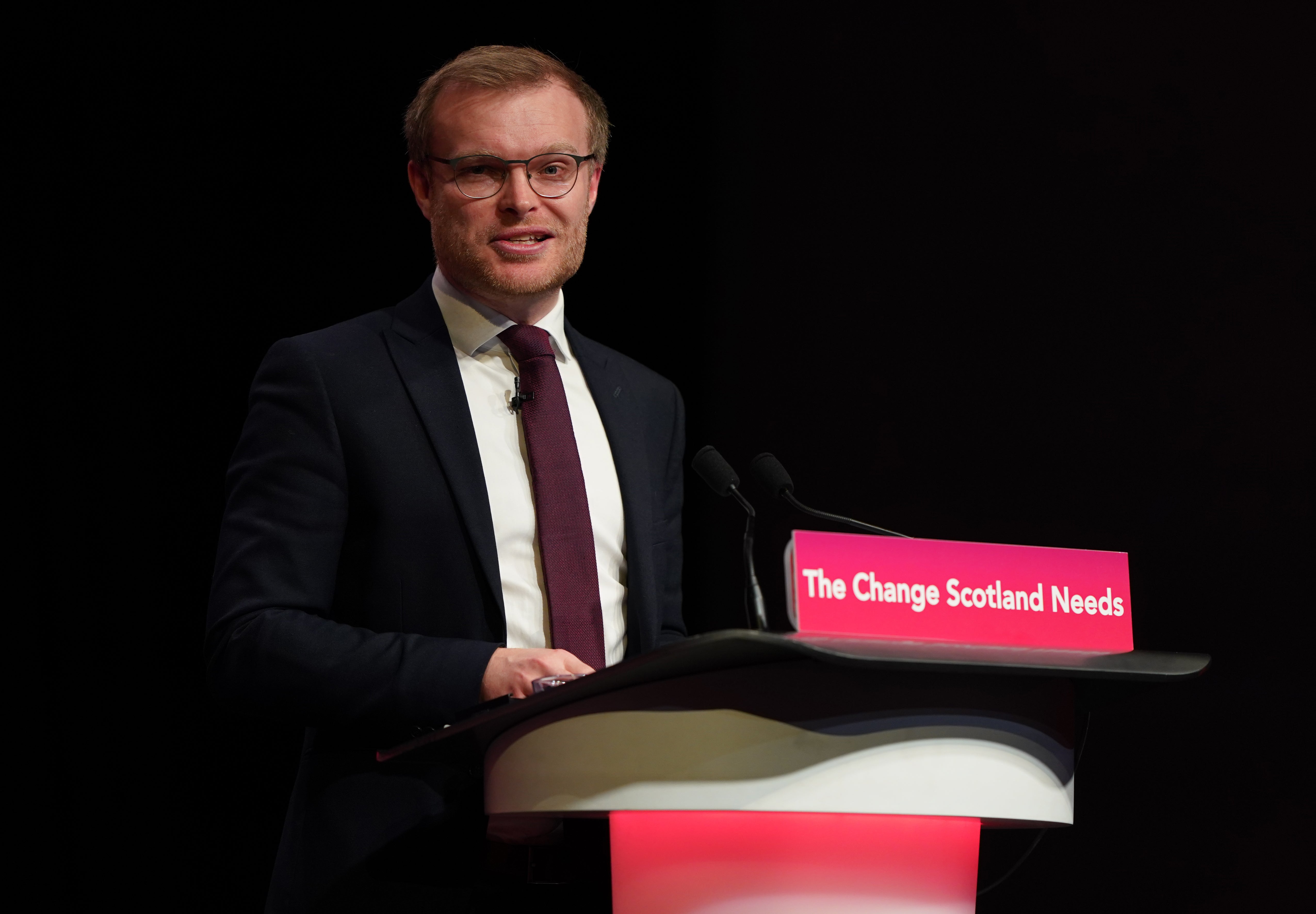
He added: “We will keep up our sanctions, and we’ll continue to do what we are doing around the shadow fleet, and we’re not going to change our position on that at all.
“It’s really important that we don’t do anything that can assist the Russian war machine right in the middle of a really critical moment in this conflict against Ukraine.”
The position risks sparking fresh outrage from the US president, who has repeatedly criticised Sir Keir’s response to the outbreak of war in the region.
The prime minister was forced to reject criticism from opponents and allies that Britain had not acted fast enough when fighting began, and said that he “stands by” his decision not to join the initial US-Israeli strikes on Tehran.
Meanwhile, the foreign secretary, speaking on her visit to Saudi Arabia on Friday, reiterated concerns raised by defence secretary John Healey that Putin’s “hidden hand” lies behind Iran’s war tactics.
“We have seen these links between Russia and Iran over an extended period of time,” she said.
She added: “We are very clear about the threat from both Russia and from Iran to the global economy and to all of our wellbeing.”
But Ms Cooper declined to criticise the easing of American sanctions on some Russian oil in the face of rising prices, saying it was a “specific, targeted issue”.
The US Treasury Department announced late on Thursday night that it would temporarily allow countries to buy Russian oil “currently stranded at sea” in an effort to stabilise global oil markets.
“This narrowly tailored, short-term measure applies only to oil already in transit and will not provide significant financial benefit to the Russian government, which derives the majority of its energy revenue from taxes assessed at the point of extraction,” US treasury secretary Scott Bessent wrote on X.
Russian presidential envoy Kirill Dmitriev said the measure would affect 100 million barrels of Russian crude.
It comes after Iran has effectively closed the Strait of Hormuz, threatening to attack any ship that passes through the waterway vital to the global oil supply.
The effective blockade of the strait has seen oil prices spike, touching 100 dollars per barrel again on Thursday and threatening higher inflation in the UK and across the world.
Against that background, Sir Keir said he would work to “de-escalate the situation” and was coordinating with other world leaders on the supply of oil.
On Wednesday, the International Energy Agency said it would release 400 million barrels of oil onto global markets, including 13.5 million from the UK, to prevent short-term market disruption.
Meanwhile, in the UK, Rachel Reeves has insisted she “will not tolerate” energy firms exploiting the war in the Middle East as she vows to “crack down” on “rip-off” fuel prices.
The chancellor and energy secretary Ed Miliband will meet with energy bosses on Friday to warn against profiteering amid soaring oil prices following the outbreak of the Iran war.
Among those most affected are customers using home heating oil, which is not covered by Ofgem’s energy price cap, while drivers are grappling with rising petrol and diesel prices at the pump.