

Sir Keir Starmer has made it clear that there will be no extra money allocated to defence spending.
The prime minister signalled the position as one of his military chiefs warned there would have to be cuts to the armed forces.
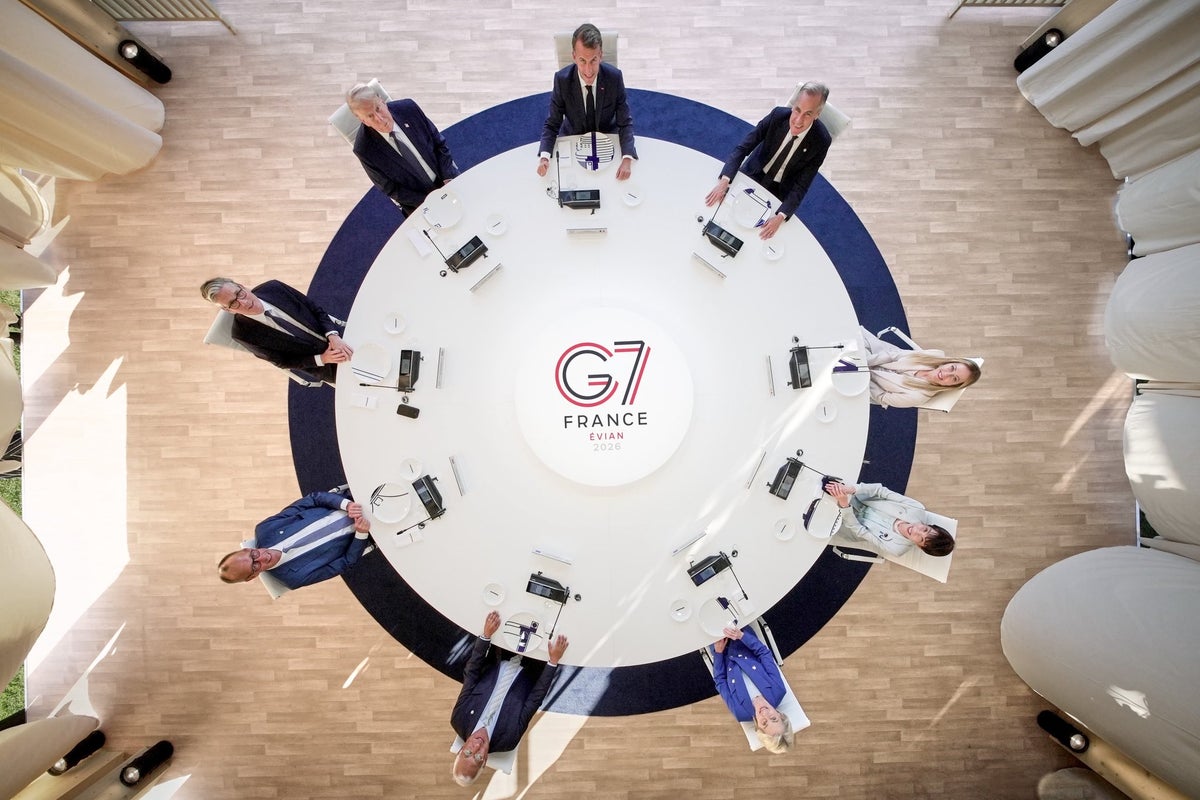
Speaking to journalists at the G7 gathering of leaders of the world’s largest economies in France, a defiant prime minister insisted he had already produced the biggest increase in spending since the 1980s.
Days after losing his defence secretary, John Healey, and armed forces minister, Al Carns, Sir Keir insisted the money had been allocated.
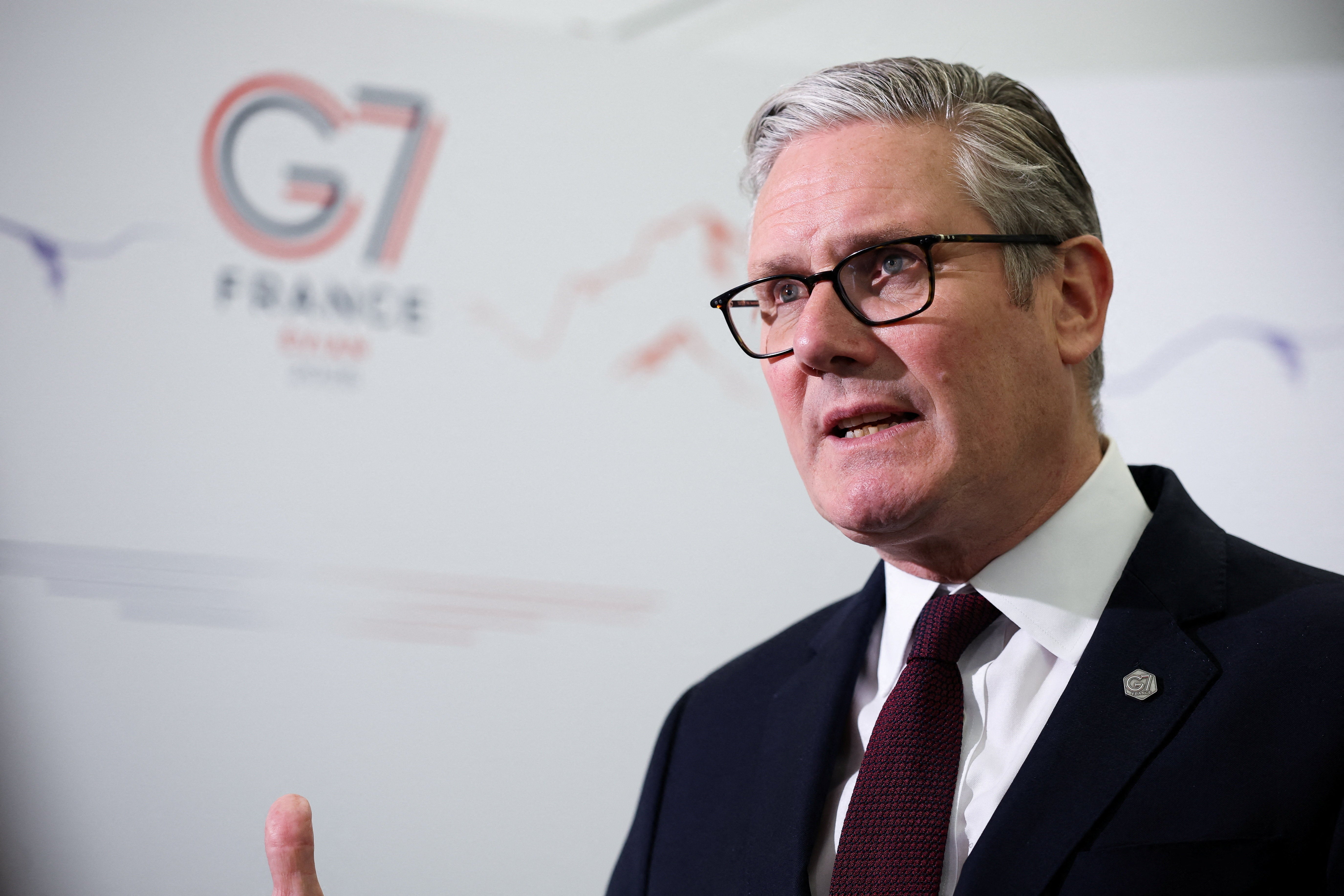
He said: “The position on investment in defence is firstly that we increased, last year, defence spending from 2.3 per cent to 2.6 per cent. That’s the biggest increase since the 1980s.
“And that means £270bn will be spent this parliament on defence. On top of that defence investment plan, which obviously gives us the capability for the future, we’ll put even more money in, in relation to that. I’ve been really clear that that’s required difficult decisions.”
But when asked if there was any more money, he made it clear there would not be. He said: “I have taken the decision to reallocate money from other departments. Obviously, the new defence secretary [Dan Jarvis] is reading in, and we’re talking to him about how and what we will spend that money in terms of capability.
“And he’s got his own thoughts now about what the priorities should be, and so I think that’s the discussion we’re in the middle of at the moment.”
Mr Healey and Mr Carns resigned because the amount of extra cash available amounted to a tiny proportion of what was needed, with just £10bn allocated, meaning the UK was far from the trajectory needed to reach 3.5 per cent in the next parliament.
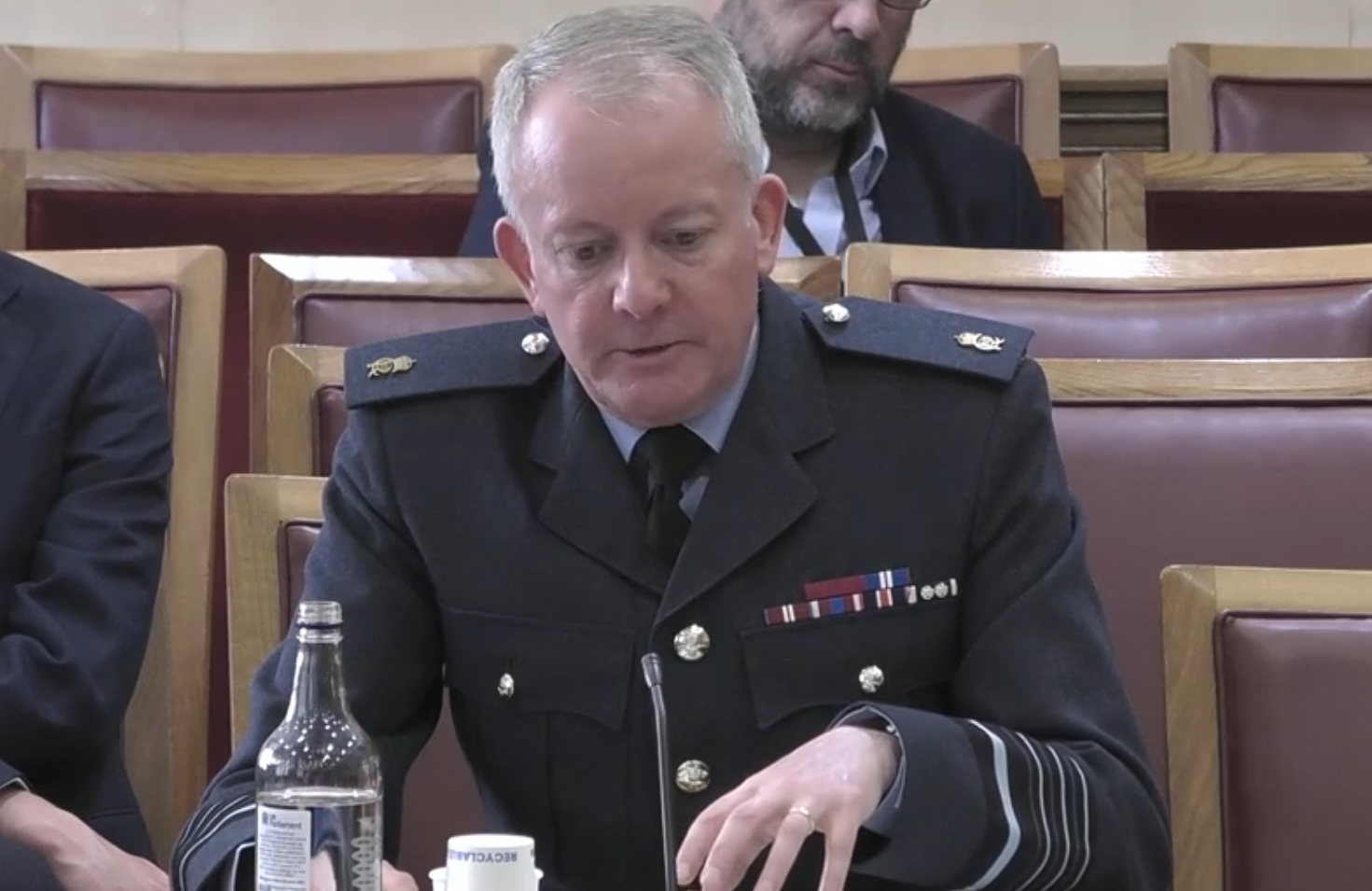
Speaking to the International Relations and Defence Committee in the House of Lords, air chief marshal Sir Richard Knighton, chief of the defence staff, warned that operations and capabilities will have to be “dialled back” unless the funding offer does not increase from £13.5bn.
He was questioned at first by the committee chair Lord George Robertson, the former Labour defence secretary and chair of Nato, who chaired Sir Keir’s defence review and has been very critical of the prime minister’s approach.
Sir Richard said: “We will have to dial back our activities and our exercise and operational activity if the level of resource funding that is available to us does not increase.”
He cited the example of aviation fuel rising costs, which have added a burden on expenditure in the RAF.
“The levers that we have to pull to reduce that expenditure are principally around our activities, which means exercises, training, operations,” he noted.
“So, clearly, we would prioritise those activities around what the government cared about most, but it would be disingenuous of me to suggest that there is not going to be a consequence of this settlement.”