
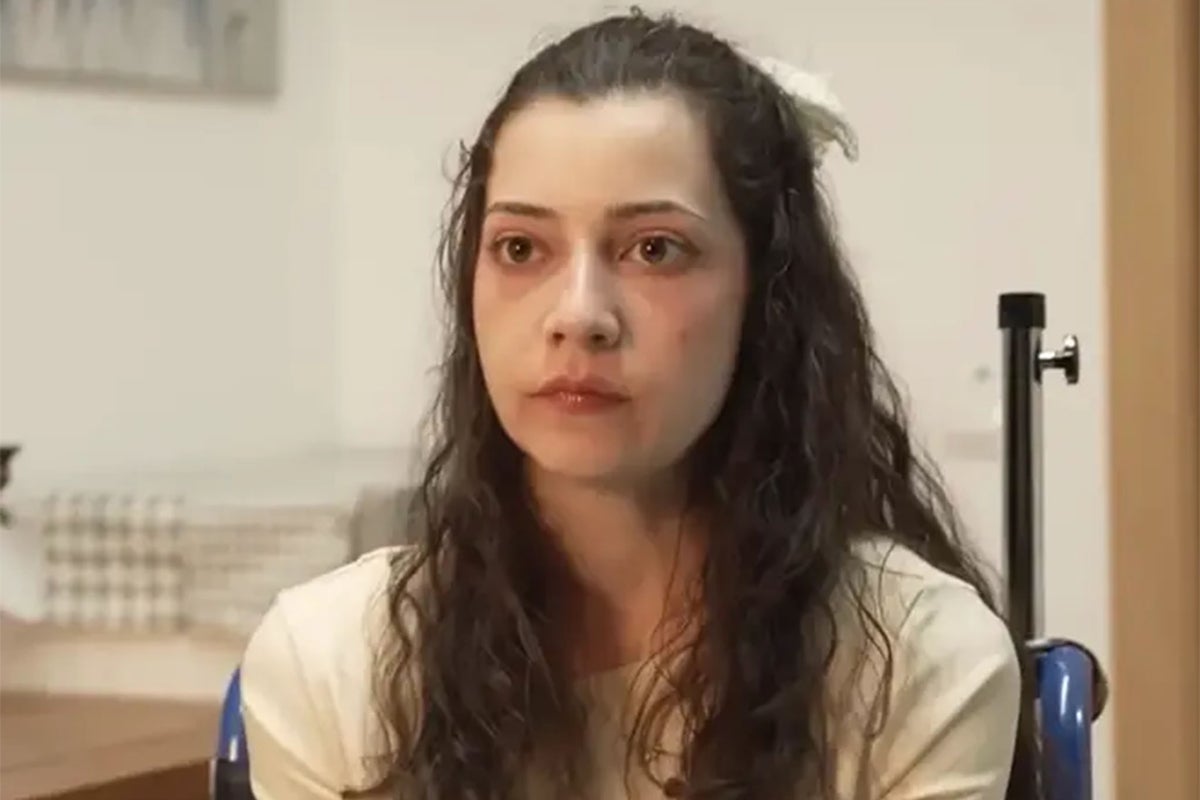
Noelia Castillo, a 25-year-old Spanish woman whose protracted legal fight for the right to die received significant attention in Spain, received life-ending medicine on Thursday in Barcelona.
Ms Castillo had pursued euthanasia for a year and a half, a process made legal in Spain through 2021 legislation.
Her application was approved by a medical body in Catalonia in 2024, but her father initiated a lengthy legal battle to prevent her from exercising the right.
The highly publicised family struggle, coupled with Ms Castillo’s young age and the circumstances leading to her request, fuelled public debate across Spain. Ultimately, courts upheld her right to die.
Speaking to Spanish broadcaster Antena 3 on Wednesday, the day before her death, Ms Castillo expressed a sense of relief.
“At last, I’ve managed it, so let’s see if I can finally rest now,” she said. “I just cannot go on anymore.”
Ms Castillo’s parents opposed her decision up until the end, and were represented by the conservative Catholic organisation Abogados Cristianos in their fight to stop their daughter’s euthanasia. The Catholic group confirmed that she had died on Thursday.
Attorney Polonia Castellanos said Ms Castillo’s family was deeply disappointed with the outcome and believed the Spanish government had abandoned and failed their daughter by allowing her to die.
“Death is the last option, especially when you’re very young,” Ms Castellanos said.
A long legal fight
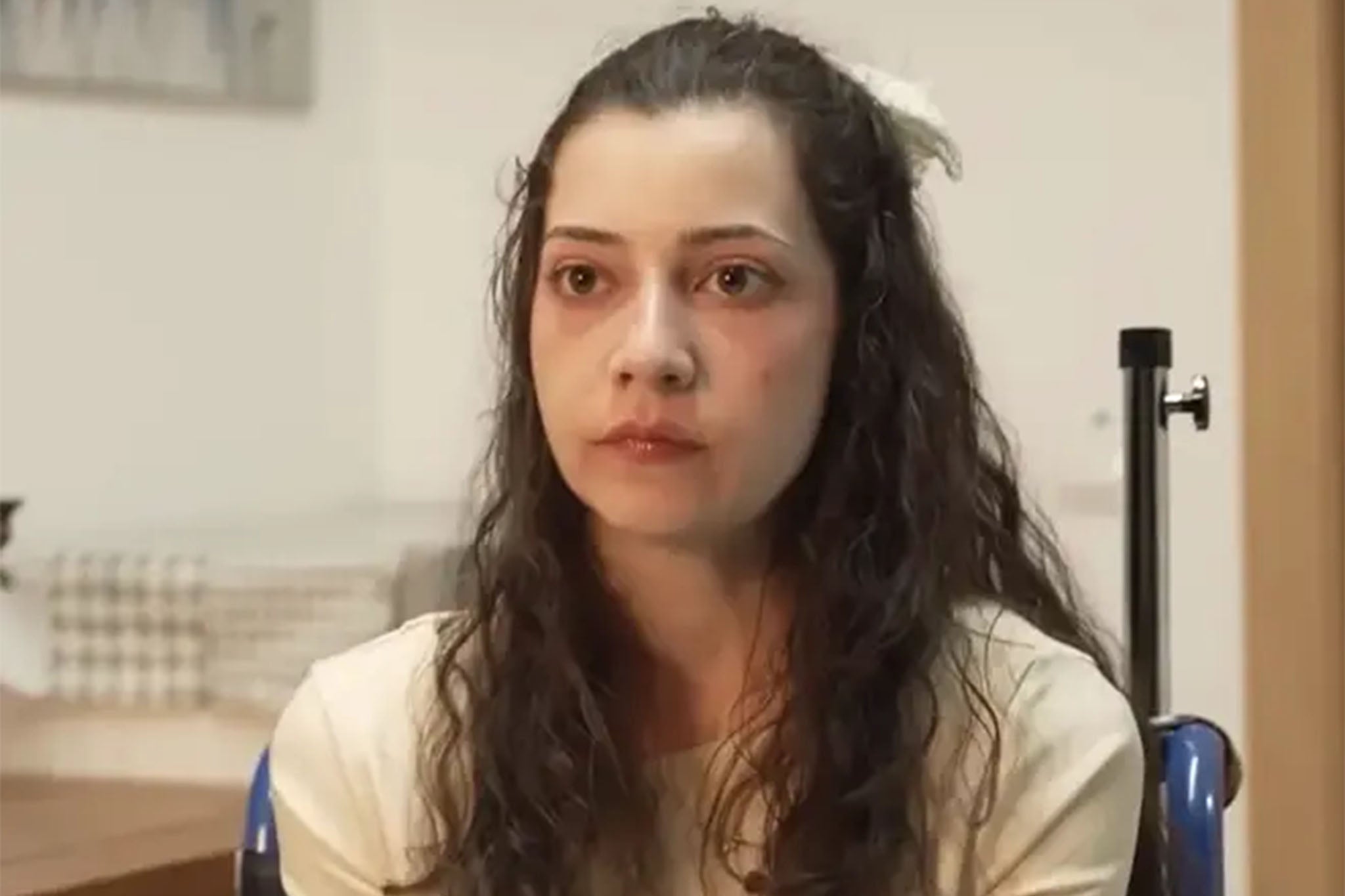
Ms Castillo tried taking her life twice before her death by euthanasia on Thursday – the second time after she was sexually assaulted. The injuries she suffered from her second suicide attempt in October 2022 left her in a wheelchair and unable to use her legs.
In April 2024, Ms Castillo solicited euthanasia with an independent body in Catalonia made up of doctors, lawyers and bioethics experts who deliberate on the application of Spain’s law.
The body approved Ms Castillo’s request based on assessments that evaluated her condition as serious and incurable, and that the 25-year-old had severe, chronic and debilitating suffering.
Spain legalised physician-assisted suicide and euthanasia in 2021 for long-suffering patients from incurable diseases and for people with unbearable permanent conditions. The process for patients to get approval to die involves submitting two requests in writing, followed up by consultations with medical professionals not previously involved in the case.
Ms Castillo’s father appealed the Catalan body’s decision, which in August 2024 suspended the euthanasia request while it deliberated. Through Abogados Cristianos, Ms Castillo’s family argued that she suffered from mental illness that rendered her incapable of making the decision to end her life.
When the Barcelona court ruled in favour of Ms Castillo’s right to die, her father’s lawyers appealed again, taking the case up to Spain’s Supreme Court, which in January upheld Ms Castillo’s rights, leaving no further legal recourse for her family to pursue in the country.
Abogados Cristianos tried to halt the procedure by appealing to the European Court of Human Rights, which earlier this month denied the request to put it on hold.
On Thursday, Ms Castellanos repeated the Catholic group’s arguments and held up Ms Castillo’s case as an example of the law failing citizens.
“It is a person whose will [was] altered by that disorder,” Ms Castellanos said of Ms Castillo. “I think this is proof of the failure of the law and that it has to be urgently repealed.”
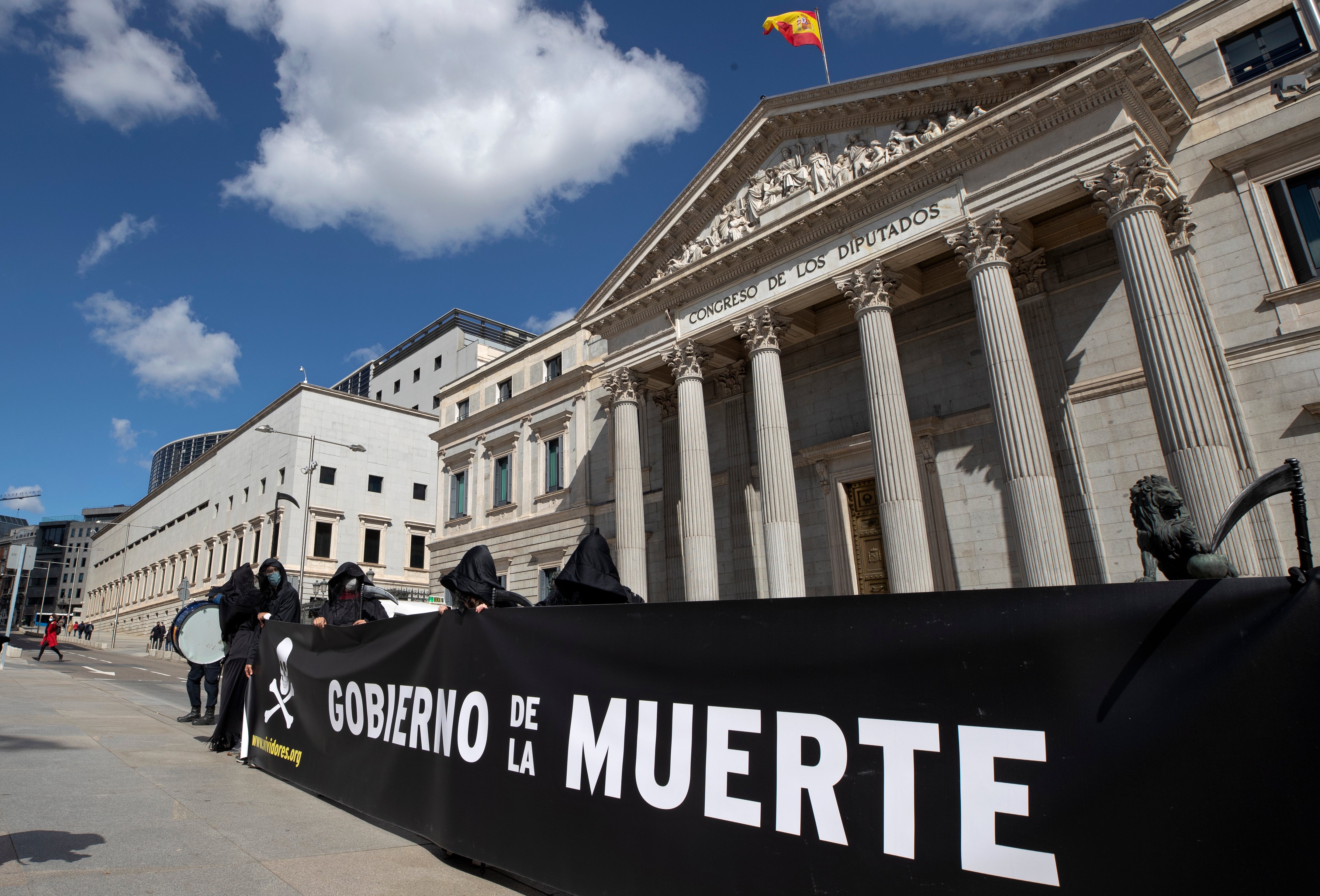
Ms Castillo’s final wishes
In the Antena 3 interview that aired on Wednesday, Ms Castillo said she did not want her family to be around when she died, claiming that she was misunderstood. She acknowledged the glaring media spotlight that her case had drawn.
“None of my family is in favour of euthanasia, obviously, because I’m another pillar of the family,” she said, adding, “but what about the pain that I’ve suffered all of these years?”
Spain is among nine European Union countries that have laws allowing those experiencing unbearable suffering to access assisted dying, according to Dignity in Dying, a UK-based rights group that advocates in favour of euthanasia and medically assisted dying. That involves patients themselves taking a lethal drink or medication that has been prescribed by a doctor to patients who meet certain criteria. The criteria vary by country.
Euthanasia, on the other hand, involves doctors or health practitioners, under strict conditions, actively killing patients who meet certain conditions by giving them a lethal injection at their request.
Since Spain adopted its euthanasia law, 1,123 people have been administered life-ending medicine up until the end of 2024, according to Spain’s Health Ministry.
Ms Castillo said she never questioned her decision as she reasserted her desire to die over the past year and a half. The calculus for her was simple.
“The happiness of a father or a mother should not take precedence over the happiness or the life of a daughter.”
If you are experiencing feelings of distress, or are struggling to cope, you can speak to the Samaritans, in confidence, on 116 123 (UK and ROI), email [email protected], or visit the Samaritans website to find details of your nearest branch.
If you are based in the USA, and you or someone you know needs mental health assistance right now, call or text 988, or visit 988lifeline.org to access online chat from the 988 Suicide and Crisis Lifeline. This is a free, confidential crisis hotline that is available to everyone 24 hours a day, seven days a week. If you are in another country, you can go to www.befrienders.org to find a helpline near you.