The Southport killer’s parents bear considerable blame for the deadly mass stabbing attack, which could and should have been prevented, a damning new report has found.
The Southport Inquiry published its findings on Monday after hearing evidence on the attack of “unparalleled cruelty”, which claimed the lives of three children and left eight more girls and two adults wounded. It also heard about the involvement of state agencies with killer Axel Rudakubana, 19, in the lead-up to the incident at a Taylor Swift-themed dance workshop on 29 July 2024.
Chairman Sir Adrian Fulford concluded that “this terrible event could have been – and should have been – prevented”. He said that “it is almost certain this tragedy would have been prevented” if the killer’s family had shared the full extent of their concerns with authorities in late July 2024.
He also placed blame at the door of the multiple agencies that allowed Rudakubana to fall through the cracks, stating that the killer’s “trajectory towards grave violence was signposted repeatedly and unambiguously”.
In the damning 763 page report, Sir Adrian found:
- A “fundamental failure” by any organisation to take responsibility for managing Rudakubana’s “grave risks”, allowing him to fall through the cracks, adding that police missed two occasions to arrest him for carrying a knife
- There were missed opportunities over many years to intervene by his parents and other agencies, warning some safeguards were “ineffective or inadequately used”, while others “failed outright”
- Rudakubana’s “deeply problematic behaviour was too frequently excused on the basis of his perceived or diagnosed autism spectrum disorder”
- The killer became “ever more fixated on extreme violence” after spending the majority of his waking hours “wholly unsupervised” online, where he viewed increasingly disturbing content
- “Significant parental failures” hid crucial information from officials in the days leading up to the attack and allowed knives and weapons to be delivered to his home
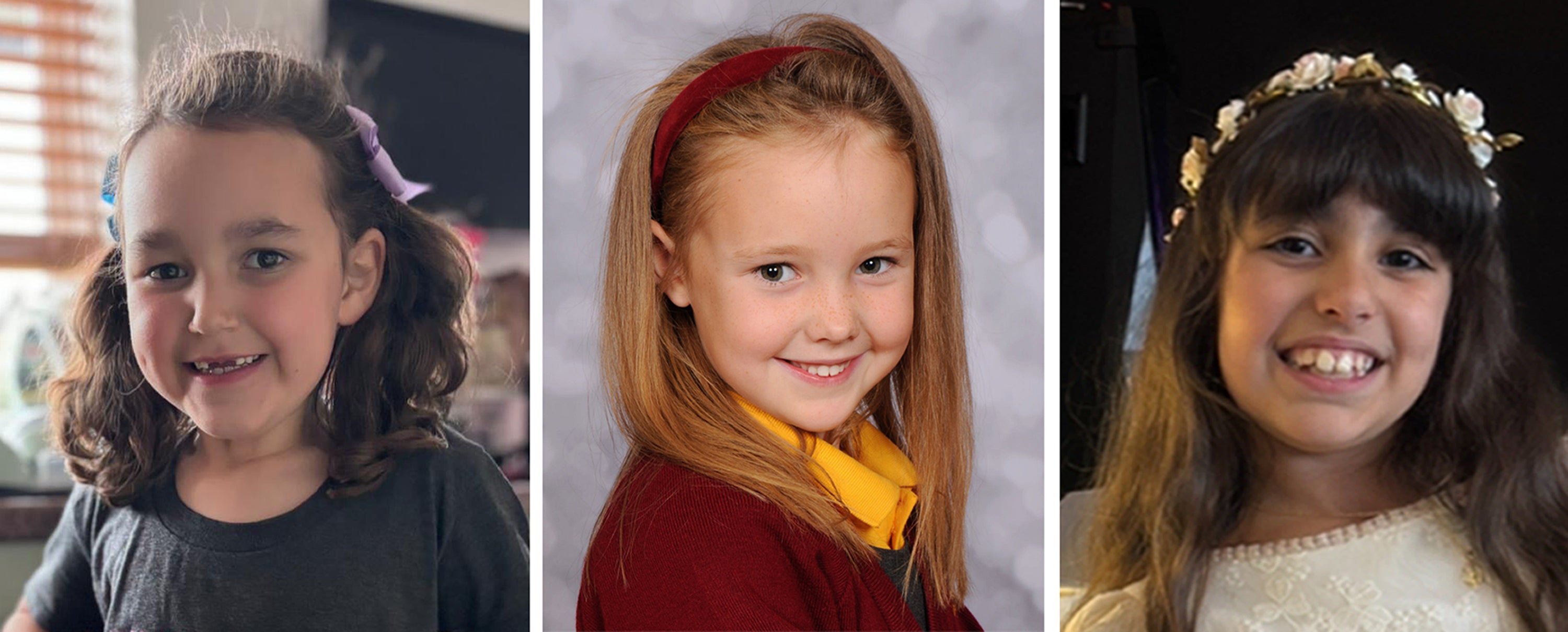
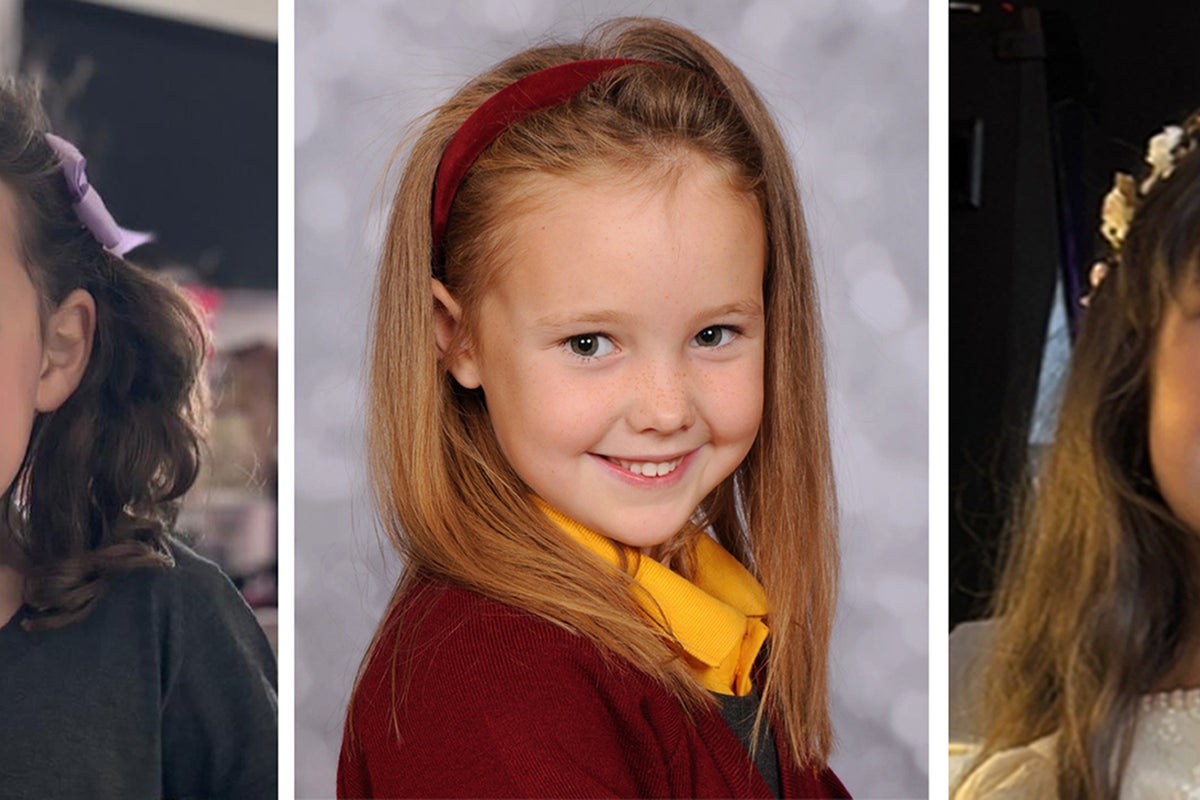
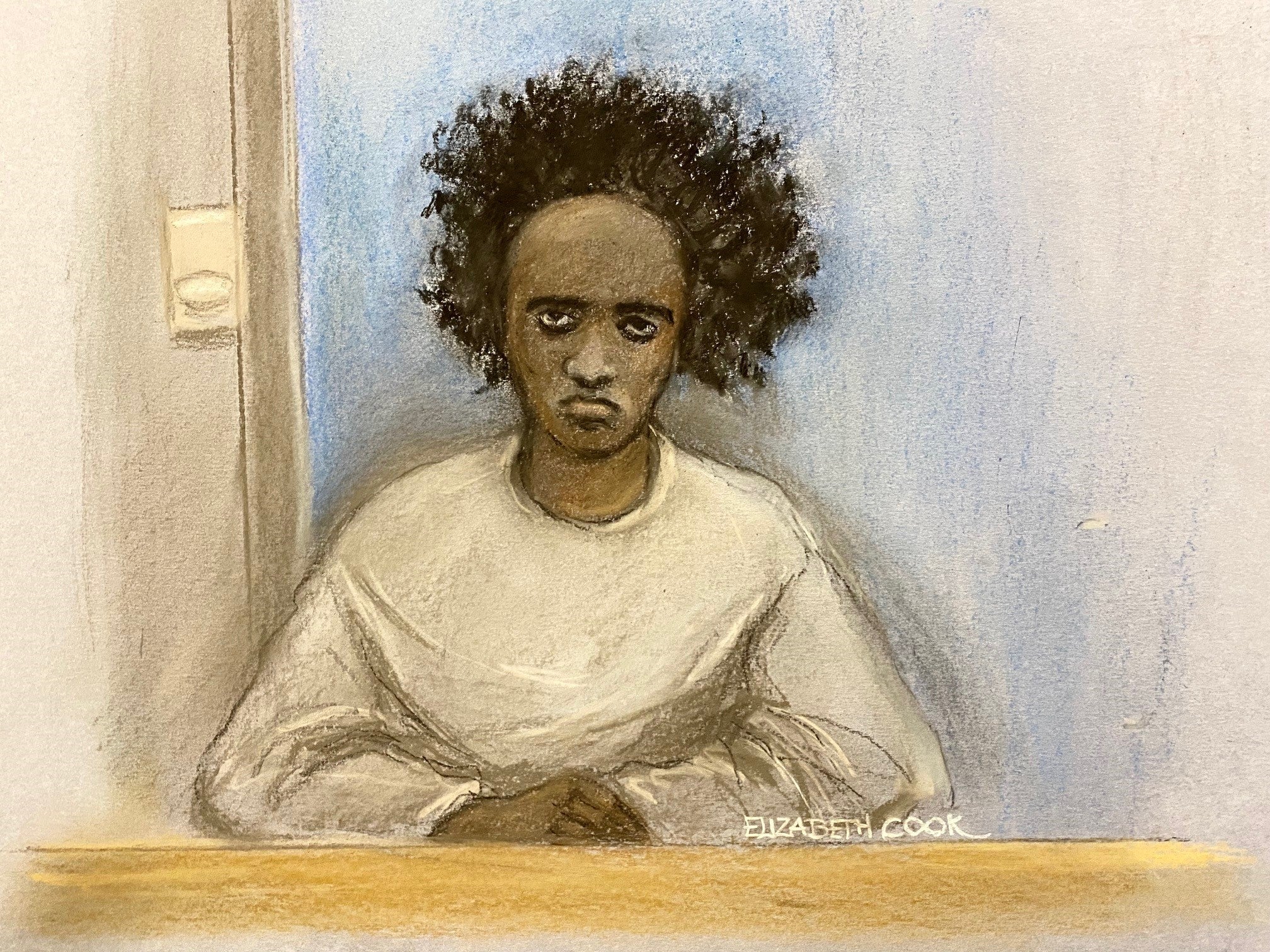
Alice da Silva Aguiar, nine, Bebe King, six, and Elsie Dot Stancombe, seven, were murdered when Rudakubana, then 17, entered The Hart Space, armed with a knife in summer 2024. He also attempted to murder eight other children, who cannot be named for legal reasons, class instructor Leanne Lucas, and businessman John Hayes. The 19-year-old, who was simply referred to as “the perpetrator” or “AR” in hearings out of respect to victims and their families, has been jailed for life with a minimum term of 52 years.
The inquiry, held over nine weeks at Liverpool Town Hall last year, heard from more than 100 witnesses, 67 who gave live evidence, about topics including Rudakubana’s involvement with health services, social care and education, and the three referrals to anti-terror programme Prevent that were made, and closed, before he carried out the attack. Home secretary Yvette Cooper announced the inquiry in January 2025 after Rudakubana’s contact with these various bodies emerged.
In a statement delivered at Liverpool Town Hall as the report was published, Sir Adrian said: “I have no doubt that if appropriate procedures had been in place and if sensible steps had been taken by the agencies and AR’s parents, this dreadful event would not have happened.“It could have been and it should have been prevented.”
He continued: “AR’s trajectory towards grave violence was signposted repeatedly and unambiguously. Yet the systems and agencies responsible for safeguarding the public did not act with the cohesion, urgency or clarity required.”
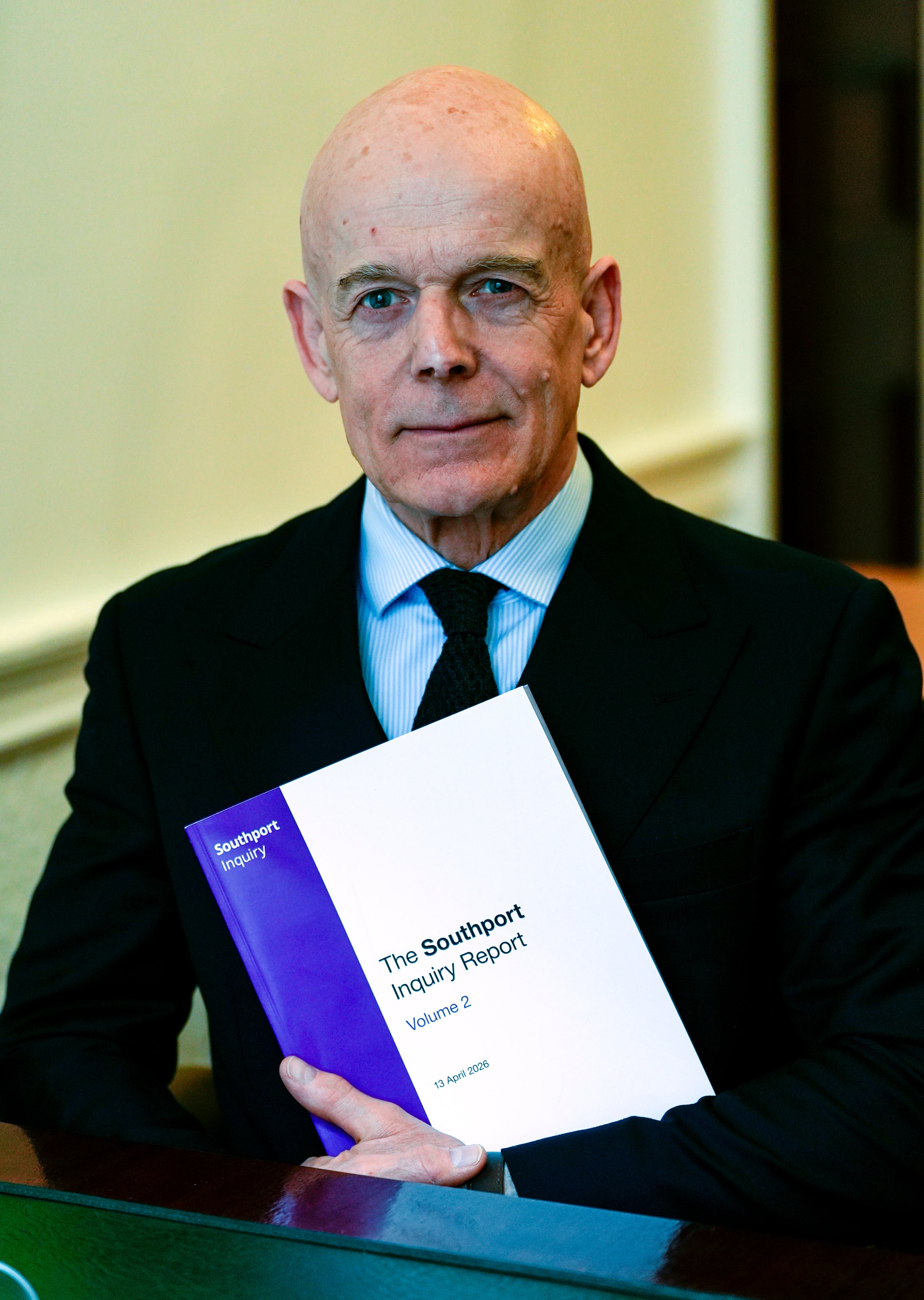
Commenting on the parent’s handling of the teenager, who he described as an “aggressive, near total recluse”, he added: “If the full extent of AR’s family’s concerns had been shared with authorities in late July 2024 – including on the day of the attack – it is almost certain this tragedy would have been prevented.”
Sir Adrian acknowledged Rudakubana had placed his parents in an “extremely difficult position”.
“Their life at home must have become little short of a nightmare, given, to use the words of his own father, AR had turned into a monster,” the chairman said.
However he found the couple, Alphonse Rudakubana and Laetitia Muzayire, had “created significant obstructions” to engagement with him by various agencies and failed to stand up to his behaviour and set boundaries, as well as failing to report a clear escalation in his risk.
He said: “If AR’s parents had done what they morally ought to have done, AR would not have been at liberty to conduct the attack and it would not therefore have occurred.”
But, he said it should have been “obvious” to those in a position to act that Rudakubana was not being “effectively parented”.
Both Rudakubana’s parents, who moved to the UK from Rwanda, gave evidence to the inquiry from remote locations.
His mother told the hearing: “There are many things that Alphonse and I wish we had done differently, anything that might have prevented the horrific event of July 29 2024. (For) our failure, we are profoundly sorry.”
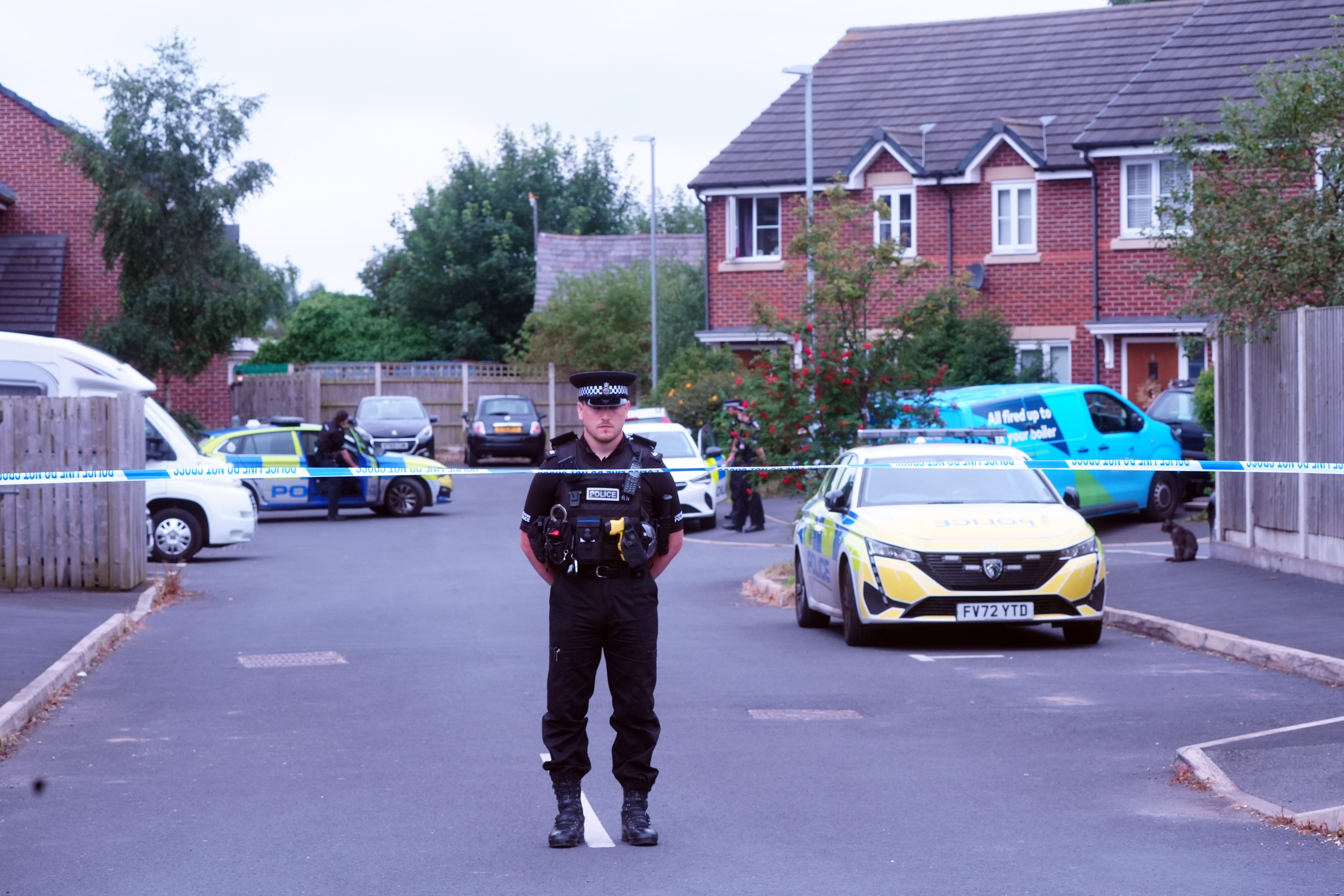
Sir Adrian said Rudakubana had “clearly revealed the extreme danger that he presented to others” more than four years before his attack, when he went his former school, the Range High School in Formby, armed with a kitchen knife and a hockey stick and attacked a student.
The inquiry chairman said the incident in December 2019, for which the teenager received a 10-month referral order, was a “watershed event” and should have led agencies to conclude he posed a “high risk of harm to others”.
The inquiry heard between 2019 and 2024, Rudakubana was referred to anti-terror programme Prevent three times, but the referrals were closed. He purchased a number of weapons, including three machetes, online as well as ingredients he used to make the poison ricin.
Sir Adrian said as time passed, interaction between Rudakubana and organisations became “at best, something of a token”.
The chairman recommended the second phase of the inquiry should consider a single agency or structure to be appointed to monitor interventions for children presenting a high risk of serious harm. He also said it should consider abilities to restrict or monitor access to the internet for high risk children.
The prime minister vowed the government would act on the 67 recommendations of the inquiry ahead of the findings being published.
Questioned on whether organisations should be held accountable, Sir Keir Starmer told reporters: “There does have to be accountability, there should always be accountability.
“The first most important thing is to look at what those recommendations are, what needs to change, and to be a government that says ‘we’re going to carry this, we’re going to do what we said’ – we gave our word on this and when we give our word, we’ll follow through on that.”
Sir Adrian, who described the attack as “one of the most egregious crimes” in UK history when he opened the hearings, said the obligation was to provide answers to victims and their families.
Speaking ahead of the report’s release, solicitor Nicola Brook from Broudie Jackson Canter, who represents Ms Lucas, Mr Hayes and another adult survivor, Heidi Liddle, said: “Sitting through the extensive list of failings exposed during the first phase of the inquiry provoked an understandably complex mix of emotions for our clients, who battle the daily consequences of survivors’ guilt.
“We hope the report will expose every entity that failed to act in time to prevent this catastrophic attack, and any agencies that are found to be at fault are committed to not just learning lessons but demonstrating, publicly, that they are committed to taking every step to prevent such an atrocity from happening again.”
Widespread rioting and civil unrest that erupted across the country following the murders has not been examined.
A second phase of the inquiry will be informed by the findings of phase one and is expected to focus on the risk posed by young people with a fixation, or obsession with, acts of extreme violence.
More follows on this breaking news story…