
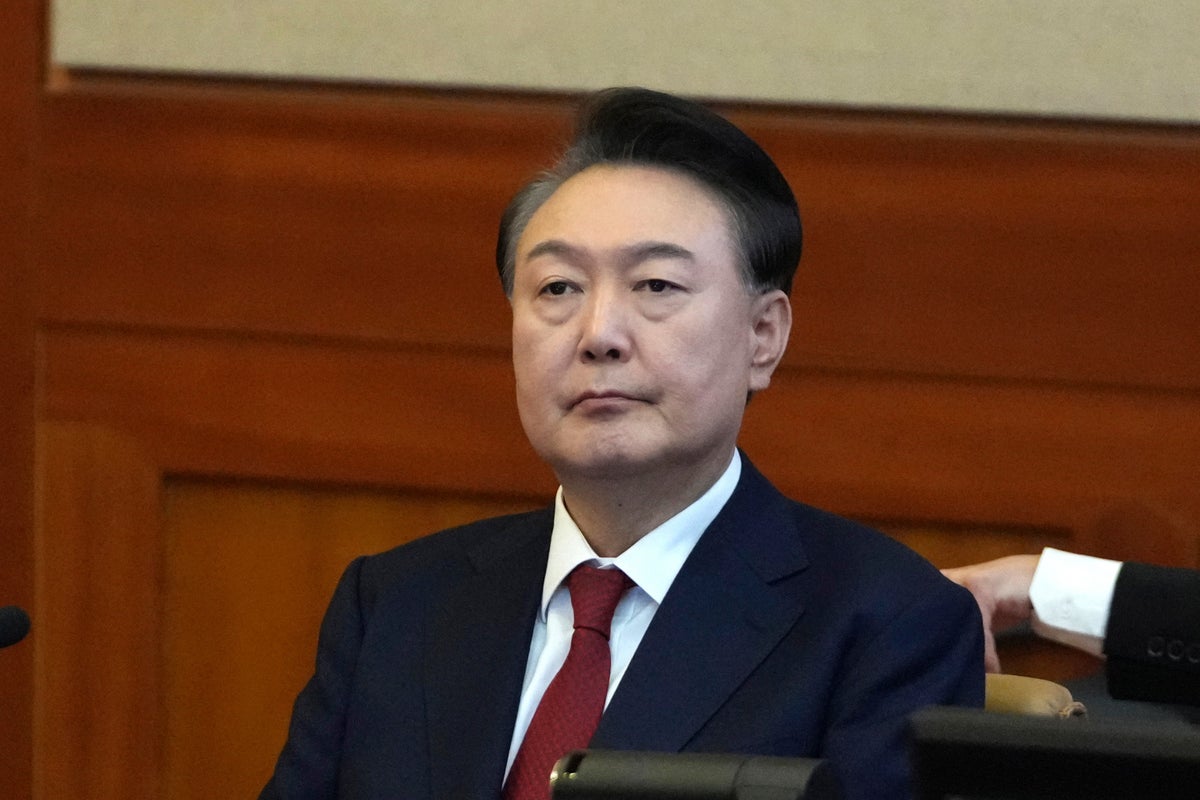
Former South Korean president Yoon Suk Yeol has been sentenced to life imprisonment after he was found guilty of rebellion and abuse of authority over his failed attempt to introduce martial law.
Prosecutors had demanded the death penalty for Yoon’s 2024 bid to use impose martial law via military force, paralysing the legislature and arresting political opponents.
In a hearing broadcast live on national TV, the Seoul Central District Court said the martial law attempt by Yoon amounted to insurrection and that Yoon caused fundamental harm to South Korea’s democracy.
Judge Jee Kui-youn said he found Yoon “guilty of rebellion for mobilising military” and police forces in an illegal attempt to seize the liberal-led National Assembly, arrest politicians and establish unchecked power for a “considerable” time.
Thursday’s ruling makes Yoon the first former South Korean leader to receive the maximum custodial sentence. The martial law episode plunged the country into deep uncertainty and sparked huge street protests, though it was ended after six hours when MPs regained control of the national assembly.
At that time, Yoon claimed he took that step because of “anti-state forces” and a threat from North Korea.
The former president, who attended the hearing, maintained a straight face as a judge held him guilty and announced the verdict.
Yoon denied all the charges against him, describing the case as politically motivated. Himself a former prosecutor, he argued that he had the constitutional authority to declare martial law as a counter to what he called obstruction of his administration by opposition parties.
But prosecutors said Yoon had masterminded an insurrection, saying that his “unconstitutional and illegal emergency martial law undermined the function of the National Assembly and the Election Commission… actually destroying the liberal democratic constitutional order”.
The judgement in Yoon’s highly divisive case comes just over 14 months after the events of 3 December 2024, when his declaration of martial law sparked chaotic scenes in Seoul and beyond. Soldiers initially tried to block lawmakers from entering parliament, but eventually 190 MPs – a slim majority – managed to push past the military cordon and pass an emergency resolution overturning Yoon’s order.
The episode sent shockwaves through South Korea, Asia’s fourth-largest economy and a country long regarded as one of the world’s most resilient democracies.
Parliament impeached Yoon within 11 days, and four months later the Constitutional Court formally removed him from office.
Yoon’s lawyer denounced the verdict, saying it was not backed by evidence, and also accused the judge of following a pre-scripted verdict before delivering the sentence.
In the hearing, the court also convicted Yoon’s allies, including ex-defence minister Kim Yong Hyun and former intelligence commander Roh Sang-won.
And the court sentenced law enforcement officers, including former police chief Cho Ji-ho, former Seoul Metropolitan police chief, Kim Bong-sik, and former head of the National Assembly police guards Mok Hyun-tae.
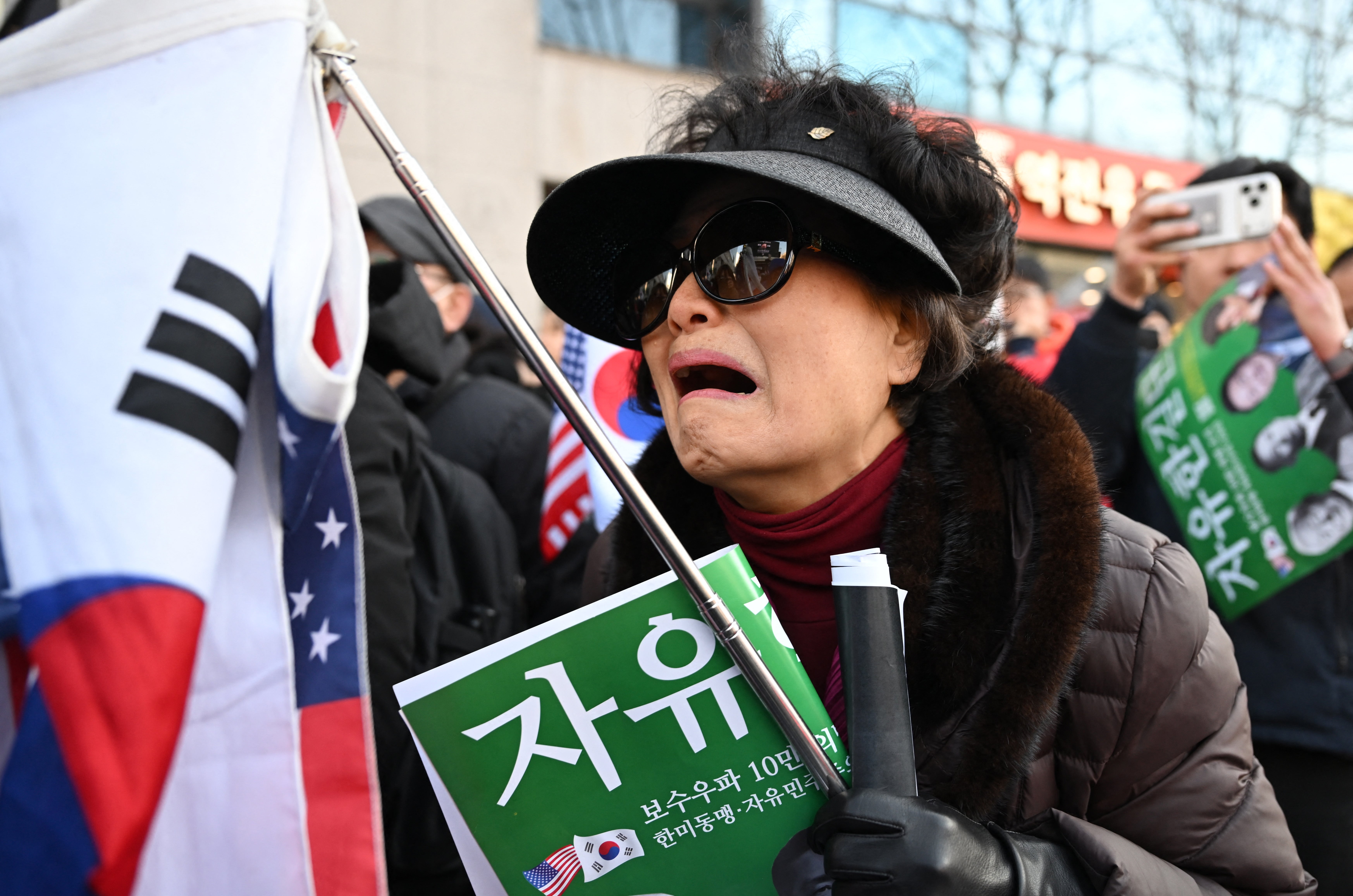
Security was tightened around the court complex ahead of the verdict, with a heavy police presence deployed as supporters of Yoon Suk Yeol gathered outside.
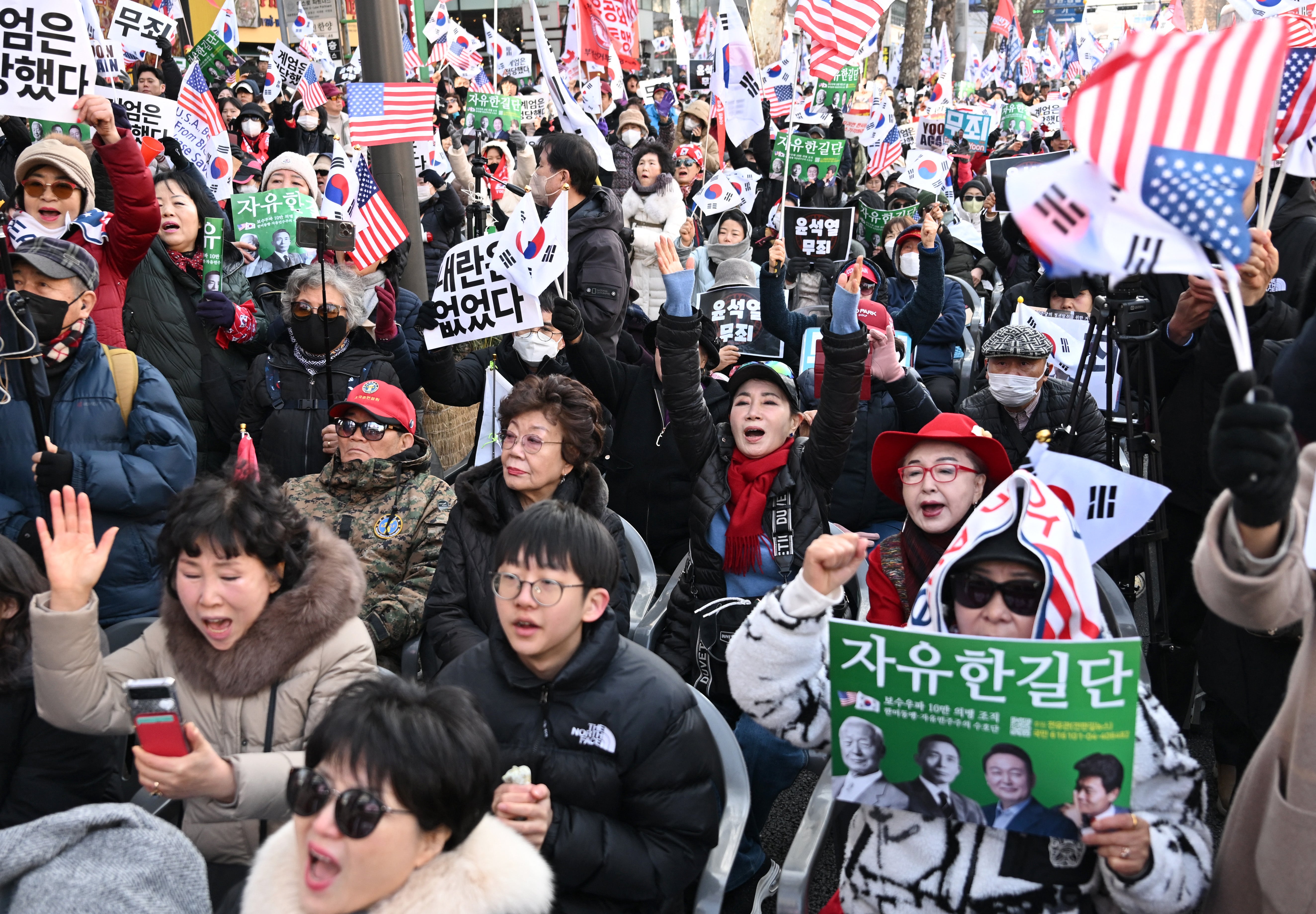
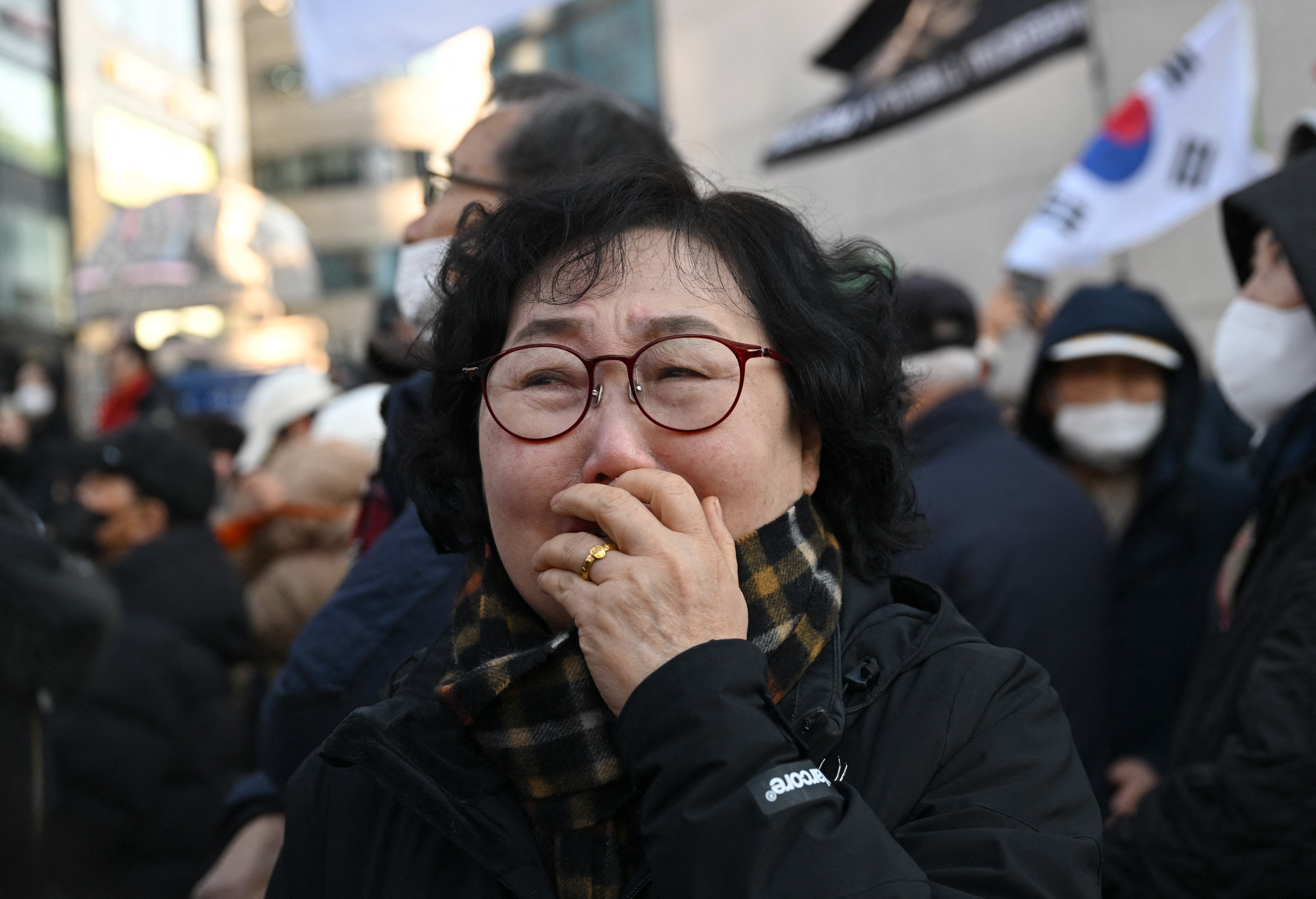
After the life sentence was announced, emotions ran high among his backers. Some shouted in protest while others were seen in tears.
One supporter allegedly struck a cameraman from local broadcaster KBS with a flag as he stood on a platform covering the ruling, BBC reported. Police quickly intervened and escorted the man away from the scene.