



South Korea’s transport ministry systematically compromised aviation safety for over two decades by approving improper airport structures and cutting construction costs, a state audit has revealed following a devastating plane crash that claimed 179 lives.
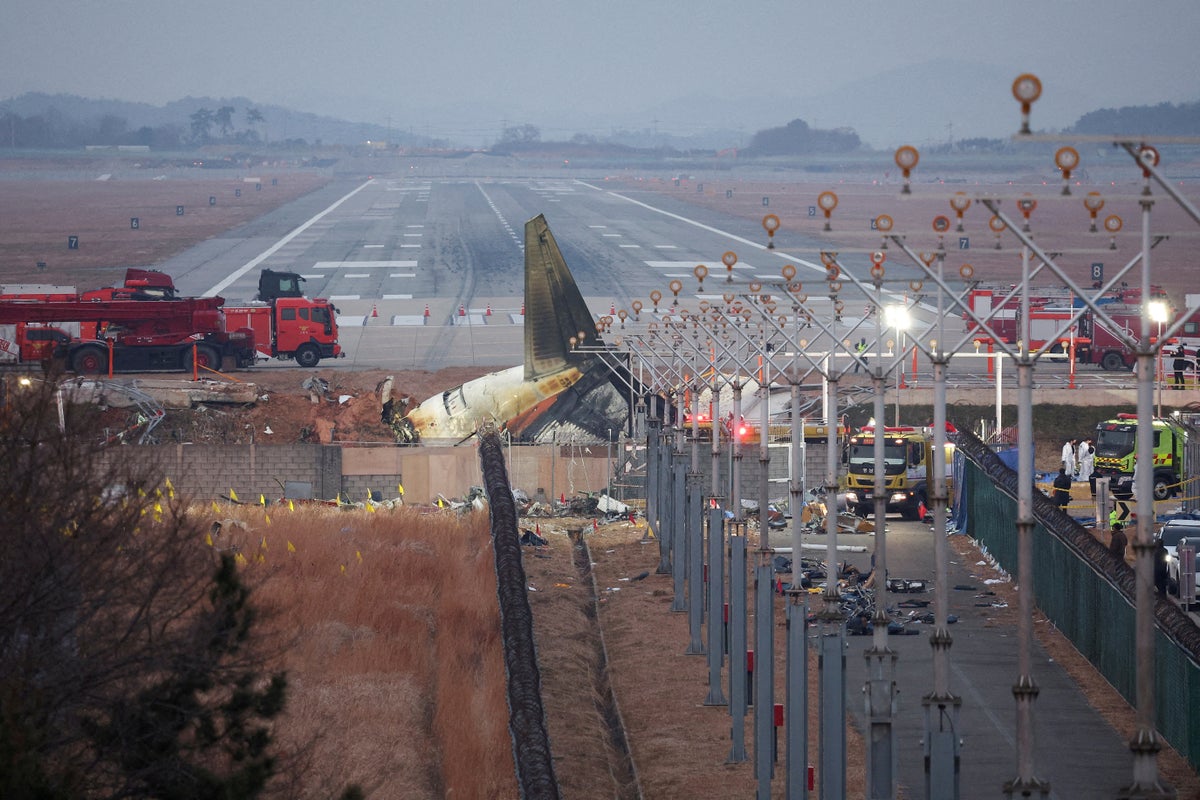
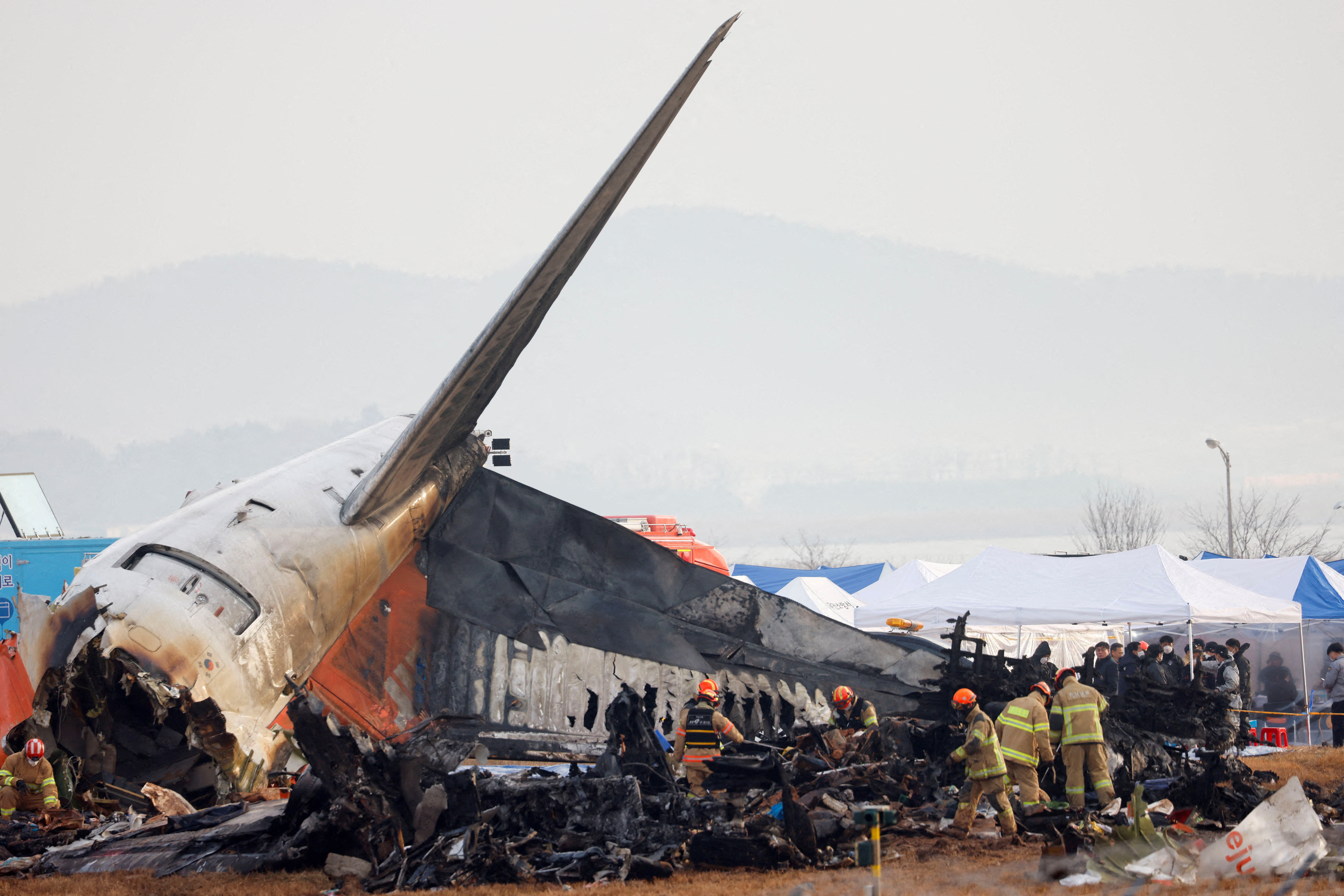
The damning report from the Board of Audit and Inspection comes after a Jeju Air Boeing 737-800 crashed in December 2024 at Muan International Airport. The aircraft, which suffered a bird strike, belly-landed and overran the runway, tragically colliding with a concrete support for a localiser antenna. Only two flight attendants, seated at the rear of the plane, survived the horrific incident.
The audit, published on Tuesday, found that the ministry had specifically built a 2.4-metre (7.9 ft) high concrete embankment to house the localiser – a crucial landing guidance system – at Muan airport. This decision was made to reduce earthwork expenses, without adequately reviewing relevant rules, directly contributing to the unsafe conditions.
Under international standards, localiser structures should be designed to break apart easily upon aircraft impact.
The ministry is responsible for airport construction. It hands operations to Korea Airports Corp (KAC) ICNP.UL but remains responsible for safety certification.
The auditor said the ministry wrongly approved 14 non-compliant localiser installations at eight airports including Muan, Gimhae and Jeju. It also said that, for up to 22 years, the ministry certified operating permits and approved regular inspections that erroneously found frangibility standards had been met.
It identified broader shortcoming in bird-strike prevention and other aspects of air safety management, and notified the ministry of 30 cases of wrongdoing or procedural failure.
The Ministry of Land, Infrastructure and Transport said it “humbly accepted” the findings and would take strict follow-up measures, including localiser improvement and stronger bird-strike prevention.
A KAC spokesperson said the airport operator is in the process of reflecting improvements recommended by the report.
Jeju Air 089590.KS did not answer phone calls seeking comment.
A separate government-commissioned report found the crash might not have been deadly if there had not been a concrete embankment at the end of the runway, an opposition lawmaker said in January, citing a simulation contained in the report.
A full investigative report is pending public disclosure. It has missed a one-year deadline for the release of a progress report.
The Muan airport has been closed since the crash. It is unclear when it will reopen.
