

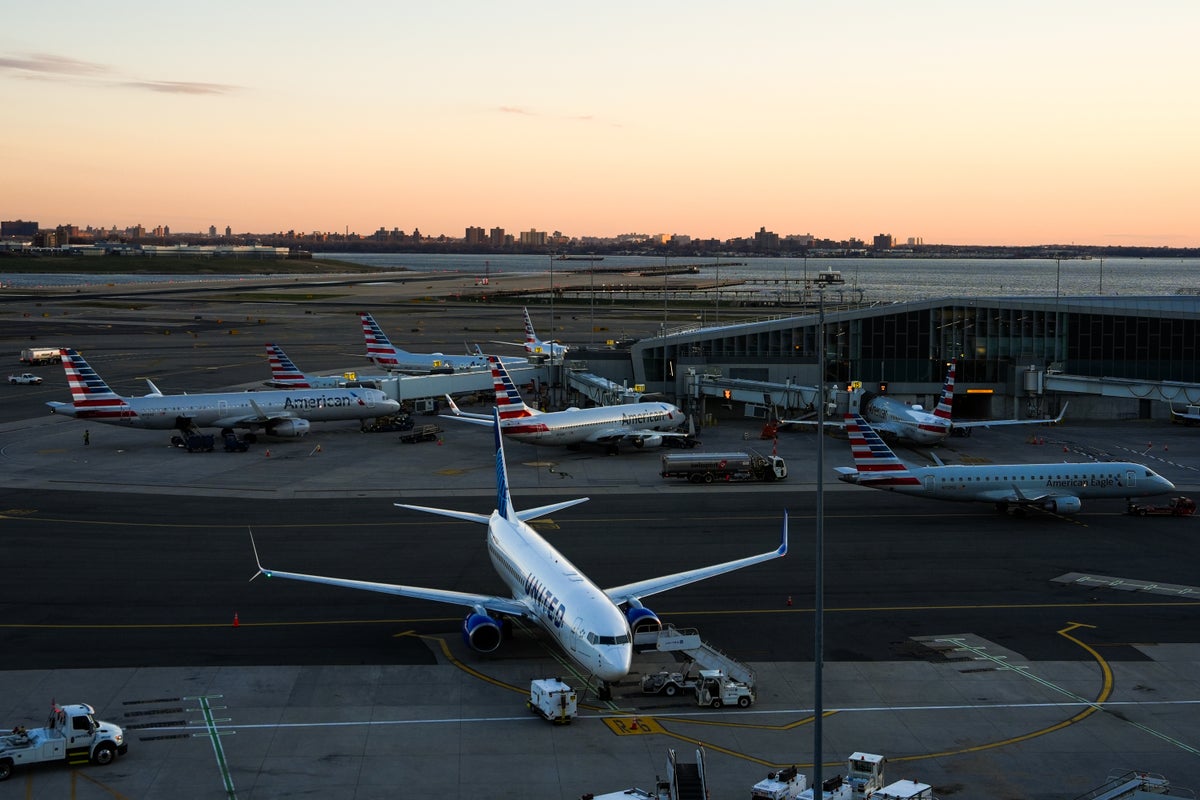
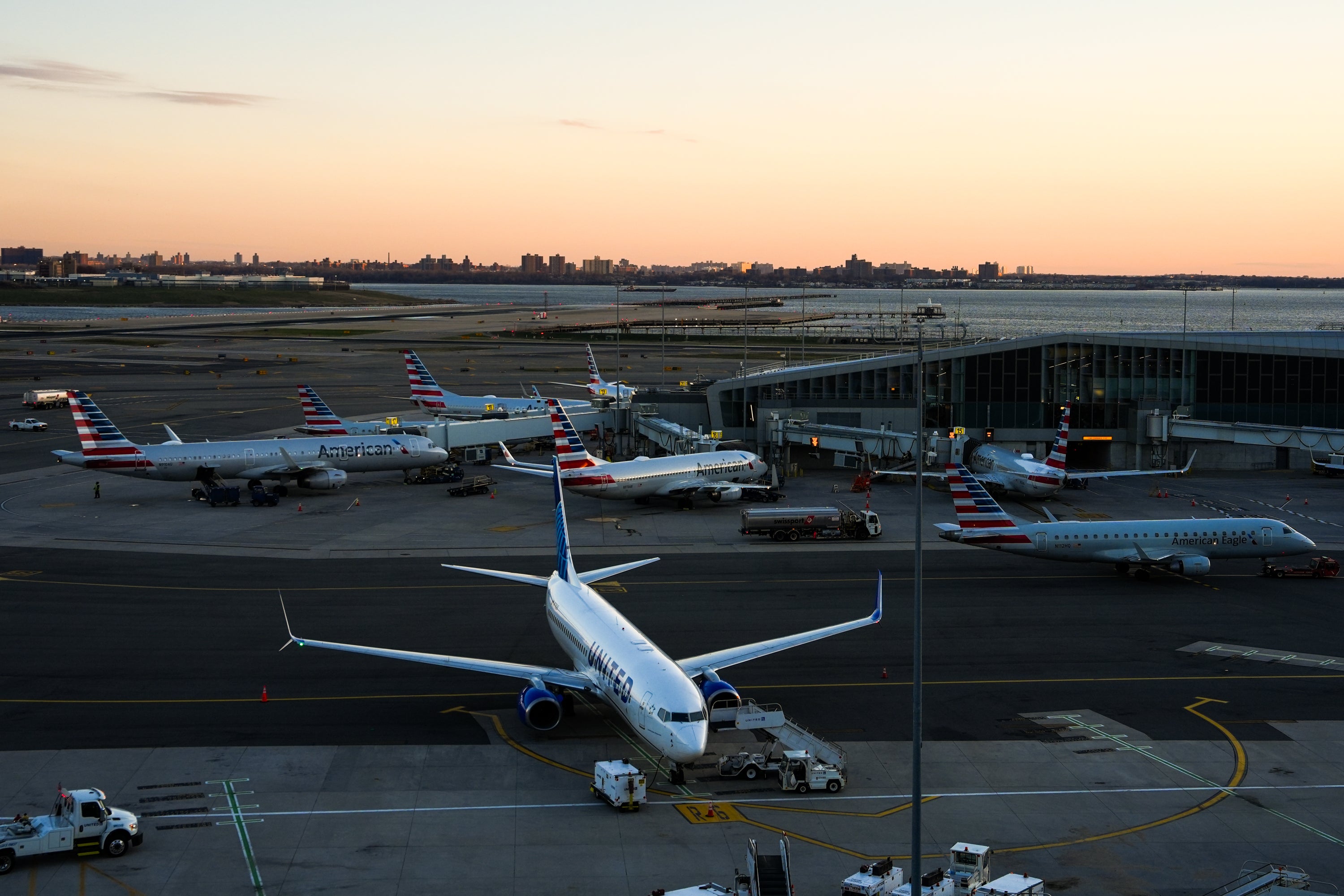
Some airlines could suffer major losses amid rising oil prices, according to industry leaders and experts.
The ongoing war with Iran has driven up oil prices worldwide, which means airlines are paying more than expected for fuel. As prices continue to rise, United Airlines CEO Scott Kirby warned some airlines might “not survive,” according to The Los Angeles Times.
“If these other guys make the same mistakes they made six years ago (during the Covid-19 pandemic), and if the forecast about $175 per barrel is right, you’ll see airlines not survive,” he reportedly said.
This comes after Kirby warned that jet fuel prices “have more than doubled in the last three weeks.”
“If prices stayed at this level, it would mean an extra $11B in annual expense just for jet fuel. For perspective, in United’s best year ever, we made less than $5B,” he wrote in a memo to United Airlines employees last week.
“That may sound scary, but the first piece of good news is that, for now at least, demand remains the strongest we’ve ever seen. The 10 biggest booked revenue weeks in our history have been the last 10 weeks,” he added.
Alan Fyall, an associate dean at the University of Central Florida’s Rosen College of Hospitality Management, told The Los Angeles Times budget airlines could be hit especially hard.
“They’re less resilient to these types of challenges,” he said. Fyall told the outlet that these airlines operate with thin profit margins and rely on high customer volume.
Kirby told ABC News that travelers should book any upcoming flights soon, as tickets costs will likely increase by 20 percent to account for rising fuel costs.
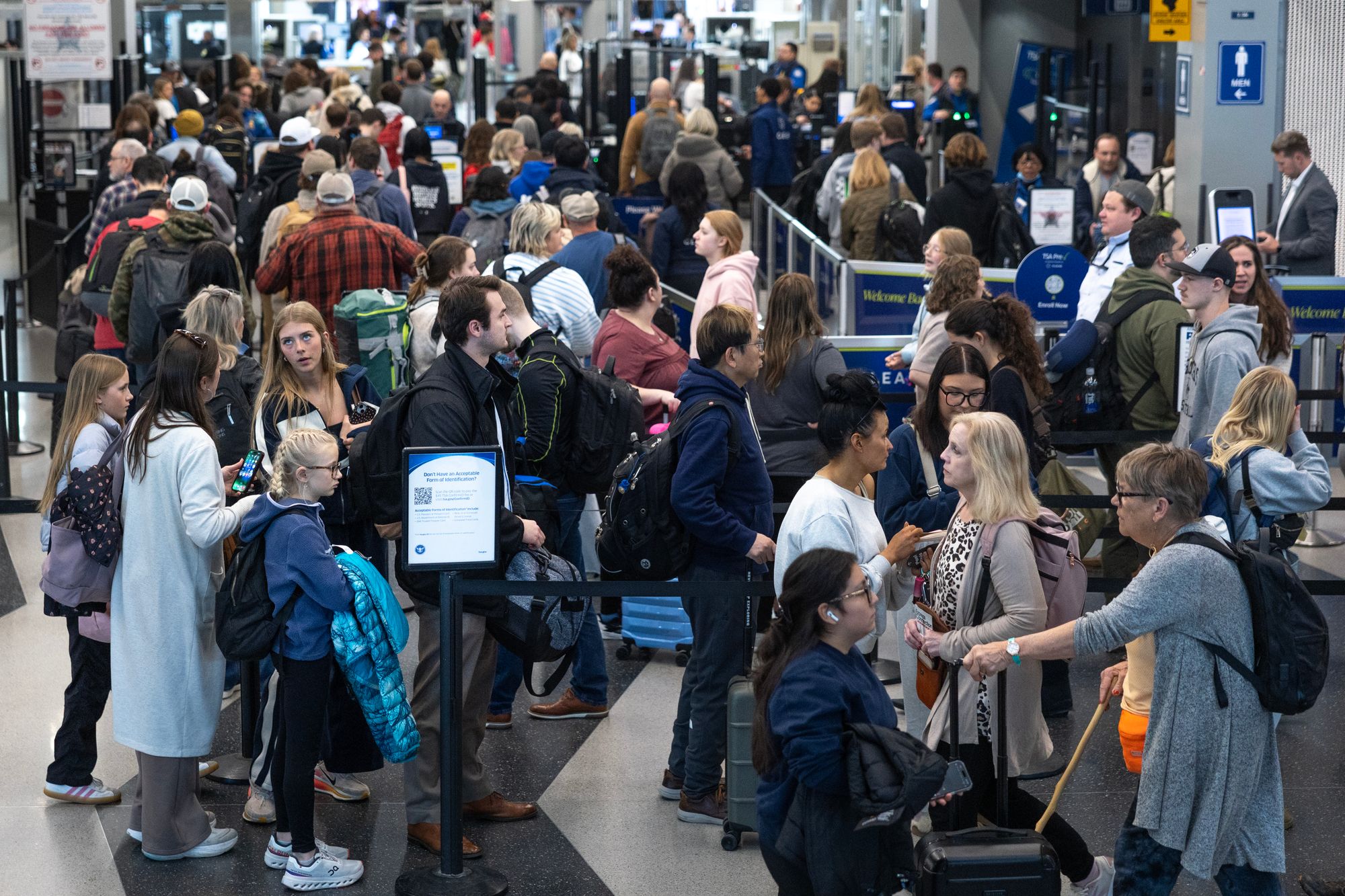
The ongoing Department of Homeland Security shutdown, which began in mid-February, has also wreaked havoc on the air travel industry. TSA staffing shortages have led to hours-long security lines in airports nationwide.
This marks the third shutdown to hit DHS in less than six months. Erik Hansen, the U.S. Travel Association’s senior vice president of government relations, told Politico these shutdowns “have cost the industry billions of dollars.”
“I can’t say everyone has a perfect track record, but really, I think a lot of the problems have originated in Congress,” he added.
President Donald Trump signed an executive order this week directing DHS to begin paying TSA agents again, and they could see their first paychecks as soon as Monday. But extended wait times could still persist, according to Caleb Harmon-Marshall, a former TSA agent and author of the travel newsletter Gate Access.
“If it’s only for a pay period, that’s not enough to bring them back,” he told the Associated Press. “It has to be an extended pay for them to come back or want to stay there.”