


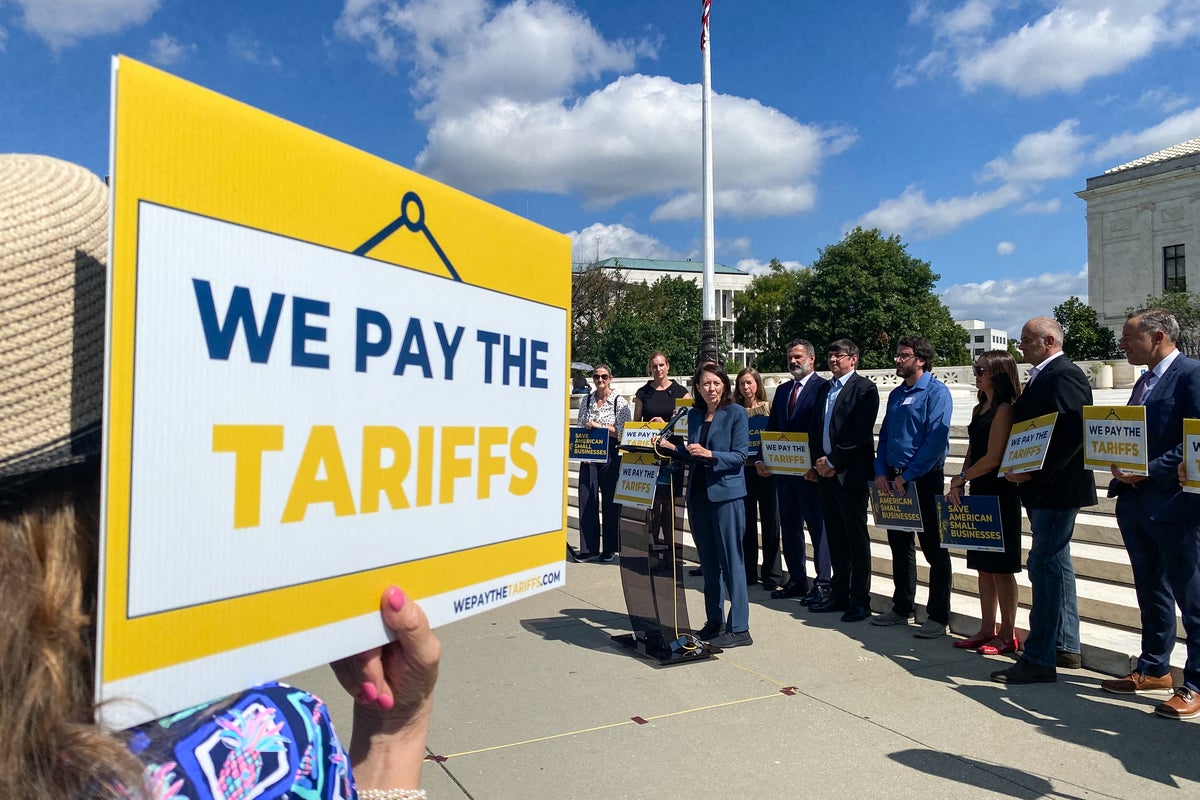
Business owners across the country who were forced to absorb the cost of President Donald Trump’s tariffs, or pass them along to consumers, say they are being left in the lurch by the government after seeking refunds.
After the Supreme Court struck down the president’s tariffs last month, more than 240 businesses have filed complaints with the U.S. Court of International Trade, seeking reimbursement.
But lawyers for the Trump administration are exploring other options, such as bringing back the tariffs under other laws. The administration also made an unsuccessful attempt to delay action for 90 days – leaving business owners utterly confused.
“The level of uncertainty is crazy,” Matt Weyandt, co-founder of Xocolatl Chocolate, a small-batch chocolate maker in Atlanta, told the New York Times.
Weyandt said his company, which sources cacao beans from Nicaragua and other countries, doesn’t have the legal resources to closely follow the status of Trump’s tariffs on agricultural products or to file a request for a refund.

“We just don’t have teams of lawyers to go out and sort through this stuff for us,” Weyandt said. “It’s going to be us stopping everything that we’re doing to spend however long it takes to sort through it.”
But even if Weyandt’s business filed a complaint, it would be joining more than 1,000 other companies that have filed similar lawsuits within the last year. Each day that passes since the Supreme Court made its ruling, dozens of other businesses are joining the call for a refund.
The businesses requesting refunds range from massive corporations such as L’Oreal or Dyson, to small businesses. Most, if not all, are under the expectation, set by lawyers for the government last May, that they could receive “ refunds… including any postjudgment interest that accrues,” should the tariffs be deemed unlawful.
Economists and company CEOs had warned that Trump’s tariffs would raise consumer prices because many businesses had no choice but to pass along extra costs to customers – although Trump vehemently denied that would be the case.
The flood of cases at the Court of International Trade means the process of issuing refunds out of the $100 billion-plus collected from tariffs will become more complicated and have a larger economic impact.
Justice Brett Kavanaugh, a conservative justice nominated by Trump, had warned in his dissenting opinion that the process of issuing refunds would be “a mess.”
“There could be hundreds of thousands of suits,” Rick Woldenberg, the CEO of Learning Resources and hand2mind, one of the main plaintiffs in the case against Trump’s tariffs, told Politico.
“It would be pretty dumb to set up circumstances where they cause the Court of International Trade to be basically hobbled — brought to its knees by hundreds of thousands of pointless lawsuits — all to try and get back money that the Supreme Court says we have a right to,” Woldenberg said.
But given the Trump administration’s attempt to pause the ruling from taking effect, it does not appear they’re ready to begin refunding businesses.
Richard A. Mojica, a lawyer at Miller & Chevalier Chartered which represents some of the companies, told the New York Times, he has been telling clients to “assume that Customs is not going to make it easy.”
Trump appeared furious at the Supreme Court for striking down his key economic plan, saying Justices Neil Gorsuch and Amy Coney Barrett, his nominations for the court, should be “ashamed” for ruling against it.
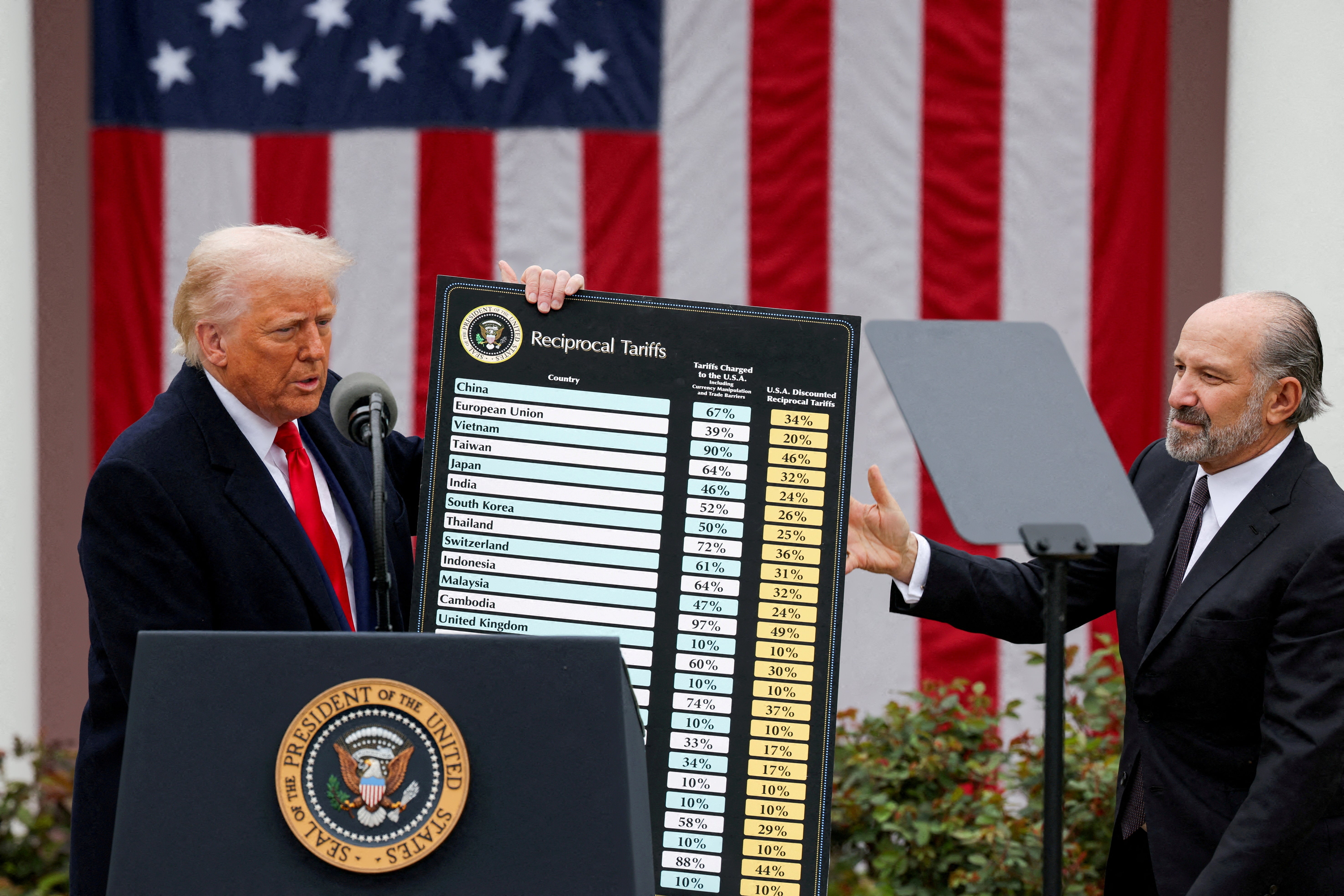
Trump promised to use other laws to impose his sweeping global tariffs but no formal plan has been announced by the White House.
Immediately after the court’s ruling, Trump issued a 150-day, 10 percent tariff globally that does not require congressional approval– then later raised it to 15 percent.
.png?trim=0,0,0,0&width=1200&height=800&crop=1200:800 "Norovirus outbreak on Florida-bound cruise ship sickens 115 passengers and crew – UK Times")