


UK TimesUK Times
  • Home
  • News
  • TV & Showbiz
  • Money
  • Health
  • Science
  • Sports
  • Travel
  • More
    • Web Stories
    • Trending
    • Press Release
What's Hot
Arsenal’s chances of winning the Premier League suffer major drop in latest supercomputer prediction after 3-2 defeat by Michael Carrick’s Man United

Arsenal’s chances of winning the Premier League suffer major drop in latest supercomputer prediction after 3-2 defeat by Michael Carrick’s Man United

26 January 2026

M1 J13 southbound exit | Southbound | Congestion

26 January 2026
Trump moves the goal posts on Alex Pretti killing. Has the public’s ICE anger finally hit home at the White House? – UK Times

Trump moves the goal posts on Alex Pretti killing. Has the public’s ICE anger finally hit home at the White House? – UK Times

26 January 2026
Facebook X (Twitter) Instagram
UK TimesUK Times
Subscribe
  • Home
  • News
  • TV & Showbiz
  • Money
  • Health
  • Science
  • Sports
  • Travel
  • More
    • Web Stories
    • Trending
    • Press Release
UK TimesUK Times
Home » Scientists make significant discovery on bacteria’s resistance to common antibiotics – UK Times
News

Scientists make significant discovery on bacteria’s resistance to common antibiotics – UK Times

By uk-times.com11 November 2025No Comments2 Mins Read
Facebook Twitter LinkedIn Telegram Pinterest Tumblr Reddit WhatsApp Email
Scientists make significant discovery on bacteria’s resistance to common antibiotics – UK Times
Share
Facebook Twitter LinkedIn Pinterest Email

Sign up for our free Health Check email to receive exclusive analysis on the week in health

Get our free Health Check email

Get our free Health Check email

Health Check

A significant breakthrough in understanding how bacteria resist common antibiotics could pave the way for more effective treatments against harmful infections, a new study suggests.

Researchers believe that by targeting a specific bacterial defence mechanism, efforts to combat the urgent global health challenge of antimicrobial resistance (AMR) could be significantly bolstered.

Scientists at the University of Edinburgh investigated a repair system known as Rtc, which certain bacteria possess to counteract the effects of some antibiotics.

This system works by repairing damaged RNA – the crucial molecule responsible for translating genetic information into functional proteins within cells. By maintaining protein production and growth, Rtc allows bacteria to survive even when exposed to antibiotics.

A key revelation from the study was the unpredictable nature of bacterial responses to antibiotics, attributed to the varying expression of the Rtc repair system from one cell to another.

This finding suggests that tailoring treatments to specifically target components of the Rtc system could enhance the efficacy of existing antibiotics, making them more capable of eradicating infections.
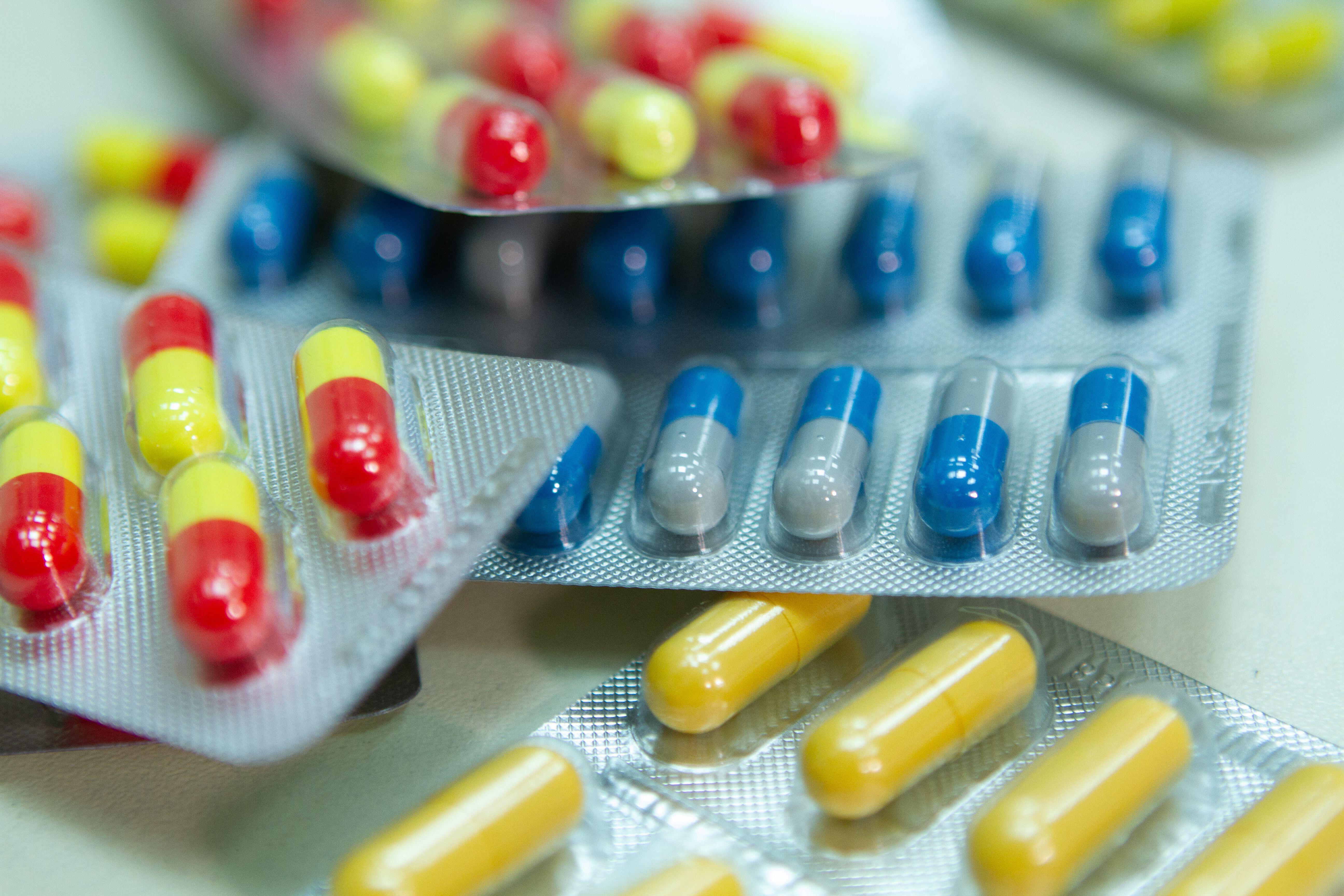
The study could help combat urgent global health challenges
The study could help combat urgent global health challenges (Alamy/PA)

The discovery was made through a combination of computer modelling and laboratory experiments involving E. coli, a bacterium known for developing antibiotic resistance.

Dr Andrea Weisse, from the University of Edinburgh’s Schools of Biological Sciences and Informatics, who led the research, highlighted the urgency of the situation.

“Bacteria are clever little things. They have been learning how to dodge our antibiotics, and they are getting better at it all the time,” she said.

“If we don’t find new drugs – or new tricks to outsmart them – we are in trouble. What we are trying to do here is really understand how their defence systems work. Once we see the mechanism clearly, we can figure out smarter ways to beat them and treat infections more effectively.”

Beyond illuminating the complex survival strategies of bacteria, the research also opens new avenues for developing more potent therapies to tackle AMR.

The findings have been published in the journal Nature Communications, with contributions from scientists at Queen Mary University of London and Imperial College London, and support from the Biotechnology and Biological Sciences Research Council, Leverhulme Trust, and Wellcome.

Share. Facebook Twitter Pinterest LinkedIn Tumblr Telegram Email

Related News

M1 J13 southbound exit | Southbound | Congestion

26 January 2026
Trump moves the goal posts on Alex Pretti killing. Has the public’s ICE anger finally hit home at the White House? – UK Times

Trump moves the goal posts on Alex Pretti killing. Has the public’s ICE anger finally hit home at the White House? – UK Times

26 January 2026

M3 J11 eastbound exit | Eastbound | Road Works

26 January 2026

M62 westbound at the Birch services slip road between J19 and J18 | Westbound | Road Works

26 January 2026

Yellow weather warning for wind and rain in NI | UK News

26 January 2026
Tired of snow? Next weekend could be even worse and drop even more, models show – UK Times

Tired of snow? Next weekend could be even worse and drop even more, models show – UK Times

26 January 2026
Top News
Arsenal’s chances of winning the Premier League suffer major drop in latest supercomputer prediction after 3-2 defeat by Michael Carrick’s Man United

Arsenal’s chances of winning the Premier League suffer major drop in latest supercomputer prediction after 3-2 defeat by Michael Carrick’s Man United

26 January 2026

M1 J13 southbound exit | Southbound | Congestion

26 January 2026
Trump moves the goal posts on Alex Pretti killing. Has the public’s ICE anger finally hit home at the White House? – UK Times

Trump moves the goal posts on Alex Pretti killing. Has the public’s ICE anger finally hit home at the White House? – UK Times

26 January 2026

Subscribe to Updates

Get the latest UK news and updates directly to your inbox.

© 2026 UK Times. All Rights Reserved.
  • Privacy Policy
  • Terms of use
  • Advertise
  • Contact Us

Type above and press Enter to search. Press Esc to cancel.

Go to mobile version