




-copy.jpeg?trim=0,0,0,0&width=1200&height=800&crop=1200:800 "Schiaparelli: The ‘ugly’ designer who rivalled Chanel and is set to dominate this year’s red carpets – UK Times")
How much would you have to loathe someone to (allegedly) steer them into a candlelit chandelier? According to 1940s Vogue editor Bettina Ballard, Coco Chanel did just that to her main rival, Elsa Schiaparelli, at a costume ball ahead of the Second World War. Dressed as a surrealist tree, Schiaparelli reportedly went up in flames, with guests squirting soda water on her to put out the blaze.
It’s fair to say that Schiaparelli – now set to be the subject of a new V&A exhibition, “Schiaparelli: Fashion Becomes Art”, which opens on 28 March – rubbed Chanel up the wrong way to rather epic proportions. The pair were known to exchange insults, with the barely five-foot designer dubbing Chanel “that dreary little bourgeoisie”, while the French fashion superstar referred to Schiaparelli not as a designer but “that Italian artist who makes clothes”.
Ironically, that backhanded moniker was how Schiaparelli, the first major couturier to closely collaborate with the surrealist artists Salvador Dalí, Jean Cocteau and Meret Oppenheim, wanted to be known: “For me, dress designing is not a profession but an art,” the innovator wrote in her memoir Shocking Life, titled in reference to the vivid “shocking pink” that became Schiaparelli’s signature in 1937.
The colour was intended to be “bright, impossible, impudent” – much like its creator. After the designer died in Paris in 1973 following a stroke, aged 83, she was buried in a magenta-hued outfit.
“Chanel and Schiaparelli didn’t need to compete really because their clothes were so different,” says Sonnet Stanfill, the senior curator of fashion and textiles at the V&A. “You could tell at a glance that a dress was Schiaparelli. They were so distinctive in their use of colour, their unusual buttons, and their vibrant embroidery and embellishments. They were very, very unlikely to be confused with each other.”
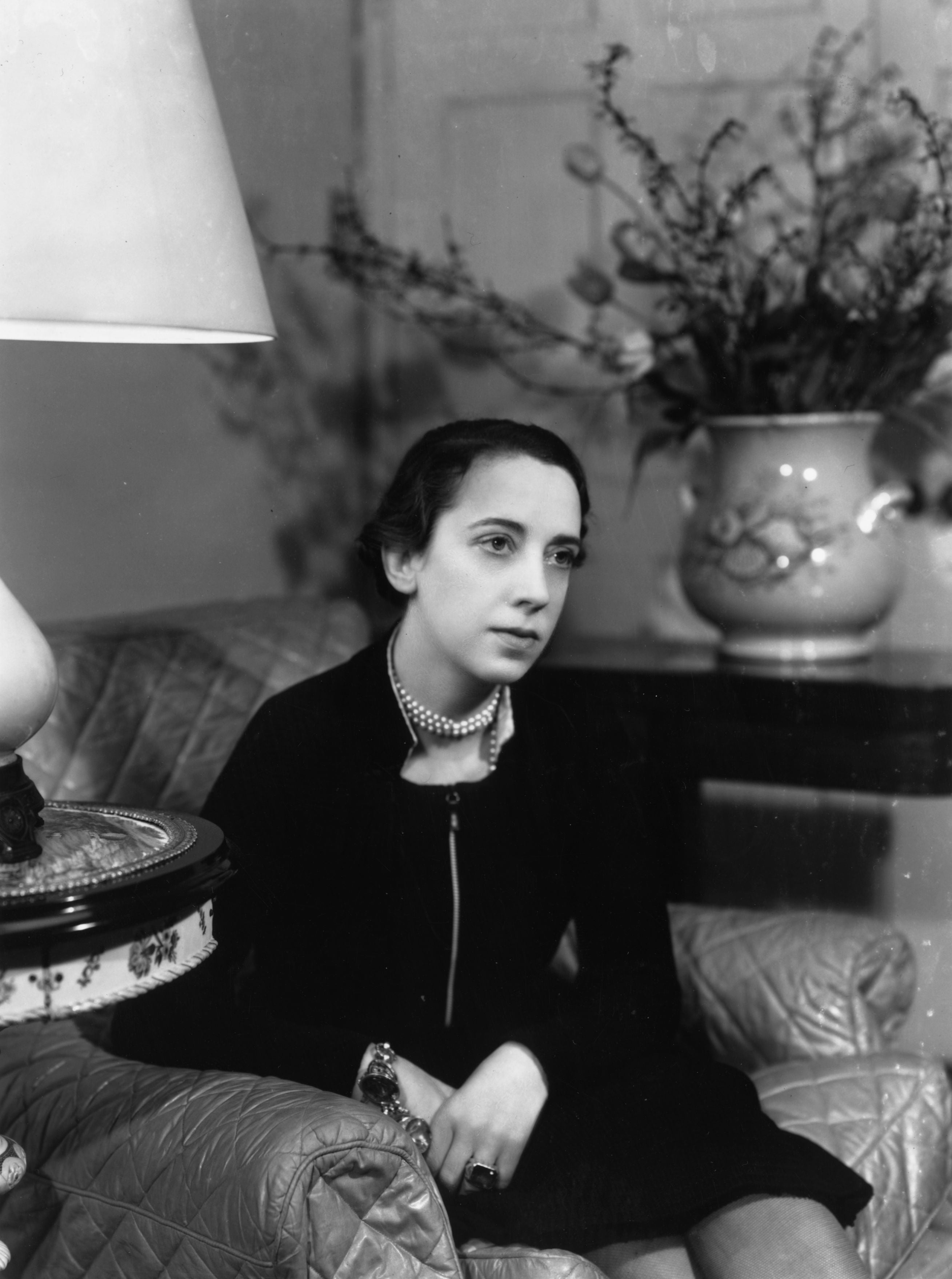
Chanel seemingly disliked Schiaparelli precisely because of their wildly different views of what clothes should be made for. Chanel opted for minimalist elegance in neutral colours and simple lines, intended for everyday modern life. Schiaparelli, meanwhile, put Dalí’s lobsters on her dresses and added quilted padding to evening gowns so it looked like human bones were protruding. “I like to amuse myself through some of my creations,” Schiaparelli, ever the maverick, once said. “If I didn’t, I should die.”
Schiaparelli was born in Rome into an intellectual upper-middle-class family (her father was an Arabic and Islamic studies scholar, her cousin an Egyptologist and her uncle an astronomer). She published a book of poetry in 1911, before marrying theosophist Count William de Wendt de Kerlor in London in 1914, within 24 hours of meeting him. De Kerlor left Schiaparelli almost immediately after their child, Marie (nicknamed Gogo), was born. The designer later told her daughter her father was dead.
By the time Schiaparelli was 32, she had no money or career – and an 18-month-old daughter who was sick with polio. While many would have returned to the safety of their family home, Schiaparelli went to Paris, where she designed clothes for herself and her friends, who by now included the surrealist artist Man Ray and Marcel Duchamp, whom she’d modelled for while living with her husband in New York.
Despite being told she was “ugly” compared to her sister throughout her childhood, Schiaparelli later appeared in Vogue in photos taken by Ray, Horst P Horst and George Hoyningen-Huene and spent her career challenging the cliché of generic beauty.
She was encouraged by designer Paul Poiret (known as “Le Magnifique” or the King of Fashion) to take her interest in design seriously and, in 1927, a trompe-l’oeil effect sweater she’d knitted, emblazoned with a bow, caught the attention of guests at a society luncheon, resulting in numerous orders. Trompe-l’oeil ties and handkerchiefs followed and she soon opened her first salon, launching her career. A 98-room salon in Paris followed, complete with shell lamps by Alberto Giacometti, a shocking pink edition of Dalí’s Mae West lips sofa.
“Often, there was an element in her designs that made the onlooker look twice,” says Stanfill. “Whether it was an accessory, like a hat shaped like an upside-down shoe, or an unusual button – from butterflies to peanuts to a naked mermaid – these unusual details broke the conventional beauty and style rules and marked the wearer as a daring dresser.”
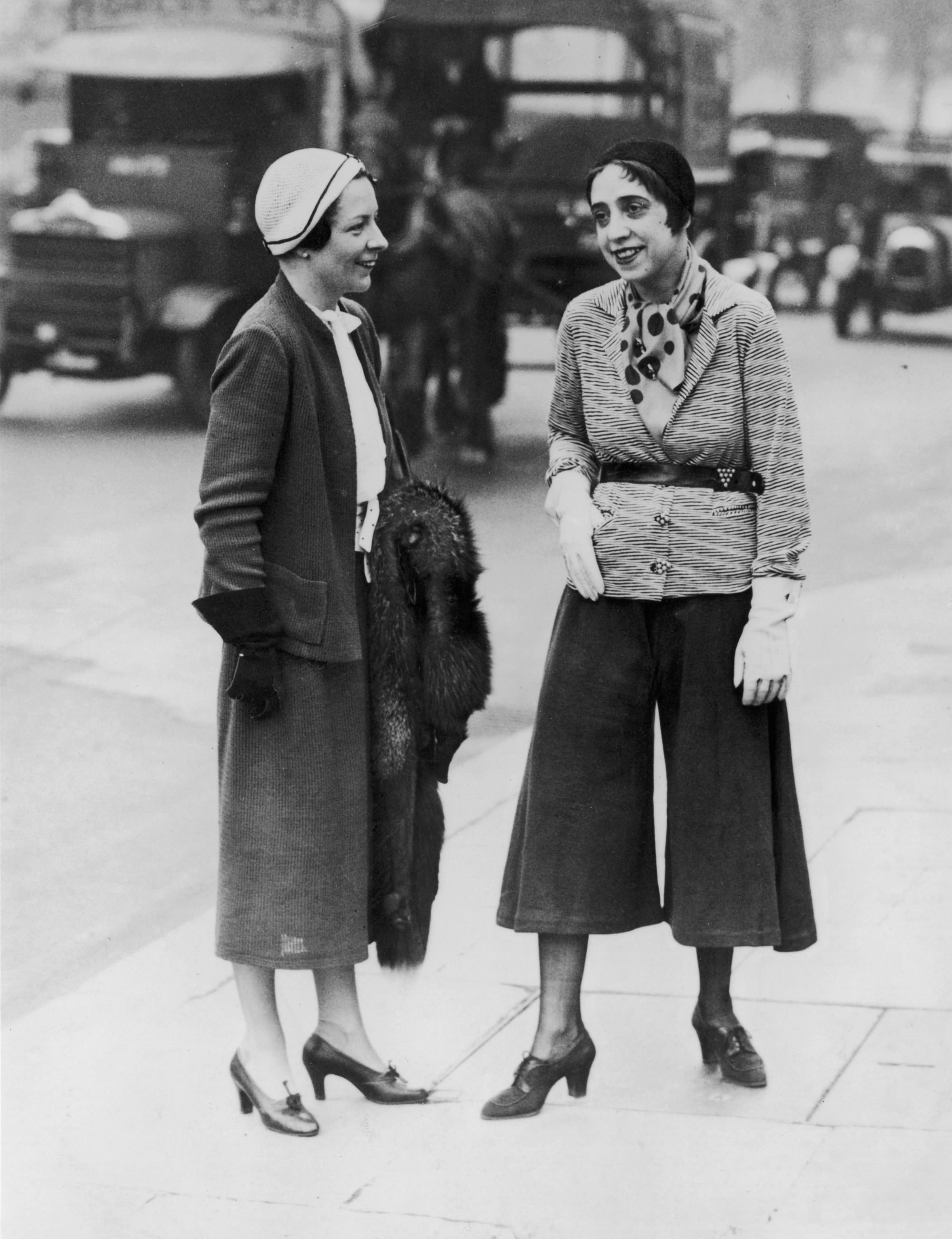
The designer frequently went where others wouldn’t. In the 1930s, her love of trousers angered newspapers, with the Daily Mail dubbing the wardrobe choice “the decay of feminine grace”. She loved oversized shoulder pads, made zips a decorative feature on gowns rather than hiding them, experimented with synthetic fabrics such as rayon and Lurex and supersized her buttons. She even introduced a number of patents, including one for a backless swimsuit. By 1934, Vogue had dubbed her “the designer of the most exciting clothes in Paris”.
Yet, despite Schiaparelli’s pioneering vision that saw her unveil butterfly, Zodiac, and circus-themed collections, she never became a household name like Chanel or Christian Dior. Once the Second World War was over, her fantastical designs didn’t match the mood of the time. By 1954, she declared bankruptcy and was forced to close her fashion house after 27 years in operation.
“It was a moment where, after the war, a new generation of designers were coming to the fore,” says Stanfill. “There was competition.”
The house lay dormant for almost six decades, until Italian luxury mogul Diego Della Valle (and long-time Schiaparelli fan) acquired the rights to the brand in 2006 and waited for six years for the designer’s original atelier location in Paris to become available to launch a full-scale revival.
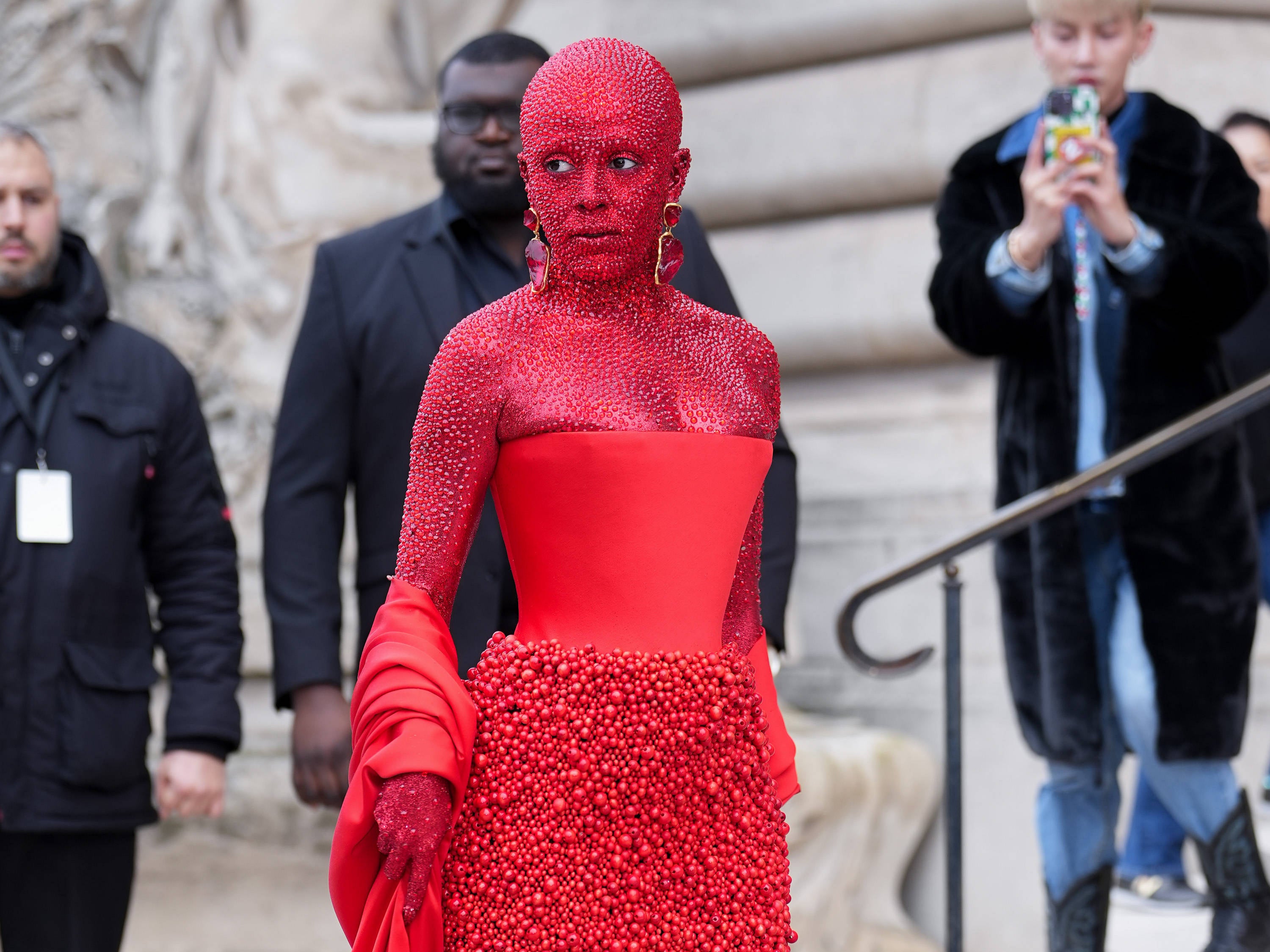
Proceedings have sometimes veered towards the gimmicky. Rapper Doja Cat made headlines when she stepped out at the 2023 Schiaparelli show at Paris Fashion Week studded with 30,000 red crystals. Meanwhile, Kylie Jenner rocked up with a hyperrealistic lion’s head.
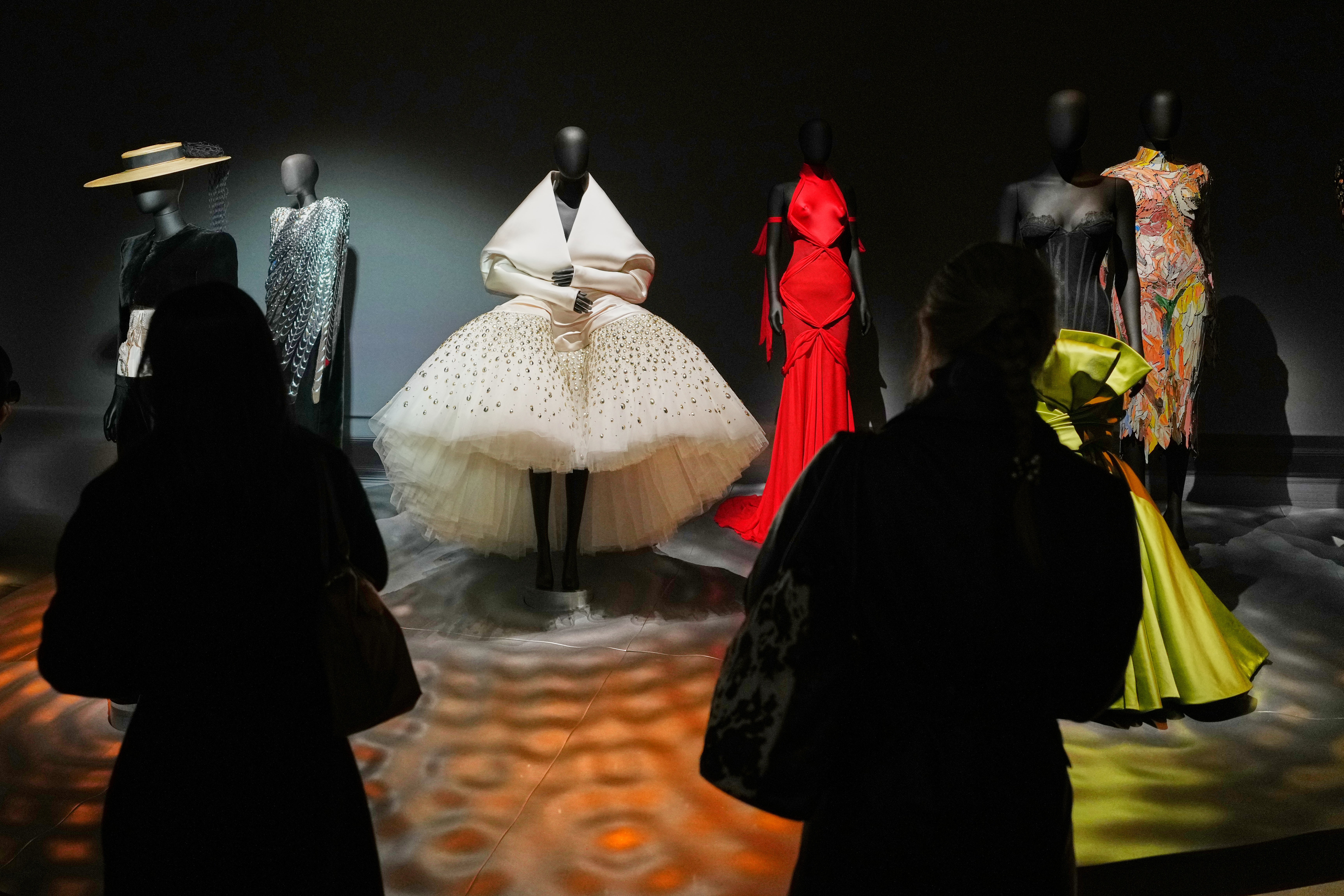
But cut to 2026 and Schiaparelli’s flowers are more than in bloom – her legacy languishing across the catwalks in a way that feels more in keeping with her experimental ethos.
At January’s Paris couture week, the house’s creative director, Daniel Roseberry, unveiled a collection featuring 3D hand-cut lace and airbrushed, hand-printed, crystal-coated feathers. Elsewhere, dinosaur-like horns protruded from the model’s chests. By March – for the fall 2026 collection – he’d debuted playful kitten heels complete with l’œil cat heads made from resin and felt on the front. “We try to walk a fine line between humour and camp,” Roseberry has previously remarked.
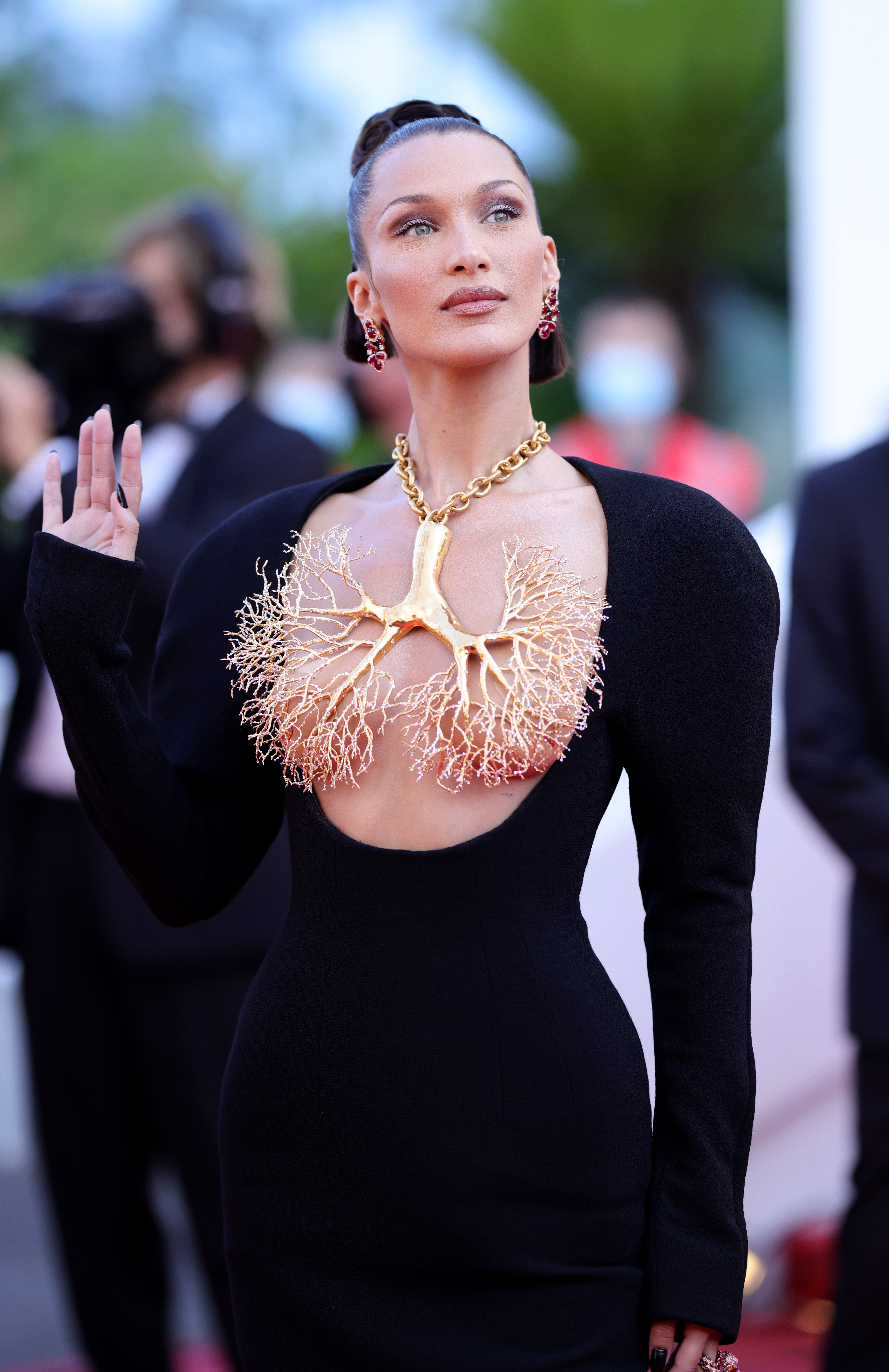
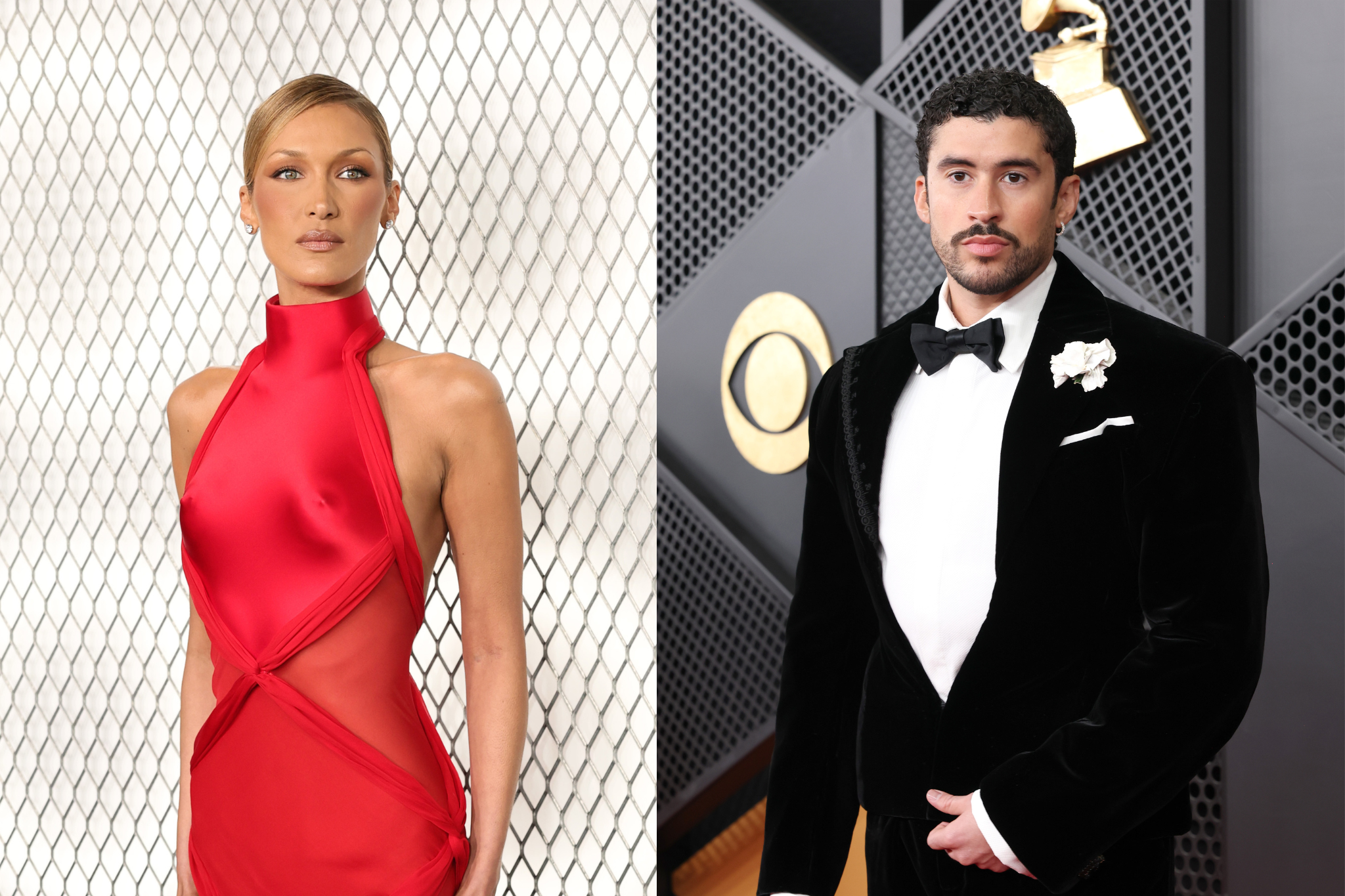
This vision has earned Roseberry an A-list collection of “Schiap pack” members. Bella Hadid wore a fiery red silk custom gown to The Beauty premiere in January, after making headlines in another black dress finished with a lung-shaped brass necklace in Cannes in 2021.
Margot Robbie followed suit in a lace Schiaparelli corset dress for the “Wuthering Heights” premiere in Los Angeles this January. A month later, when Bad Bunny collected the Grammy for best album, he donned a Schiaparelli blazer, which was corseted at the back – the first-ever custom Schiaparelli Haute Couture menswear look on a major red carpet. The world applauded.
“Both Elsa Schiaparelli and Roseberry have been very adept promoters,” says Stanfill. “Elsa was her own best model; whatever she wore, wherever she went, she made headlines, and she got her brand in the newspaper by doing clever things like dressing Amy Johnson, an aviator who did the first solo flight from London to South Africa.
“Roseberry doesn’t copy the archive, but he takes the spirit of disobedience and rule-breaking and moves away from conventionally pretty clothes to clothes that allow the wearer to be daring. He describes it as ‘helping the woman to meet the moment’. And, often, the moment is a very high-profile red carpet appearance. That’s when you want people to remember you. Clothes help do that.”
More than half a million people visited the V&A’s Dior exhibition in 2019. If the museum’s Schiaparelli retrospective – the UK’s first dedicated to the designer – doesn’t get Elsa her recognition, Hollywood certainly will. Just look at the theme for this year’s Met Gala: Fashion Is Art.
“I don’t consider Elsa to be a dressmaker,” Roseberry said of the founder. “She was an image-maker, a culture creator, and she has been our north star moment with every red carpet moment since.”
‘Schiaparelli: Fashion Becomes Art’ is at the V&A from 28 March


