



Russian dogwear entrepreneur Natalia Kukovinets constantly switches messaging apps, a direct consequence of the Kremlin’s widening internet crackdown.
Her struggle to reach customers highlights how web-dependent businesses are suffering as restrictions on Telegram, VPNs, and mobile internet shutdowns affect much of Russia this year.
These unpredictable outages pose a particular headache for small companies, with billions of dollars in digital sales at risk.
Despite state efforts to control its use, Telegram remains vital. It has been the sole sales source for Ms Kukovinets’s Wag’n Tails brand since Instagram was restricted in 2022 and WhatsApp in February.
“Telegram is basically everything when it comes to client communication,” said Kukovinets from her Moscow workshop, where she meticulously crafts embroidered hats and clothes for dog-lovers. Yet, the platform is increasingly unreliable.
“It has become harder to track incoming requests. It does not work without a VPN turned on, and notifications often do not come through,” she explained, wearing a custom t-shirt declaring: ‘Peace, friendship, puppy’.
Her plight is far from unique. State news agency Interfax reported last September that around 2.9 million small-to-medium-sized firms and 14.1 million self-employed individuals rely on messaging apps for business, underscoring the widespread impact of these digital restrictions.

Nevertheless, this week the Kremlin said it would not compensate businesses for losses suffered as a result of its days-long shutdown of mobile internet coverage in Moscow. It jammed coverage in the capital for nearly three weeks in March and regularly blocks it elsewhere.
Russian President Vladimir Putin has said such internet restrictions are essential for security. But the policy has faced rare pushback from the business elite and over two-thirds of Russians believe it has made life more difficult, according to a March survey by independent pollster Levada.
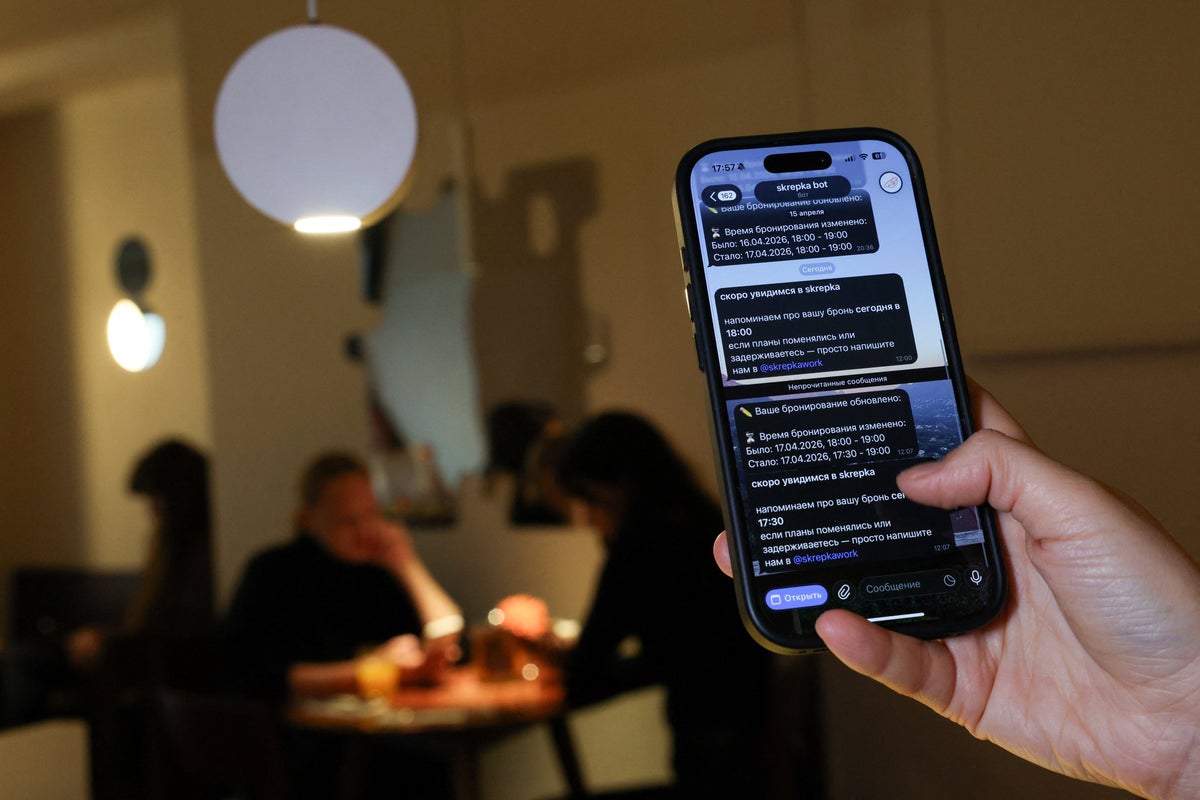
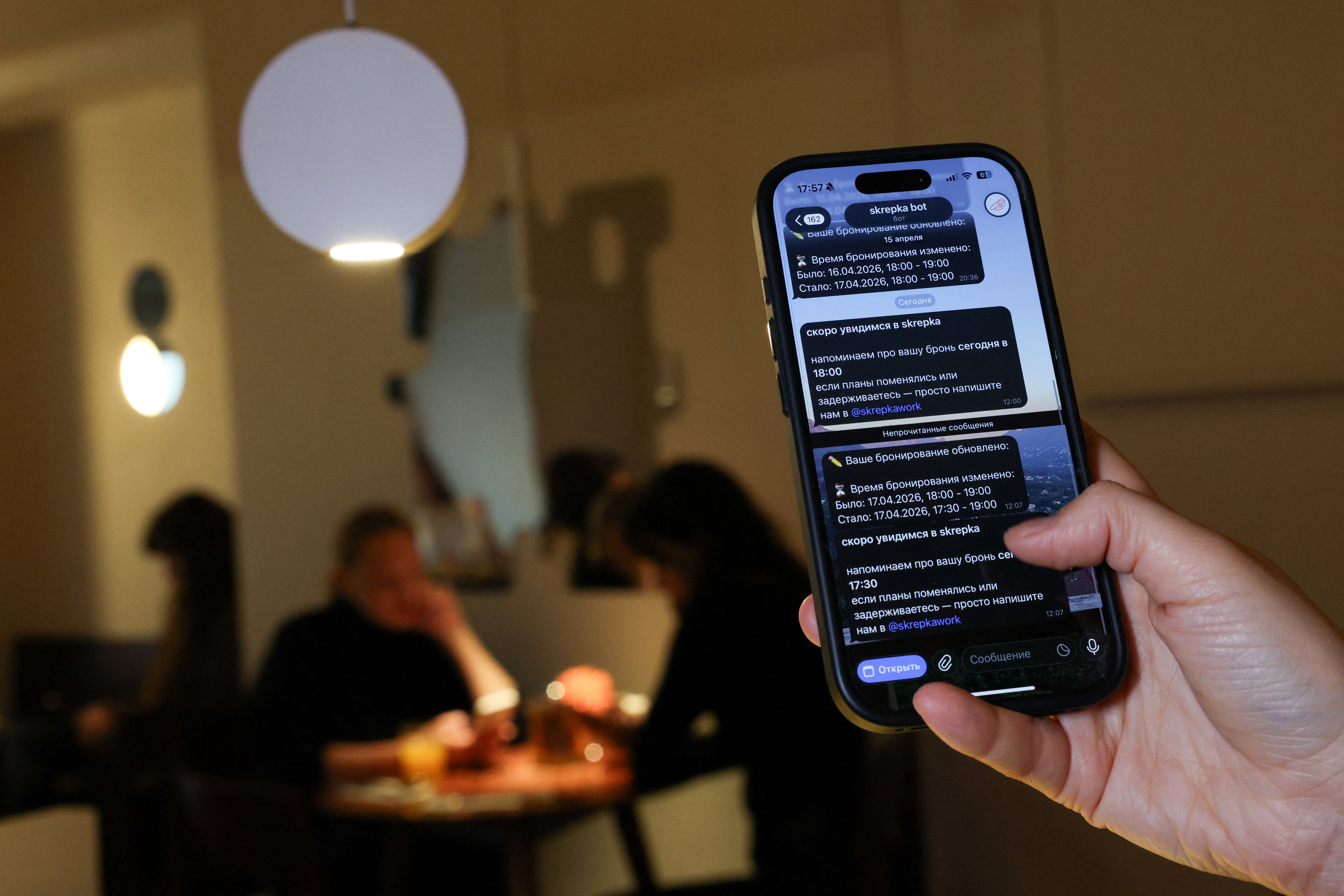
Moscow restaurant Skrepka said a restrictions-linked glitch in April left it unable to process the many online orders for its traditional iced Easter cakes.
“Telegram was down, so the customers started shouting,” said manager Daria Teterina. “It was a reputational loss.”
There is no official data on the economic impact of the various internet curbs. But goods and services sold via digital platforms totalled 11.5 trillion roubles ($153.74 billion) in 2025, the Association of Internet Trade Companies, an industry body, said in March.
“When I’m in the city centre, I don’t see messages until much later,” said Anton Belykh, who runs Moscow-based property firm DNA Realty. “Overall, it creates a lot of inconvenience. Clients lose revenue, communication becomes more difficult, and both we and our clients end up losing money.”
The Kremlin has rejected criticism that the measures represent a return to the repressive information control of the Soviet era and says they are temporary.
But it appears unlikely that access to messaging apps will return to normal any time soon. The authorities are pursuing a criminal case against Telegram’s founder. They are also promoting a state-backed messenger called MAX, though some Russians are wary of using it and refuse to download it.
Belykh said just 2-3 per cent of his clients communicated with him via MAX, while Kukovinets of Wag’n Tails and the restaurant manager said they would continue using Telegram when possible.
“There is… a risk that not all our customers would be ready to move to platforms that are currently allowed. So we made the decision to stay with Telegram,” said Kukovinets.