

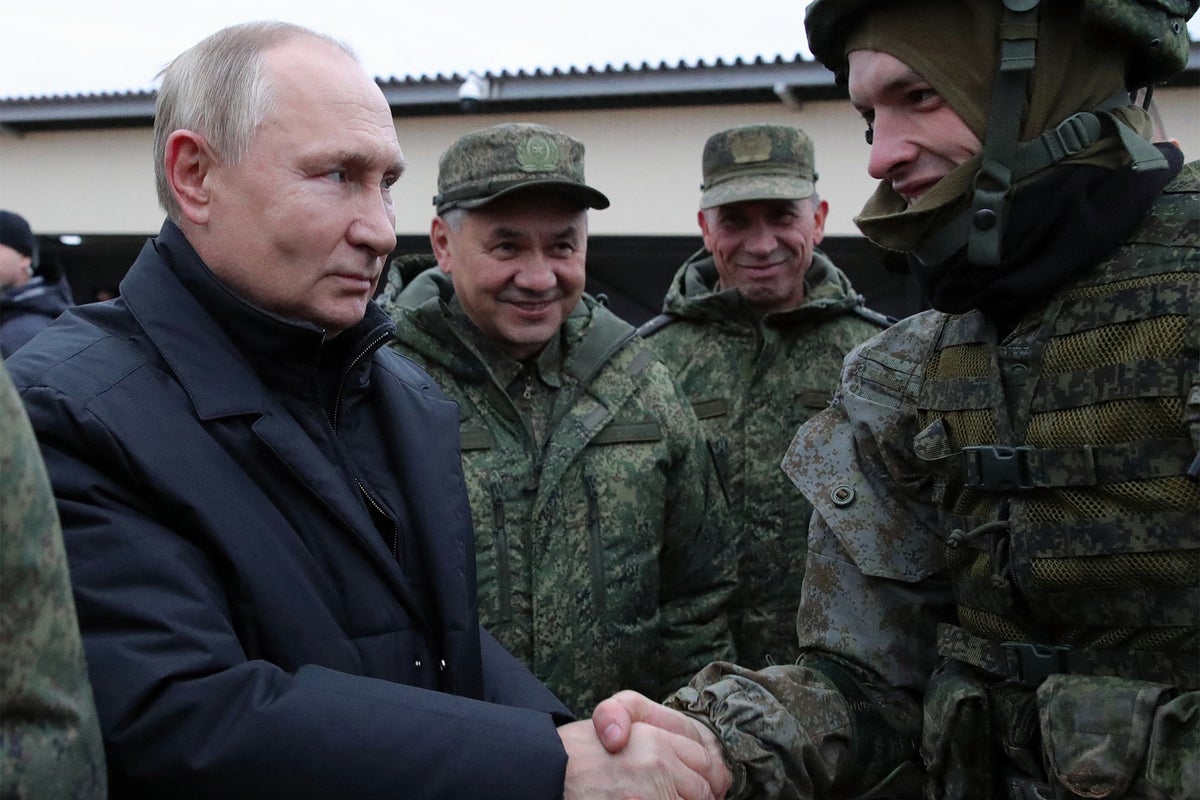
Russia has begun a spring offensive in Ukraine, launching a major assault on the “fortress belt” of heavily defended cities in Ukraine’s eastern Donetsk region. At the same time, a wave of nearly 1,000 drones and missiles targeted civilian, energy, and transport infrastructure across a wide swath of territory in a bid to overwhelm Ukraine’s air defences.
Ukraine’s technology-driven tactical nous has enabled it to kill or wound more Russian troops than are being recruited, month on month. But reports from Ukraine’s military commander Oleksandr Syrskyi that the Kremlin plans to add more than 400,000 new recruits in 2026, suggest that Russia intends to continue with its “meat grinder” strategy of attempting to overwhelm Ukraine along the front lines with sheer weight of numbers while undermining national morale by destroying its energy infrastructure.
Of course, the meat grinder involves a high level of casualties on the Russian side. This has led some western observers to suggest that Vladimir Putin might be forced to the negotiating table simply because his military can’t get enough troops to continue in this way.
The idea that Russia will have trouble recruiting enough soldiers is a hangover from some of its past wars, where the dire treatment of its soldiers and veterans led at times to considerable disillusionment. This idea has been raised in the current war against Ukraine.
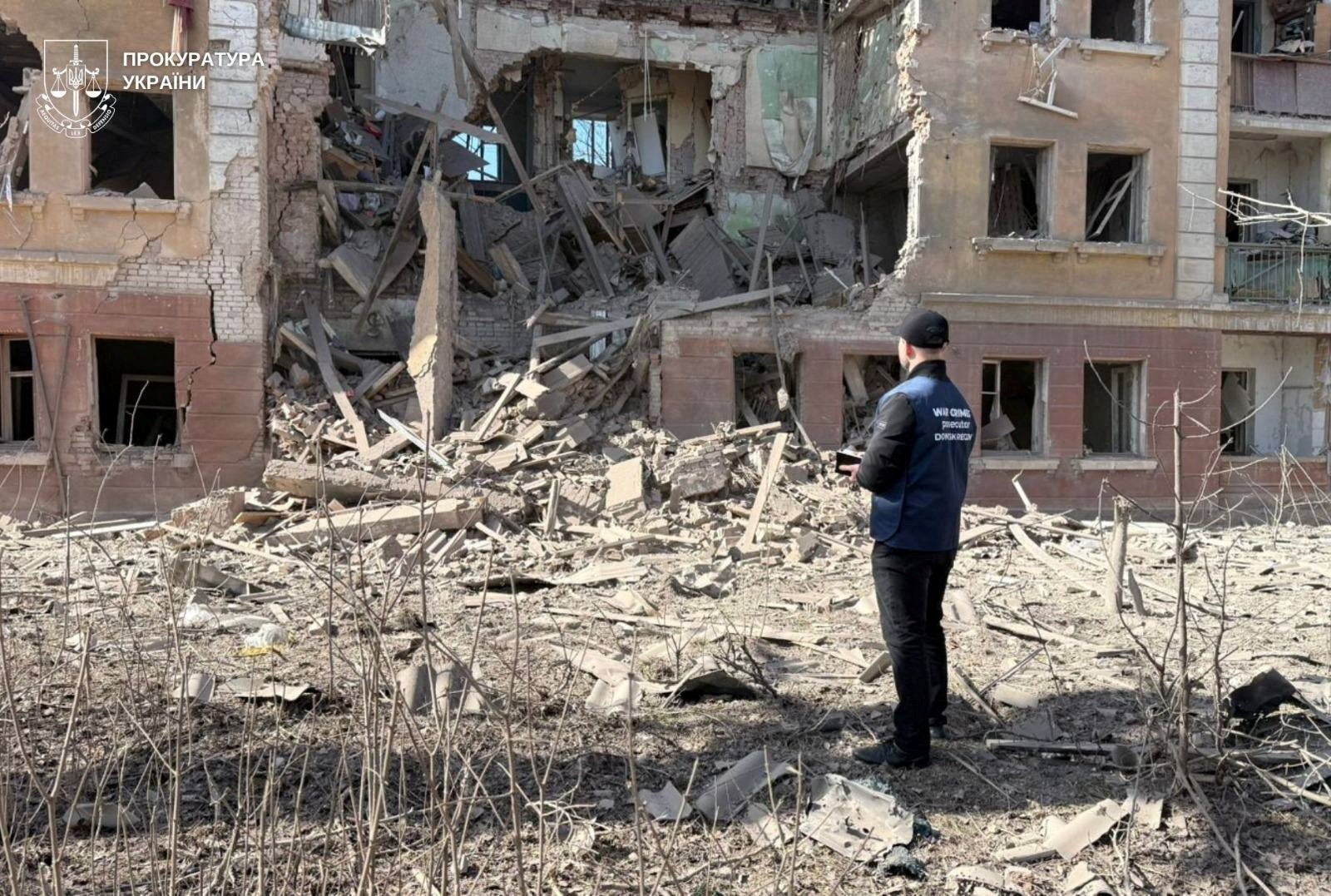
During the Soviet-Afghan War in the 1980s and the first Russian-Chechen War in the 1990s, soldiers’ mothers organisations across Russia placed the conditions under which their sons served their country under the spotlight. Poor service conditions, hazing and corruption – and the state’s failure to provide adequate support and recognition to veterans and the families of fallen soldiers – eroded the image of the Russian military. This led to a breakdown in society-military relations and serious problems in the recruitment and retention of soldiers.
This theme remains ever-present in western reporting of the war. There has been a great deal of media focus on draft avoidance, low morale and discipline in the field and, the poor treatment of veterans. And the enlistment of people serving prison terms as well as troops from allies such as North Korea and Serbia, is also a big focus of attention in western media coverage.
Advertising soldiering as a “real job” for “real men” appeared to signal desperation. And the fact that soldiers appeared only to be fighting for money – or because they were coerced – implied that genuine support either for the war or the regime was weak. Evgeny Prigozhin’s attempted mutiny in 2023 was a more concrete and spectacular example of the potential for Russia’s military mobilisation to implode.
Rebuilding military citizenship in Russia
But in one important respect, this war is being waged differently from earlier wars in Chechnya and Afghanistan. Putin has been determined to prevent any kind of breakdown in society-military relations. He has made a concerted effort to re-engineer the relationship between the army, the state and Russian society since the 2000s – precisely to avoid a repetition of this outcome.
Both the Afghan and first Chechen wars were marked by a breakdown in the social contract between soldiers and the state, or what we call “military citizenship”. This is the reciprocal relationship whereby the state provides soldiers with forms of social and legal recognition – living wages, access to housing and decent healthcare, family support, and a degree of social respect. In exchange, they carry out military service.

These forms of reciprocity clearly collapsed after the Afghan and first Chechen wars. It created a rift between the military and the state that was personified in soldiers’ social and political marginalisation and dissent and disillusionment in senior military ranks. In response to this, Russia has made significant long-term changes. A civic council was established in 2006 under the control of the Ministry of Defence – chaired by patriotic film-maker Nikita Mikhalkov – specifically to guide this process.
This was followed in 2008 by the Strategy for the Development of the Russian Armed Forces. As part of this, Russia has introduced extensive material benefits relating to housing, pensions, salaries and social guarantees for soldiers. The in-house newspaper of Russia’s defence ministry, Krasnaya Zvezda, trumpeted that, under these reforms, “contract soldiers are becoming the country’s middle class”. This is, of course, the government line, but it reflects the importance the Kremlin places in being at least seen to address this historic problem.
This programme of reforms has been accompanied by work to rebuild military patriotism. Civil society organisations such as the Immortal Regiment, a massive and highly active organisation of veterans, are helping to mobilise Russia’s proudly held military tradition from the second world war (known in Russia as the “great patriotic war”).
These forms of material and symbolic recognition will not, of course, appeal to all Russian men. Putin has been forced over the course of the war to introduce stringent rules and severe punishments to prevent draft dodging and the mass emigration of military-aged men.
But on the other hand, many Russians still live in hardship as a result of the country’s shaky economic transition after the collapse of the Soviet Union in the 1990s. For many young and older men in deindustrialising parts of provincial Russia, the army is still seen as the only prospect of social mobility. And this has been reinforced by the benefits provided to the military in recent years.
This does not mean that there are no concerns about conditions in the military, the quality of social protection for soldiers and their families, and – ultimately – about the legitimacy of the war in Ukraine. The relationship the Russian state has attempted to reestablish with society, and with its men in particular, remains problematic. It is still marked by tensions that Putin is either trying to address or attempting to hide. And desertion remains a significant problem for the Russian military.
But the high military salaries and sign-on bonuses continue to attract a steady stream of recruits. So we need to question this idea that relations between military and society will fall apart now and force Russia to the negotiating table. Given the boost to Russia’s economy provided by the current war in the Middle East, the west would do better to focus on how it can assist Ukraine on the battlefield.