Rooibos tea, a caffeine-free drink made from the leaves of a shrub indigenous to South Africa, is part of the country’s heritage.
The rooibos plant (Aspalathus linearis) grows in the mountainous Cederberg region of South Africa’s Western Cape province. It has been traditionally harvested and consumed as a herbal tea by the Khoisan people.
Beyond making tea, the plant has been touted for its potential health benefits. Rooibos has scientifically proven effects as an antioxidant. This is a natural substance that helps to protect your body’s cells from damage caused by harmful molecules.
It’s also an anti-inflammatory: a substance that reduces inflammation (redness, swelling, and pain) in the body. It can help protect the heart and liver, regulate blood sugar and improve skin health.
Commercial cultivation of rooibos began in the early 20th century. Scientific research into its health benefits started in the 1960s, when its antioxidant properties were first reported.
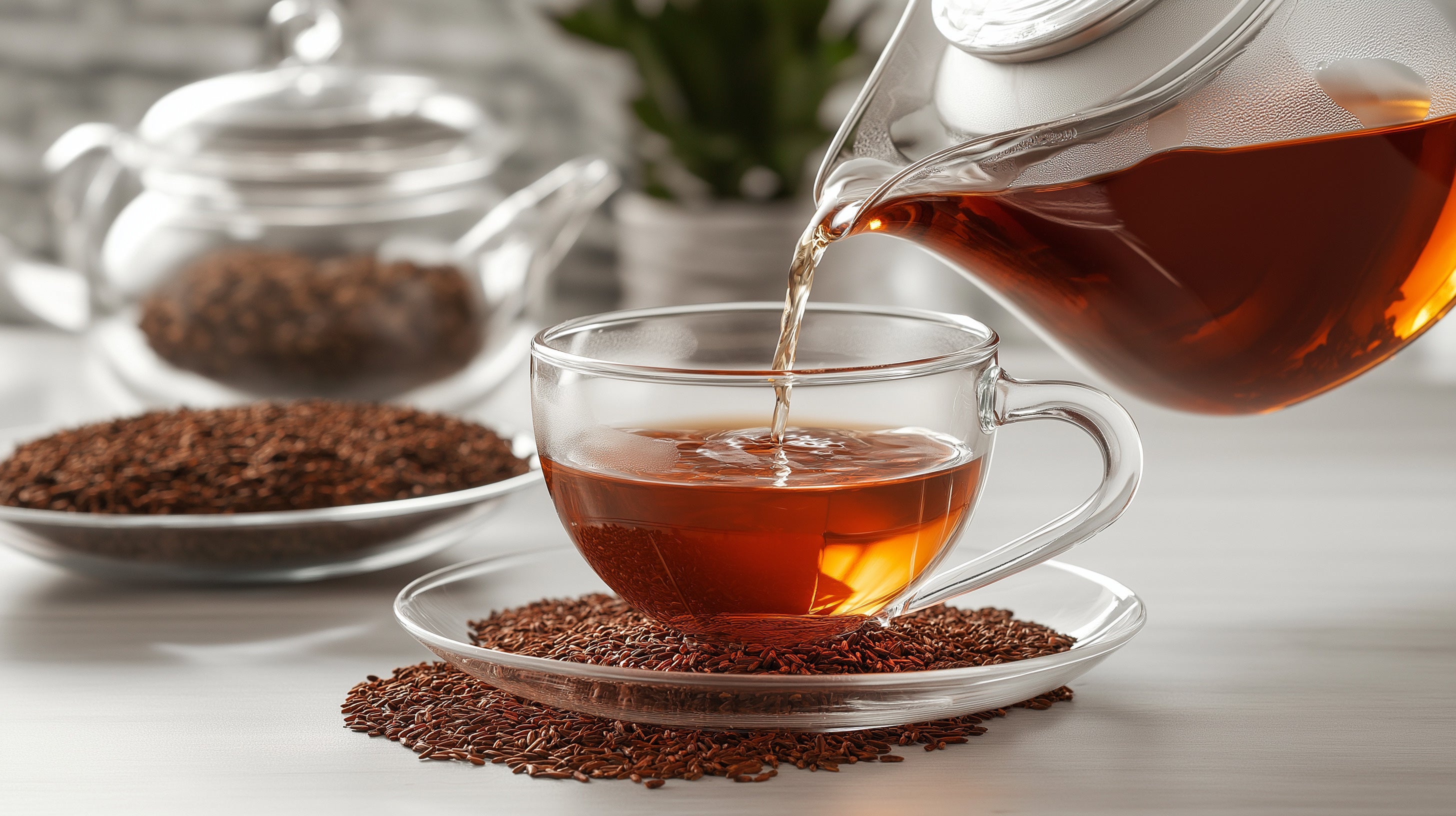
Since then, numerous studies have explored its therapeutic potential.
I am a researcher focusing on the health-promoting properties of South African herbal teas, particularly rooibos and honeybush (Cyclopia spp.).
My latest research with colleagues suggests rooibos might offer powerful health benefits for the gut. The study aimed to compare the anti-inflammatory and barrier protective effects of an unfermented and fermented rooibos aqueous extract on intestinal porcine epithelial cells. We used pigs because their intestines closely resemble human gut cells.
We showed that rooibos extracts made the lining of the gut stronger through its effect on proteins and reduced inflammation.
These effects are important because stronger barriers and controlled inflammation are essential for protecting tissues like the gut from damage and disease.
Digestive (gut) disorders like irritable bowel syndrome (IBS), constipation and dyspepsia (indigestion) affect over 40 per cent of the global population. Females are more likely to be affected (49%) than males (36.6%). These statistics show the need for increased awareness, improved diagnosis and effective management of the problem.
Gut health has become a major area of interest for anyone looking to improve their overall wellness. A growing body of evidence links poor gut health to issues like chronic inflammation, fatigue, anxiety and autoimmune disorders. And with rising interest in natural alternatives to pharmaceuticals, people are turning to diet and drinks for help.
Green and red rooibos and epithelial intestinal cells
In our study, we explored in the laboratory how different types of rooibos tea extracts affect gut cells. Our research group wanted to understand whether rooibos could protect the gut barrier, the microscopic wall of cells that acts as a bodyguard for your intestines.
This barrier keeps harmful substances out while allowing nutrients in. When it’s not working properly, a situation often referred to as a “leaky gut”, it can contribute to digestive disorders like irritable bowel syndrome (IBS), inflammatory bowel disease (IBD), and other chronic health problems.
Our study focused on two forms of rooibos:
- unfermented rooibos (green), which is less processed and retains more antioxidants
- fermented rooibos (red), which is more common and widely consumed.
Both kinds of tea come from the same plant, Aspalathus linearis, but the way they are processed changes their chemical composition, especially their polyphenols. These are natural compounds known for their antioxidant and anti-inflammatory properties. The main polyphenols are called aspalathin and nothofagin, and aspalathin is unique to rooibos.
The three-year study investigated the anti-inflammatory properties of rooibos extracts in intestinal gut cells of pigs. Cells were first treated with the extracts for 24 hours. Then the extracts were removed and a bacterial toxin was added for an additional 24 hours. The cells’ response was then evaluated by measuring specific markers (signs) of inflammation, and the barrier integrity of the cells was assessed to determine protective effects.
Inflammation and gut protection
Here’s what we discovered:
- Fermented (red) rooibos fights inflammation best. When we triggered an inflammatory response in gut cells, similar to what happens during infection or flare-ups in conditions like inflammatory bowel disease, we found that fermented rooibos was especially effective at reducing inflammation. In fact, fermented rooibos performed as well as, or even better than, dexamethasone, a common steroid drug used to reduce inflammation in the gut.
- Unfermented (green) rooibos strengthens the gut barrier. While fermented rooibos tackled inflammation, it was unfermented rooibos that best protected the gut barrier. It boosted the production of proteins that keep the barrier strong. This suggests that unfermented rooibos may help prevent “leaky gut”, protecting against the entry of harmful substances into the bloodstream.
- Polyphenol differences might explain the results. We think that the different effects of the teas are linked to their polyphenol content. Unfermented rooibos contains high levels of aspalathin, a potent antioxidant that helps maintain cell health and strengthen barriers. Fermented rooibos contains different polyphenols, such as eriodictyol-glucosides, that work together with other natural antioxidants in the tea to help soothe and reduce inflammation.
While rooibos is already known to be rich in antioxidants, our study is one of the first to clearly show how different types of rooibos affect gut inflammation and the gut barrier in distinct ways. Understanding this can help people make smarter dietary choices and potentially give rooibos a role in gut-friendly therapies or functional foods.
Moving forward
Our research shows that rooibos tea, both fermented and unfermented, offers unique benefits for gut health. Fermented rooibos can reduce gut inflammation and unfermented rooibos can help maintain a healthy gut lining.
Rooibos could one day be used in gut health supplements, as natural therapies for inflammatory bowel disease, or in everyday foods designed to support digestion.
This was a laboratory-based study, so more research is needed to confirm the effects in humans. But the evidence so far is promising. And considering that rooibos is safe, affordable, and already widely consumed, it’s a low-risk addition to a healthy lifestyle.