


UK TimesUK Times
  • Home
  • News
  • TV & Showbiz
  • Money
  • Health
  • Science
  • Sports
  • Travel
  • More
    • Web Stories
    • Trending
    • Press Release
What's Hot

M61 J4 southbound access | Southbound | Accident

3 April 2026
Cuba releasing 2,010 prisoners as the US pressures the island’s government – UK Times

Cuba releasing 2,010 prisoners as the US pressures the island’s government – UK Times

3 April 2026

M60 J1 anti-clockwise access | Anti-Clockwise | Road Works

3 April 2026
Facebook X (Twitter) Instagram
UK TimesUK Times
Subscribe
  • Home
  • News
  • TV & Showbiz
  • Money
  • Health
  • Science
  • Sports
  • Travel
  • More
    • Web Stories
    • Trending
    • Press Release
UK TimesUK Times
Home » ‘Remarkable’ prehistoric elephant bone tool is oldest in Europe, archaeologists reveal – UK Times
News

‘Remarkable’ prehistoric elephant bone tool is oldest in Europe, archaeologists reveal – UK Times

By uk-times.com21 January 2026No Comments3 Mins Read
Facebook Twitter LinkedIn Telegram Pinterest Tumblr Reddit WhatsApp Email
‘Remarkable’ prehistoric elephant bone tool is oldest in Europe, archaeologists reveal – UK Times
Share
Facebook Twitter LinkedIn Pinterest Email

Sign up for our free Health Check email to receive exclusive analysis on the week in health

Get our free Health Check email

Get our free Health Check email

Health Check

Archaeologists have unlocked the secrets of a “remarkable” 500,000-year-old elephant bone hammer which they say is the oldest of its kind in Europe.

The 11-centimetre-long fragment was first uncovered at a dig in Boxgrove, near Chichester in West Sussex, in the 1990s, but its significance was not recognised until much more recently.

Researchers from University College London (UCL) and the Natural History Museum now say the piece of bone bears marks that indicate it was “intentionally shaped” for use as a tool – making it the oldest implement made of elephant bone in the continent.
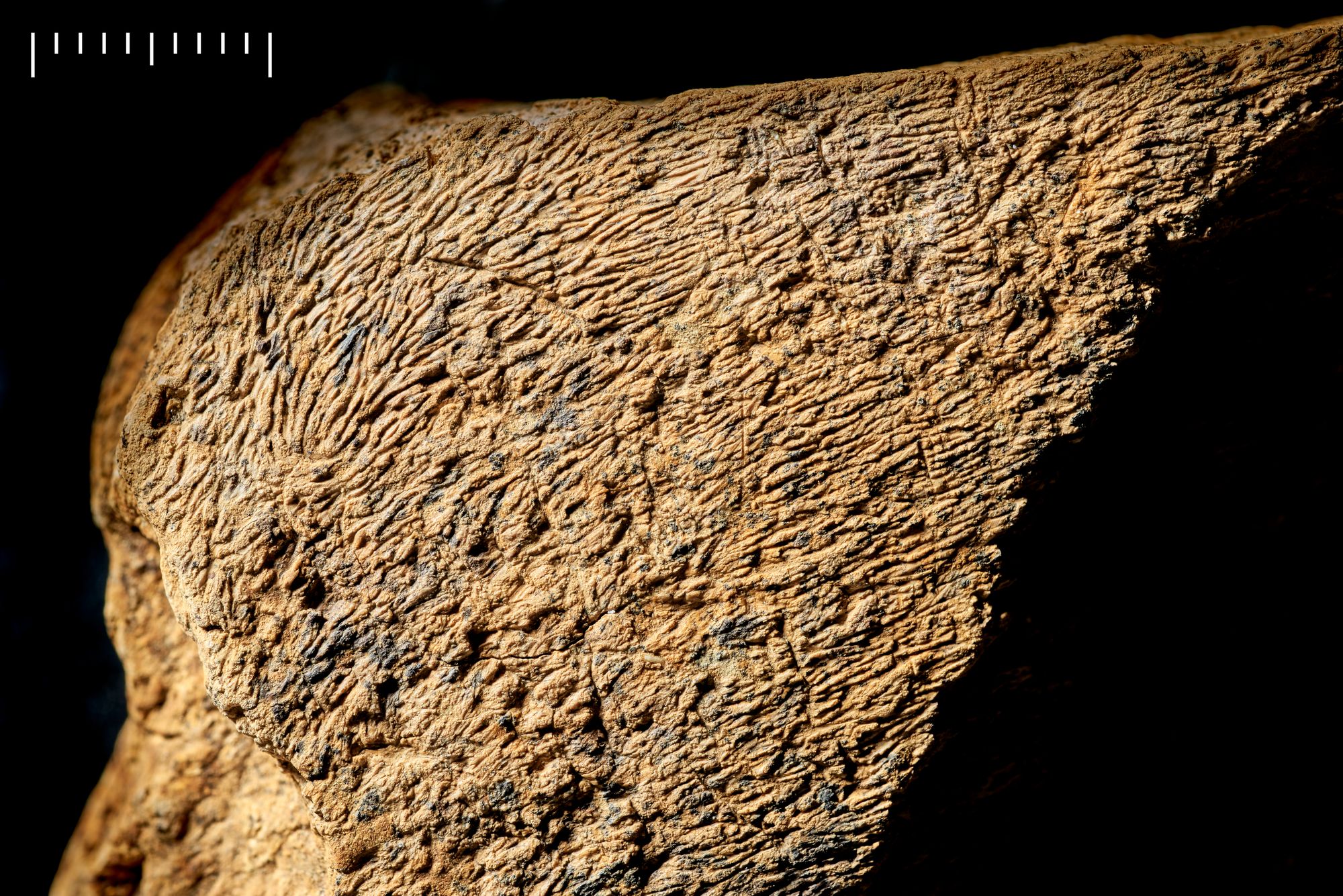
Archaeologists said the tool bears 'distinctive' marks that suggest it was used as a hammer

Archaeologists said the tool bears ‘distinctive’ marks that suggest it was used as a hammer (Jonathan Jackson / The Natural H)

Lead author Simon Parfitt said that elephants and mammoths were “uncommon” in prehistoric England, suggesting the fragment was a “tool of considerable value”.

He added the “remarkable” discovery showcases the “ingenuity and resourcefulness” of the prehistoric community that fashioned it.

“They possessed, not only a deep knowledge of the local materials around them, but also a sophisticated understanding of how to craft highly refined stone tools,” he continued. “Elephant bone would have been a rare but highly useful resource, and it’s likely this was a tool of considerable value.”
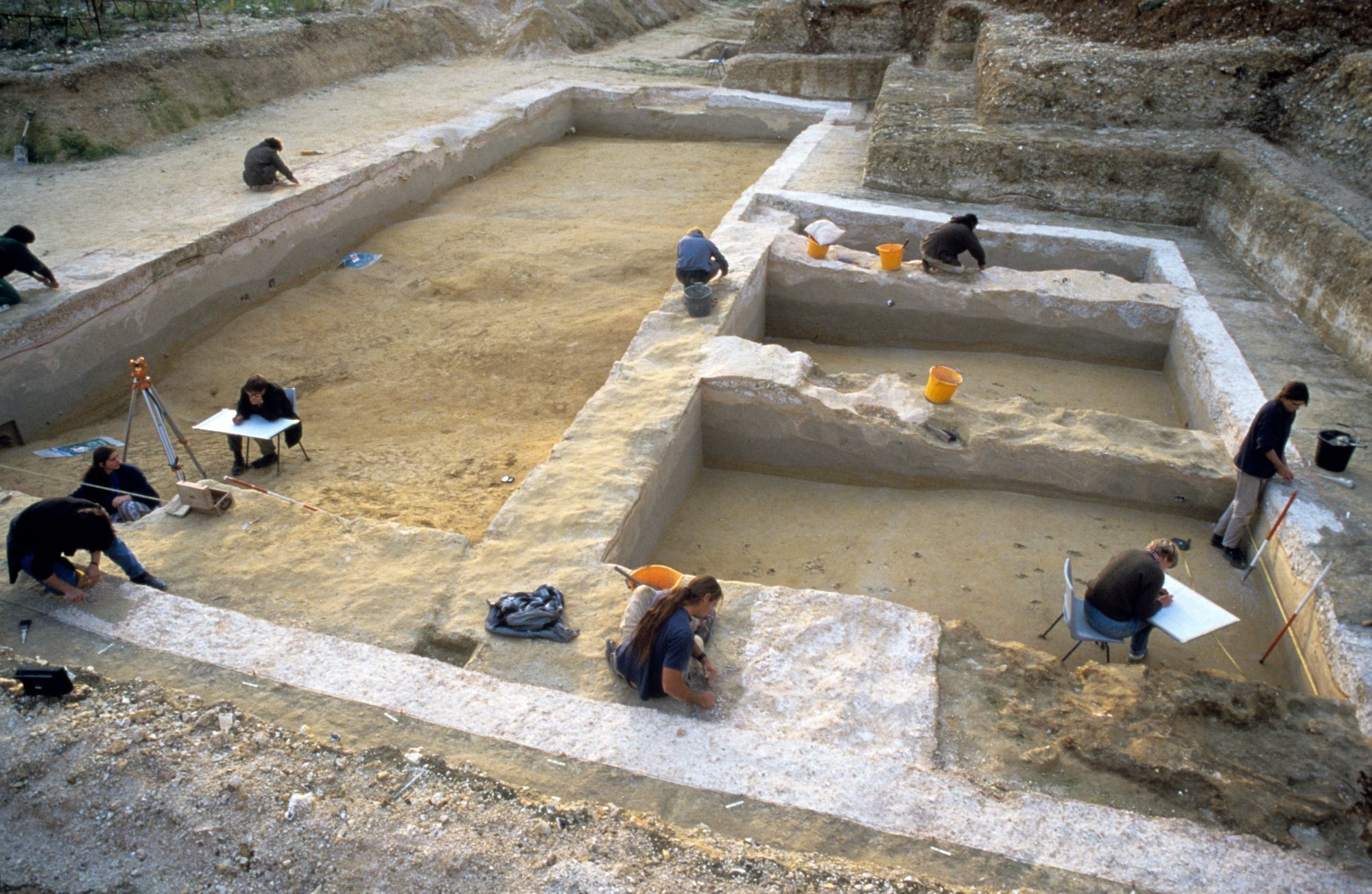
Archaeologists at the dig site in 1995

Archaeologists at the dig site in 1995 (University College London/Natural History Museum)

The team used 3D scanning methods and electron microscopes to analyse the surface of the bone fragment, revealing distinctive notches and marks. Researchers said he tool was used as a kind of hammer by its ancient owner, who likely would have been aware that elephant bone is a particularly strong material.

They believe the bone tool served as a “retoucher,” used to strike the edges of dulled stone tools to detach flakes to restore their shape and sharpness, a process known as “knapping.”

Co-author Dr Silvia Bello, Merit Researcher at the Natural History Museum, said: “Our ancient ancestors were sophisticated in their use of tools. Collecting and shaping an elephant bone fragment and then using it on multiple occasions to shape and sharpen stone tools shows an advanced level of complex thinking and abstract thought.

“They were resourceful gatherers of available materials, and savvy about how best to use them.”

It comes after researchers unearthed what could be the earliest known use of poison-laced weapons by human hunters in South Africa.

Scientists identified traces of poison from the South African plant gifbol on arrowheads dating to about 60,000 years ago, making it the oldest known arrow poison in the world to date.

The findings reveal that prehistoric people in southern Africa had already developed advanced knowledge of toxic substances and how they could be used for hunting.

Share. Facebook Twitter Pinterest LinkedIn Tumblr Telegram Email

Related News

M61 J4 southbound access | Southbound | Accident

3 April 2026
Cuba releasing 2,010 prisoners as the US pressures the island’s government – UK Times

Cuba releasing 2,010 prisoners as the US pressures the island’s government – UK Times

3 April 2026

M60 J1 anti-clockwise access | Anti-Clockwise | Road Works

3 April 2026
The reason why your roast lamb will cost more this Easter – UK Times

The reason why your roast lamb will cost more this Easter – UK Times

3 April 2026

M6 northbound between J5 and J6 | Northbound | Broken down vehicle

3 April 2026

M61 southbound between J5 and J4 | Southbound | Congestion

3 April 2026
Top News

M61 J4 southbound access | Southbound | Accident

3 April 2026
Cuba releasing 2,010 prisoners as the US pressures the island’s government – UK Times

Cuba releasing 2,010 prisoners as the US pressures the island’s government – UK Times

3 April 2026

M60 J1 anti-clockwise access | Anti-Clockwise | Road Works

3 April 2026

Subscribe to Updates

Get the latest UK news and updates directly to your inbox.

Recent Posts

  • M61 J4 southbound access | Southbound | Accident
  • Cuba releasing 2,010 prisoners as the US pressures the island’s government – UK Times
  • M60 J1 anti-clockwise access | Anti-Clockwise | Road Works
  • Megastar US rapper J. Cole signs contract to play basketball in China in bizarre career twist
  • The reason why your roast lamb will cost more this Easter – UK Times

Recent Comments

No comments to show.
© 2026 UK Times. All Rights Reserved.
  • Privacy Policy
  • Terms of use
  • Advertise
  • Contact Us

Type above and press Enter to search. Press Esc to cancel.

Go to mobile version