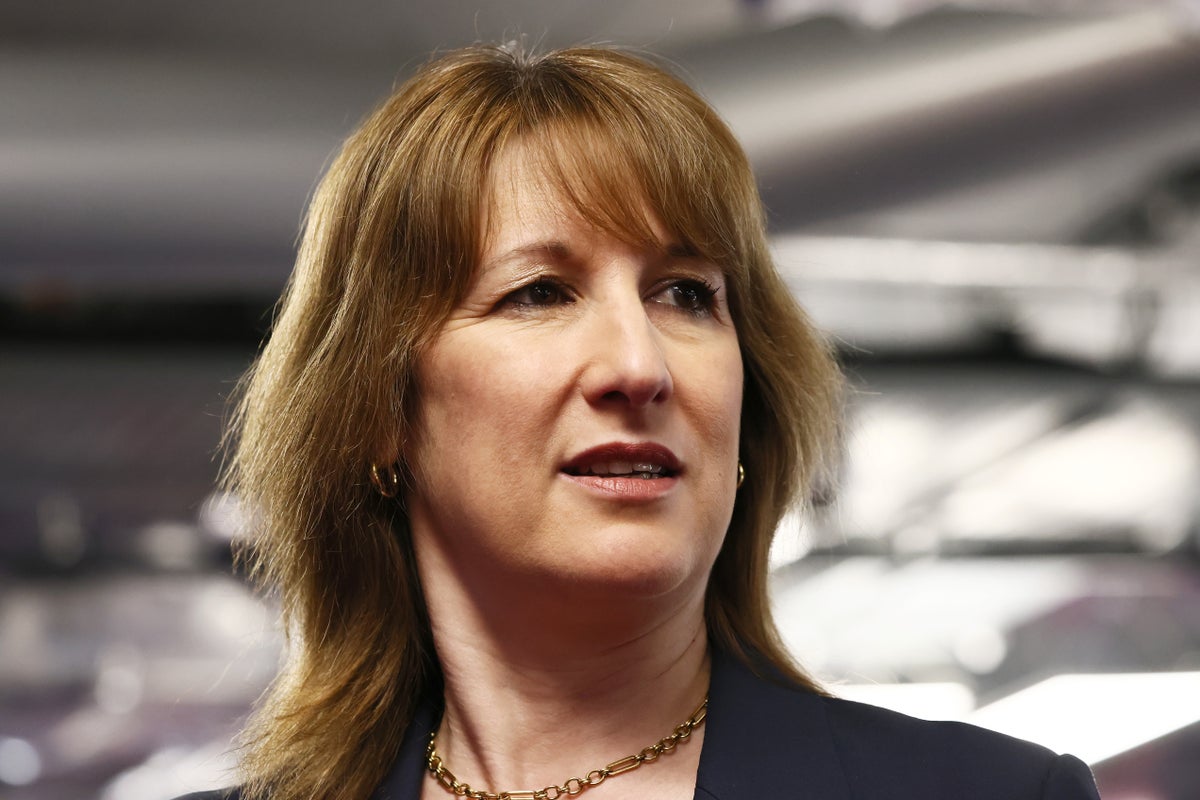
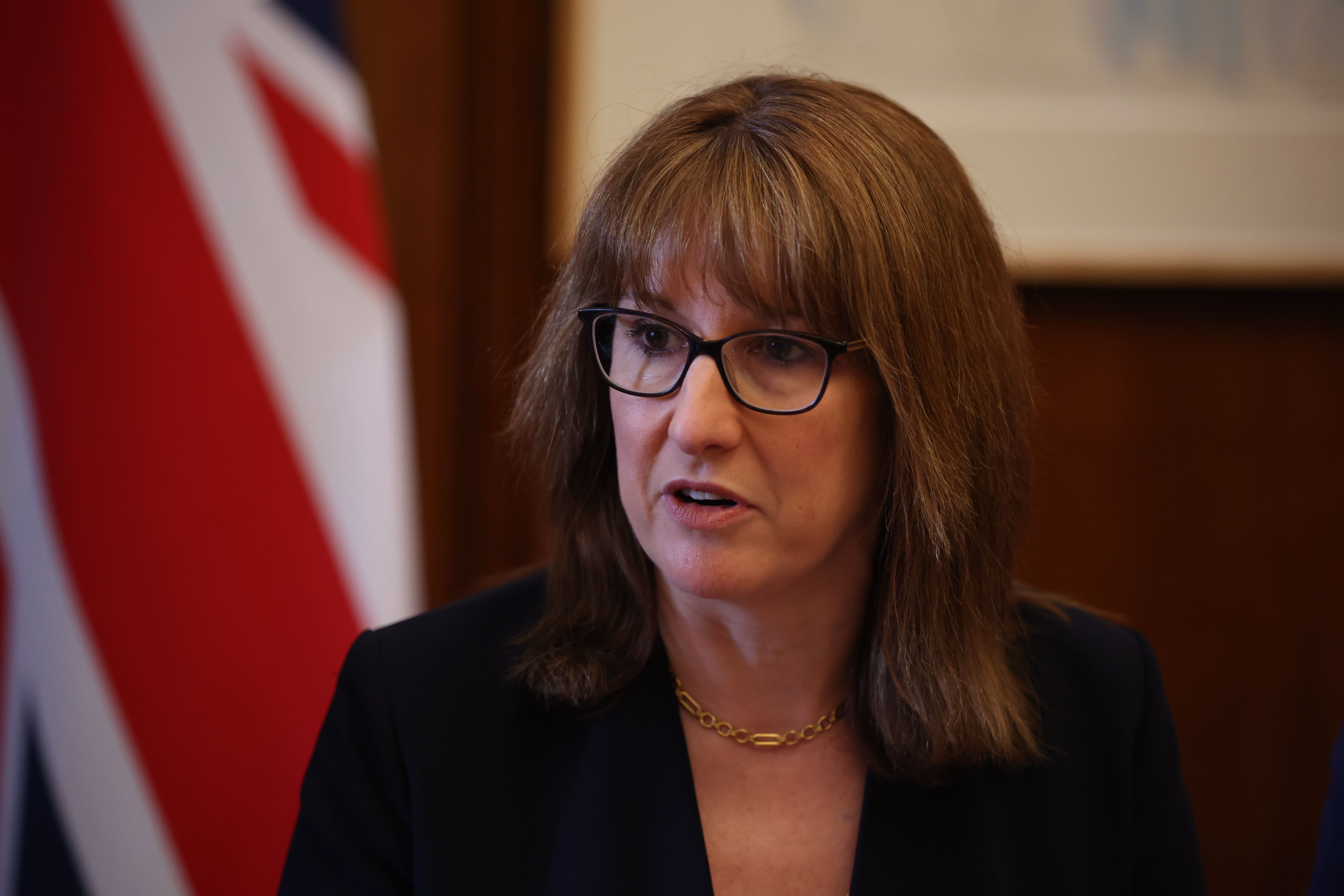
Rachel Reeves is poised to place stronger ties with the EU at the heart of her plan for economic growth across Britain in the years to come.
The chancellor is set to lay out her “three big choices” for the decade ahead as she outlines her strategy for the future of Britain’s economy in a lecture in the City of London.
Alongside stronger relations with the EU, Reeves will also push the drive for the expansion of artificial intelligence and “growth in every part of Britain”.
“In this changing world, Britain is not powerless. We can shape our own future. Our method is stability, investment and reform – through an active and strategic state,” the chancellor will say in the Mais lecture.
“Today, I am making three big choices on the greatest growth opportunities for Britain in the decade to come: growth in every part of Britain, AI and innovation, and a deeper relationship with the EU.
“Our plan is clear. To build for growth, to champion innovation, and to make Britain the place where the industries of the future are created.”
A £2.5 billion investment in advanced computing will be announced alongside these measures, as Reeves is set to strive for the UK to “achieve the fastest AI adoption in the G7”.
She will say: “In a world defined by technological change, Britain cannot afford to stand still. With this strategy, I believe we can approach the future with confidence – with the technologies of the future invented, built and deployed here in Britain.”
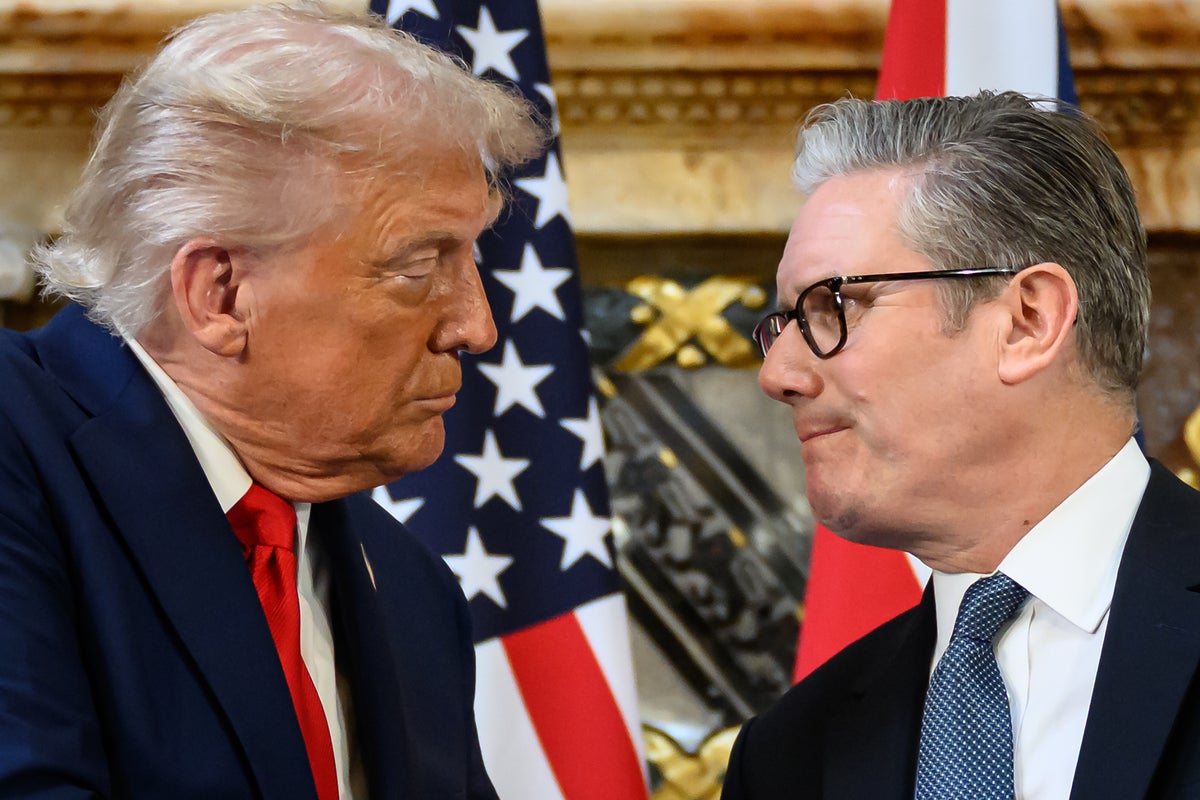
The prime minister pledged to reset Britain’s relationship with Brussels when he took office, promising to rebuild ties with the EU that had been damaged by the previous Conservative government.
Sir Keir clinched an initial landmark deal last year, which included agreements such as allowing British tourists to use fast-track e-gates at European airports, a 12-year extension of an agreement for EU trawlers to access UK waters, and an open-ended agreement to slash red tape on food and drink exports and imports.
However, talks aimed at the UK potentially joining the European Union’s new €150bn (£130bn) Security Action for Europe (Safe) rearmament fund broke down at the end of last year.
The tech funding package announced on Tuesday will include a £1 billion new procurement programme for quantum computers, which the Treasury believes will lead to the development of prototypes of the most advanced quantum computers in the world.
A £500 million “sovereign AI fund” will also be launched in April at tech firm Wayve as part of the plans, which will aim to give UK companies access to funding and other support to compete globally.
The lecture comes after Britain’s economy unexpectedly flatlined in January in a weak start to the year, ahead of the Iran conflict and worries over soaring inflation caused by rocketing oil prices.
The worse-than-forecast figures from the Office for National Statistics (ONS) fuelled fears that volatility following the Middle East crisis will hit the UK hard against an already sluggish backdrop.
Technology secretary Liz Kendall, who is unveiling the new investment alongside the chancellor, argued that quantum computing would bring with it high-paid jobs and improvements to public services.

“Today’s announcements are an investment in our future – unlocking better health, wealth, and more opportunities for communities across the country,” she said.
The Tories accused the chancellor of economic mismanagement and said her commitment to closer ties with Brussels signalled a Labour desire to undo Brexit, which the government has denied.
Shadow chancellor Mel Stride said: “It’s no secret that Reeves and Starmer have wanted to row back on Brexit since day one – and we can expect to hear more detail on Labour’s plan to drag us closer to the EU at the chancellor’s speech today.
“Labour are desperate to blame anyone but themselves for their economic failures.
“Under increasing pressure having mismanaged the economy, Reeves would rather point the finger at Brexit than accept their poor choices have been a disaster for our economy.”