



The Hong Kong government has put forward new legislation that would grant its leader the power to unilaterally classify criminal acts as national security offences, a move that critics warn could further erode the city’s diminished freedoms.
The proposal comes as authorities intensify efforts to quash dissent in the Chinese financial hub.
The city has seen a tightening of control since massive street protests in 2019. Beijing imposed a sweeping national security law in the aftermath, leading to arrests of numerous activists.
In 2024, Hong Kong enacted its own security law targeting crimes such as espionage and disclosure of state secrets.
While authorities maintain that these laws are vital for stability, critics claim that they are stifling civil liberties promised to the public when the former British colony returned to China in 1997.
Hong Kong leader John Lee defended the proposed law on Tuesday, stating that many activities endangering national security “are committed by state players” elsewhere and involve sensitive information privy to the chief executive. He pledged to exercise the power with “prudence and seriousness”.
“Having a clearer mechanism of classifying offenses endangering national security will have the benefit of reducing the risk of controversies or debates in court,” Mr Lee said.
The Security Bureau and the Department of Justice submitted a document to the city legislature on Monday outlining subsidiary legislation that would clarify procedures for classifying “other offenses endangering national security under the law”.
Under the proposal, if the chief executive determines that an act in a criminal case involves national security, the case will be categorised as such. Further, if a suspect faces an alternative charge for the same act, that charge will also be deemed an offence endangering national security.
Officials insist the legislation merely refines procedural details and brings greater certainty, asserting that it “does not involve the creation of any new criminal offense, penalty or enforcement power”.
They urged a swift conclusion to the legislative process.
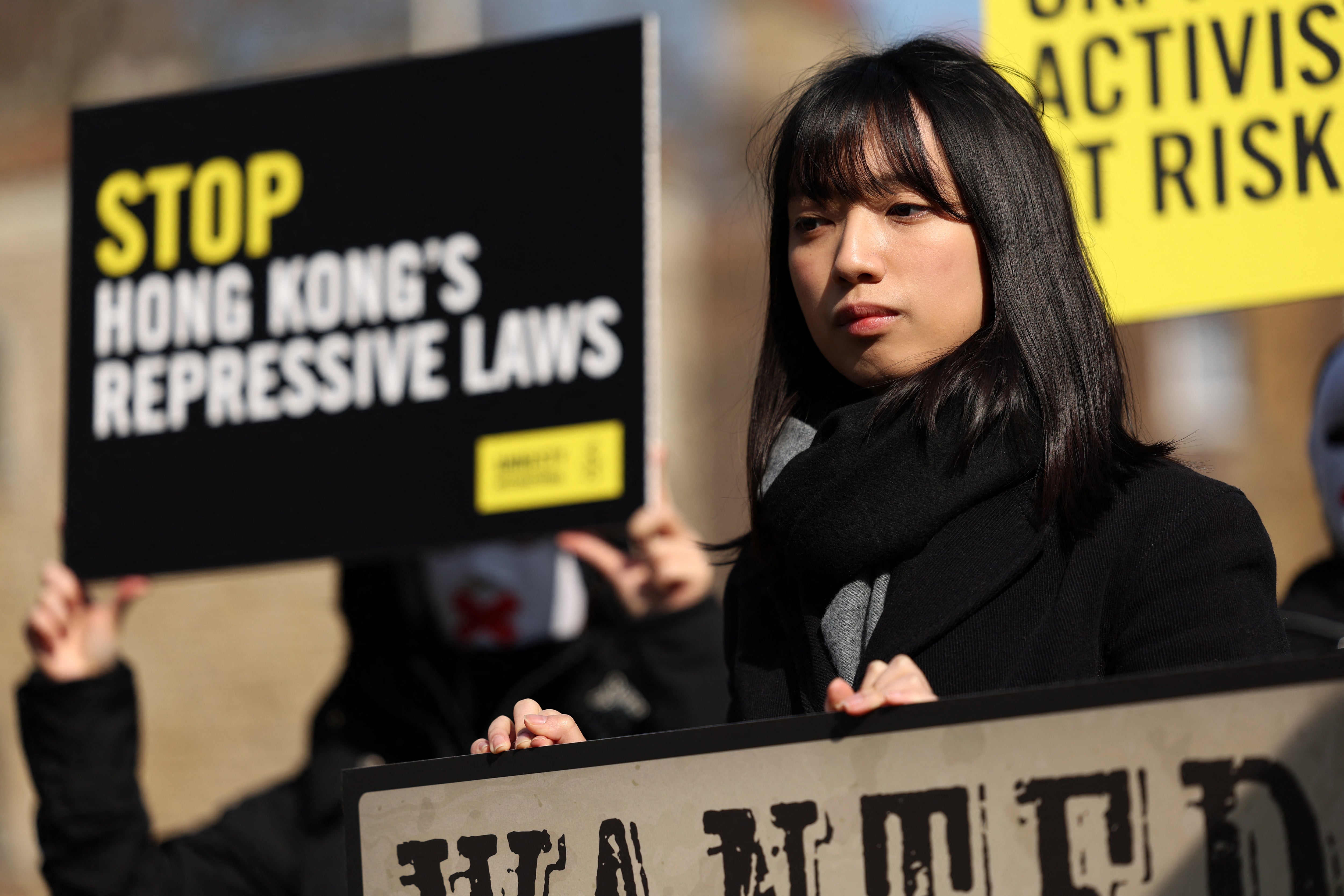
The proposed changes sparked significant concern among legal experts. Simon Young, law professor at the University of Hong Kong, highlighted that the chief executive’s determination on national security matters would be binding on the courts.
He warned of the danger posed by the leader potentially relying on secret information, leaving defendants unable to contest the decision.
“This is not new and something I had warned about from the beginning, the danger to the rule of law and fair trial from an unreviewable executive power to determine critical facts binding on the court,” Prof Young said.
Eric Lai, fellow at Georgetown Center for Asian Law, said the leader’s will could “arbitrarily” transform criminal cases into national security matters without adequate safeguards against abuse.
He cautioned that this approach could further undermine the rule of law and enable the weaponisation of other crimes, such as commercial fraud and money laundering, against dissidents.
Hong Kong’s justice secretary, Paul Lam, countered the criticisms, explaining that the executive branch must hold the power to issue such certificates due to the highly sensitive and confidential nature of the information involved, which he argued the judiciary was not typically equipped to judge.
He assured lawmakers that the courts would retain the responsibility to determine guilt and ensure fair trials of defendants. “There is no such thing about attempting to get innocent people convicted through any subsidiary legislation,” Mr Lam said.

