




Experts are calling for urgent action to better protect pregnant women and new mothers to ensure they can safely access vital medicines.
A key recommendation includes allowing these women to participate in clinical trials, a practice from which they have historically been excluded.
The British Pharmacological Society (BPS) has highlighted that women frequently find themselves making critical decisions about medication during pregnancy or breastfeeding without clear, evidence-based information.
The guidance they receive often disproportionately focuses on the risks of medication, rather than its potential benefits.
In response, a new position statement from the BPS underscores the pressing need for clearer, evidence-based guidance on medication use throughout pregnancy and lactation.
It highlights how four in five (80 per cent) of women in the UK take at least one medication during pregnancy or breastfeeding but says there are significant gaps on safety and efficacy data because these women have historically been excluded from clinical trials.
It says the lack of information often leads to uncertainty, fear and inconsistent advice for patients managing chronic conditions during pregnancy.

The BPS has had a series of recommendations, including: a call for more inclusive research to include mothers-to-be and breastfeeding women, where safe and appropriate; a call for clear, balanced and accessible information and better training for healthcare staff.
Professor Cherry Wainwright, president of the British Pharmacological Society, said: “The BPS has released this statement because the current landscape leaves too many pregnant women navigating treatment without the clear, evidence‑based guidance they deserve.
“Our review shows that decades of excluding pregnant women from clinical research have created avoidable gaps in safety data, leading to uncertainty, delayed treatment, or unnecessary discontinuation of essential medicines.”
Professor Catriona Waitt, NIHR professor of clinical pharmacology and global health at the University of Liverpool, added: “For quite a long time, people felt that maybe doing research in pregnancy was risky, but actually, the general perspective has changed over the years, that rather than protecting women from research, we should protect them through research.
“If we don’t know how a drug can safely and effectively be used in pregnancy and breastfeeding, sometimes a woman just doesn’t take the medication, so she runs the risk of untreated disease harm.
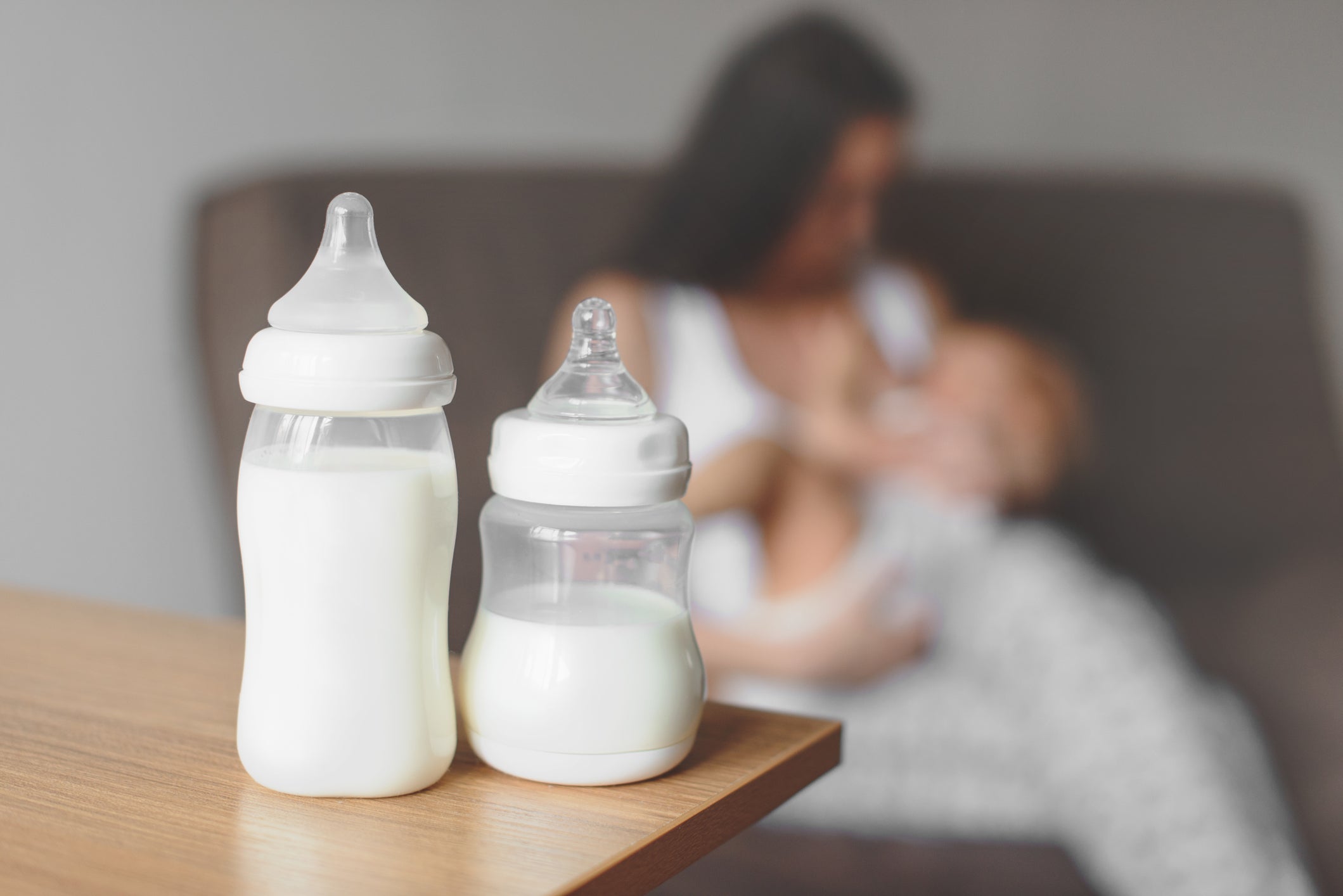
“Or sometimes she does take the medication but maybe if she’s breastfeeding, she decides not to breastfeed, and she’s deprived of the potential benefits to both her and her baby, simply because we don’t have the data.
“A third scenario is where the women take the drug as instructed and it works, (but) perhaps she feels very, very anxious.
“Most women require medication during pregnancy and breastfeeding, and for most drugs, we do not have the evidence base that women need to be able to make an informed decision about their health, and essentially, that is what we want to change.”
Dr Emma Magavern, clinical lecturer in clinical pharmacology and an MRC clinician scientist at Queen Mary University of London, added: “Most women take medication while pregnant or breastfeeding, but the data underpinning the safety and effectiveness of that medication is quite limited compared to that which we expect from other groups of people, because pregnant and breastfeeding women are often not included in clinical trials, which are the traditional way that we arrive at decisions in terms of which medicines are safe and effective.
“The other aspect to this is that communications around risk and benefit for use of medication, with that underlying evidence base during pregnancy and breastfeeding, has skewed a bit in one direction, so people are very aware of the risk to a foetus taking any medications during pregnancy or breastfeeding, and sometimes this is quite strongly emphasised at the at the expense of the other aspect, which is we know that there can be quite a big risk to both the mother and baby of not adequately treating medical conditions during pregnancy, and that can sometimes be neglected.
“So communication of the risk benefit approach isn’t always proportionate.”

