


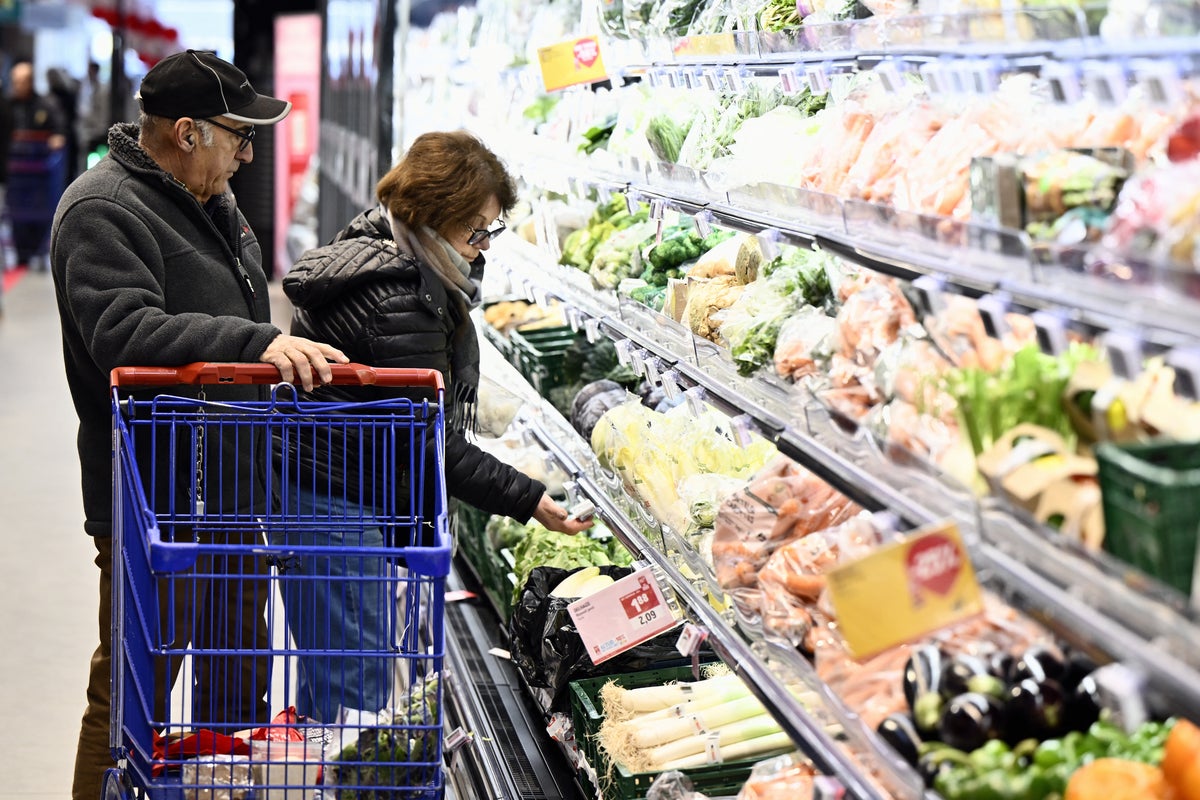
With the world’s food supply chain under pressure from the war in Iran, experts are warning shoppers that they may soon see shortages and higher prices at British supermarkets.
Food transport and farm costs have surged as a result of the closure of the Strait of Hormuz, which has trapped a large portion of the world’s fuel and fertiliser supplies in the Gulf.
Sir Keir Starmer acknowledged that people may have to change their shopping habits as a result, with his chief secretary, Darren Jones, stating that the UK was now facing higher prices for items, including food, for at least eight months after the war in Iran ends.
Food supply chains expert Professor Chris Elliott said: “There is a real, serious concern in many parts of the world now about the downstream impacts of the Strait of Hormuz, in terms of price, costs and food availability.
“The best estimate said that we’ll have food inflation reaching up to 10 per cent by the end of this year, which is pretty frightening for a lot of consumers.”
The Independent spoke to experts to find out what food items will be impacted at British supermarkets.
Fruit and vegetables
Supplies of fresh produce could possibly suffer some of the largest and long-term impacts.
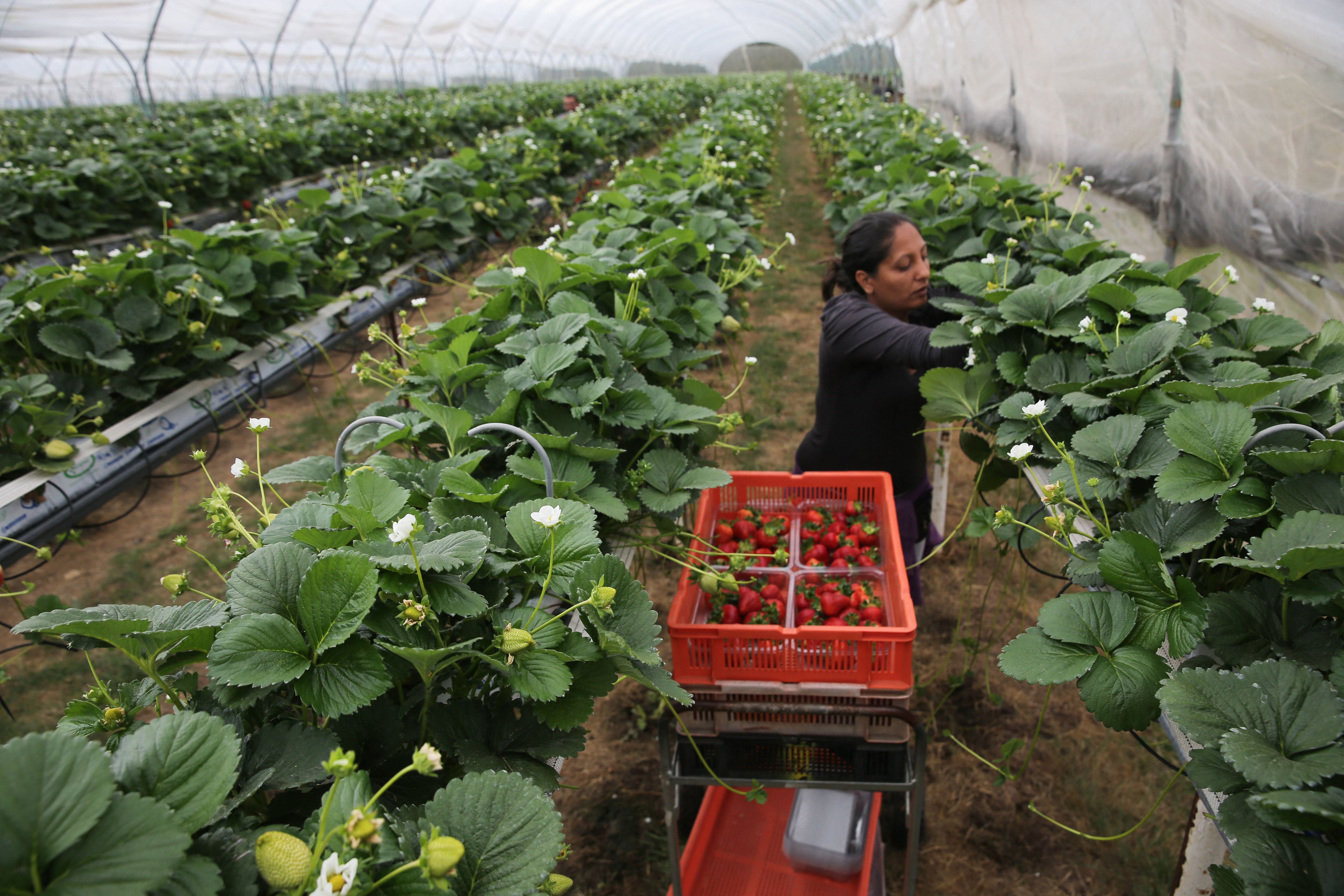
Experts say vegetables like potatoes, cucumbers, tomatoes, and peppers, as well as fruit, including grapes or strawberries, are among the items that face shortages or higher prices.
The Strait of Hormuz closure has hit British farmers with rising costs for both fertiliser and fuel for their machinery.
Dr Derek Watson, an associate Professor in Cultural Management at the University of Sunderland, said: “When you’re not getting your crop yields, eventually that’s going to manifest in items not being able to be delivered to supermarkets.”
According to Mr Elliott, some farmers had decided not to plant crops this year, because they do not expect to get their money back.
“I think that the consequences will be six months to 12 months from now, more shortages, more price increases, and it will all stem back from the issues around fertiliser.”
He said vegetables and fruit grown in greenhouses, which require large amounts of electricity and gas, will also be heavily impacted as a result of higher energy prices.
“It would be the fresh produce like lettuce, tomatoes, and the seasonal things that we start to enjoy more at this time of year.”
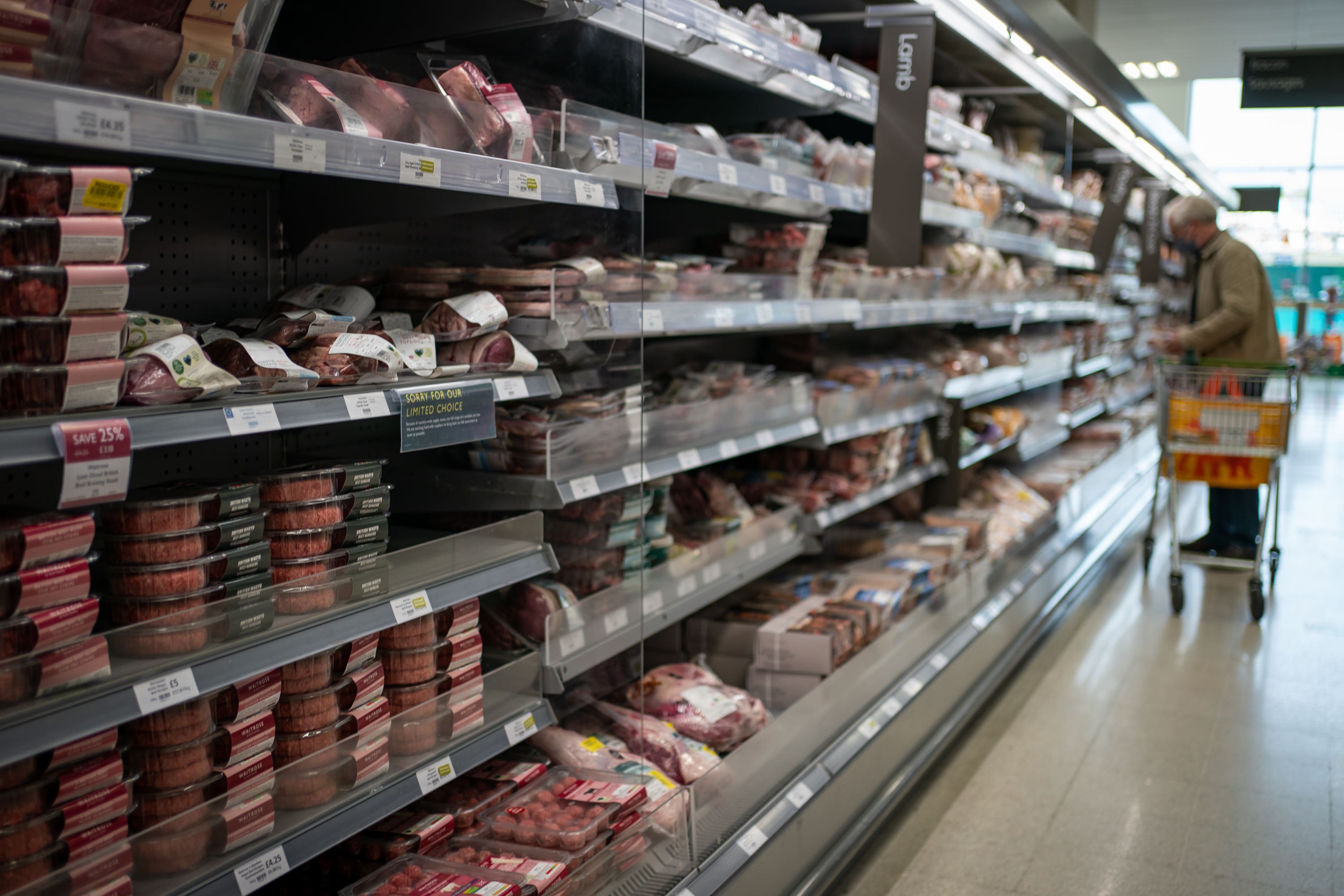
Britons could also see undersupplies or rising prices in meat products, including chicken and pork, as well as dairy products, experts say.
These products could impacted by shortages of carbon dioxide, which is used in the packaging of meat products to extend its shelf life, Mr Watson said.
A leaked government document, first reported by The Times, warned that supplies of CO2 could fall to just 18 per cent of current levels.
CO2 is also used to slaughter animals and is important for cooling systems, which refrigerate products, making shortages more of a threat.
“For meat and dairy, the big impact will be the cost of refrigeration. It costs a lot more to run refrigerators. It costs more for the refrigerated lorries to move across the country,” Mr Elliott said.
“The logistics are more expensive, so the energy impacts will probably bring about quite a noticeable rise in the cost of meat and dairy products as well.”
The National Farmers’ Union estimates that the price of milk could increase in the next three to six months.
Toilet paper
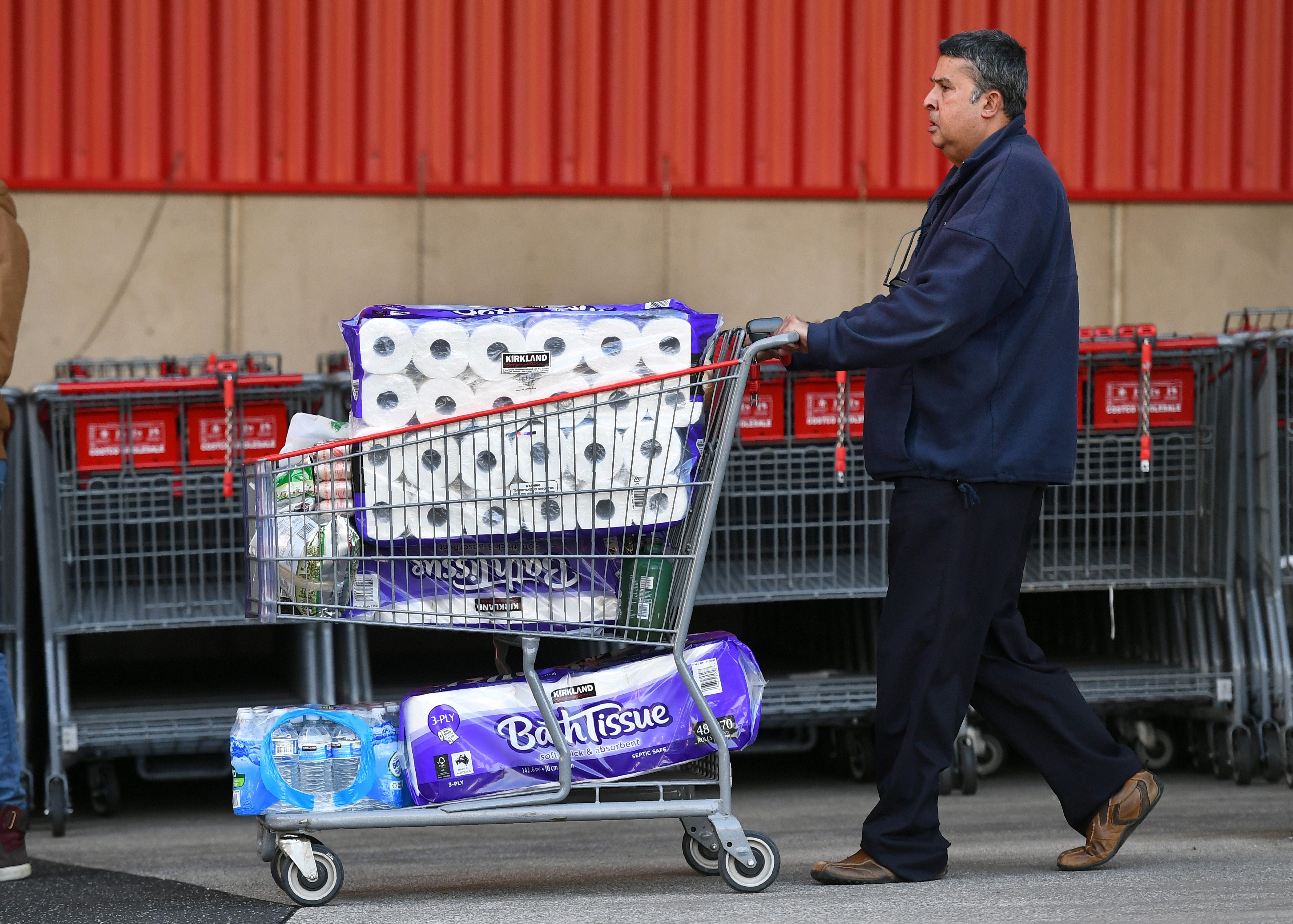
Fears of incoming food shortages and higher prices could also cause a return to people panic-buying items, as they did during the Covid pandemic, Mr Watson said.
“There are a lot of smart consumers out there, and they’ve seen it before with Covid. As soon as they see the prices start to increase, which they are now, they’ll start bulk buying.
“You get products like toilet rolls disappearing, people purchasing bread even though those products will go out of date very quickly.
“You’ll see people maybe stockpiling chicken, pork, drinks, like gin and tonic, and so forth.”