

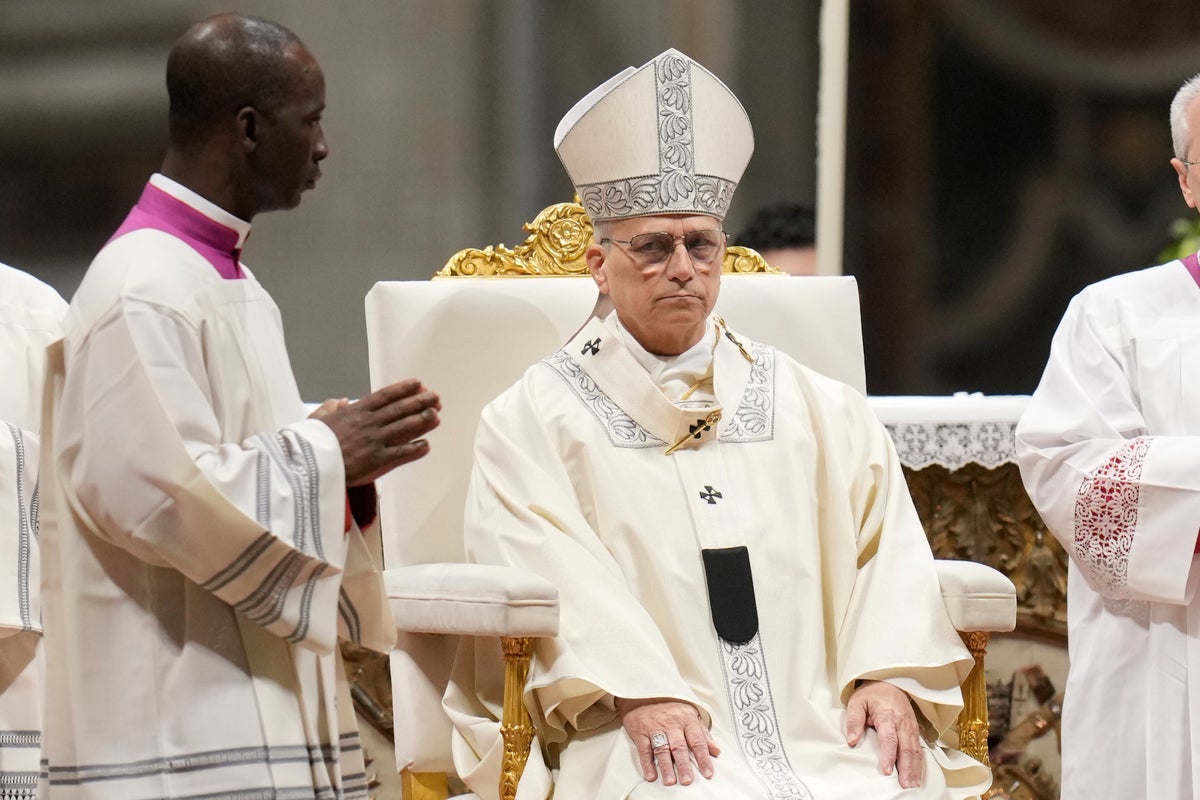
Pope Leo XIV is confronting his first major crisis with traditionalist Catholics, as a breakaway group attached to the Latin Mass has announced plans to consecrate new bishops without papal consent, threatening a revival of schism.
The Swiss-based Society of St.Pius X (SSPX), which operates schools, chapels, and seminaries globally, has been a persistent challenge for the Holy See for four decades, stemming from its opposition to the modernising reforms of the 1960s Second Vatican Council. In 1988, the group’s founder, Archbishop Marcel Lefebvre, consecrated four bishops without papal approval, asserting it was vital for the preservation of the church’s tradition. The Vatican swiftly excommunicated Lefebvre and the four bishops, and the SSPX continues to hold no legal status within the Catholic Church.
Despite this original break with Rome, the group has expanded over the decades, attracting priests, nuns, and lay Catholics devoted to the pre-Vatican II traditional Latin Mass. For the Vatican, papal consent for the consecration of bishops is a fundamental doctrine, guaranteeing the lineage of apostolic succession from Christ’s original apostles.
Consequently, consecrating bishops without papal consent is considered a grave threat to church unity and a direct cause of schism, as bishops possess the authority to ordain new priests.
Under church law, such an act incurs automatic excommunication for both the consecrator and the purported new bishop.
The Vatican had previously sought reconciliation with the SSPX, fearing the emergence of a parallel church. Pope Benedict XVI, in 2009, lifted the excommunications of the surviving bishops and eased restrictions on celebrating the old Latin Mass as an overture to all Catholics attached to the ancient rite.
However, an uproar ensued after one of the SSPX bishops, Richard Williamson, publicly denied the Holocaust in a television interview.
Tensions with traditionalist Catholics deepened further in subsequent years, particularly during the pontificate of Pope Francis, who reversed Benedict’s reform, allowing wider celebration of the old Latin Mass, arguing it had become a source of division within the church.
Pope Leo XIV has acknowledged these tensions, seeking to pacify the debate by expressing openness to dialogue and permitting exceptions to Francis’s crackdown.
Despite these efforts, the SSPX stated on Monday that it felt compelled to proceed with the consecrations of new bishops on 1 July, to safeguard the future of the society. The Rev Davide Pagliarani, the SSPX superior general, confirmed he had written to Pope Leo XIV explaining the necessity for new bishops “to ensure the continuation of the ministry of its bishops, who have been travelling the world for nearly 40 years to respond to the many faithful attached to the tradition of the church.” The SSPX added that it had received a reply from the Vatican “which does not in any way respond to our requests”, and was preparing to proceed given the “objective state of grave necessity in which souls find themselves”.
Vatican spokesperson Matto Bruni suggested on Tuesday that negotiations remained open. “Contacts between the Society of Saint Pius X and the Holy See continue, with the aim of avoiding rifts or unilateral solutions to the issues that have arisen,” Mr Bruni said in a statement.
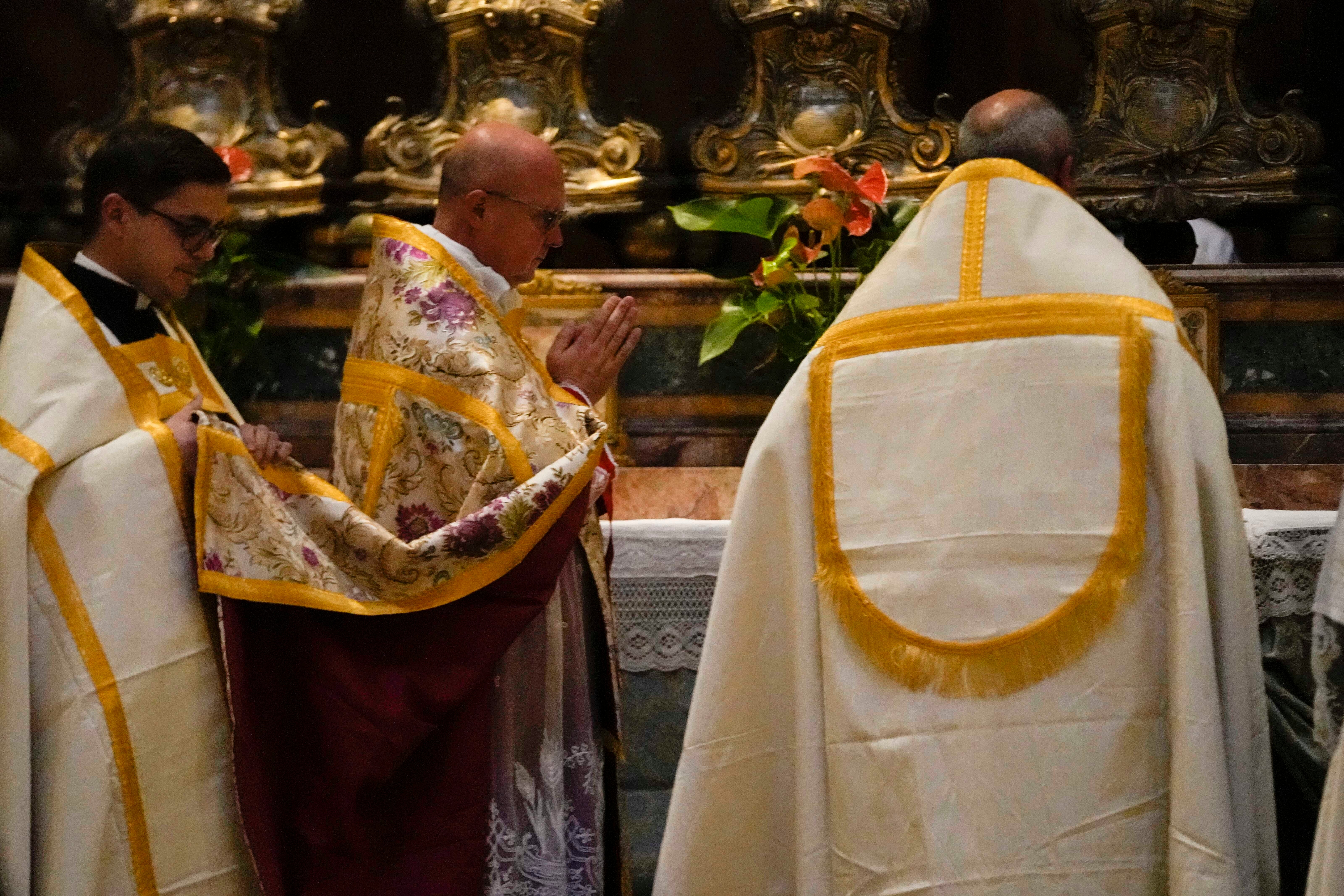
The traditional Latin Mass features readings and hymns in Latin, with the priest facing the altar, his back to the congregation. The Second Vatican Council, by contrast, allowed Mass to be celebrated in the vernacular, with the priest facing the pews and encouraging more active participation from the faithful. Adherents of the ancient rite often describe it as a more prayerful and reverent form of worship.