
.jpeg?trim=0,0,0,0&width=1200&height=800&crop=1200:800 "Trump says he will raise Jimmy Lai case with Xi Jinping at Beijing summit – UK Times")

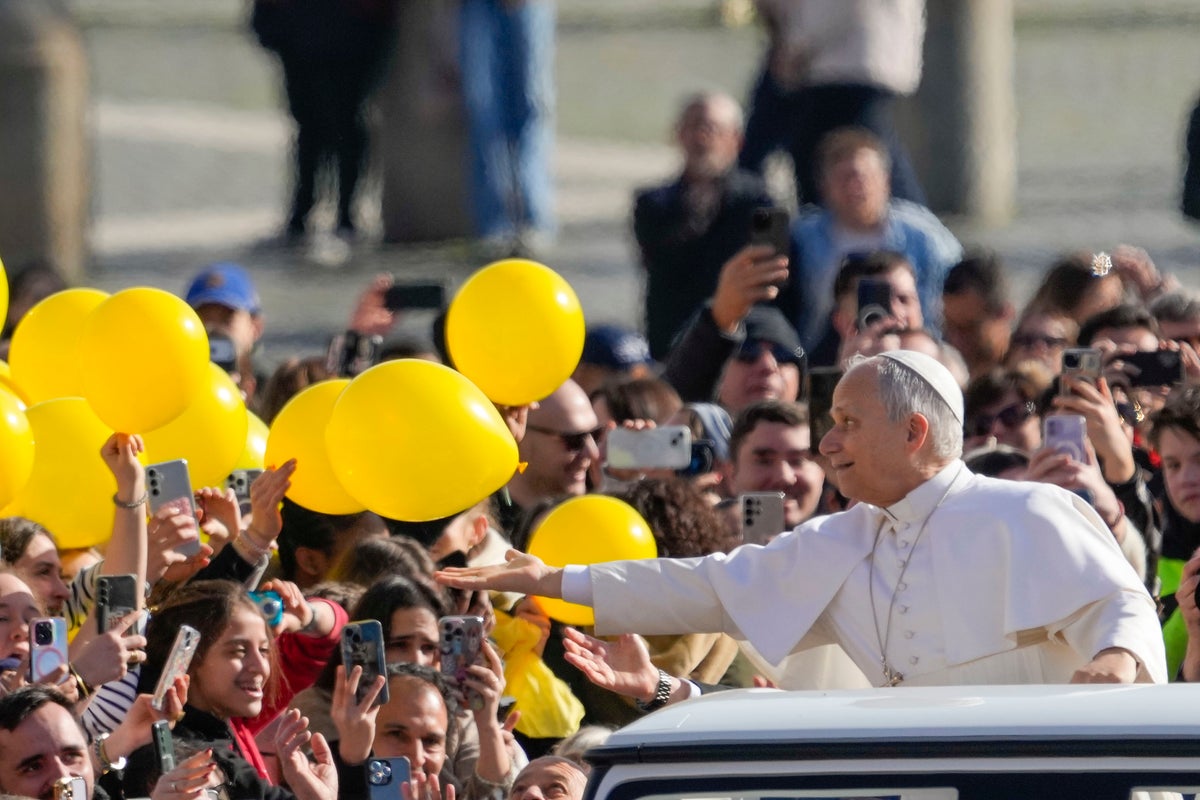
Pope Leo, the first American leader of the global Catholic Church, will make a significant visit to Lampedusa, an Italian island known as a primary entry point for migrants, on 4 July.
The Vatican announced on Thursday that the trip, part of a series of summer engagements across Italy, will notably coincide with the 250th anniversary of US independence.
Lampedusa, situated in the Mediterranean between Tunisia, Malta, and Sicily, is a critical destination on one of the world’s deadliest migration routes.
Countless people arrive there after perilous journeys across the Mediterranean, often in simple fishing boats or makeshift dinghies from North Africa.
The Chicago-born pontiff has previously called for “deep reflection” on the treatment of migrants in the US under President Donald Trump’s administration.
This visit follows the Vatican’s refutation of reports that Pope Leo might travel to the US for the independence celebrations, with the press office stating: “The pope will not go to the United States in 2026.”
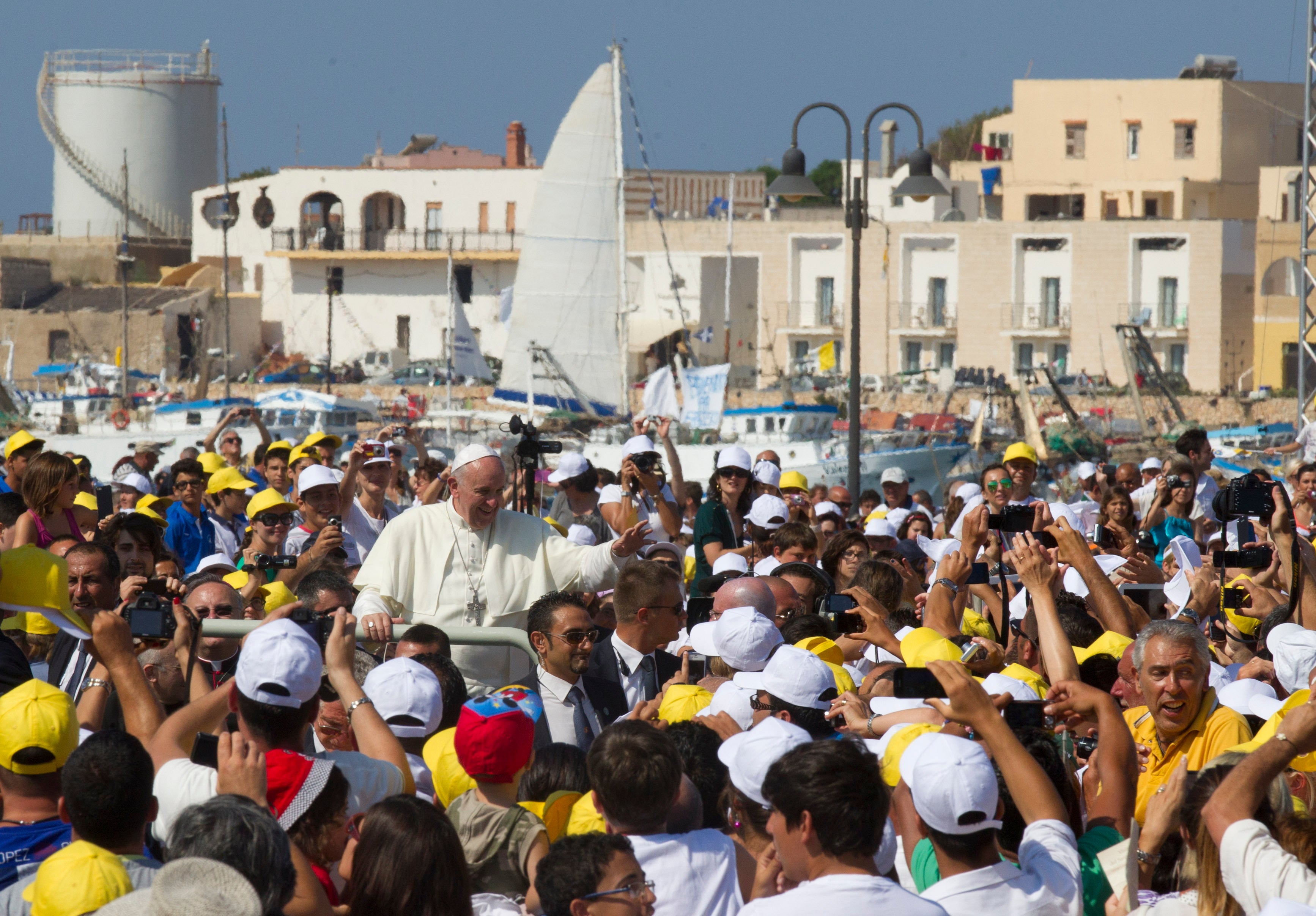
The island was visited by the late Pope Francis in 2013 on his first visit as pope outside Rome.
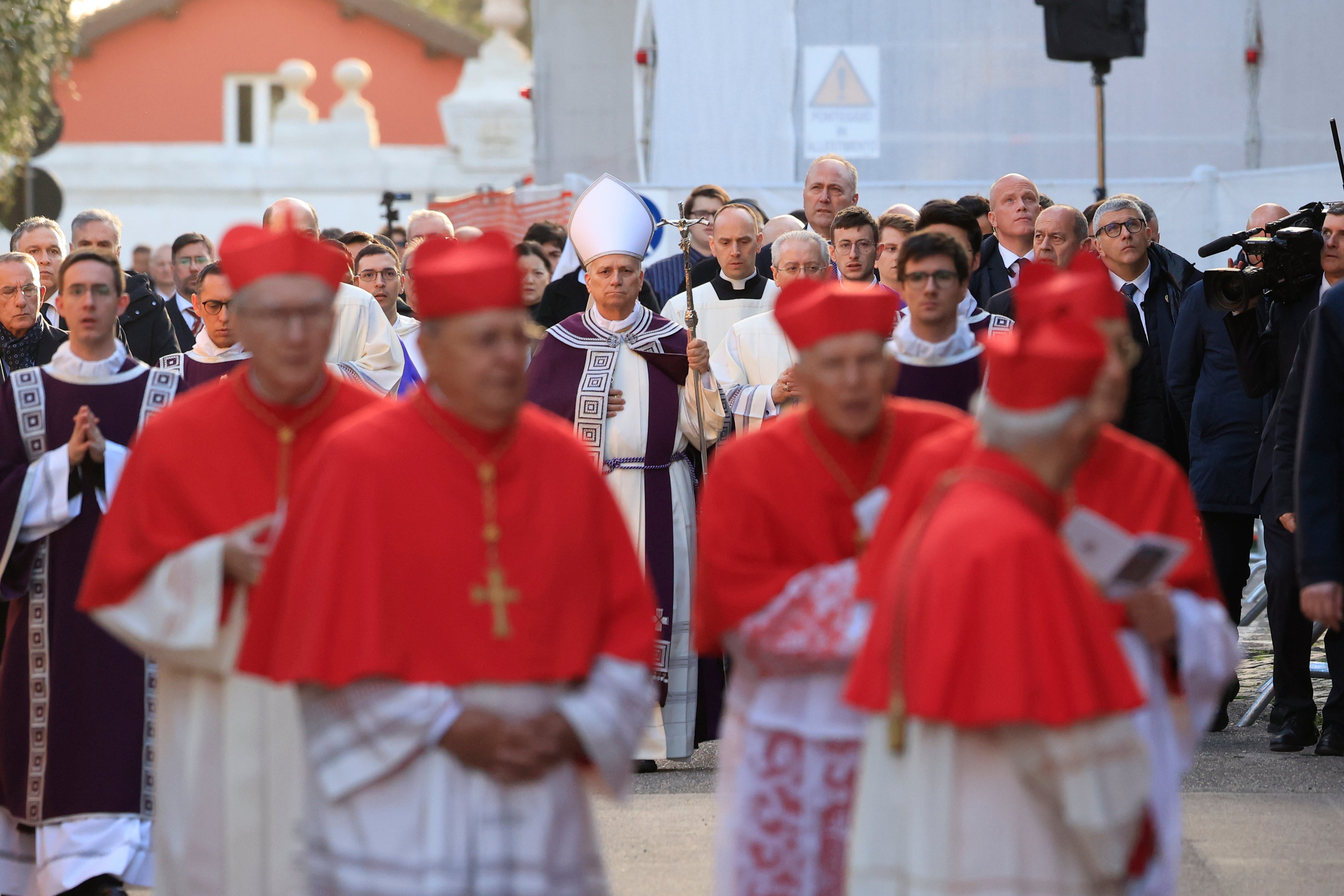
In a video message sent to the island in September, Leo had mentioned a desire to visit and had thanked local organizations who offer assistance to arriving migrants.
He said volunteers on the island “have shown … the smile and the attention of a human face to people who have survived in a desperate journey of hope.”
The Vatican released Leo’s agenda for day trips to a half-dozen Italian cities over the next six months. The Vatican has rarely released such plans together and so far in advance, but word of the visits was starting to filter out.
The busy itinerary, which will take Leo up and down the Italian peninsula, is in addition to plans for some intense foreign travel in 2026.
There are plans under study for a four-nation trip to Africa after Easter that would take Leo to Algeria, Equatorial Guinea, Angola and Cameroon. Leo himself has said he hopes to visit his beloved Peru, as well as Argentina and Uruguay, trips that could happen toward the end of the year.
The Vatican previously confirmed that one foreign trip not on the agenda this year is to Leo’s native United States.
History’s first US-born pope was limited in his ability to leave Rome during his first year as pontiff because of the busy 2025 Holy Year agenda, which saw millions of pilgrims coming to the Vatican for special Masses and papal audiences.
Leo has begun a series of parish visits within his Roman diocese each Sunday throughout Lent, the period leading up to Easter.
The travels begin on 8 May with a visit to the Naples and the nearby ancient city of Pompeii. He’ll return to the region later that month, on 23 May, to meet with the faithful of Acerra.
The area is known as the “Land of Fires,” for the years of toxic-waste dumping by the local mafia that has led to increased rates of cancer and other ailments for its residents.
Leo will go north to Pavia, near Milan, on 20 June and then travel on 4 July to Lampedusa, an Italian island that is closer to Africa than the Italian mainland. Pope Francis had made Lampedusa his first trip outside Rome after his 2013 election to show solidarity with migrants who landed there after being smuggled from north Africa.
Francis famously celebrated Mass on the island on an altar made of shipwrecked migrant boats and denounced the “globalisation of indifference” that greets migrants who risk their lives trying to reach Europe — a mantra that would come to define his papacy.

On 6 August, Leo will visit the Umbrian hilltop town of Assisi, which this year is celebrating the 800th anniversary of the death of its most famous resident, St. Francis.
And later that month, 22 August, Leo will take part in an annual Italian political and religious conference in the Adriatic seaside resort of Rimini.
Leo, who was born in Chicago and spent two decades as a missionary in Peru, has said he loves to travel. He spent many years on the road when he served two, six-year terms as the superior of his Augustinian religious order, which required him to visit Augustinian communities around the world.
