
Police forces must do more to target domestic abusers who drive women to suicide, the National Police Chiefs’ Council (NPCC) has said.
Forces are being asked to change their approach to suicide cases where domestic abuse may have been a factor, with officers too often “not sufficiently curious” about the circumstances surrounding a death, it added.
Speaking to The Guardian, NPCC assistant commissioner Louisa Rolfe, who leads on domestic abuse, said that “more posthumous investigations are taking place”, but that police forces are struggling to cope with a lack of resources.
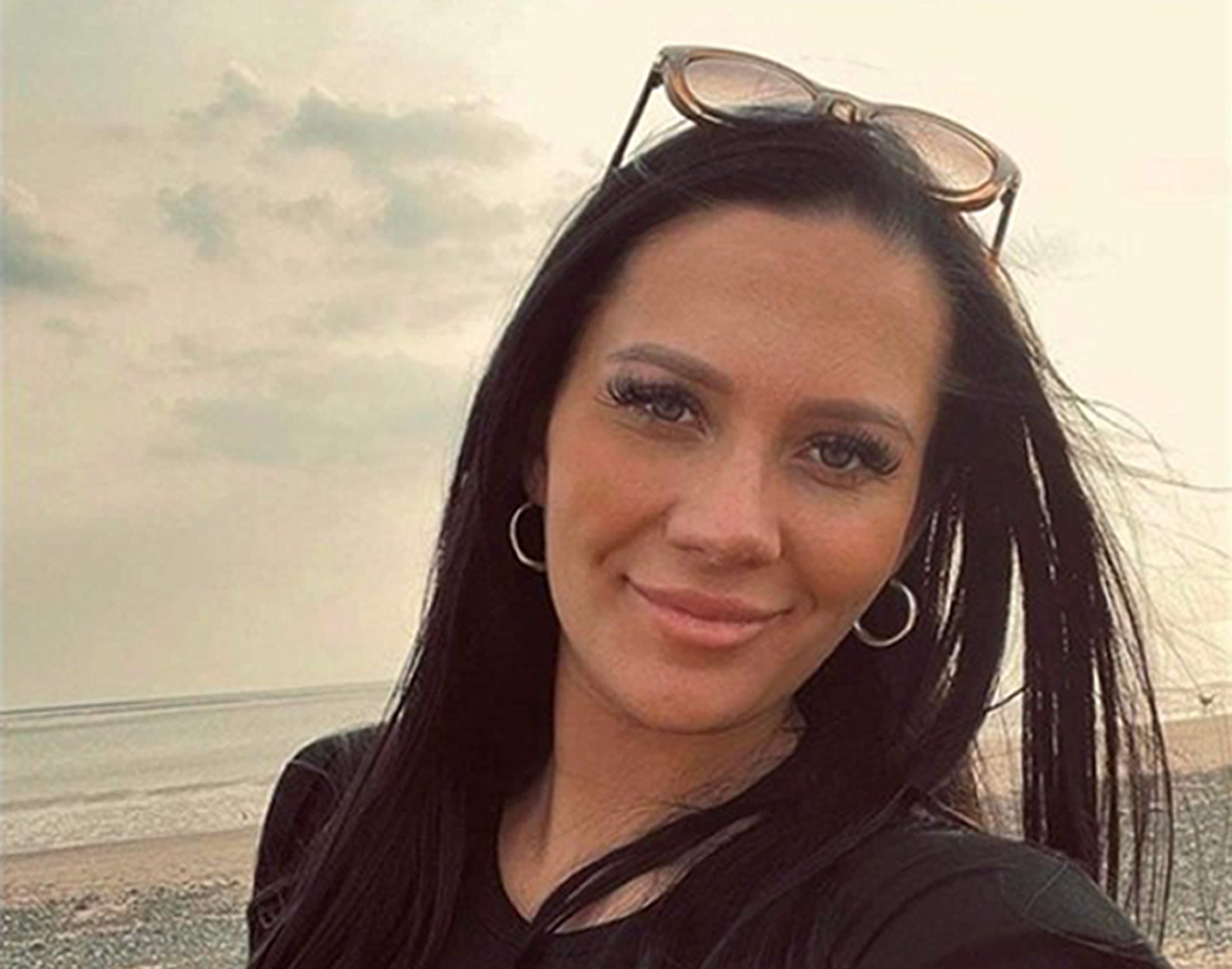
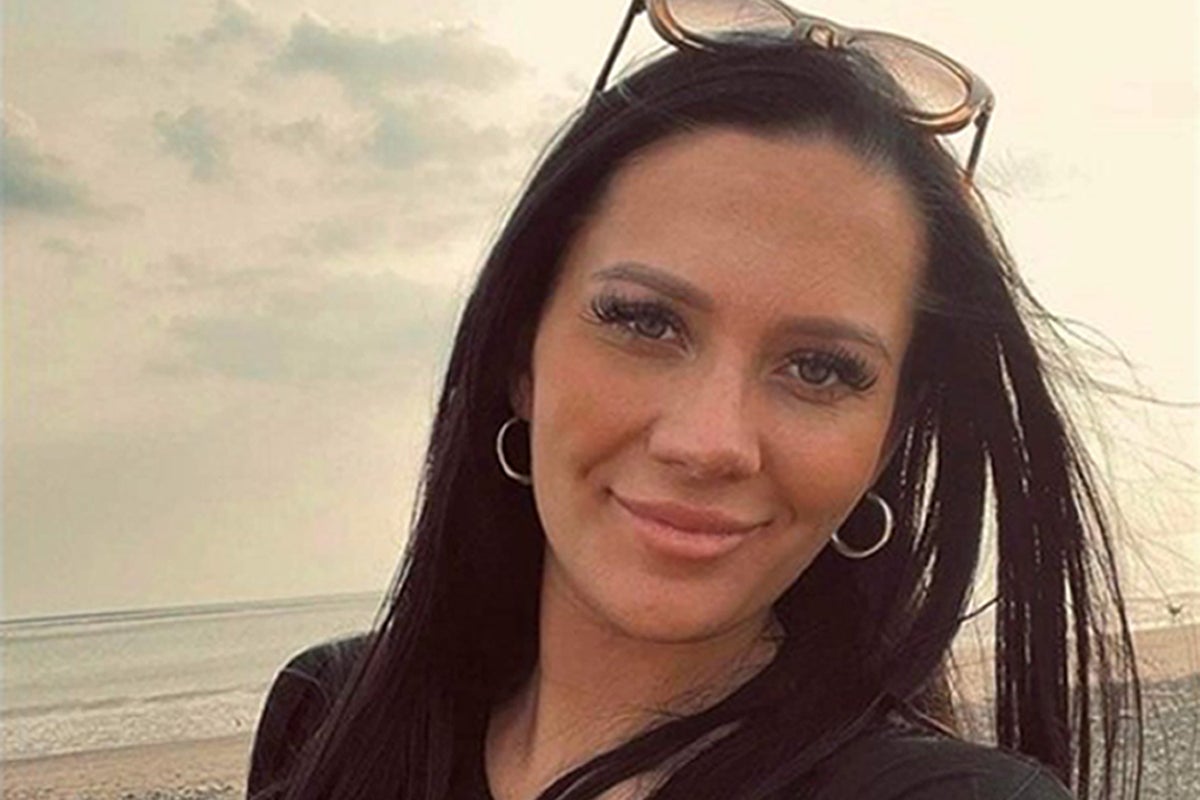
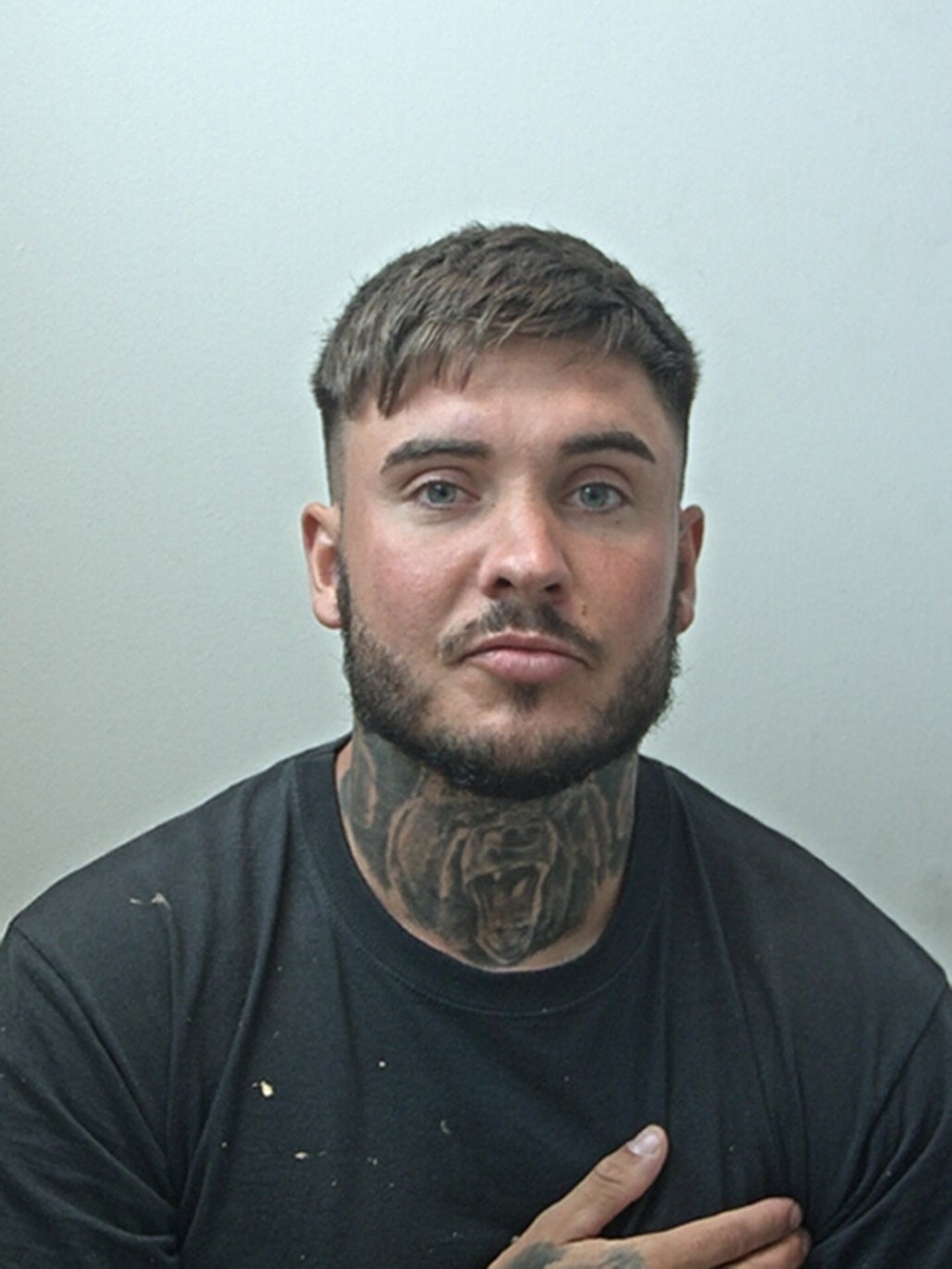
It comes after the death of young mother Kiena Dawes, 23, who had endured controlling and coercive behaviour for two years from former partner Ryan Wellings, 30.
Ms Dawes left a suicide note claiming “I was murdered. Ryan Wellings killed me. He ruined every bit of strength I had left. I didn’t deserve it.”
Wellings was found guilty of assault and subjecting her to a prolonged campaign of abuse, but cleared of her manslaughter after a six-week trial at Preston Crown Court.
Only one other defendant has been convicted in such circumstances before, after Nicholas Allen admitted to the manslaughter of his partner, Justene Reece, in 2017.
But new research from a suicide prevention programme in Kent has suggested that official statistics capture as few as 6.5 per cent of the true number of suicide cases linked to domestic abuse.
If the numbers in Kent are representative of the whole country, it could mean as many as 1,500 victims of domestic abuse are taking their own lives every year, according to analysis by The Guardian.
Ms Rolfe said guidance around such deaths had been changed to encourage officers to be more curious about examining what had led to them. She said this included “officers too quick to assume, ‘well, it’s a suicide and therefore a case for the coroner, not an investigation to be had by policing’, too often assuming that the domestic abuse perpetrator was the primary next of kin, and therefore risking evidence being lost by, for example, returning personal property like phones to those individuals.
“Not being sufficiently curious in speaking to family, wider family members about what might be going on. So we changed the guidance and we have seen some improvements.”
She added a review process had been introduced to ensure a second pair of eyes on each case, allowing links between cases to be drawn more easily.
“We’re certainly seeing more posthumous investigations”, Ms Rolfe said.
The changes have been implemented following feedback from families of women who had killed themselves following domestic abuse.
She said the case of Dawes had shown police “how difficult it can be to secure a prosecution that makes a causal link between the abuse and the death”.
Ms Rolfe said she is determined for officers to pursue more similar cases – but that many officers come up against a challenging lack of resource and crippling delays in the criminal justice system.
“The scale of this is challenging, policing has a finite resource,” she said, but added the scale of the work is on the rise.
“The one really good thing I’ve seen in policing in my 35 years is that the focus on this work has really increased.
“We’re determined to do more,” she added. “We’re seeing green shoots of improvement in our response. There’s still a huge amount more to do.”
The government has vowed to crack down on violence against women and girls (VAWG) as it unveiled a raft of new measures to tackle the issue in December. The strategy, which is backed by £1bn over the next three years, aims to half VAWG over the next 10 years.
It has also pledged that every police force in England and Wales will have a specialist rape and sexual offences team by 2029, and that all students will be taught about healthy relationships in secondary school in England.
The Home Office has been approached for comment.
If you are experiencing feelings of distress, or are struggling to cope, you can speak to the Samaritans, in confidence, on 116 123 (UK and ROI), email [email protected], or visit the Samaritans website to find details of your nearest branchIf you are based in the USA, and you or someone you know needs mental health assistance right now, call or text 988, or visit 988lifeline.org to access online chat from the 988 Suicide and Crisis Lifeline. This is a free, confidential crisis hotline that is available to everyone 24 hours a day, seven days a week.If you are in another country, you can go to www.befrienders.org to find a helpline near you