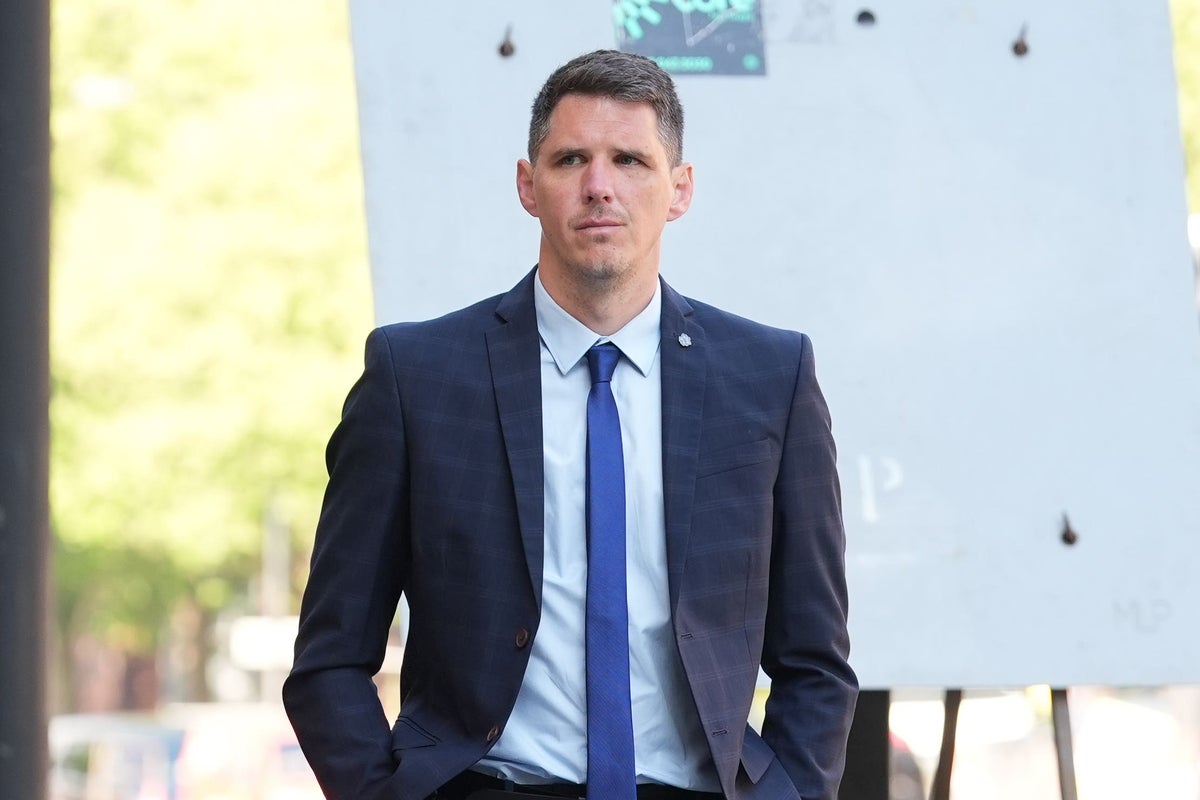
A former police sergeant has been found guilty of misconduct in public office after fostering a “toxic” WhatsApp culture that embroiled a dozen colleagues.
Paul Street, 41, encouraged his team to bully a teenage detainee and asked a colleague to send him a sex video of a female suspect, an Old Bailey trial heard.
The offences were committed while working at Cambridgeshire Constabulary leading a team at Cambourne Police Station, mainly dealing with county lines drug supply and organised crime.
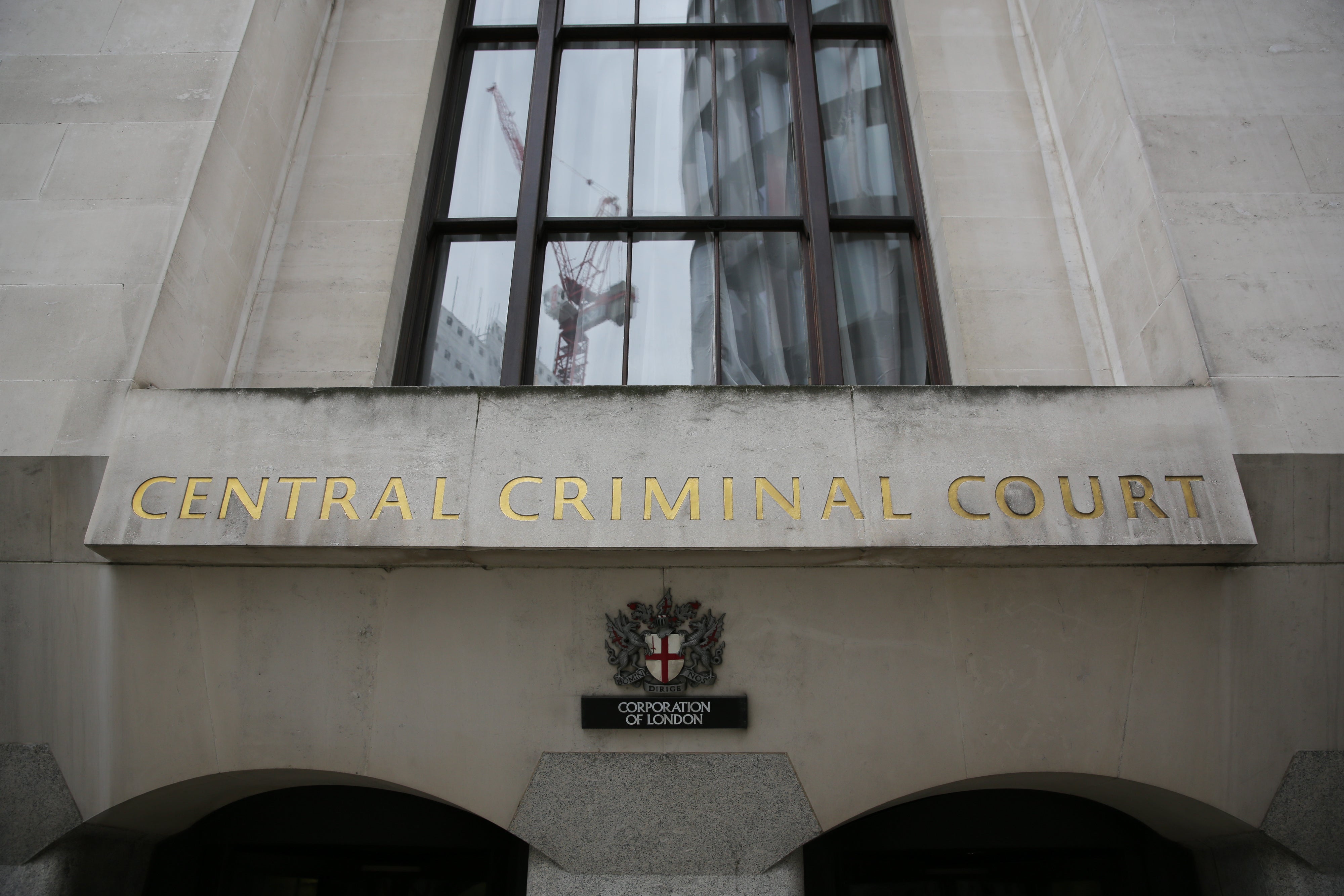
Following deliberations lasting nearly four hours, a jury at the Old Bailey convicted Street, of Huntingdon, Cambridgeshire, on two counts of misconduct in a public office.
He was, however, cleared of assaulting a drug dealer during an arrest, which allegedly caused actual bodily harm, and subsequently perverting the course of justice.
The defendant held his head in his hands in the dock as Judge Mark Lucraft KC remanded him into custody to be sentenced on July 30.
Judge Lucraft observed the general public would be “shocked” to learn of the full extent of what Street had done.
Street had previously admitted two offences of unlawful disclosure of personal data relating to information and screenshots he sent to his partner in 2020.
Jurors heard 12 other officers had been investigated over their conduct arising from the “toxic” culture Street had created.
Pc Josh Williams, 38, from Huntingdon, pleaded guilty to misconduct in public office.
Of 11 others who were investigated, two resigned, one was dismissed for gross misconduct, one received a final warning, two received written warnings, and five others were dealt with for low level performance issues.
Prosecutor Anne Whyte KC said Street had “created a culture of bragging and intolerance towards suspects”, and a “zero-tolerance attitude to anyone on his team who disagreed with his methods and sentiments”.
She said: “He was not just promoting inappropriate attitudes, he was positively creating a toxic culture which junior officers would find difficult to challenge and likely to adopt.”
With his “robust” style, he got “impressive results” in tackling serious crime, and found fame in crime shows on television.
He appeared on BBC show Britain’s Teenage Drug Runners in 2017, and in 2019 was on Channel 4’s Famous And Fighting Crime documentary.
However, anti-corruption officers uncovered Street’s two WhatsApp groups in 2021 after a new police officer reported him.
The court heard the probes focused on two WhatsApp groups created by Street, one including 17 colleagues and a second for his “inner circle”.
In April 2020, Street called on his team to “bully” 17-year-old detainee Robiul Islam, encouraging them to “please hit him” and “smash his head in”.
In the autumn of 2020, Williams was tasked with examining the phone of a female suspect he told Street was “quite fit”.
Street asked him if there were “any nudes”, and Williams replied there was a video of the woman committing a sexual act.
Williams went on to send Street a photo from the woman’s phone depicting her in underwear.
The following year, Street asked on WhatsApp if Williams still had the intimate private video because he wanted to show it to “the lads from footy”.
When he was interviewed about it, Street claimed he wanted to see the images to reassure himself the woman, who was released without charge, was not the victim of exploitative behaviour.
But Ms Whyte told jurors it was not Williams’s job to discuss or share the private images, and neither was it Street’s job to ask for nudes or the sex video.
Jurors heard Street’s WhatsApp chat set the tone for junior officers to follow, making regular references to bullying suspects.
Giving evidence, Street admitted his messages on WhatsApp were “poor” but said the language was “gallows humour”.
He told jurors: “That was part of the culture at the time. I am not solely responsible for that.
“I would say they are abusive messages and I should not have sent them. I was successful in my job and it did make me arrogant.”
Ms Whyte suggested Street was more than a “maverick” officer with unorthodox methods and having good arrest rates did not justify his “out of control” behaviour.
She told jurors: “He broke the rules repeatedly and chose to ignore the fact that in doing so, he was not just dishonouring the trust that the public should have in the police, but he was behaving precisely like the criminals he loved to despise.”