

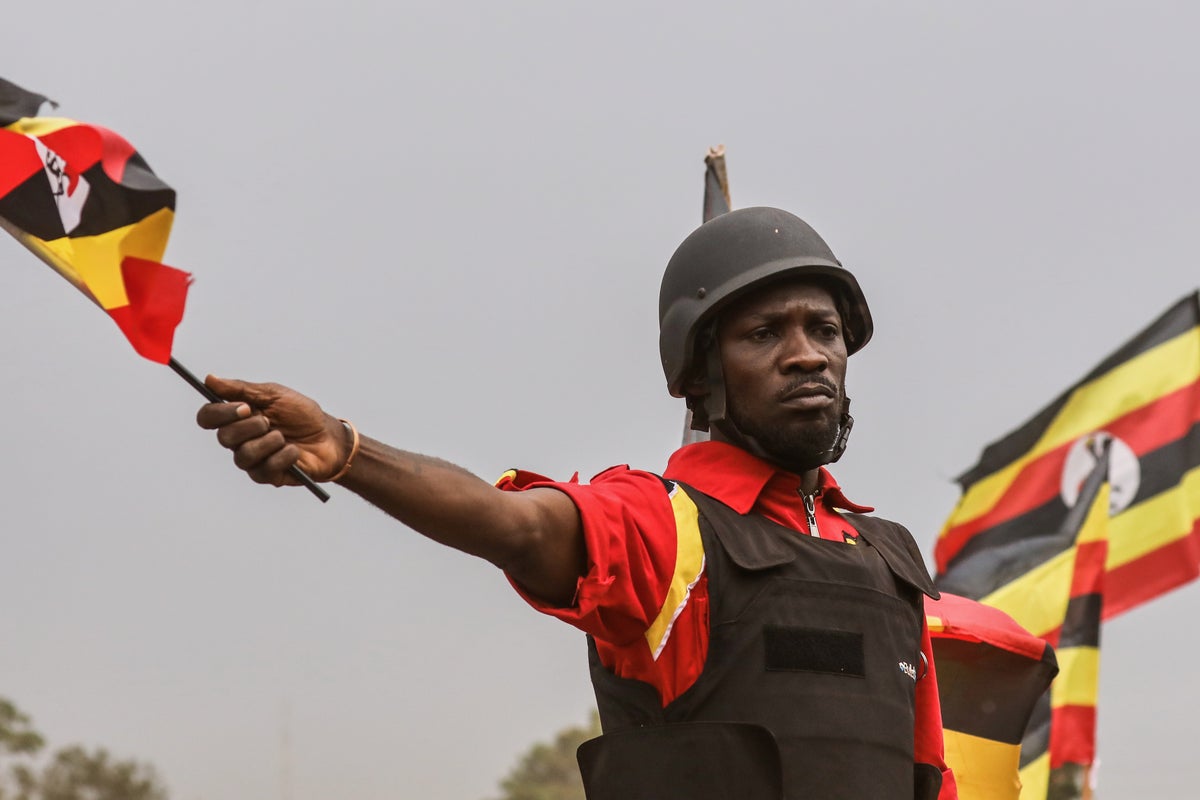
Ugandan opposition leader Bobi Wine has confirmed he has fled the country, revealing he was escaping a military search following a presidential election he claims was rigged.
The move comes amid heightened tensions and concerns for his safety.
Mr Wine, whose birth name is Kyagulanyi Ssentamu, had been in hiding since the 15 January vote.
Incumbent President Yoweri Museveni was declared the winner with 71.6 per cent of the vote, a result Mr Wine vehemently rejects as fake.
Soldiers reportedly raided his home the day after the election, though he had already gone into hiding, fearing for his life after campaigning for weeks in a helmet and flak jacket at rallies where security forces were a constant presence.
Public concern for Mr Wine’s safety had mounted over recent weeks, with his whereabouts unknown to the general public.
This was exacerbated by repeated threats posted on social platform X by the army chief, Gen Muhoozi Kainerugaba.
Gen Kainerugaba, the president’s son and widely considered his likely successor, has suggested Mr Wine is wanted for unspecified crimes, despite Ugandan police stating they are not actively searching for him.
The general has previously referred to Mr Wine as a “baboon” and a “terrorist”, in a pattern of offensive social media posts he often deletes.
In a video message shared on X on Saturday, an unshaven Mr Wine confirmed his departure from Uganda, though he did not disclose his destination.
“Fellow Ugandans and friends of Uganda all over the world, by the time you see this video I will have left the country for some critical engagements outside Uganda,” he stated.
“And at the right time I will come back and continue with the cause. I thank all of you fellow Ugandans who have concealed and protected me for all this time when the regime was looking for me.”
He further asserted that security operatives were unable to locate him “because the people have protected me.”
Mr Wine, the most prominent of seven candidates challenging Mr Museveni, commands significant support among young, urban populations.
Many followers are deeply disillusioned with the government over perceived official corruption and a stark lack of economic opportunities. They yearn for profound political change after four decades under the same leader.
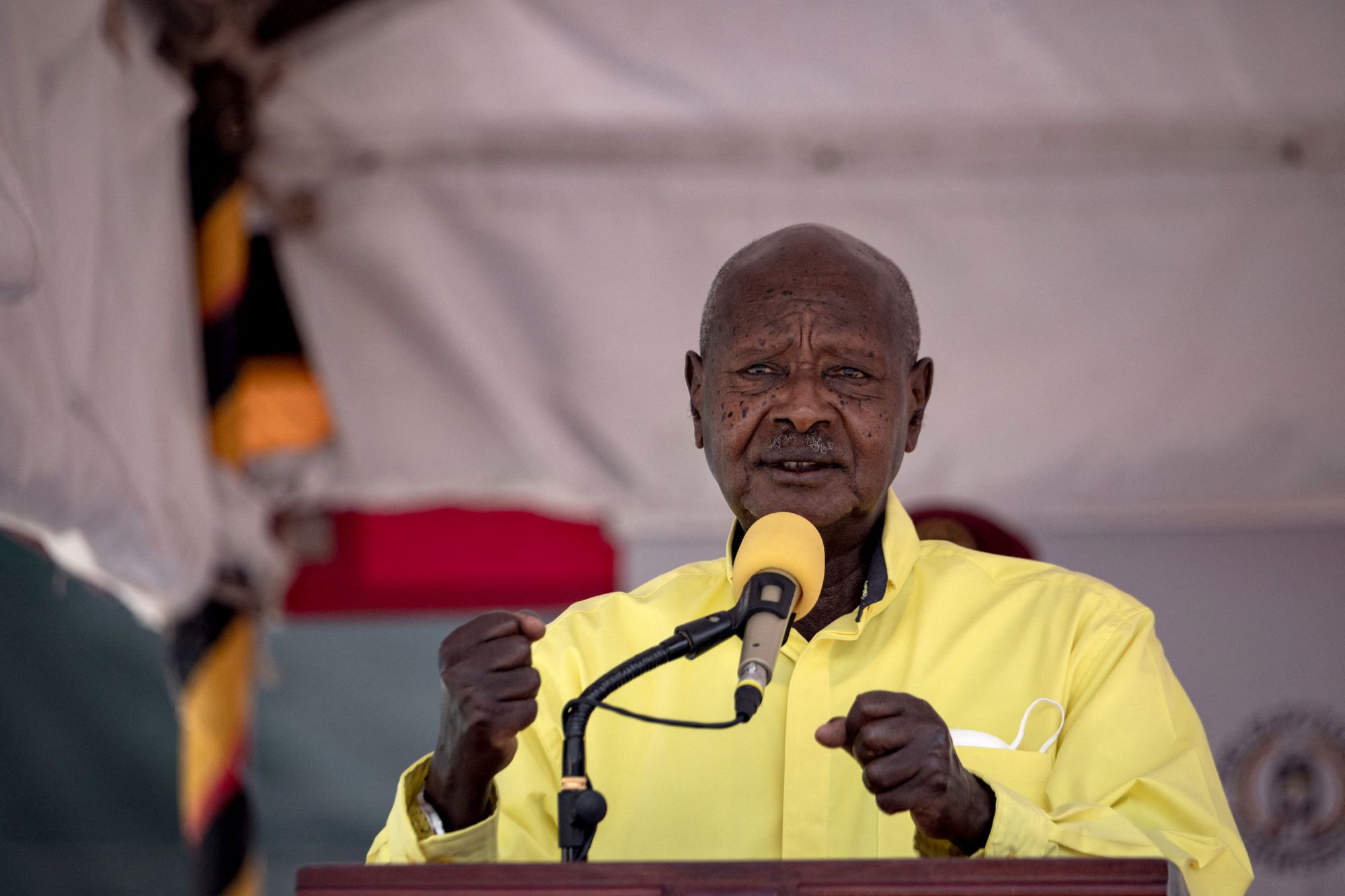
President Museveni, 81, is set to be sworn in for a seventh term in May, a tenure that would extend his rule towards five decades.
While his supporters credit him with bringing relative peace and stability to Uganda – making it home to hundreds of thousands fleeing violence elsewhere in this part of Africa – critics, including some who were once his close allies, increasingly decry what they describe as a worrying descent into authoritarianism.