

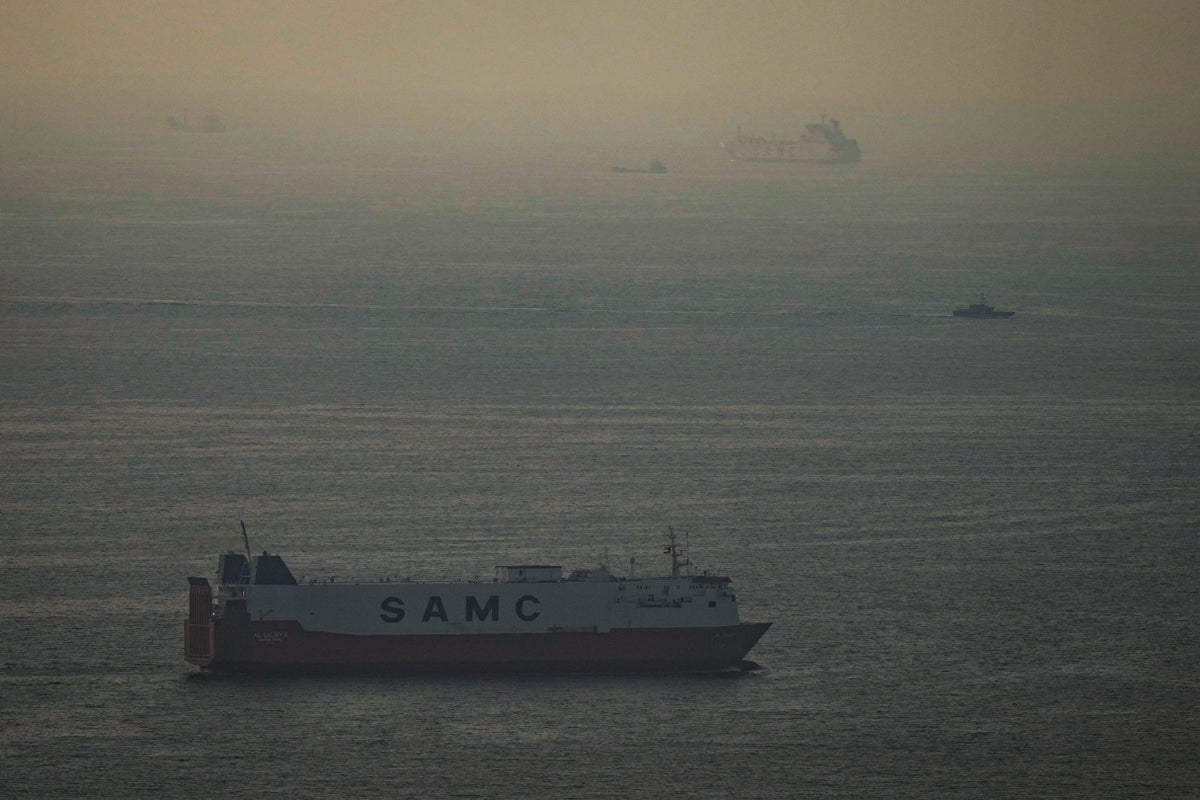
Iran has told the United Nations Security Council that “non-hostile” ships may transit the Strait of Hormuz, but shipping data shows traffic through the world’s most critical energy chokepoint remains at a fraction of normal levels.
Vessels are also required to seek permission from Iranian authorities before passage.
In a statement to the UNSC and the International Maritime Organisation on Tuesday, Iran’s foreign ministry said vessels may benefit from safe passage through the waterway “provided they neither participate in nor support acts of aggression against Iran and fully comply with the declared safety and security regulations” and only “in coordination with the competent Iranian authorities”.
The statement had no details about what the regulations entailed or how vessels should seek clearance. Bloomberg reported that Iran has begun charging transit fees on some commercial vessels passing through the strait.
Five vessels were tracked transiting the waterway via their automatic identification systems on Monday, according to maritime intelligence firm Windward, down from an average of 120 daily transits before the conflict began on 28 February.
Data from MarineTraffic, a maritime intelligence firm, showed nine vessels had crossed in the 24 hours to Tuesday morning, with some movements taking place outside the officially designated shipping lane close to Iran’s Qeshm island, raising questions about whether the activity reflected a genuine resumption or a more constrained pattern of selective passage.
With 400 vessels reported waiting outside the strait, the effective closure has driven the biggest disruption to global energy markets in decades. Gulf nations supply 49 per cent of the world’s exported urea, and fertiliser vessels have been among those unable to secure passage, threatening food supply chains across Asia and beyond.
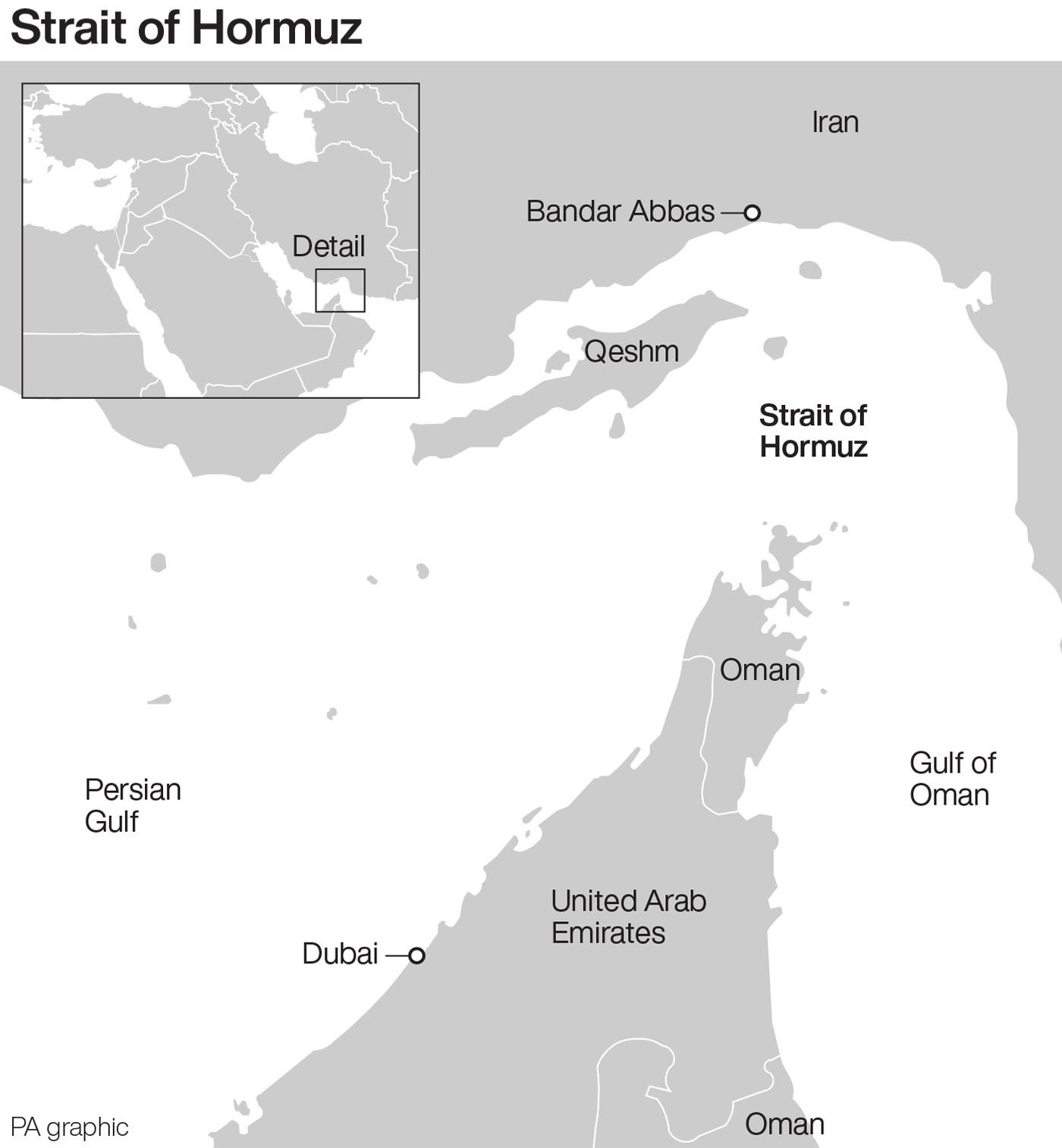
The effective closure of the waterway, where 20 per cent of the world’s oil and gas normally transits, has created the worst energy supply shock in history, sent fuel prices soaring, and disrupted global aviation.
Asia is at the frontline of the fuel crisis, buying more than 80 per cent of the crude that transits the Strait of Hormuz, and governments there are scrambling to respond to fuel shortages with policies such as enforced work-from-home and stimulus measures enforced during the Covid pandemic era. Some countries have declared public holidays and closed schools.
Oil prices have swung sharply on every diplomatic signal. Brent crude fell more than 9 per cent on Wednesday after The New York Times, Reuters and Israel’s Channel 12 reported that the Trump administration had sent Iran a 15-point plan to end the war – the sharpest single-day drop since the conflict began. Asian stock markets rose on the news, with Japan’s Nikkei 225 up 2.3 per cent and South Korea’s KOSPI up 2.6 per cent as of early Wednesday morning.
Iran’s statement placed responsibility for the disruption squarely on the US and Israel, saying their “unlawful and destabilising war” had “gravely endangered regional peace and stability and exposed international shipping to unprecedented threats.” Tehran said full restoration of security in the strait was contingent on a cessation of military aggression.
Iran has consistently insisted the strait remains open, except to vessels associated with its adversaries. But with traffic at roughly 4 per cent of pre-war levels and clearance dependent on Iranian approval, the waterway that carries a fifth of the world’s oil and gas has in practice changed from a free international passage to a controlled corridor.
Mr Trump told reporters at the White House on Tuesday that the US was in “negotiations” with “the right people” in Iran to end the war, adding the Iranians wanted to reach a deal very badly, a claim rejected by Iran.
“Has the level of your inner struggle reached the stage of you [Trump] negotiating with yourself?” the top spokesperson for Iran’s joint military command, Ebrahim Zolfaqari, said on Iranian state TV. “People like us can never get along with people like you.”