

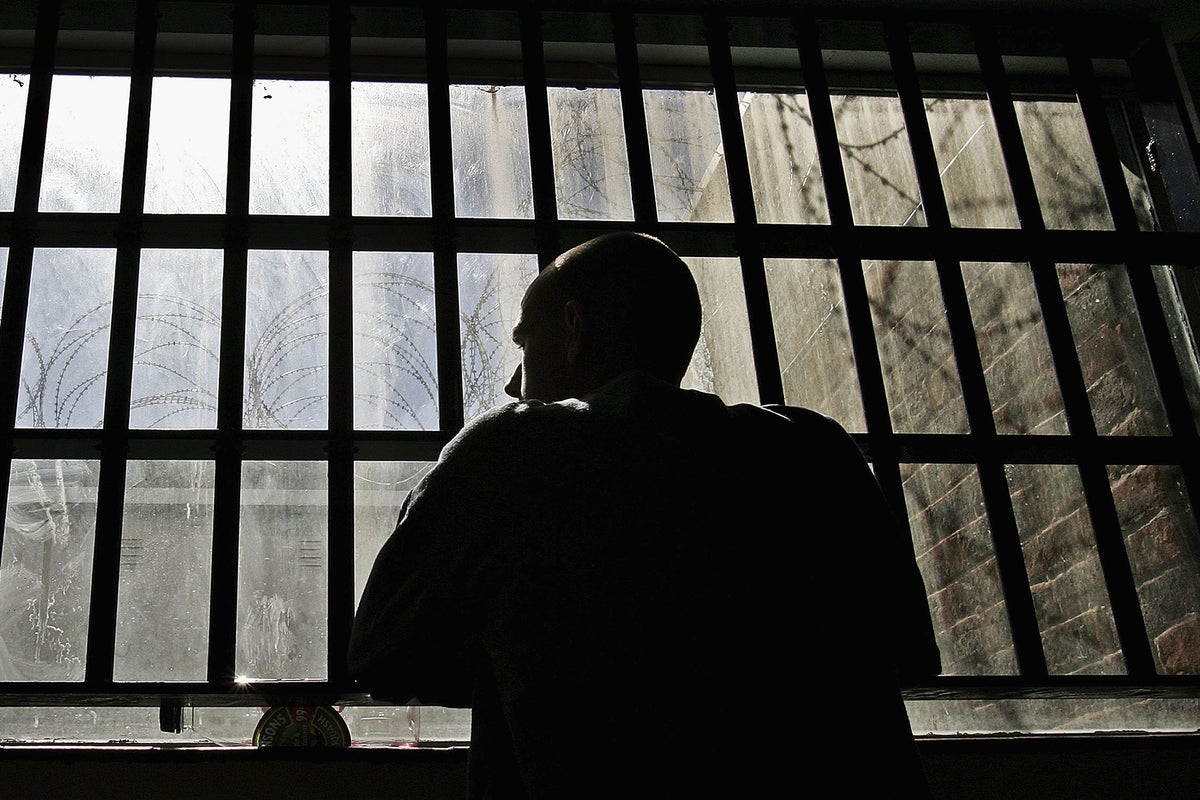
The number of young adults facing life behind bars or long-term punishments has almost doubled in a decade, The Independent can reveal.
A total of 50 offenders aged 18-20 were handed life or indeterminate sentences in 2024, up from just 30 in 2014.
Many are facing punishments which are equal to or longer than their age, with 6 per cent of young adults in prison now serving life sentences, up from just 2 per cent a decade earlier.
Prison experts are calling for specialist support for young people facing life or decades in prison, warning many have a history of trauma, grew up in care or were excluded from schools.
A new report from the Prison Reform Trust’s National Lottery-funded Building Futures programme found long-term sentences have profound consequences for mental health, identity development and the ability to imagine a meaningful future.
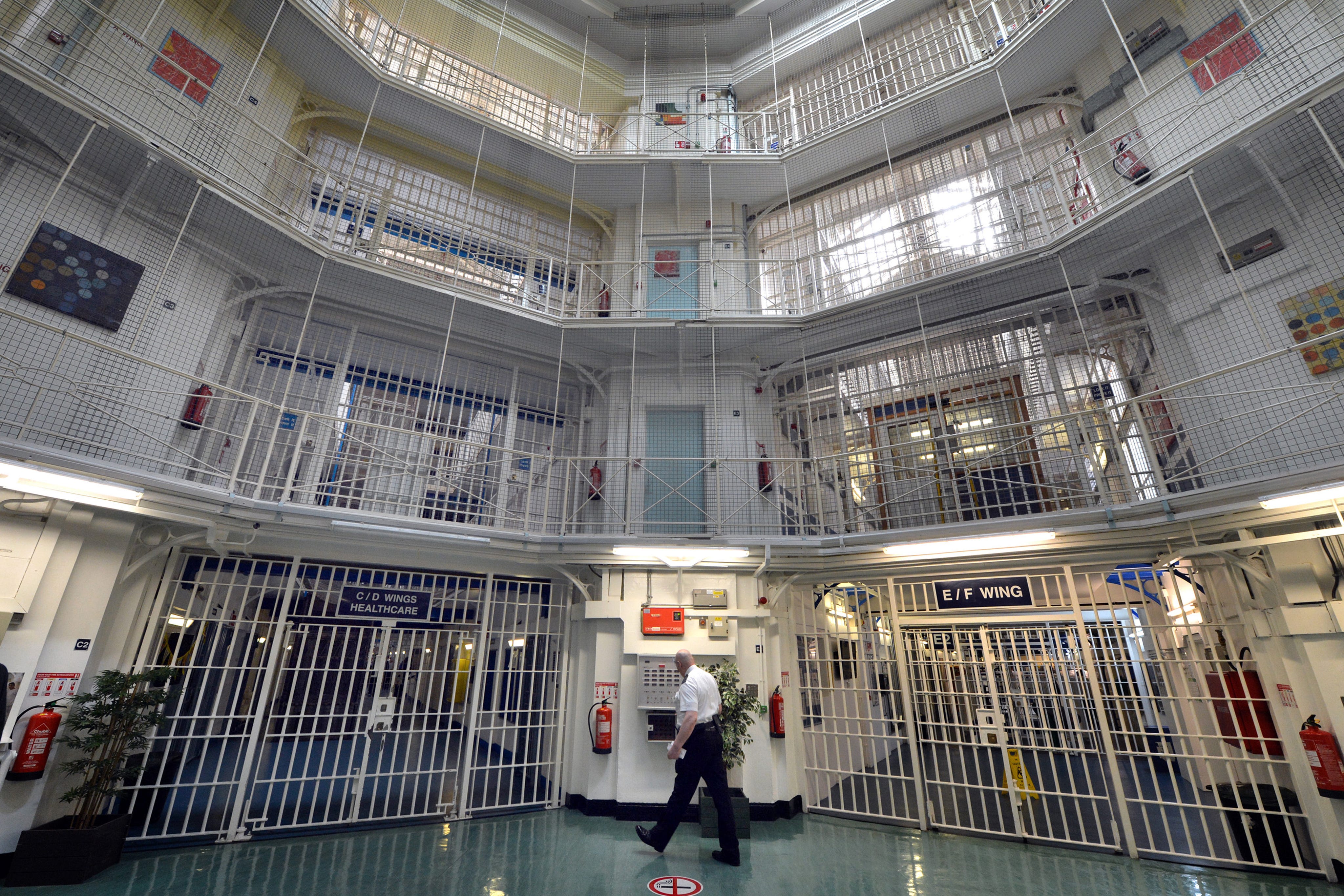
The study – based on testimony from 41 young male prisoners – calls for the prison service to better support young adults at this “crucial developmental stage” and provide better access to education and training.
“Being convicted at such a young age was heartbreaking – I would not come out of my room for months at a time; I’d barely be able to do the most basic things such as eat or shower,” one prisoner said.
Another, who was jailed aged 18, said the process was “difficult to say the least”.
He added: “To begin with, I didn’t understand much about life in prison or the seriousness and impact my sentence and conviction would have on me.
“Furthermore, I could barely understand some of the things that were discussed at my trial, but to understand the impact this would have on my life, I’m still struggling with.”
Others described the difficulty of growing up behind bars, adding: “The issue with maturing in prison is that it is harder to transition into a man and move forward. You’re still being treated the same as when you were younger by all staff, governors, police, so you feel stuck when trying to transition and you can’t just take yourself out of certain scenarios because you can’t leave your environment and the culture has been set in that environment.”
There are currently 10,324 young adults aged 18 to 24 held in prisons in England and Wales, accounting for 12 per cent of the prison population.
Although the overall young adult prison population has halved in the past 20 years, the proportion of young adults entering custody to serve life sentences has soared.
By December 2025, 6 per cent of those aged 18-20 years were serving life sentences, up from just 2 per cent in December 2015. A further 6 per cent were serving extended determinate sentences.

In a series of recommendations to the Ministry of Justice, the report calls for a dedicated prison policy for long-term prisoners, better training for staff working with young adults, and improved access to education and training, including the removal of restrictions on higher education funding for prisoners.
Pia Sinha, chief executive of the PRT, said the report shines a “stark light” on what it means to be a young adult facing decades behind bars.
“For some young adults who commit serious offences, prison will be the appropriate punishment,” she added.
“But if the state imposes such lengthy sentences on young people, it also carries a responsibility to ensure they can grow, develop and ultimately build a life beyond the prison walls. Our findings show that with the right relationships, purposeful activity and an age-appropriate approach, young adults can adapt and progress. But without meaningful reform, we are setting them up to fail.
“This report is a call to government and prison leaders: young adulthood is a crucial developmental stage, and our prison system must recognise that. We owe these young people the chance not just to survive their sentence, but to build a future after it.”
A Ministry of Justice spokesperson said: “This Government inherited a prison system in crisis and we are committed to getting offenders into meaningful and purposeful activity so they can turn their backs on crime.
“That is why we aim for every prisoner to have access to education, skills training and employment opportunities, while strengthening links with local employers to reduce the cycle of reoffending.”