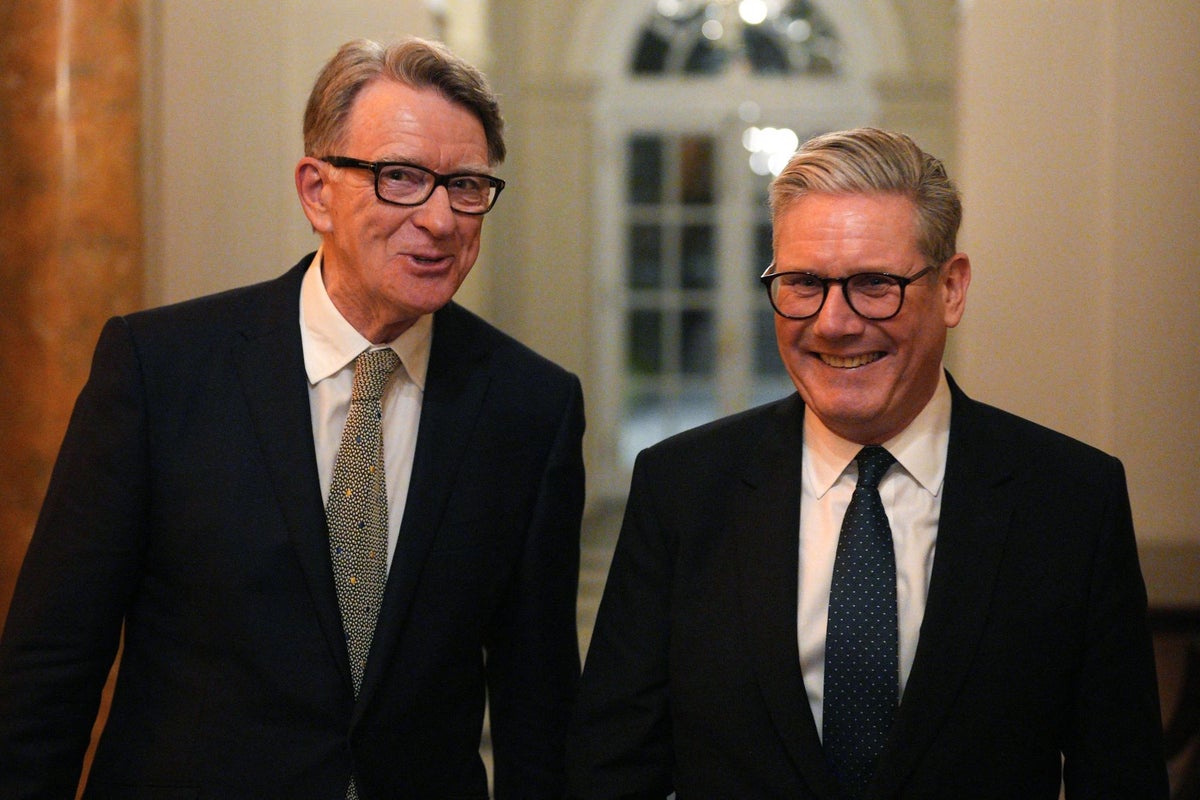
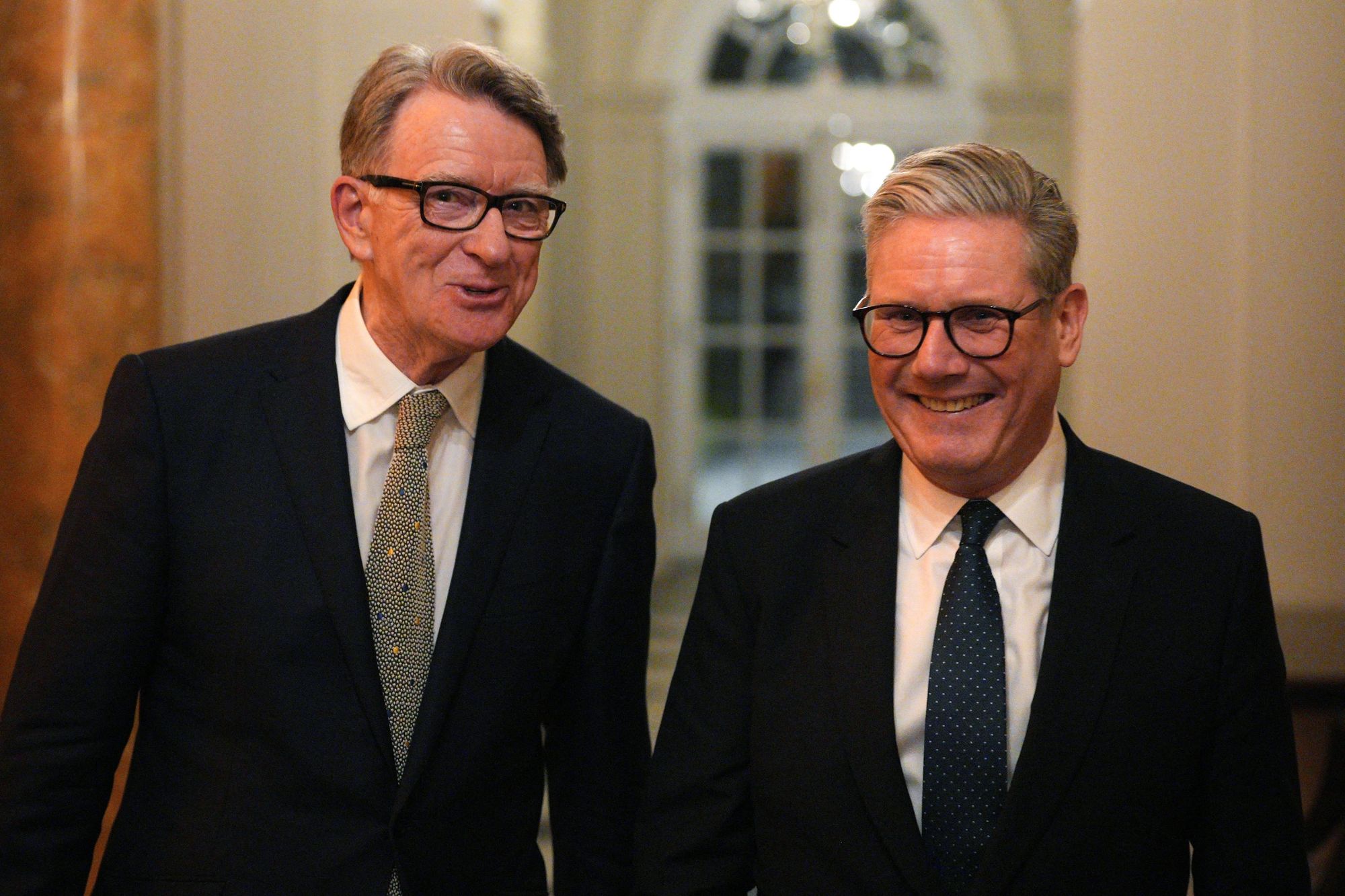
Sir Keir Starmer is under fresh scrutiny after the top civil servant sacked over the Mandelson scandal claimed that the Foreign Office was subjected to “constant pressure” to approve Peter Mandelson’s appointment as ambassador to the US regardless of the outcome of security vetting.
In an extraordinary two-hour-long session, Sir Olly Robbins also told MPs that No 10 had tried to fix a diplomatic role for a long-term Labour adviser and ally of Sir Keir, Matthew Doyle, who has since been promoted to the Lords but shortly after was suspended from the party because of his links to a convicted paedophile.
Sir Olly said that No 10 had taken a “dismissive” approach to vetting and wanted Lord Mandelson in Washington “as soon as humanly possible”.
In another astonishing revelation, he said that the Cabinet Office thought there was no need to vet the Labour grandee at all, because he already held other high-profile roles, including as a peer.
Sir Olly suggested that, even before the vetting was complete, the PM should have blocked the appointment because of what had already been uncovered by an initial “due diligence” exercise, which found that appointing Lord Mandelson would pose a “reputational risk”.
Lord Mandelson was sacked as ambassador to the US last year over his links to Jeffrey Epstein and is now facing a police inquiry into claims that he leaked sensitive government documents to the paedophile financier when he was business secretary under Gordon Brown.
Sir Keir hit back at Sir Olly’s evidence, telling his cabinet that the senior civil servant had made an “error of judgement”, though he maintained that Sir Olly is a “man of integrity and professionalism”.
No 10 also rejected claims that it had been “dismissive” about Lord Mandelson’s vetting, and denied that Sir Keir’s then chief of staff, Morgan McSweeney, had “nagged or cajoled or bullied” officials at the Foreign Office to grant Lord Mandelson security clearance.
But, in a blow to Downing Street, the foreign secretary Yvette Cooper said she was “extremely concerned” at Sir Olly’s evidence that he had been instructed not to tell her predecessor, David Lammy, about the search for an ambassadorial role for Mr Doyle, now Lord Doyle, who would not have been an “appropriate” choice.
And cabinet minister Ed Miliband said that he and Mr Lammy, now the deputy prime minister, had concerns about Lord Mandelson’s appointment because of the risk that it could “blow up”.
Earlier, Sir Olly said there had been “constant chasing” about the appointment from within the PM’s private office in No 10, which created an “atmosphere of pressure” among officials.
Other revelations included:
- That the normal vetting process was carried out only because the Foreign Office “put its foot down” after the Cabinet Office suggested the checks were unnecessary
- That dumping Lord Mandelson as the nominee for ambassador after he had been announced would have caused “quite an issue” with the incoming Trump administration in the White House
- That Sir Olly did not see the final verdict on Lord Mandelson and was only told that the case was “borderline”, with risks that could be managed
- That there was an “atmosphere of pressure”, after Sir Olly was asked about reports that Mr McSweeney had called Philip Barton, Sir Olly’s predecessor as top civil servant in the Foreign Office, and told him: “Just f***ing approve it”
Last week, the PM sacked Sir Olly, accusing him of failing to disclose that Lord Mandelson had failed security vetting.
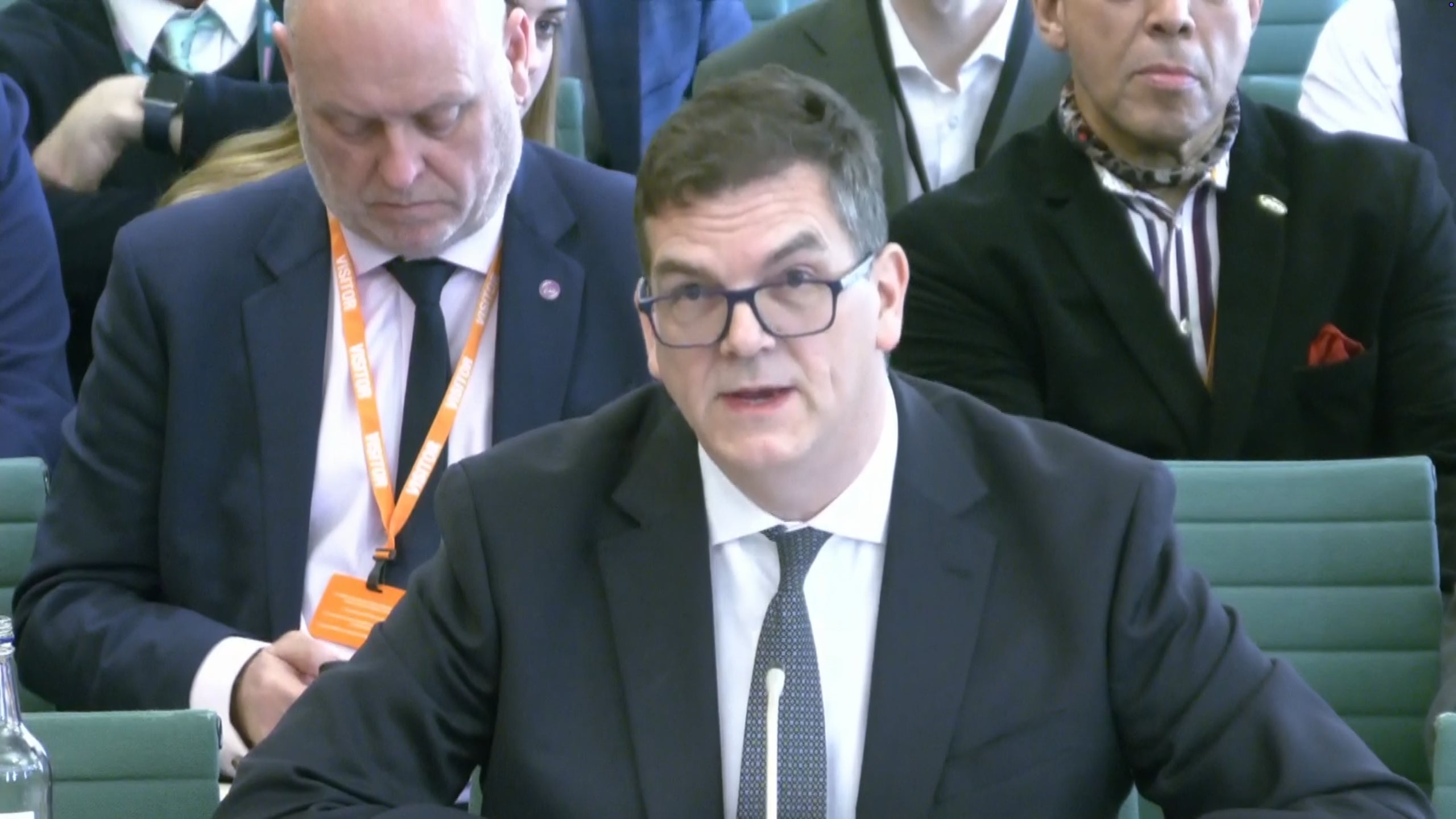
But Sir Olly said he had never seen the vetting form and had instead been briefed by Foreign Office security staff that “UKSV considered Mandelson a borderline case and that they were leaning towards recommending that clearance be denied”.
He said he was told that the risks in this case did not relate to Lord Mandelson’s relationship with the paedophile financier Jeffrey Epstein.
Sir Olly insisted that the confidentiality of the vetting process was “designed to protect UK national security”.
He said he did not know why he had been fired, adding that, “as a human being, I’m desperately, desperately sad about it”.
He revealed that when he took over in the Foreign Office on 20 January, while vetting was still taking place, Lord Mandelson had already received approval from King Charles and the US, was already allowed in the building, and was being granted access to “highly classified briefings” on a case-by-case basis.
In an emergency debate in the Commons, Kemi Badenoch twice referenced The Independent’s front page last September, which first revealed that Lord Mandelson had failed vetting, as she challenged the government’s version of events.
Ms Badenoch said Sir Olly’s evidence showed that the prime minister had misled parliament.
“The evidence from Olly Robbins is devastating to Keir Starmer,” she said. “It is clear that No 10 not only made the appointment before vetting was completed, but that Mandelson was already acting as the ambassador before the vetting, even seeing highly classified documents.
“With this, and the ‘constant pressure’ No 10 applied to the appointment and their ‘dismissive attitude’ to vetting Mandelson, it is now absolutely clear that full due process was not followed. Keir Starmer has misled the House.”
Meanwhile, Lord Doyle said he had “never sought” any ambassadorial role, adding: “I was never aware of anyone speaking to the FCDO about such a role for me.”
.jpg?trim=0,0,0,0&width=1200&height=800&crop=1200:800 "Apparent human remains found in school chimney in New York City – UK Times")