


New York Attorney General Letitia James and more than 20 other states are suing President Donald Trump to block newly imposed global tariffs after the Supreme Court struck down his sweeping tariff agenda last month.
Trump unlawfully imposed tariffs under the International Emergency Economic Powers Act, according to the Supreme Court. After that decision, the president swiftly raised worldwide tariffs to 15 percent “effective immediately” citing Section 122 of the Trade Act of 1974.
A coalition of Democratic states argue the president’s use of that law is similarly illegal.
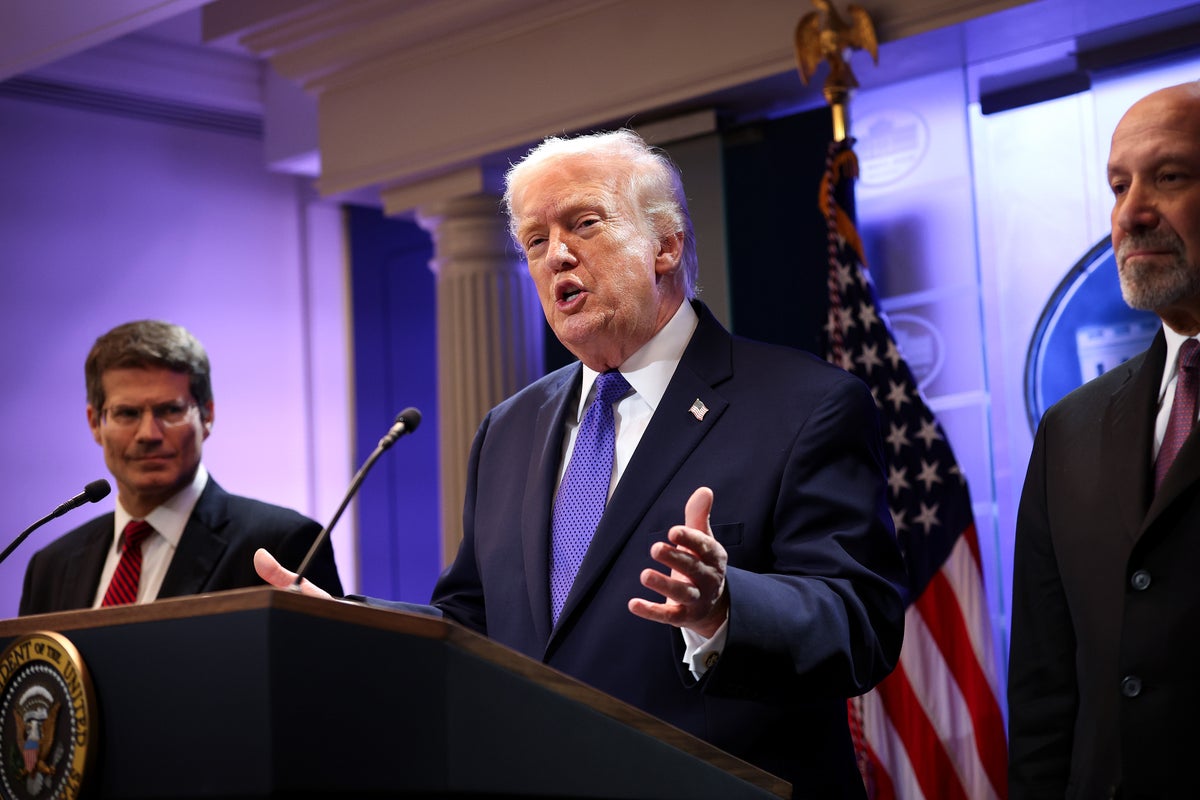
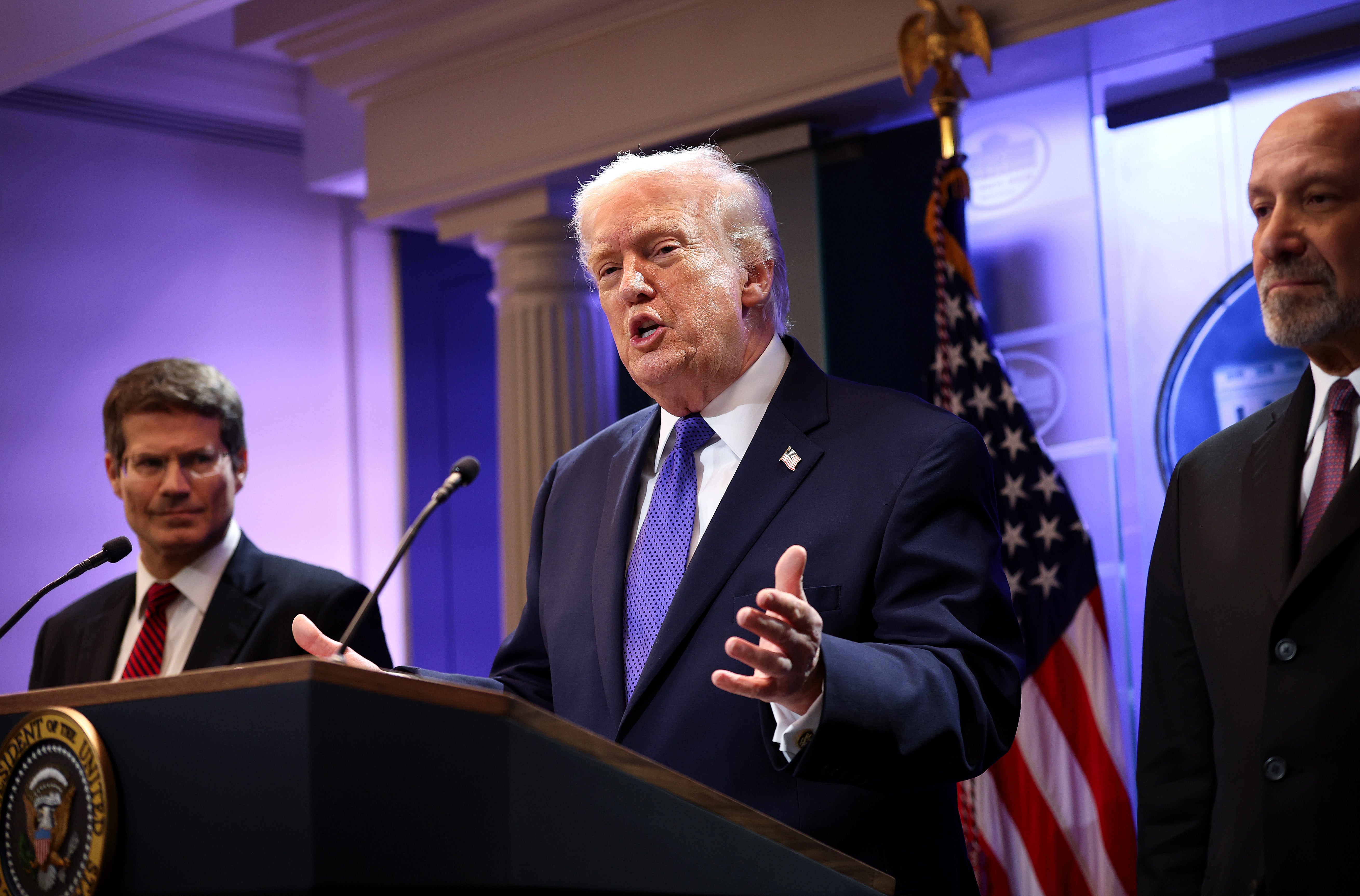
Speaking from the White House briefing room after the Supreme Court’s 6-3 decision, Trump raged against what he called a “deeply disappointing” ruling and said he was “absolutely ashamed” of two conservative justices he appointed who sided with the court’s majority.
“They’re against anything that makes America strong, healthy and great again. They are also frankly a disgrace to our nation, those justices,” Trump said. “They’re very unpatriotic and disloyal to our Constitution.”
That night, he said he was imposing a 10 percent tariff on all trading partners. Less than 24 hours later, he bumped up that rate to 15 percent “based on a thorough, detailed, and complete review of the ridiculous, poorly written, and extraordinarily anti-American decision,” he wrote on Truth Social.
The Supreme Court was asked to determine whether Trump was illegally imposed sweeping tariffs on nearly every trading partner under the 1977 law, which permits the president to regulate trade during “unusual and extraordinary” circumstances when a national emergency is declared.
Trump invoked the law when he imposed a baseline 10 percent tariff on most countries, in addition to heavier “reciprocal tariffs” that he announced last April on his so-called “Liberation Day.” The president argued the tariffs were a matter of national security to balance trade deficits.
The tariffs — a key tool in the president’s economic agenda — sparked global chaos and several lawsuits from small businesses. Trump, using tariffs as leverage to extract “deals” with other countries, repeatedly walked back his levies and markets gradually rebounded.
Hundreds of business owners across the country who were forced to absorb the cost of Trump’s tariffs and then pass costs to consumers through higher prices have filed complaints seeking reimbursements.
Dozens of complaints have been filed with the Court of International Trade in the aftermath of the Supreme Court’s ruling.
This is a developing story
